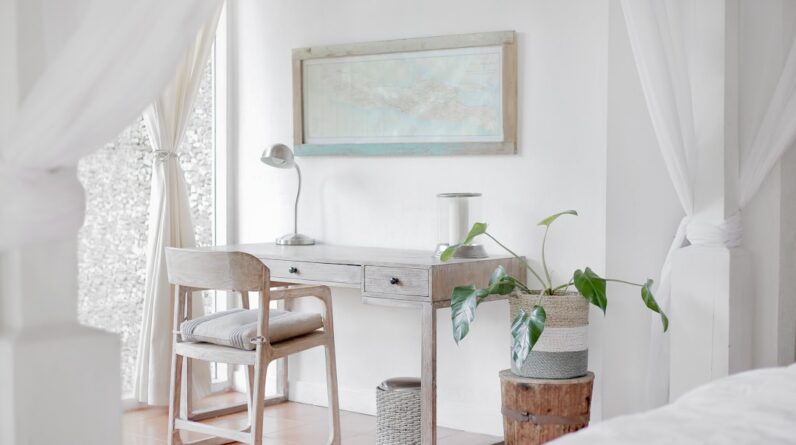
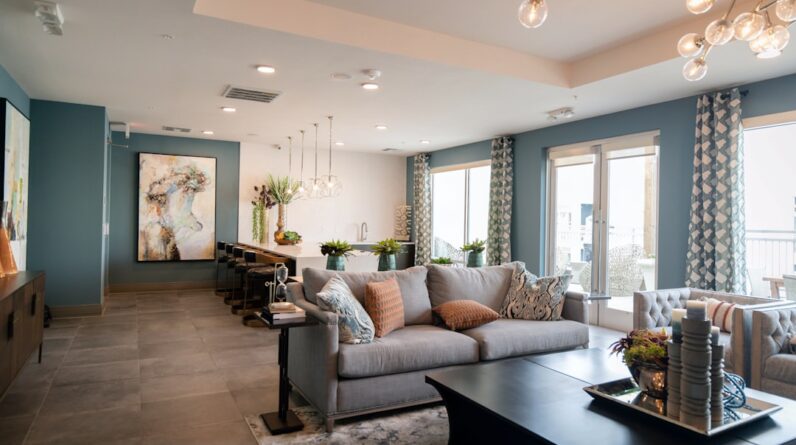
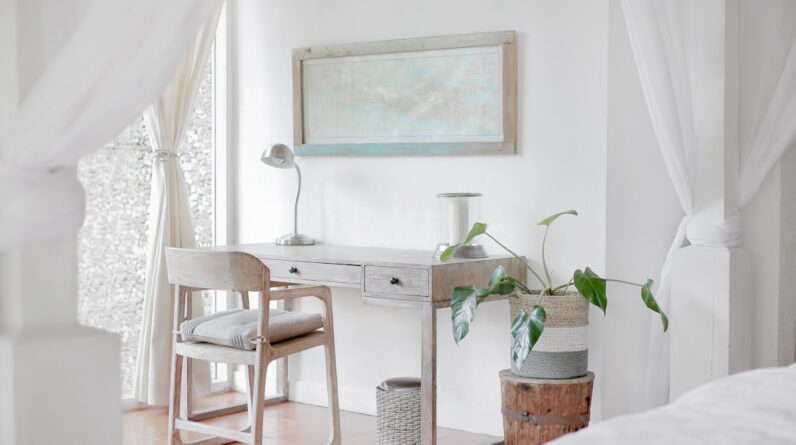
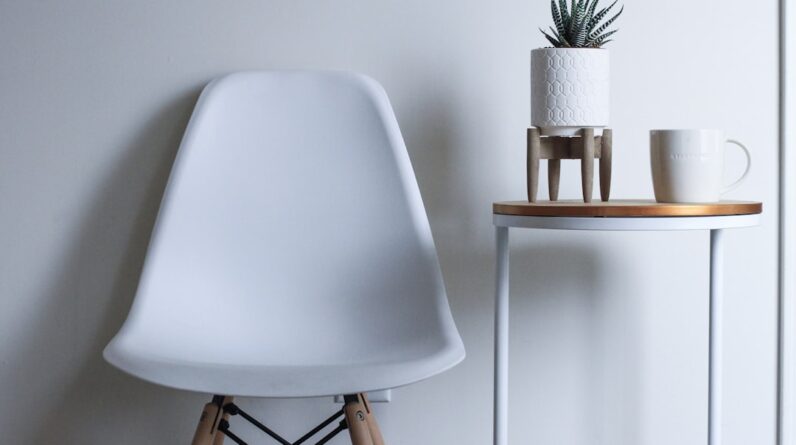
In a world that often feels cluttered and overwhelming, minimalism and simplicity have emerged as powerful design philosophies. You may find that embracing minimalism allows you to create spaces that are not only aesthetically pleasing but also mentally liberating. By stripping away the unnecessary, you can focus on what truly matters, both in your living environment and in your life.
This approach encourages you to curate your belongings, keeping only those items that bring you joy or serve a purpose. The result is a serene atmosphere that fosters clarity and calmness, making it easier for you to navigate your daily routines. Simplicity in design often translates to clean lines, neutral color palettes, and an overall sense of order.
You might notice that when you adopt a minimalist approach, your space feels more expansive and inviting. This is because minimalism emphasizes the importance of negative space, allowing each element within a room to breathe and stand out. By choosing fewer decorative items and focusing on quality over quantity, you can create a harmonious environment that reflects your personal style while promoting tranquility.
Ultimately, minimalism is not just about aesthetics; it’s a lifestyle choice that encourages mindfulness and intentionality in every aspect of your life.
Key Takeaways
- Minimalism and simplicity are key principles in modern design, focusing on clean lines and uncluttered spaces.
- Functionality and practicality are prioritized, with furniture and decor serving a purpose beyond just aesthetics.
- Natural materials such as wood, stone, and metal are used to bring a sense of warmth and connection to the environment.
- Emphasis on light and space creates an open and airy feel, often achieved through large windows and open floor plans.
- Incorporation of technology is seamlessly integrated into the design, with a focus on convenience and efficiency.
- Sustainable and eco-friendly design practices are embraced, including the use of recycled materials and energy-efficient solutions.
- Mixing of styles and eras adds depth and character to the design, creating a unique and eclectic aesthetic.
- Personalization and individuality are encouraged, allowing for self-expression and a sense of personal connection to the space.
Functionality and Practicality
Maximizing Space without Sacrificing Comfort or Style
For instance, a coffee table that doubles as storage or a sofa bed can be invaluable in maximizing space without sacrificing comfort or style. By prioritizing functionality, you can create an environment that enhances your daily life, making it easier for you to entertain guests or simply unwind after a long day.
Practical Design Meets Aesthetics
You can find countless examples of beautifully designed furniture that is also incredibly functional. When you choose pieces that are both visually appealing and useful, you create a cohesive look that reflects your personality while serving your lifestyle needs. Think about how you can incorporate elements like modular shelving or multi-functional kitchen islands into your home.>
Optimizing Your Space for a Better Life
These choices not only optimize your space but also contribute to a more organized and efficient living environment, allowing you to focus on what truly matters.
Use of Natural Materials

Incorporating natural materials into your design can significantly enhance the warmth and character of your space. You may find that elements like wood, stone, and organic textiles create a sense of connection to nature, which can be incredibly grounding in today’s fast-paced world. Natural materials often bring texture and depth to a room, making it feel more inviting and comfortable.
For example, reclaimed wood furniture adds a rustic charm while also telling a story of sustainability and history. By choosing materials that are sourced responsibly, you not only elevate your design but also contribute to a more eco-conscious lifestyle. Additionally, the use of natural materials can promote better indoor air quality and overall well-being.
Unlike synthetic materials that may emit harmful chemicals, natural options tend to be more breathable and healthier for you and your family. You might consider incorporating elements like bamboo flooring or wool rugs into your home for their durability and aesthetic appeal. By surrounding yourself with natural materials, you create an environment that feels alive and vibrant, fostering a sense of peace and harmony in your daily life.
Emphasis on Light and Space
Light plays a crucial role in how you perceive and experience your living environment. When designing your space, consider how natural light can enhance the overall ambiance. Large windows, skylights, or even strategically placed mirrors can help maximize the flow of light throughout your home.
You may find that by allowing more natural light in, your space feels larger and more open, creating an uplifting atmosphere that positively impacts your mood. The interplay of light and shadow can also add depth to your design, highlighting architectural features or artwork in ways that make them stand out. In addition to natural light, the way you choose to illuminate your space at night is equally important.
Layering different types of lighting—ambient, task, and accent—can create a dynamic environment that adapts to various activities throughout the day. You might opt for dimmable fixtures or warm-toned bulbs to create a cozy atmosphere during evenings spent with family or friends. By thoughtfully considering both natural and artificial light sources, you can cultivate a space that feels inviting and functional at all times.
Incorporation of Technology
As technology continues to evolve, its integration into home design has become increasingly seamless. You may find that incorporating smart home devices enhances both convenience and efficiency in your daily life. From smart thermostats that learn your preferences to automated lighting systems that adjust based on the time of day, technology can simplify many aspects of home management.
By embracing these innovations, you can create a living environment that adapts to your needs while also reducing energy consumption. However, it’s essential to strike a balance between technology and aesthetics. You want to ensure that the devices you choose complement your design rather than detract from it.
Consider sleek designs or hidden installations that maintain the clean lines of your minimalist approach while still providing the benefits of modern technology. By thoughtfully integrating tech into your home, you can enhance functionality without compromising on style.
Sustainable and Eco-friendly Design
Sustainable Materials for a Greener Space
You might explore sustainable materials like bamboo or recycled glass for countertops or flooring, which offer durability while minimizing environmental harm.
Energy Efficiency for a Smaller Carbon Footprint
Additionally, energy-efficient appliances and fixtures can significantly reduce your carbon footprint while saving you money in the long run. You may want to invest in LED lighting or low-flow plumbing fixtures as part of your commitment to sustainability.
Creating an Eco-Friendly Sanctuary
By making conscious choices about the products you bring into your home, you can create an eco-friendly sanctuary that reflects your values while still being stylish and functional.
Mixing of Styles and Eras
One of the most exciting aspects of interior design is the ability to mix styles and eras to create a unique aesthetic that reflects your personality. You may find joy in combining vintage pieces with modern elements or blending different cultural influences into a cohesive look. This eclectic approach allows you to tell a story through your decor, showcasing items that hold personal significance or evoke cherished memories.
When mixing styles, consider how different textures, colors, and shapes interact with one another. You might pair a mid-century modern chair with a rustic farmhouse table or incorporate contemporary art into a traditional setting. The key is to maintain balance; ensure that each element complements rather than competes with others in the space.
By embracing this creative freedom, you can curate an environment that feels distinctly yours while celebrating the beauty of diversity in design.
Personalization and Individuality
Ultimately, the most important aspect of any design is how well it reflects who you are as an individual. Personalization allows you to infuse your space with elements that resonate with your identity and experiences. Whether it’s displaying cherished photographs, incorporating artwork from local artists, or showcasing travel souvenirs, these personal touches transform a house into a home filled with character and warmth.
You might also consider customizing furniture or decor pieces to suit your specific tastes or needs. This could involve commissioning a local craftsman for bespoke furniture or even creating DIY projects that showcase your creativity. By prioritizing individuality in your design choices, you create an environment that not only looks beautiful but also feels authentic to who you are.
In this way, personalization becomes an integral part of the design process, allowing you to cultivate a space where you truly feel at home.
FAQs
What is contemporary interior design?
Contemporary interior design refers to the current trends and styles in interior design. It often incorporates modern elements and focuses on clean lines, minimalism, and functionality.
What are the key principles of contemporary interior design?
The key principles of contemporary interior design include minimalism, clean lines, open spaces, neutral color palettes, and the use of natural light. It also emphasizes functionality and the use of modern materials and technology.
How does contemporary interior design differ from other styles?
Contemporary interior design differs from other styles such as traditional or classic design by its focus on simplicity, minimalism, and the use of modern materials and technology. It also tends to be more fluid and adaptable to current trends.
What are some common elements used in contemporary interior design?
Common elements used in contemporary interior design include sleek furniture with clean lines, minimalistic decor, open floor plans, neutral color palettes, and the use of natural materials such as wood, stone, and metal. Additionally, contemporary design often incorporates technology and innovative lighting solutions.
How can I incorporate contemporary interior design principles into my home?
To incorporate contemporary interior design principles into your home, consider using neutral color palettes, decluttering your space, incorporating modern furniture and decor, maximizing natural light, and utilizing innovative technology and materials. It’s also important to focus on functionality and creating a sense of openness in your space.