When you step into a room, the colors that envelop you can evoke a range of emotions and set the tone for your experience. Bold and vibrant colors in interior design have the power to transform a mundane space into a lively sanctuary. These hues can energize a room, create focal points, and express your personality in ways that neutral tones simply cannot.
As you explore the world of interior design, you may find yourself drawn to the idea of infusing your spaces with striking colors that reflect your unique style and preferences. In recent years, there has been a noticeable shift towards embracing bold colors in home decor. Designers and homeowners alike are moving away from the safe, muted palettes that once dominated the scene.
Instead, they are opting for rich jewel tones, bright primary colors, and unexpected combinations that breathe life into their environments. This trend not only showcases creativity but also encourages individuals to take risks and make bold statements in their living spaces. As you consider your own interior design choices, understanding the implications of using vibrant colors can help you create a home that resonates with your personal aesthetic.
Key Takeaways
- Bold and vibrant colors can add energy and personality to interior spaces, making them more visually appealing and exciting.
- Using bold and vibrant colors in interior design can create a sense of warmth, positivity, and creativity in a space.
- However, overuse of bold and vibrant colors can make a space feel overwhelming and visually chaotic.
- When incorporating bold and vibrant colors in interior design, consider using them as accents or focal points to avoid overwhelming the space.
- Balancing bold and vibrant colors with neutral tones can create a harmonious and visually pleasing interior design scheme.
The Pros of Using Bold and Vibrant Colors in Interior Design
One of the most significant advantages of incorporating bold and vibrant colors into your interior design is their ability to create a strong visual impact. When you choose striking hues, you can instantly draw attention to specific areas or features within a room. For instance, a bright accent wall can serve as a stunning backdrop for artwork or furniture, making those elements stand out even more.
This visual dynamism can transform an ordinary space into an extraordinary one, allowing you to express your creativity and individuality. Moreover, bold colors can evoke specific emotions and moods, enhancing the overall atmosphere of your home. For example, warm colors like reds and oranges can create a sense of warmth and intimacy, making spaces feel inviting and cozy.
On the other hand, cooler tones such as blues and greens can promote tranquility and relaxation, perfect for bedrooms or meditation areas. By thoughtfully selecting vibrant colors that resonate with your desired ambiance, you can curate an environment that supports your lifestyle and well-being.
The Cons of Using Bold and Vibrant Colors in Interior Design
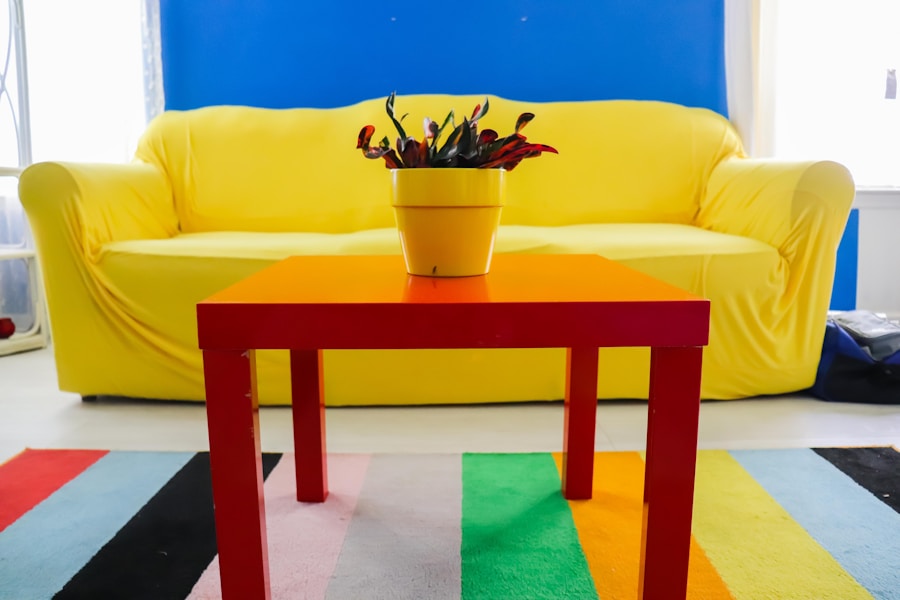
While the allure of bold and vibrant colors is undeniable, there are also potential drawbacks to consider. One significant concern is that these colors can be overwhelming if not used judiciously. A room saturated with bright hues may feel chaotic or disorienting rather than harmonious.
If you’re not careful with your color choices, you might inadvertently create an environment that feels more stressful than serene. It’s essential to strike a balance between vibrancy and calmness to ensure that your space remains inviting. Another challenge is the potential for trends to shift over time.
What feels fresh and exciting today may become dated or unappealing in just a few years. If you invest heavily in bold colors, you might find yourself needing to redecorate sooner than anticipated as your tastes evolve or as design trends change. This can lead to increased costs and effort in maintaining your home’s aesthetic.
Therefore, it’s crucial to consider how long you want these vibrant colors to remain a part of your interior design before fully committing.
Tips for Incorporating Bold and Vibrant Colors in Interior Design
If you’re eager to embrace bold and vibrant colors in your home but are unsure where to start, there are several strategies you can employ. First, consider using accent pieces to introduce color without overwhelming the space. Items such as throw pillows, rugs, or artwork can add pops of color while allowing you to maintain a more neutral base.
This approach enables you to experiment with different shades and combinations without making a long-term commitment. Another effective method is to create a color palette that includes both bold hues and complementary tones. By selecting a few key vibrant colors and pairing them with softer shades or neutrals, you can achieve a balanced look that feels cohesive rather than chaotic.
For instance, if you choose a bright yellow for an accent wall, consider pairing it with muted grays or whites in your furniture and decor. This strategy allows the bold color to shine while ensuring that the overall design remains visually appealing.
Examples of Successful Use of Bold and Vibrant Colors in Interior Design
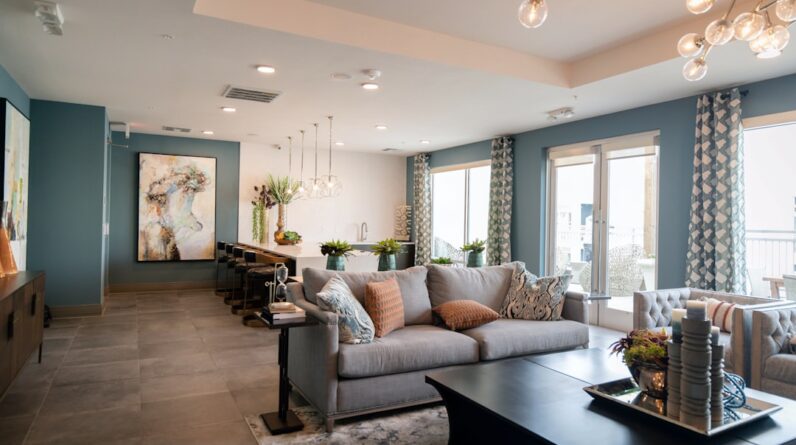
Throughout the world of interior design, there are countless examples of successful uses of bold and vibrant colors that inspire creativity. One notable instance is the use of deep teal in living rooms, which can create an inviting yet sophisticated atmosphere. When paired with warm wood tones and metallic accents, this rich color can evoke a sense of luxury while remaining approachable.
Another striking example is the incorporation of bright pinks or oranges in kitchens or dining areas. These cheerful hues can energize the space, making it feel lively and welcoming for gatherings with family and friends. When combined with white cabinetry or natural wood finishes, these vibrant colors can create a fresh and modern aesthetic that encourages social interaction.
How to Balance Bold and Vibrant Colors with Neutral Tones in Interior Design

Achieving harmony between bold colors and neutral tones is essential for creating a well-rounded interior design scheme. One effective approach is to use neutral shades as a foundation upon which you build your vibrant palette. For instance, painting walls in soft grays or whites allows you to introduce colorful furniture or decor without overwhelming the senses.
This strategy creates a backdrop that highlights the vibrancy of your chosen hues while maintaining an overall sense of calm. Additionally, consider using neutral tones strategically throughout the space to create visual breaks between bold colors. For example, if you have a bright blue sofa, balance it with neutral side tables or curtains that help ground the room.
This technique not only enhances the overall aesthetic but also ensures that no single element dominates the space, allowing for a more cohesive design.
Psychological Effects of Bold and Vibrant Colors in Interior Design
The psychological impact of color is a fascinating aspect of interior design that should not be overlooked. Bold and vibrant colors can significantly influence your mood and behavior within a space. For instance, studies have shown that warm colors like red can stimulate energy levels and increase heart rates, making them ideal for social spaces like living rooms or dining areas where interaction is encouraged.
Conversely, cooler colors such as blue or green are often associated with calmness and tranquility. These hues can create serene environments conducive to relaxation or focus, making them perfect for bedrooms or home offices. By understanding the psychological effects of different colors, you can make informed decisions about which hues to incorporate into your home based on how you want to feel in each space.
Finding the Right Balance for Your Interior Design
In conclusion, incorporating bold and vibrant colors into your interior design can be an exhilarating journey filled with creativity and self-expression. While there are undeniable benefits to using these striking hues—such as creating visual impact and evoking specific emotions—it’s essential to approach their use thoughtfully. By considering both the pros and cons, as well as employing strategies for balance with neutral tones, you can curate an environment that reflects your personality while remaining harmonious.
As you embark on this colorful adventure, remember that finding the right balance is key to achieving a cohesive design that resonates with your lifestyle. Embrace the opportunity to experiment with different shades and combinations until you discover what feels right for you. Ultimately, your home should be a reflection of who you are—a vibrant canvas where every color tells a story.
FAQs
What are the pros of using bold and vibrant colors in interior design?
– Bold and vibrant colors can add energy and excitement to a space, creating a lively and dynamic atmosphere.
– These colors can make a statement and create a focal point in a room, drawing attention to specific areas or features.
– Using bold and vibrant colors can help to create a sense of personality and individuality in a space, reflecting the homeowner’s unique style and taste.
– These colors can also evoke certain emotions and moods, such as happiness, creativity, and warmth, depending on the specific color choices.
What are the cons of using bold and vibrant colors in interior design?
– Bold and vibrant colors can be overwhelming if not used carefully, potentially creating a chaotic or busy feeling in a space.
– These colors may also be less versatile and more difficult to coordinate with other elements in the room, such as furniture and decor.
– Using bold and vibrant colors may also make a space feel dated more quickly, as trends in color preferences change over time.
– Some people may find these colors too stimulating or intense, leading to feelings of discomfort or unease in the space.