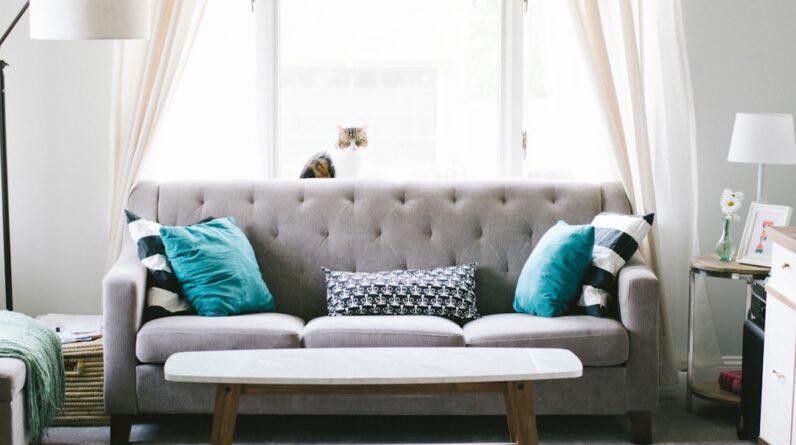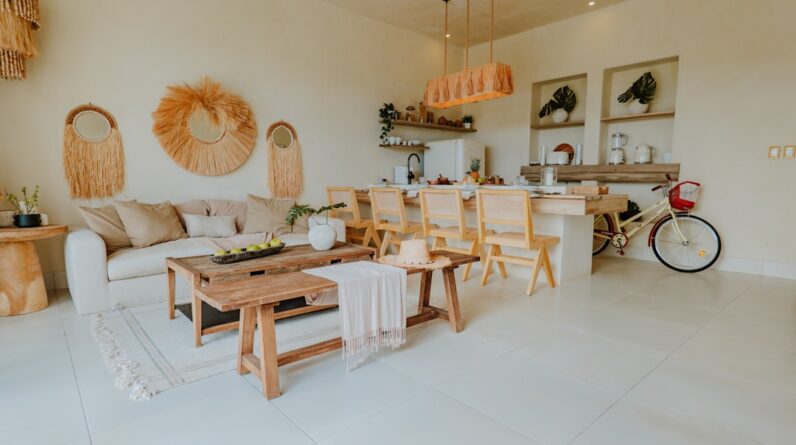
In the realm of design, achieving a harmonious balance between natural materials and modern aesthetics is essential. You may find that this balance not only enhances the visual appeal of your space but also creates an inviting atmosphere that resonates with comfort and tranquility. The interplay between organic textures and sleek lines can evoke a sense of serenity, allowing you to connect with nature while enjoying the conveniences of contemporary living.
As you embark on this journey, consider how each element contributes to the overall ambiance, ensuring that neither the natural nor the modern aspects overshadow the other. To truly understand this balance, you must first appreciate the unique qualities that natural materials bring to your environment. Wood, stone, and other organic elements possess inherent characteristics that can soften the rigidity often associated with modern design.
By thoughtfully integrating these materials, you can create a space that feels both grounded and sophisticated. As you explore various combinations, pay attention to how different textures and colors interact, allowing you to curate a design that reflects your personal style while maintaining a sense of equilibrium.
Key Takeaways
- Understanding the balance of natural materials in design is essential for creating a harmonious and inviting space.
- Choosing the right natural materials, such as wood and stone, is crucial for achieving a contemporary and timeless look.
- Incorporating wood in contemporary design can add warmth, texture, and a sense of natural beauty to the space.
- Incorporating stone in contemporary design can bring a sense of luxury, durability, and earthy elegance to the interior.
- Mixing natural materials with modern elements can create a visually interesting and dynamic space that feels both inviting and current.
Choosing the Right Natural Materials
Wood: Warmth and Coziness
Its rich tones and varied grains can add depth and character to any room. On the other hand, if you seek a more rugged or earthy feel, stone could be the perfect fit. Each material has its own unique attributes, so take the time to explore what resonates with you and aligns with your vision.
Sustainability: A Key Consideration
As you delve deeper into your options, think about the sustainability of the materials you choose. In today’s world, eco-conscious design is more important than ever. You may want to prioritize reclaimed wood or locally sourced stone to minimize your environmental impact.
Beautiful and Responsible Design
By making informed choices, you not only enhance the aesthetic appeal of your space but also contribute positively to the planet. This thoughtful approach will allow you to create a design that is not only beautiful but also responsible.
Incorporating Wood in Contemporary Design
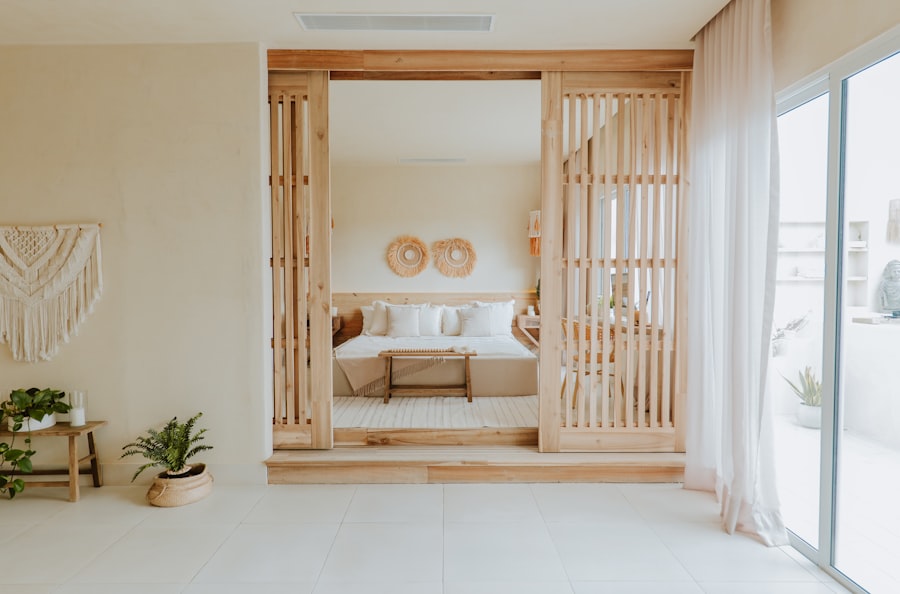
Wood is a versatile material that can seamlessly blend into contemporary design while adding warmth and texture. You might consider using wood in various forms—whether as flooring, cabinetry, or accent pieces—to create a cohesive look throughout your space. The natural variations in wood grain can serve as a focal point, drawing the eye and inviting touch.
For instance, a stunning wooden dining table can become the heart of your home, encouraging gatherings and conversations while showcasing the beauty of nature. In addition to traditional uses, think outside the box when incorporating wood into your design. You could explore innovative applications such as wooden wall panels or ceiling beams that add architectural interest.
These elements can create a striking contrast against sleek modern furnishings, enhancing the overall aesthetic of your space. By embracing wood in unexpected ways, you can elevate your design while maintaining a connection to nature.
Incorporating Stone in Contemporary Design
Stone is another powerful natural material that can elevate contemporary design to new heights. Its durability and timeless appeal make it an excellent choice for various applications, from countertops to feature walls. You may find that incorporating stone into your design not only adds visual interest but also provides a sense of permanence and stability.
The coolness of stone can balance out warmer elements in your space, creating a dynamic interplay that captivates the senses. When working with stone, consider its color and texture carefully. Lighter stones like marble or limestone can brighten a room and create an airy feel, while darker stones such as slate or granite can add depth and drama.
You might also explore different finishes—polished surfaces offer a sleek look, while rough-hewn textures can evoke a more rustic charm. By thoughtfully selecting and placing stone elements in your design, you can create a sophisticated environment that feels both modern and grounded.
Mixing Natural Materials with Modern Elements
One of the most exciting aspects of contemporary design is the opportunity to mix natural materials with modern elements. You may find that this combination creates a unique aesthetic that reflects your personality and lifestyle. For example, pairing sleek metal furniture with wooden accents can create an intriguing contrast that draws attention and sparks conversation.
This juxtaposition allows you to celebrate both the organic qualities of nature and the clean lines of modern design. As you experiment with mixing materials, consider how they interact with one another. The key is to find a balance that feels intentional rather than chaotic.
You might choose a color palette that ties everything together or select complementary textures that enhance each other’s beauty. By thoughtfully curating your space in this way, you can create an environment that feels cohesive and well-designed while still showcasing the individuality of each material.
Using Natural Materials as Statement Pieces
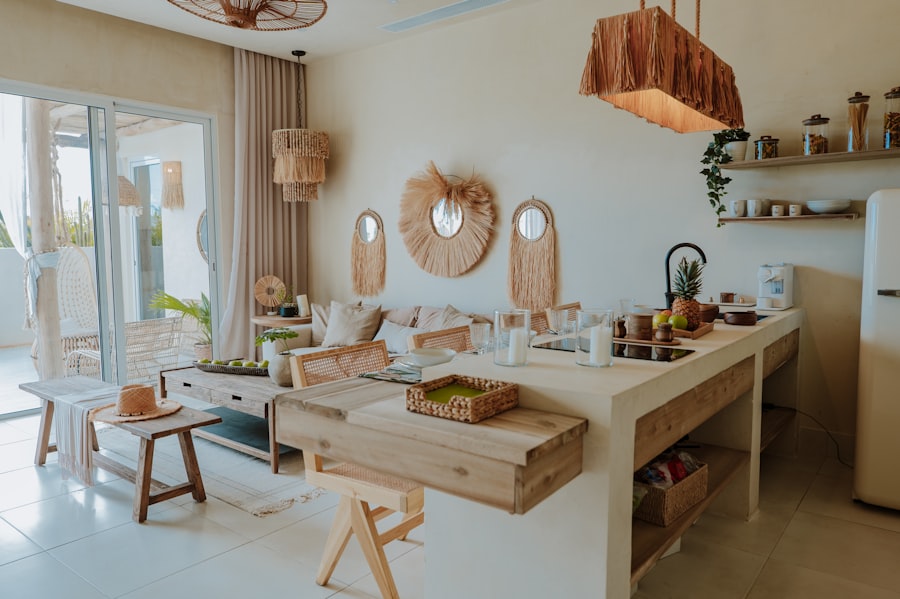
Natural materials have the power to serve as stunning statement pieces within your design scheme. You may want to consider incorporating large-scale elements such as a reclaimed wood dining table or a striking stone fireplace that commands attention and becomes a focal point in the room. These pieces not only add character but also tell a story about their origins, inviting guests to engage with their beauty and history.
In addition to large statement pieces, smaller accents made from natural materials can also make a significant impact. Think about decorative items like wooden bowls, stone sculptures, or woven baskets that add texture and interest without overwhelming the space. By strategically placing these items throughout your home, you can create visual intrigue while maintaining a sense of balance and harmony.
Creating Contrast and Texture
Creating contrast and texture is essential for achieving depth in your design. You may find that combining smooth surfaces with rough textures adds visual interest and invites exploration within your space. For instance, pairing polished marble countertops with rustic wooden cabinetry can create a striking juxtaposition that elevates both elements.
This interplay encourages movement within the room, drawing the eye from one feature to another. In addition to contrasting textures, consider incorporating varying colors within your natural materials. A mix of light and dark woods or different shades of stone can create layers that enhance the overall aesthetic of your design.
By thoughtfully curating these contrasts, you can create an engaging environment that feels dynamic and alive while still maintaining a cohesive look.
Maintaining a Cohesive Look
As you navigate the world of natural materials and contemporary design, maintaining a cohesive look is crucial for creating a harmonious environment. You may want to establish a unifying theme or color palette that ties all elements together, ensuring that each piece complements rather than competes with others in the space. This approach will help you achieve a sense of flow throughout your home.
Additionally, consider how different materials relate to one another in terms of scale and proportion. Large furniture pieces should be balanced by smaller accents, while bold colors can be tempered by neutral tones to create visual harmony. By paying attention to these details, you can cultivate an inviting atmosphere that feels both curated and comfortable—a true reflection of your personal style.
In conclusion, embracing natural materials within contemporary design offers endless possibilities for creating beautiful spaces that resonate with warmth and authenticity. By understanding the balance between these elements and thoughtfully incorporating them into your home, you can craft an environment that reflects your unique personality while celebrating the beauty of nature. Whether through wood, stone, or innovative combinations of materials, each choice contributes to an overall aesthetic that is both modern and timeless.
FAQs
What are some ways to incorporate natural materials like wood and stone into a contemporary interior design?
Some ways to incorporate natural materials like wood and stone into a contemporary interior design include using them as accent walls, incorporating them into furniture and decor pieces, and using them for flooring and countertops.
How can I ensure that the natural materials blend well with the modern aesthetic of the interior design?
To ensure that natural materials blend well with the modern aesthetic of the interior design, consider using sleek and minimalist designs, choosing natural materials with clean lines and smooth finishes, and balancing the use of natural materials with modern elements.
What are some examples of natural materials that can be incorporated into a contemporary interior design?
Some examples of natural materials that can be incorporated into a contemporary interior design include hardwood flooring, stone countertops, marble accents, reclaimed wood furniture, and natural stone accent walls.
How can lighting be used to enhance the natural materials in a contemporary interior design?
Lighting can be used to enhance the natural materials in a contemporary interior design by highlighting their textures and colors, creating a warm and inviting atmosphere, and adding depth and dimension to the space.
Are there any specific color palettes that work well with natural materials in a contemporary interior design?
Neutral color palettes, such as whites, grays, and earth tones, work well with natural materials in a contemporary interior design. These colors help to create a cohesive and harmonious look that complements the natural elements.