As you embark on the journey of designing or renovating your living space, it’s essential to recognize that every individual or family has distinct needs shaped by their lifestyle. Whether you are a busy professional, a parent with young children, or a retiree seeking tranquility, your home should reflect and accommodate your daily routines and preferences. Understanding these unique needs is the first step toward creating a space that feels both functional and personal.
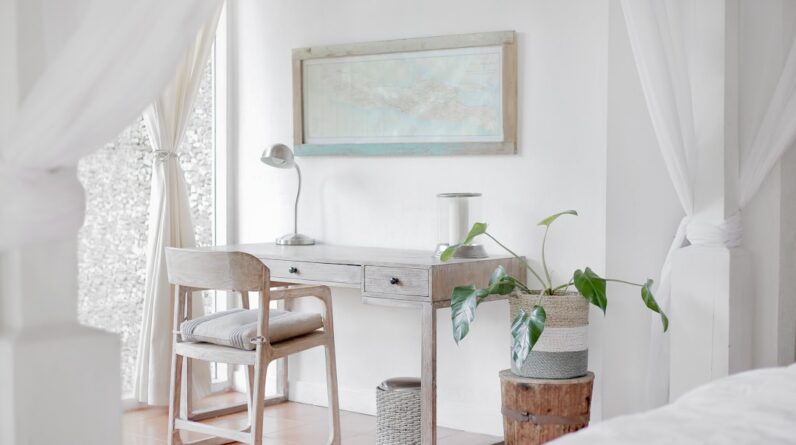
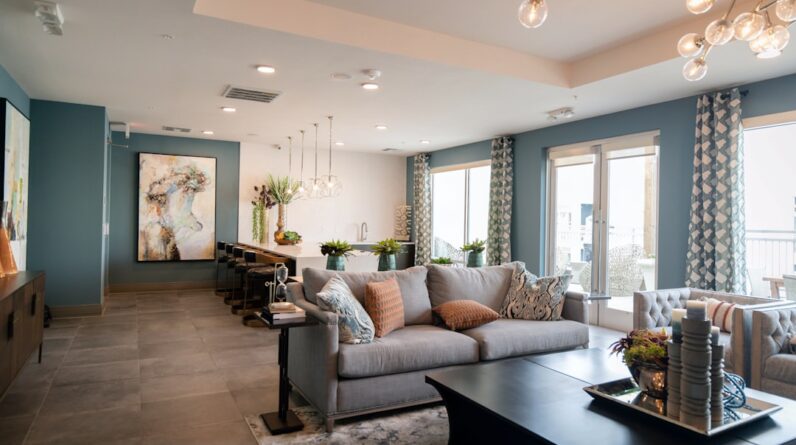
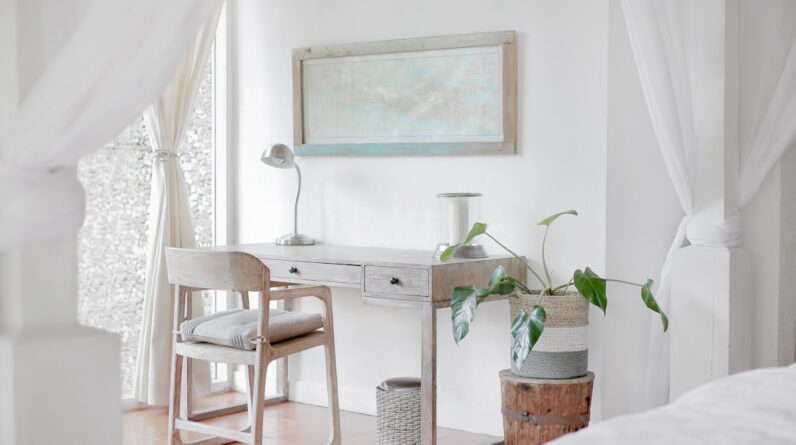
For instance, if you work from home, you might require a dedicated office area that minimizes distractions and fosters productivity. On the other hand, if you enjoy entertaining guests, an open-concept living area that encourages social interaction may be more suitable. By taking the time to assess your lifestyle, you can identify specific requirements such as the need for quiet zones, communal spaces, or areas for hobbies and activities.
This thoughtful approach ensures that your home not only meets your practical needs but also enhances your overall quality of life.
Key Takeaways
- Different lifestyles require different design considerations
- Flexible and multi-functional spaces cater to diverse needs
- Natural light and ventilation contribute to a healthy living environment
- Adequate storage and organization are essential for a clutter-free space
- Balancing privacy and social interaction is key for a harmonious living environment
Creating Flexible and Multi-functional Spaces
In today’s fast-paced world, flexibility is key when it comes to home design. You may find that your needs change over time, whether due to a growing family, a new job, or shifting interests. Therefore, creating multi-functional spaces can significantly enhance the usability of your home.
Consider how each room can serve multiple purposes; for example, a guest bedroom can double as a home office or a playroom for children. To achieve this versatility, think about incorporating furniture that can be easily rearranged or transformed. A sofa bed can provide extra sleeping space for visitors while maintaining a cozy living area during the day.
Folding tables and stackable chairs can be stored away when not in use, allowing you to reclaim space for other activities. By designing with flexibility in mind, you ensure that your home can adapt to your evolving lifestyle without requiring constant renovations.
Incorporating Natural Light and Ventilation

Natural light and ventilation are crucial elements in creating a healthy and inviting living environment. You may not realize how much light affects your mood and well-being until you experience the difference between a dimly lit room and one filled with sunlight. Strategically placing windows, skylights, or glass doors can flood your space with natural light, making it feel more open and airy.
Ventilation is equally important for maintaining indoor air quality. You might consider incorporating operable windows or vents that allow fresh air to circulate throughout your home. This not only helps to reduce humidity and prevent mold growth but also creates a more comfortable atmosphere.
By prioritizing natural light and ventilation in your design, you can cultivate a space that feels vibrant and alive, enhancing both your physical and mental well-being.
Providing Adequate Storage and Organization
One of the most common challenges in any home is finding adequate storage solutions that keep your space organized and clutter-free. As you navigate through daily life, it’s easy for belongings to accumulate, leading to a chaotic environment that can affect your peace of mind. To combat this issue, consider integrating smart storage solutions into your design.
Think about utilizing vertical space with shelves or cabinets that reach up to the ceiling. This not only maximizes storage but also draws the eye upward, creating an illusion of height in smaller rooms. Additionally, built-in furniture such as benches with hidden compartments or ottomans that open up for storage can serve dual purposes while keeping your belongings neatly tucked away.
By prioritizing organization in your home design, you create an environment that promotes calmness and efficiency.
Balancing Privacy and Social Interaction
In any living space, striking the right balance between privacy and social interaction is essential for fostering a harmonious atmosphere. You may find that certain areas of your home require more privacy, such as bedrooms or bathrooms, while others benefit from an open layout that encourages connection among family members or guests. Understanding how to create this balance will enhance both comfort and functionality.
Consider using room dividers or curtains to create semi-private spaces within larger areas. This allows for social gatherings while still providing individuals with the option to retreat for some quiet time when needed. Additionally, thoughtful placement of furniture can help define spaces without completely closing them off.
By designing with both privacy and social interaction in mind, you ensure that your home caters to various needs and preferences.
Choosing Durable and Easy-to-Maintain Materials

When selecting materials for your home, durability and ease of maintenance should be at the forefront of your decision-making process. You want to create a space that not only looks beautiful but also stands the test of time against wear and tear from daily life. This is especially important if you have children or pets who may inadvertently cause damage.
Opting for materials such as hardwood floors or ceramic tiles can provide longevity while being relatively easy to clean. Additionally, consider fabrics that are stain-resistant or easy to wash for upholstery and curtains. By choosing durable materials, you reduce the need for frequent replacements or repairs, ultimately saving you time and money in the long run.
A well-thought-out selection of materials will contribute to a home that remains functional and aesthetically pleasing for years to come.
Incorporating Technology and Connectivity
In our increasingly digital world, incorporating technology into your home design is no longer optional; it’s essential for enhancing convenience and connectivity. You may find that smart home devices can significantly improve your quality of life by automating tasks such as lighting control, temperature regulation, and security monitoring. These technologies not only add comfort but also promote energy efficiency.
Consider integrating smart speakers or voice-activated assistants that allow you to control various aspects of your home with simple commands. Additionally, ensuring that your space is equipped with reliable Wi-Fi connectivity will enable seamless access to online resources and entertainment options. By embracing technology in your design, you create a modern living environment that caters to your lifestyle while keeping you connected to the world around you.
Considering Accessibility and Universal Design Principles
As you design your living space, it’s crucial to consider accessibility and universal design principles to ensure that everyone can navigate and enjoy your home comfortably. This is particularly important if you have family members or guests with mobility challenges or other disabilities. By incorporating these principles from the outset, you create an inclusive environment that accommodates all individuals.
Think about features such as wider doorways, zero-step entries, and lever-style door handles that make it easier for everyone to move around freely. Additionally, consider installing grab bars in bathrooms or using non-slip flooring materials to enhance safety. By prioritizing accessibility in your design choices, you not only create a welcoming atmosphere but also future-proof your home against potential changes in mobility needs over time.
In conclusion, designing a living space that meets the unique needs of different lifestyles requires careful consideration of various factors such as flexibility, natural light, storage solutions, privacy balance, material durability, technology integration, and accessibility principles. By taking the time to understand what works best for you and those who share your space, you can create a home that is not only functional but also reflects your personal style and enhances your overall quality of life.
FAQs
What are some important considerations when designing spaces for individuals with diverse lifestyle needs?
Some important considerations when designing spaces for individuals with diverse lifestyle needs include understanding the specific requirements of the individuals, creating flexible and adaptable spaces, incorporating elements that support their activities and interests, and ensuring accessibility and inclusivity.
How can designers understand the specific requirements of individuals with diverse lifestyle needs?
Designers can understand the specific requirements of individuals with diverse lifestyle needs by conducting thorough research, engaging in conversations with the individuals to understand their preferences and needs, and considering factors such as their daily routines, hobbies, and interests.
Why is it important to create flexible and adaptable spaces for individuals with diverse lifestyle needs?
Creating flexible and adaptable spaces for individuals with diverse lifestyle needs is important because it allows the spaces to accommodate changes in activities and preferences, provides the individuals with a sense of control over their environment, and ensures that the spaces can evolve along with the individuals’ needs.
What elements can be incorporated to support the activities and interests of individuals with diverse lifestyle needs?
Elements such as specialized equipment, designated areas for specific activities, ample storage for equipment and supplies, and customizable features that cater to the individuals’ preferences can be incorporated to support the activities and interests of individuals with diverse lifestyle needs.
How can designers ensure accessibility and inclusivity when designing spaces for individuals with diverse lifestyle needs?
Designers can ensure accessibility and inclusivity by incorporating universal design principles, providing multiple entry points and pathways within the space, considering the needs of individuals with disabilities, and creating a welcoming and inclusive environment for individuals with diverse backgrounds and abilities.