What Is Green Interior Design And Why Is It Important?
In the bustling world of design, you might have come across the term “Green Interior Design.” It’s a catchy phrase that has gained traction over recent years, much like eco-friendly alternatives in other industries. But what does it actually mean? As you delve into this world, you’ll discover how green interior design is not just a trend but a critical shift towards a sustainable future. You’ll learn about its fundamental principles and the interwoven tapestry of environmental responsibility, aesthetic appeal, and personal well-being.
Understanding Green Interior Design
At its core, green interior design focuses on creating spaces that are healthy, sustainable, and in harmony with the environment. It incorporates eco-friendly materials, energy-efficient systems, and sustainable practices that prioritize the well-being of both the people using the space and the planet itself. As you begin to embrace this approach, you’ll realize how purposeful decor choices can significantly impact your quality of life and that of the environment.
The Principles of Green Interior Design
As you step into the realm of green interior design, you’ll encounter several guiding principles that shape the process. You might find that simplicity, functionality, and mindfulness are the cornerstones of this design philosophy. It encourages you to consider not only the immediate aesthetic but also the long-term effects of your choices on your health and the environment.
-
Sustainable Materials: Opting for materials that are renewable, recycled, or minimally processed is key. Think bamboo flooring or recycled glass countertops.
-
Energy Efficiency: Incorporating efficient lighting, heating, and cooling systems can make a substantial difference in energy consumption. You’ll often see LED lighting as a popular choice.
-
Water Conservation: Installing fixtures that save water while maintaining functionality keeps both your bills and environmental impact in check.
-
Indoor Air Quality: Selecting low-VOC (Volatile Organic Compounds) paints and furnishings can drastically improve the air quality in your home, promoting better health for you and your loved ones.
The Role of Aesthetics in Green Design
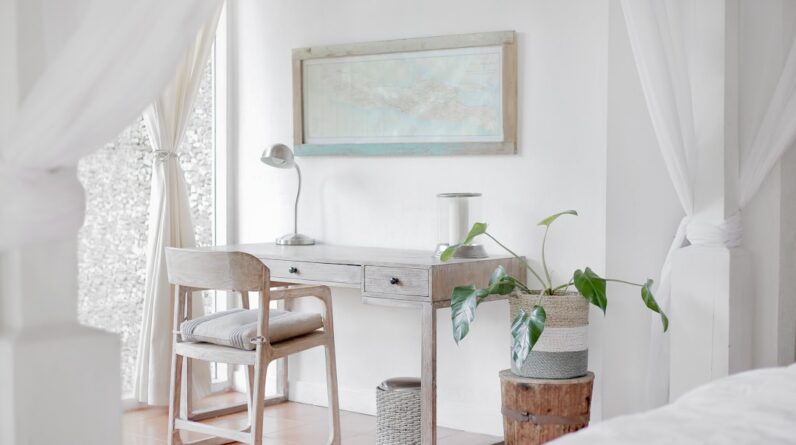
You may wonder how going green aligns with your personal style. The beauty of green interior design lies in its versatility—there’s a design language for everyone. The aesthetics don’t just take a backseat; they thrive in this sustainable approach. By using natural materials, neutral color palettes, and organic forms, you can create spaces that are both inviting and stylish.
In a world often dominated by technology, you can infuse warmth and character into your interiors through earthy tones and textures. From reclaimed wood accent walls to strategically placed indoor plants, you’ll find myriad ways to enhance your space while staying true to green principles.
The Importance of Green Interior Design
As you navigate through life, the importance of making conscious choices cannot be overstated. Understanding why green interior design is crucial allows you to appreciate its wider implications for health, the environment, and even the economy.
Health Benefits for You and Your Family
One of the most compelling reasons to embrace green interior design is the positive impact it has on your health. Often, conventional materials and furnishings hide harmful chemicals that can seep into your home. For example, toxic adhesives, fire retardants, and even common cleaning products can compromise indoor air quality.
By choosing eco-friendly options, you significantly reduce your exposure to these harmful substances. This simple shift can lead to improved respiratory health, a reduction in allergies, and an overall sense of well-being. As you curate your living space with care, free from health hazards, you’ll forge a sanctuary that nurtures you and your loved ones.
Environmental Considerations
You’re likely aware of the depletion of natural resources and the urgency of climate change. With this in mind, green interior design serves as a proactive solution. By selecting materials and practices that minimize environmental impact, you contribute to conserving our planet’s precious resources.
Choosing sustainably harvested materials, opting for energy-efficient appliances, and implementing recycling practices are just a few ways you can make a difference. In this context, sustainable design transcends individual homes and creates a ripple effect, encouraging others to follow suit. Each conscious choice brings you closer to the goal of a healthier planet.
Cost-Effectiveness and Economic Benefits
Although green interior design may seem like an initial investment, the long-term savings can be significant. You’re likely to notice reduced utility bills when you adopt energy-efficient practices. Over time, the savings from lower energy consumption can offset the upfront costs of sustainable products.
Moreover, as green design gains popularity, a new market has blossomed around it. The demand for eco-friendly products and services has led to a boom in job creation within the green economy. By supporting sustainable practices, you’re not just investing in your home but also contributing to a more resilient and engaging economy.
Enhancing Your Lifestyle
When you think about your living space, consider the emotional impact of your surroundings. Green interior design isn’t merely about aesthetics—it’s about creating an environment that positively influences your mood and well-being. Natural light, biophilic elements, and open spaces can invigorate your mind and spirit.
As you surround yourself with eco-friendly elements and harmonious designs, you cultivate a space that resonates with you. This is your sanctuary, a reflection of your values and aspirations, and the joy derived from such spaces can lead to a more fulfilled, balanced life.

The Elements of Green Interior Design
To embark on your green interior design journey, you’ll want to familiarize yourself with some essential elements that can help transform your space. Understanding these aspects empowers you to make informed choices that align with your vision.
Biophilic Design
Biophilic design revolves around the connection between humans and nature. You might notice this approach integrating natural elements such as plants, water, and natural light into interiors. Incorporating living walls, indoor gardens, or strategically placed windows promotes a sense of tranquility and well-being.
The incorporation of natural elements not only enhances visual appeal but also aligns with health benefits, as exposure to greenery can reduce stress and promote mental clarity. As you weave biophilic design into your home, the result is an energizing atmosphere that nurtures your spirit.
Sustainable Materials
Selecting sustainable materials is a fundamental aspect of green interior design. In this pursuit, you can explore options such as reclaimed wood, recycled metals, and organic textiles to create a unique and eco-conscious space. When you choose materials derived from renewable resources, you actively participate in preserving the environment.
Consider investing in furniture made from reclaimed wood, which not only adds character but also reduces the demand for newly harvested timber. Your choices influence not just aesthetics but also contribute to a more sustainable lifecycle for products.
Energy-Efficient Features
Implementing energy-efficient features in your design plays a vital role in promoting sustainability. You can start with LED lighting, which uses significantly less energy than traditional bulbs. Additionally, consider energy-efficient appliances that minimize electricity consumption, saving you money in the long run.
Investing in smart home technology allows you to monitor and control energy usage with precision. Imagine adjusting your thermostat, lighting, and even window coverings with just a tap on your smartphone. These features not only enhance convenience but also align with your eco-conscious lifestyle.
Color Palette Inspiration
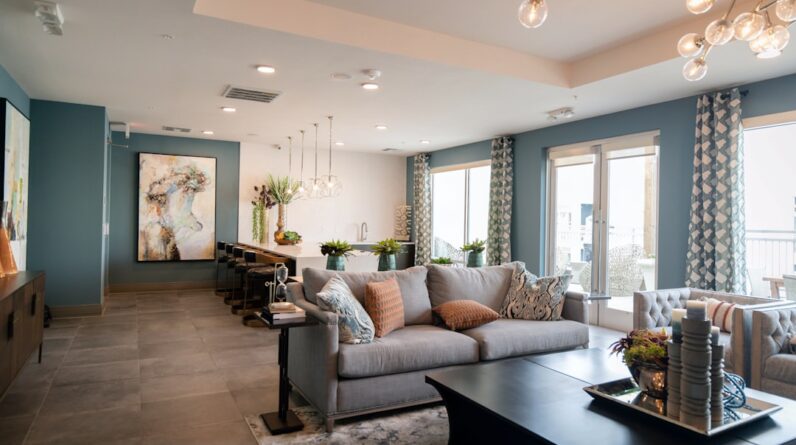
You might be surprised to learn how color plays a considerable role in green interior design. Certain colors can evoke feelings of tranquility and promote mental clarity. Soft hues, such as greens and blues, often have a calming effect, creating a peaceful environment.
Furthermore, opting for low-VOC paints when refreshing your walls means you can indulge in creative expression without jeopardizing your health. As you choose your color palette, think about how it reflects your personality while enhancing the overall ambiance of your space.
Designing Green Spaces: Tips to Get Started
As you consider embarking on your green design journey, some practical tips can help guide you down this path. You may feel excited to make changes but unsure where to begin. Here are some straightforward suggestions to kickstart your green interior design endeavor.
Assess Your Current Space
Before diving into new purchases, take a good look at your existing space. Identify areas where you can improve energy efficiency and enhance air quality. This assessment will serve as the foundation of your design choices and guide you towards thoughtful investments.
Prioritize Natural Light
One of the simplest yet most impactful ways to enhance your space is by maximizing natural light. You can do this by removing heavy draperies and opting for lighter fabrics, or even rearranging furniture to allow sunlight to illuminate your rooms. Natural light not only brightens spaces but also positively impacts your mood.
Incorporate Indoor Plants
Bringing nature indoors has multifaceted benefits. Indoor plants can purify the air, adding freshness and vibrancy to your home. Choose low-maintenance varieties such as snake plants or pothos, which thrive even in limited light. You’ll find that your living space feels more alive and energizing with plants adorning your corners.
Invest in Quality over Quantity
When it comes to furniture and decor, opt for quality items that will stand the test of time instead of fast, disposable options. Sustainable furniture often features durable materials that require less replacement, which means a lower ecological footprint. Plus, well-made pieces can bring elegance and character to your space.
Embrace Minimalism
Embracing a minimalist aesthetic doesn’t just align with green principles; it can simplify your life. By curating your belongings and keeping only what you truly love, you’ll create a serene environment that fosters mindfulness. Minimalism encourages you to appreciate the beauty of simplicity, which resonates well with green design philosophy.

Challenges in Green Interior Design
Despite the many benefits, challenges may arise as you navigate green interior design. Understanding these hurdles can empower you to overcome them, ensuring that your journey is both fulfilling and effective.
Higher Initial Costs
You might find that sustainably sourced materials and products come with a higher initial price tag. While this may be discouraging, consider the long-term savings—a reduced ecological footprint, lower energy bills, and an overall healthier living environment can make the initial investment worthwhile.
Limited Availability
Depending on where you live, you may encounter challenges finding eco-friendly products. However, online shopping has opened countless doors, allowing you to source sustainable items from various vendors. As you seek specific materials or brands, be proactive in researching suppliers committed to green practices.
Misconceptions About Green Design
Many people still harbor misconceptions about green design being bland or uninviting. You can challenge these stereotypes by showcasing innovative ideas, aesthetic appeal, and flexibility within green design. Share your experiences, using word-of-mouth and social media to inspire others to appreciate the beauty of sustainable design.
The Future of Green Interior Design
As you reflect on the trends shaping the future of interior design, you’ll find that sustainability is becoming a primary focus. More companies are prioritizing environmentally friendly practices, which means a growing array of options for you to choose from.
Innovations in Technology
Emerging technologies are revolutionizing the construction and design industries. From smart building materials to advanced energy systems, you can look forward to defining features that enhance your eco-friendly lifestyle. Embracing these innovations can create a more efficient and sustainable home.
Increased Awareness and Education
The conversation surrounding sustainability is steadily permeating society. As awareness spreads, individuals like you are empowered to make informed decisions. Educational initiatives geared towards sustainable design will further encourage people to embrace eco-friendly choices.
Global Impact
As more individuals choose green interior design, the collective impact can be monumental. Imagine a world where homes and offices are designed with sustainability at their core. As you participate in this movement, you contribute to a healthier planet for generations to come.
Conclusion
Green interior design is an invitation to engage with your living space on a deeper level. It calls you to make choices not just for aesthetic appeal but for health, sustainability, and life enhancement. By embracing green principles, you not only elevate your environment but also promote a sustainable lifestyle that aligns with your values.
As you venture down this path, remember that the journey is unique to you. Small changes can yield powerful outcomes, and your commitment to green design inspires others in your community. Engage with your surroundings, revel in the beauty of nature, and enjoy the rewards of creating a harmonious, sustainable space that reflects who you are.
If you found this article helpful, please clap, leave a comment, and subscribe to my Medium newsletter for updates on future content. Your thoughts and support truly matter!