


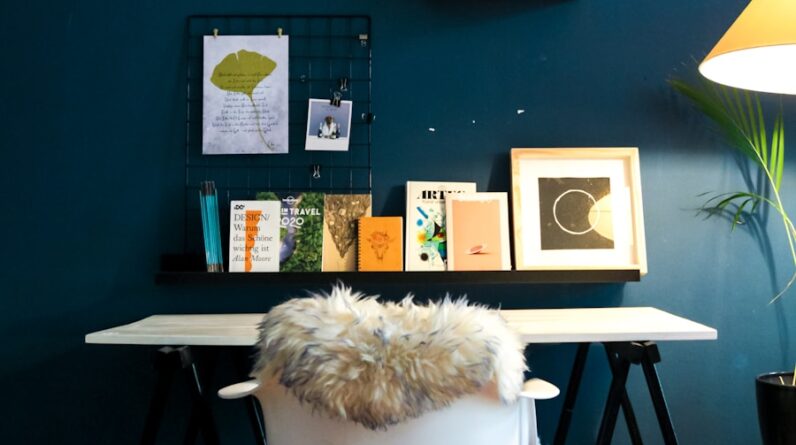
When you think about color, it’s easy to overlook its profound impact on your emotions and behaviors. The psychology of color delves into how different hues can evoke specific feelings and reactions. For instance, warm colors like red and orange can stimulate energy and excitement, while cooler shades such as blue and green often promote calmness and tranquility.
As you embark on your journey to choose the perfect color for your space, it’s essential to consider how these colors resonate with you personally and how they might influence the atmosphere of the room. Moreover, the cultural context of color cannot be ignored. Different cultures may interpret colors in unique ways, which can affect how you perceive them in your own environment.
For example, while white is often associated with purity and peace in Western cultures, it can symbolize mourning in some Eastern traditions. As you explore your options, take a moment to reflect on your own experiences and associations with various colors. This introspection will help you make informed choices that align with your personal style and the mood you wish to create.
Key Takeaways
- Understanding the psychology of color can help in choosing the right color for a room, as different colors can evoke different emotions and moods.
- Consider the function of the room when choosing a color scheme, as different rooms may require different atmospheres and energy levels.
- Assess the natural lighting in the room, as it can affect how colors appear and influence the overall ambiance.
- When choosing a color scheme, consider the overall aesthetic of the space and how the colors will complement the existing decor and furniture.
- Using accent colors can add depth and interest to a room, but it’s important to use them sparingly to avoid overwhelming the space.
- Testing paint samples on the walls can help visualize how the colors will look in different lighting conditions and against different furnishings.
- Considering the overall aesthetic of the space is important, as the color scheme should harmonize with the style and mood of the room.
- Seeking professional advice from interior designers or color consultants can provide valuable insights and guidance in choosing the perfect color scheme for a room.
Consider the Function of the Room
Creating a Sanctuary: Bedrooms and Relaxation
A bedroom is typically a sanctuary for rest and relaxation, so soft, muted tones like pastels or neutrals may be ideal. These calming colors can help create a peaceful atmosphere, perfect for unwinding after a long day.
Boosting Productivity: Home Offices and Focus
On the other hand, a home office might benefit from invigorating colors that promote focus and productivity, such as bright yellows or greens. These energizing colors can help stimulate your mind and increase your motivation to tackle tasks.
Setting the Mood: Living Rooms and Bathrooms
As you evaluate each room, think about how you want to feel while using that space. If it’s a gathering area like a living room, you might want to create an inviting atmosphere with warm tones that encourage conversation and connection. Conversely, if it’s a bathroom, you may prefer cooler shades that evoke cleanliness and serenity. By aligning your color choices with the intended function of each room, you can create an environment that not only looks good but also feels right for its purpose.
Assessing the Natural Lighting

Natural light is one of the most significant factors influencing how colors appear in your space. The amount and quality of light that enters a room can dramatically alter the perception of color throughout the day. For example, a bright, sunlit room may make colors appear more vibrant and saturated, while a dimly lit space can wash out hues, making them look duller than intended.
As you consider your color options, take note of how natural light interacts with your chosen shades at different times of the day. To assess natural lighting effectively, spend some time observing how light moves through your space. Pay attention to how shadows shift and how colors change as the sun rises and sets.
If your room receives ample sunlight, you might feel more confident choosing bolder colors that can stand up to the brightness. Conversely, if your space is on the darker side, lighter shades can help create an illusion of openness and brightness. By understanding the interplay between color and natural light, you can make more informed decisions that enhance the overall ambiance of your home.
Choosing a Color Scheme
Once you have a grasp on the psychology of color, the function of each room, and the effects of natural lighting, it’s time to dive into selecting a cohesive color scheme. A well-thought-out color scheme can unify your home’s aesthetic while allowing for individual expression in each space. Start by considering a base color that resonates with you; this will serve as the foundation for your palette.
From there, you can build upon it by selecting complementary or contrasting colors that enhance its appeal. When choosing a color scheme, think about how different shades work together harmoniously. You might opt for an analogous scheme, which uses colors that are next to each other on the color wheel for a serene effect, or a complementary scheme that pairs opposite colors for a more dynamic look.
Additionally, consider incorporating neutral tones to balance out bolder hues and provide visual relief. By carefully curating your color scheme, you can create a cohesive flow throughout your home that reflects your personality while maintaining visual interest.
Using Accent Colors
Accent colors are an excellent way to add depth and character to your space without overwhelming it. These are typically bolder or more vibrant shades that contrast with your primary color scheme and can be used strategically to draw attention to specific areas or features within a room. For instance, if you have chosen a soft gray for your living room walls, adding bright yellow throw pillows or a deep blue piece of artwork can create focal points that enliven the space.
When selecting accent colors, consider how they relate to both your primary palette and the overall mood you wish to convey. You might choose colors that evoke certain emotions or reflect personal interests—perhaps a favorite hue from a cherished piece of art or decor. Additionally, think about where these accents will be placed; they can be introduced through furniture, textiles, or decorative items.
By thoughtfully incorporating accent colors into your design, you can create visual intrigue while maintaining harmony within your overall color scheme.
Testing Paint Samples

Before committing to a particular color for your walls, it’s crucial to test paint samples in your actual space. Paint can look drastically different on a small swatch compared to an entire wall due to factors like lighting and surrounding decor. Purchase sample pots of your chosen colors and apply them to sections of the wall to see how they interact with the room’s lighting throughout the day.
As you test these samples, observe how each color makes you feel in the context of the room’s function and design elements. Take note of any changes in perception as natural light shifts; this will help you gauge whether a color truly resonates with you over time. Don’t hesitate to experiment with multiple shades before making a final decision—this process is essential for ensuring that you love the outcome once the paint is dry.
Considering the Overall Aesthetic
Your home is an extension of who you are, so it’s important to consider how your chosen colors align with your overall aesthetic vision. Whether your style leans toward modern minimalism, rustic charm, or eclectic bohemian vibes, the colors you select should complement this vision rather than clash with it. Take some time to reflect on existing decor elements—furniture pieces, artwork, and textiles—and think about how new colors will fit into this established narrative.
Additionally, consider how different rooms relate to one another within your home’s overall aesthetic. While each space can have its unique character through color choices, maintaining some level of cohesion will create a sense of flow throughout your home. This doesn’t mean every room must be painted in identical shades; rather, aim for a harmonious balance where colors complement one another across spaces.
Seeking Professional Advice
If navigating the world of color feels overwhelming or if you’re unsure about making bold choices on your own, seeking professional advice can be incredibly beneficial. Interior designers and color consultants possess expertise in understanding how colors interact within spaces and can provide valuable insights tailored to your specific needs and preferences. They can help you refine your vision by suggesting palettes that align with both your style and functional requirements.
Working with a professional also allows for collaboration; they can guide you through the decision-making process while respecting your personal tastes. Whether it’s selecting paint colors or advising on furniture placement and decor choices, their experience can help streamline what might otherwise be an arduous task. Ultimately, enlisting professional help can lead to a beautifully curated space that reflects who you are while ensuring that every element works together seamlessly.
In conclusion, choosing the right colors for your home involves understanding their psychological impact, considering each room’s function and natural lighting conditions, and thoughtfully selecting a cohesive color scheme with accent hues. Testing paint samples is essential for ensuring satisfaction with your choices, while keeping in mind the overall aesthetic will help maintain harmony throughout your spaces. If needed, don’t hesitate to seek professional advice to guide you through this creative journey—after all, your home should be a true reflection of yourself!
FAQs
What factors should I consider when choosing paint colors for different rooms?
Consider the purpose of the room, the amount of natural light it receives, the size of the room, and the existing furniture and decor.
How can I use color psychology to enhance the mood and atmosphere of a room?
Color psychology suggests that certain colors can evoke specific emotions and moods. For example, blues and greens can create a calming and relaxing atmosphere, while yellows and oranges can create a more energetic and lively feel.
Are there any general guidelines for choosing paint colors for different rooms?
Lighter colors can make a room feel more spacious, while darker colors can create a cozy and intimate atmosphere. It’s also important to consider the overall color scheme of your home and how the colors of different rooms will flow together.
What are some popular paint colors for different rooms?
Popular paint colors for living rooms include warm neutrals like beige and light gray, while bedrooms often feature calming colors like soft blues and greens. Kitchens and dining rooms often incorporate bright and inviting colors like yellow or red.
Should I consider the current trends when choosing paint colors for different rooms?
While it’s important to consider your personal preferences and the overall style of your home, staying updated on current color trends can provide inspiration and ideas for choosing paint colors for different rooms.


