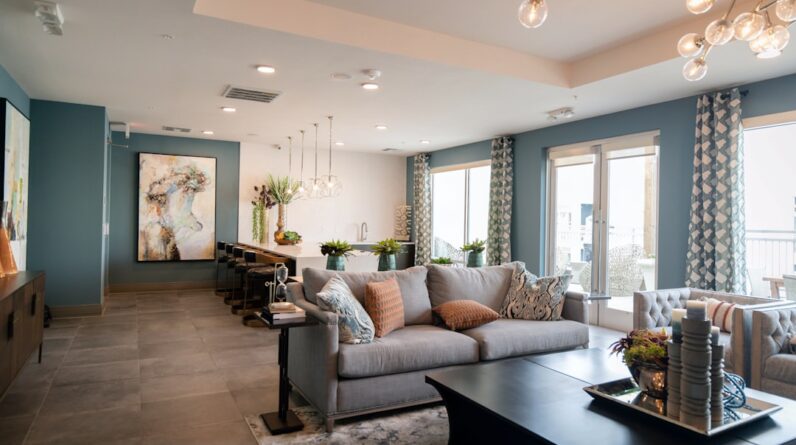
As you step into the future, the concept of smart and connected homes is becoming increasingly prevalent. Imagine a living space that not only accommodates your needs but anticipates them, creating an environment that enhances your lifestyle. Smart homes utilize advanced technology to integrate various devices and systems, allowing for seamless communication and control.
This transformation is not merely about convenience; it represents a significant shift in how you interact with your living space, making it more responsive and personalized. The rise of smart homes is driven by the rapid advancement of technology, particularly the Internet of Things (IoT). This interconnected network of devices enables you to control everything from lighting and heating to security systems and appliances through a single interface, often your smartphone.
As you embrace this new era, you will find that smart homes offer not only comfort but also efficiency and security, fundamentally changing the way you experience daily life.
Key Takeaways
- Smart and connected homes are revolutionizing the way we live by integrating technology into various aspects of home design.
- Technology is being seamlessly integrated into home design, from smart appliances to automated lighting and climate control systems.
- Automation and control systems are making it easier for homeowners to manage and monitor their homes remotely, enhancing convenience and efficiency.
- Energy efficiency and sustainability are key considerations in smart home design, with the use of smart thermostats and energy monitoring systems.
- Security and surveillance systems are becoming more advanced, offering homeowners peace of mind and the ability to monitor their homes from anywhere.
Integration of Technology in Home Design
In the realm of home design, the integration of technology has become a cornerstone of modern architecture. As you explore new homes or consider renovations, you will notice that technology is no longer an afterthought but a fundamental aspect of the design process. Architects and designers are increasingly incorporating smart technologies into their plans, ensuring that homes are not only aesthetically pleasing but also functional and efficient.
This integration goes beyond just installing gadgets; it involves creating a cohesive ecosystem where devices work together harmoniously. For instance, lighting systems can be designed to adjust automatically based on the time of day or occupancy, enhancing both energy efficiency and ambiance. As you navigate through these innovative designs, you will appreciate how technology can enhance the overall aesthetic while providing practical benefits that cater to your lifestyle.
Automation and Control Systems

Automation is at the heart of smart home technology, allowing you to control various aspects of your home with ease. Imagine arriving home after a long day to find that your lights have turned on, your thermostat has adjusted to your preferred temperature, and your favorite music is playing softly in the background. This level of convenience is made possible through sophisticated control systems that can be programmed to respond to your preferences and routines.
These systems often utilize voice recognition or mobile applications, giving you the power to manage your home from virtually anywhere. Whether you’re at work or on vacation, you can monitor and adjust settings in real-time, ensuring that your home remains comfortable and secure. As you delve deeper into automation, you’ll discover how these systems can learn from your habits, making adjustments that enhance your daily life without requiring constant input from you.
Energy Efficiency and Sustainability
In an age where environmental concerns are paramount, smart homes are leading the charge toward energy efficiency and sustainability. As you consider the impact of your living space on the planet, you’ll find that smart technologies can significantly reduce energy consumption. Smart thermostats, for example, learn your heating and cooling preferences and adjust accordingly, minimizing waste while maximizing comfort.
Moreover, many smart homes incorporate renewable energy sources such as solar panels, which can be monitored and controlled through smart systems. This integration not only reduces your carbon footprint but also lowers utility bills, making sustainable living more accessible than ever. As you embrace these technologies, you’ll feel empowered to make choices that benefit both your household and the environment.
Security and Surveillance
Security is a top priority for any homeowner, and smart technology has revolutionized how you protect your living space. With advanced surveillance systems and smart locks, you can monitor your home in real-time from anywhere in the world. Imagine receiving alerts on your smartphone when someone approaches your front door or being able to view live footage from security cameras while you’re away.
These systems often include features such as motion detection, facial recognition, and remote access control, providing you with peace of mind. You can even set up automated routines that lock doors or turn on lights at specific times to deter potential intruders. As you explore these security options, you’ll appreciate how technology can enhance your sense of safety while allowing for greater flexibility in managing your home.
Connectivity and Communication

In a smart home, connectivity is key. The ability for devices to communicate with one another creates a cohesive environment where everything works in harmony. As you navigate through this interconnected landscape, you’ll find that communication between devices enhances functionality and user experience.
For instance, your smart refrigerator can alert you when you’re running low on groceries while simultaneously communicating with your smart shopping app to create a shopping list. This level of connectivity extends beyond individual devices; it encompasses entire systems within your home. For example, your security system can communicate with your lighting system to create a well-lit path when you arrive home at night.
As you embrace this interconnectedness, you’ll discover how it simplifies daily tasks and enhances the overall efficiency of your living space.
User Experience and Convenience
At the core of smart home technology is the user experience. As you engage with these systems, you’ll notice how they are designed with convenience in mind. From intuitive interfaces to voice-activated controls, smart homes prioritize ease of use, allowing you to focus on what truly matters—enjoying your time at home.
The convenience offered by these technologies means that mundane tasks can be automated or simplified, freeing up time for more meaningful activities. Moreover, as these systems learn from your preferences and habits, they become increasingly tailored to your lifestyle. You may find that your morning routine becomes more efficient as lights gradually brighten to wake you up gently or as coffee brews automatically at a set time.
This personalized approach enhances not only convenience but also overall satisfaction with your living environment.
Future Trends and Innovations in Smart Home Design
As you look ahead to the future of smart home design, it’s clear that innovation will continue to shape this landscape. Emerging technologies such as artificial intelligence (AI) and machine learning are set to revolutionize how homes operate. Imagine a home that not only responds to your commands but also anticipates your needs based on past behavior—this is the promise of AI-driven smart homes.
Additionally, advancements in energy storage solutions will further enhance sustainability efforts by allowing homeowners to store excess energy generated from renewable sources for later use. As you consider these trends, you’ll realize that the future of smart homes holds immense potential for creating environments that are not only efficient but also deeply attuned to individual lifestyles. In conclusion, as you navigate the world of smart and connected homes, you’ll find that these innovations offer a wealth of benefits—from enhanced convenience and security to improved energy efficiency and sustainability.
Embracing this technology means stepping into a future where your living space is not just a place to reside but an integral part of your lifestyle that adapts to meet your needs. The journey into smart home living is just beginning, and the possibilities are endless as technology continues to evolve.
FAQs
What is the role of technology in creating smart and connected homes through design?
Technology plays a crucial role in creating smart and connected homes through design by enabling the integration of various devices and systems to automate and control functions such as lighting, heating, security, and entertainment.
How does technology contribute to the design of smart and connected homes?
Technology contributes to the design of smart and connected homes by providing solutions for connectivity, automation, and control through the use of smart devices, sensors, and communication protocols.
What are some examples of technology used in creating smart and connected homes?
Examples of technology used in creating smart and connected homes include smart thermostats, lighting systems, security cameras, voice assistants, smart appliances, and home automation hubs.
What are the benefits of incorporating technology into the design of smart and connected homes?
Incorporating technology into the design of smart and connected homes offers benefits such as increased convenience, energy efficiency, security, and customization of the living environment to meet the needs and preferences of the occupants.
How does technology impact the overall design and functionality of smart and connected homes?
Technology impacts the overall design and functionality of smart and connected homes by providing opportunities for seamless integration, remote access, and intelligent control of various systems and devices within the home environment.