In recent years, design technology has revolutionized the field of interior design, transforming how you approach and execute your projects. The integration of advanced software and tools has not only streamlined the design process but has also enhanced creativity and innovation. You can now visualize your ideas in real-time, allowing for a more dynamic and interactive design experience.
This shift has made it easier for you to communicate your vision to clients, ensuring that their expectations are met and often exceeded. Moreover, design technology has democratized access to high-quality design resources. With the rise of user-friendly applications and platforms, even those without formal training can engage in the design process.
You can experiment with layouts, colors, and materials at the click of a button, making interior design more accessible than ever before. This accessibility fosters a collaborative environment where clients can actively participate in the design journey, leading to more personalized and satisfying outcomes.
Key Takeaways
- Design technology has revolutionized interior design by allowing for more efficient and accurate design processes.
- The evolution of design technology in interior design has led to the development of advanced tools and software that enhance the design process.
- Using design technology in interior design offers advantages such as improved visualization, better communication with clients, and streamlined project management.
- Popular design technology tools for interior designers include CAD software, 3D modeling programs, and virtual reality applications.
- Integrating design technology with traditional interior design methods can result in a more comprehensive and effective design approach.
The Evolution of Design Technology in Interior Design
The journey of design technology in interior design has been remarkable, evolving from rudimentary tools to sophisticated software that shapes the industry today. In the early days, designers relied heavily on hand-drawn sketches and physical models to convey their ideas. While these methods allowed for creativity, they were often time-consuming and limited in scope.
As you look back, it’s clear that the introduction of computer-aided design (CAD) marked a significant turning point. CAD software enabled you to create precise digital representations of your designs, making it easier to modify and refine your concepts. As technology continued to advance, so did the tools available to you as an interior designer.
The emergence of 3D modeling software brought a new dimension to the design process, allowing you to visualize spaces in a more realistic manner. You could now create immersive environments that showcased how different elements would interact within a space. This evolution has not only improved efficiency but has also elevated the standard of design quality, enabling you to push the boundaries of creativity further than ever before.
Advantages of Using Design Technology in Interior Design
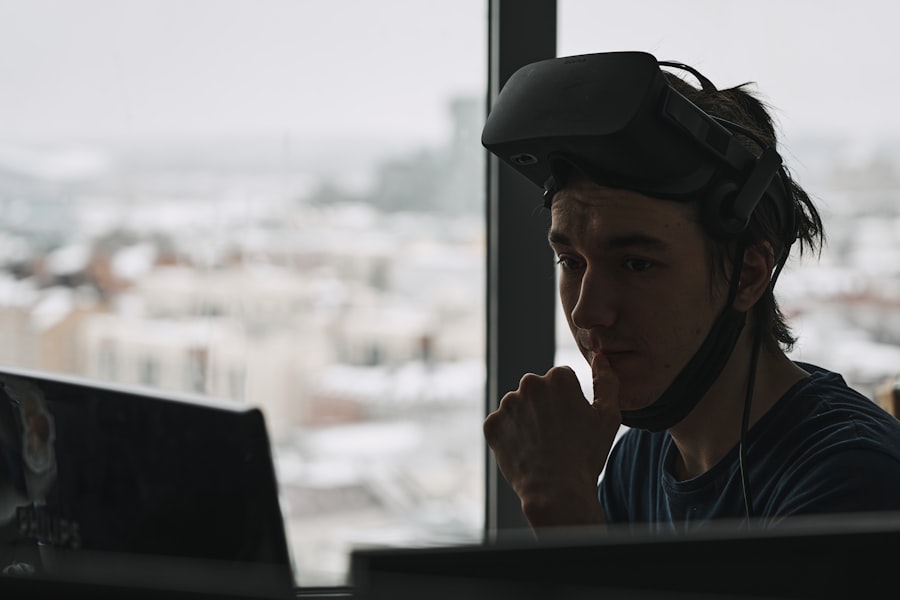
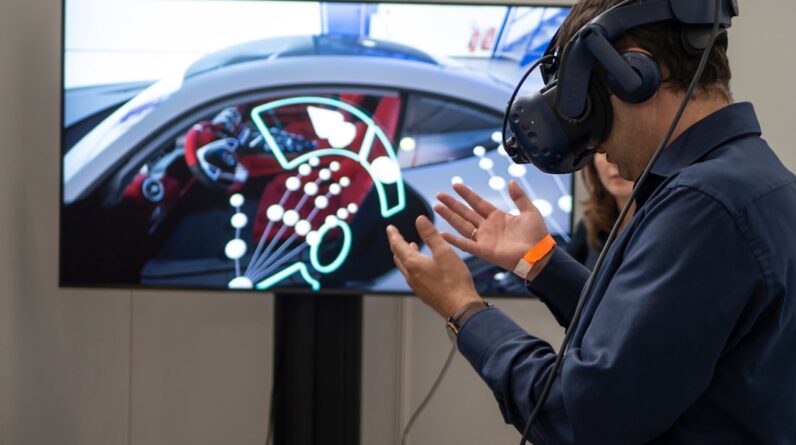
Utilizing design technology in your interior design projects offers numerous advantages that can significantly enhance your workflow and outcomes. One of the most notable benefits is the ability to visualize designs before implementation. With tools like virtual reality (VR) and augmented reality (AR), you can immerse yourself and your clients in a space that hasn’t yet been built.
This immersive experience allows for immediate feedback and adjustments, ensuring that the final product aligns closely with your vision. Additionally, design technology facilitates better collaboration among team members and clients. Cloud-based platforms enable you to share designs and updates in real-time, fostering open communication and collaboration.
You can easily gather input from clients or colleagues, making it simpler to incorporate their feedback into your designs. This collaborative approach not only enhances creativity but also builds trust and satisfaction among all parties involved.
Popular Design Technology Tools for Interior Designers
As an interior designer, you have access to a plethora of design technology tools that can elevate your projects. Software like SketchUp is widely used for its intuitive interface and powerful 3D modeling capabilities. It allows you to create detailed models quickly, making it an excellent choice for both beginners and seasoned professionals.
You can easily manipulate shapes, add textures, and visualize how different elements will work together in a space. Another popular tool is AutoCAD, which is essential for creating precise floor plans and technical drawings. Its robust features enable you to draft detailed designs that can be easily shared with contractors and builders.
Additionally, programs like Revit offer advanced capabilities for building information modeling (BIM), allowing you to manage every aspect of a project from conception to completion. By leveraging these tools, you can enhance your efficiency and deliver high-quality designs that meet your clients’ needs.
Integrating Design Technology with Traditional Interior Design Methods
While design technology offers numerous advantages, it’s essential to recognize the value of traditional interior design methods as well. Integrating both approaches can lead to a more holistic design process that combines the best of both worlds. For instance, you might start with hand-drawn sketches to brainstorm ideas before transitioning to digital tools for refinement and visualization.
This blend allows you to maintain the personal touch that comes with traditional methods while benefiting from the precision and efficiency of modern technology. Moreover, incorporating traditional techniques can enhance your creative process. You might find that sketching ideas by hand sparks inspiration that digital tools cannot replicate.
By balancing both methods, you can create a workflow that feels authentic to your style while still embracing the advancements that technology offers. This integration not only enriches your designs but also allows you to cater to a broader range of client preferences.
Design Technology Trends in Interior Design

As you navigate the world of interior design, staying informed about current trends in design technology is crucial for maintaining a competitive edge. One prominent trend is the increasing use of virtual reality (VR) and augmented reality (AR) in client presentations. These technologies allow you to create immersive experiences that enable clients to walk through their future spaces before any physical work begins.
This trend not only enhances client engagement but also helps in making informed decisions about design choices. Another trend gaining traction is the use of artificial intelligence (AI) in design processes. AI-powered tools can analyze vast amounts of data to generate design suggestions based on your preferences or current trends.
This capability allows you to explore new ideas and concepts that you may not have considered otherwise. By embracing these trends, you position yourself as a forward-thinking designer who is attuned to the evolving landscape of the industry.
Challenges and Limitations of Design Technology in Interior Design
Despite the many benefits that design technology brings to interior design, there are also challenges and limitations that you must navigate. One significant challenge is the learning curve associated with new software and tools. As technology continues to evolve rapidly, keeping up with the latest advancements can be overwhelming.
You may find yourself investing considerable time in training and familiarization before fully harnessing the potential of these tools. Additionally, there are concerns regarding the reliance on technology over traditional skills. While digital tools enhance efficiency, they may inadvertently lead to a decline in foundational skills such as hand-drawing or spatial awareness.
Striking a balance between leveraging technology and maintaining traditional skills is essential for ensuring that your designs remain innovative and grounded in solid principles.
The Future of Design Technology in Interior Design
Looking ahead, the future of design technology in interior design appears promising and full of potential. As advancements continue to unfold, you can expect even more sophisticated tools that enhance creativity and streamline workflows. The integration of AI will likely become more prevalent, enabling designers like you to automate routine tasks while focusing on higher-level creative decisions.
Moreover, sustainability will play an increasingly vital role in shaping design technology’s future. As environmental concerns grow, innovative tools will emerge that help you make more sustainable choices in materials and processes. By embracing these changes, you can position yourself as a leader in eco-friendly design practices while meeting the evolving demands of clients who prioritize sustainability.
In conclusion, the impact of design technology on interior design is profound and multifaceted. By understanding its evolution, advantages, popular tools, integration with traditional methods, trends, challenges, and future potential, you can navigate this dynamic landscape with confidence and creativity. Embracing both technology and traditional practices will empower you to create exceptional spaces that resonate with clients while pushing the boundaries of what is possible in interior design.
FAQs
What is interior design technology?
Interior design technology refers to the use of digital tools and software to create, visualize, and communicate design ideas for interior spaces. It includes a range of software applications and tools that help interior designers plan, design, and present their ideas to clients.
What are some examples of interior design technology tools?
Some examples of interior design technology tools include computer-aided design (CAD) software, 3D modeling software, virtual reality (VR) and augmented reality (AR) applications, rendering software, and project management tools. These tools help interior designers create floor plans, 3D models, and realistic visualizations of their designs.
How does interior design technology benefit interior designers?
Interior design technology streamlines the design process, allowing designers to create and iterate on designs more efficiently. It also helps designers communicate their ideas to clients and collaborators more effectively through realistic visualizations and virtual walkthroughs. Additionally, interior design technology can improve accuracy and precision in design documentation and project management.
What are the trends in interior design technology?
Some current trends in interior design technology include the use of virtual reality and augmented reality for immersive design experiences, the integration of artificial intelligence for design automation and optimization, and the development of cloud-based collaboration platforms for remote teamwork and client communication. Additionally, sustainable design and building information modeling (BIM) are becoming increasingly important in interior design technology.
How is interior design technology changing the industry?
Interior design technology is revolutionizing the industry by enabling designers to work more efficiently, collaborate with clients and colleagues remotely, and create more immersive and realistic design experiences. It is also driving innovation in sustainable design practices and opening up new possibilities for design automation and optimization.