How Can I Choose the Right Curtains for My Interior Design?
Choosing the right curtains for your interior design can feel like a daunting task, and you’re not alone in feeling that way! Indulging in good taste while ensuring that your curtains serve their practical purpose requires careful consideration. But don’t worry; this guide is designed to help you navigate the world of curtains with ease. By the end, you’ll have the confidence to select curtains that not only enhance your space aesthetically but also fulfill your specific needs.

Understanding Your Space
The first step in choosing the right curtains is to gain a clear understanding of your space. What is the overall theme or vibe of your room? Are you aiming for a cozy, intimate setting, or do you want a more open and airy atmosphere? Take a moment to look around and assess the strengths and weaknesses of your current decor. Pay attention to the colors, furnishings, and lighting in the room.
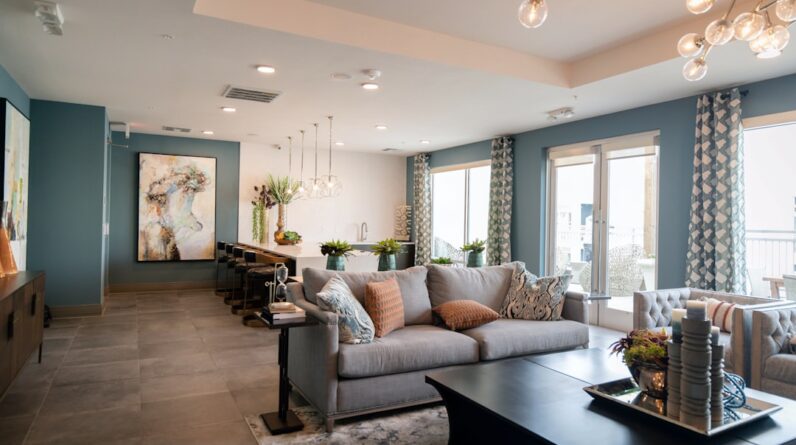
If you have vibrant walls and bold furniture, you might want to consider curtains that complement or contrast with those elements without overwhelming them. On the other hand, if your space has a more muted palette, curtains can be an excellent opportunity to introduce some color or texture. Understanding this backdrop is crucial, as it lays the groundwork for making more specific design decisions later on.
Functionality First
Curtains aren’t just about looks; their functionality shouldn’t be overlooked. Before making a decision, consider what you need your curtains to do. Do you require privacy, light control, insulation, or sound absorption?
For instance, if you live in a bustling area, blackout curtains may be your best bet for ensuring a peaceful night’s sleep. They filter outside light and noise while still being stylish. If you prefer a softer light and a breezier environment, sheer curtains might suit your needs better. Evaluating your functional requirements will lead you to designs that work perfectly for you and your home.
Choosing the Right Material
The material of the curtains is another crucial factor to consider. Different fabrics can dramatically alter the mood and functionality of your space. For example, heavy fabrics like velvet can create a luxurious atmosphere and help with insulation, but they might not be ideal for smaller rooms since they can feel a bit overwhelming.
Conversely, lightweight fabrics such as linen or cotton are great for letting natural light filter through, adding freshness to your space. Each fabric comes with its pros and cons, so think about how each would complement your existing decor and suit your lifestyle. Do you have pets or young children? You might want to avoid delicate fabrics that can easily get stained or torn.
Color Matters
Once you’ve settled on the material, the next consideration is the color of your curtains. Color plays a pivotal role in how the fabric interacts with the rest of your decor. If your room is bold and colorful, opt for neutral tones to balance the atmosphere. White, beige, or soft pastels can soften a vibrant space without competing for attention.
On the flip side, if your decor is more understated, you might use curtains as a focal point. Deep jewel tones, bright hues, or even bold patterns can add character and flair to a subdued room. Keep in mind that color can also affect the mood of a room; warmer tones like reds and oranges evoke energy, while blues and greens promote calm and serenity. Choose wisely based on how you want the space to feel.

Patterns and Textures
When thinking about patterns and textures, it’s essential to strike a balance that harmonizes with your existing decor. Patterns can add visual interest, but if not chosen carefully, they can clash with or overwhelm your space. Subtle prints or textures can provide a delightful layer to your room, while bold patterns may serve best as accents.
For a timeless design, consider stripes or geometric patterns. Floral or abstract prints can bring a contemporary touch, but they may require a more curated approach to blend seamlessly with your other decor elements. Play around with soft textures like lace or embroidery, which can add depth without being too overpowering.
Length and Height
The right length and height of your curtains can be a game changer for your space. Full-length curtains can create an illusion of height, making a room feel more expansive. If you have low ceilings, hanging curtains closer to the ceiling can draw the eye upwards, enhancing the overall aesthetic.
Generally, curtains should puddle slightly on the floor to create a sophisticated look. However, if you have pets that may snag them, or children who might be inclined to play tug-of-war, it’s wise to opt for a shorter length. If you’re looking for a casual vibe, curtains that just graze the floor can be a lovely choice too, providing a more relaxed atmosphere.
Hardware Selection
The type of curtain rod and hardware you choose can influence the overall style of your window treatment. Simple metal rods can lend a modern touch, while wooden rods offer a rustic or classic feel. Ring clips, finials, and tiebacks are details that will contribute to your overall aesthetic, so consider these elements carefully.
Make sure the hardware you select can support the weight of your chosen curtains, especially if you’re using heavier materials. You want to ensure that everything stays in place and continues to look stunning over time. Quality hardware can elevate your curtains from ordinary to extraordinary!
Layering and Functionality
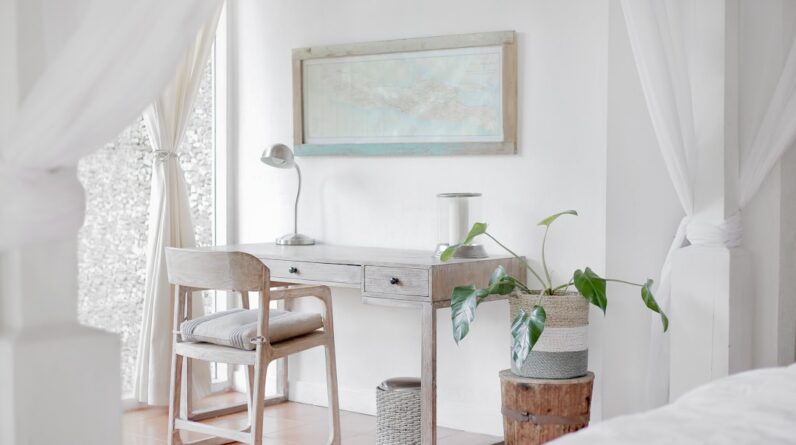
If you’re thinking about getting the most out of your window treatments, layering might be the answer! Mixing different curtain styles can add depth to your design and help control light and privacy. For instance, you might pair sheer curtains with heavier drapes. This strategy offers flexibility: the sheer fabric provides daylight and privacy during the day, while the heavier drapes can be pulled closed for cozy nights.
It’s important to not overload the space, so ensure that the layout is functional and does not look cluttered. This layered approach can also accentuate the textures and patterns of each curtain, enhancing visual interest in your home.
Maintenance and Care
One often overlooked aspect of curtain selection is maintenance. Some fabrics require more upkeep than others; delicate fabrics might need professional cleaning, while others can be easily washed at home. Consider how much time and effort you want to invest in maintaining your curtains.
If you lead a busy life, it may benefit you to select fabrics that are easy to care for. Fabrics that resist stains and can be machine washed will save you from the hassle of upkeep in the long run. Think of it as another one of those crucial decisions that can make or break your long-term satisfaction with your window treatments.
Using Curtains for Style Versatility
Curtains can be multi-functional elements that can entirely transform a room’s look depending on how you style them. One season you might want a cozy, layered aesthetic, while the next you may long for a lighter, breezier look. You can easily switch up your curtains to reflect these changes and keep your interior looking fresh and inviting.
Consider using inexpensive, seasonal fabrics or patterns that can easily be switched out without needing to repaint or redecorate your entire room. Using curtains as a way to pivot your style can save you money while still allowing you to enjoy a room that’s always in vogue.
Personalizing Your Curtains
While all these tips are great, remember that design is ultimately about you! Stay true to your personal aesthetic and select curtains that resonate with your tastes and lifestyle. Personal touches—like custom patterns or monogramming—can make a significant impact on how you feel in your space.
Incorporating personal elements allows for true self-expression and helps ensure that your space feels uniquely yours. Think about what makes you happy and incorporate those elements into your curtain selection.
Conclusion
Choosing the right curtains for your interior design isn’t just about decor; it’s an opportunity to express your style and enhance your living space. By understanding your environment, identifying your functional needs, and being mindful of material, color, length, and style, you can find curtains that not only look beautiful but also serve a practical purpose.
Trust your instincts, be open to experimentation, and don’t forget to have fun with it. Your space is a reflection of you, so make it as inviting and unique as you are!
If you’ve enjoyed this guide, I encourage you to clap for this article, leave a comment with your thoughts or questions, and subscribe to my Medium newsletter for updates. You’ll find inspiration, tips, and resources that will help you navigate your interior design journey with confidence!