When you embark on a design project, whether it’s for your home or a specific room, understanding the purpose of focal points is essential. A focal point serves as the anchor of your space, drawing the eye and providing a sense of direction. It can be a piece of art, a striking piece of furniture, or even a fireplace.
The key is that it captures attention and creates a visual hierarchy within the room. By establishing a focal point, you can guide the viewer’s gaze and create a more organized and harmonious environment. Moreover, focal points can evoke emotions and set the tone for the entire space.
For instance, a bold piece of artwork can inject energy and vibrancy into a room, while a serene landscape painting might promote calmness and relaxation. Understanding how to effectively use focal points allows you to communicate your personal style and the atmosphere you wish to create. As you consider your design, think about what you want to express and how a focal point can help convey that message.
Key Takeaways
- Focal points in design serve to draw attention and create visual interest in a space.
- When choosing a wall for your focal point, consider factors such as size, location, and existing architectural features.
- Accent walls can be used to create visual interest and highlight specific areas of a room.
- Incorporating wallpaper can add texture and pattern to a space, enhancing the overall design.
- Utilize paint techniques to highlight specific areas and create visual impact in your design.
Choosing the Right Wall for Your Focal Point
Selecting the right wall for your focal point is crucial in achieving a balanced design. Ideally, you want to choose a wall that is unobstructed and easily visible from various angles in the room. This could be the wall opposite the entrance or one that naturally draws attention due to its size or position.
By placing your focal point on a prominent wall, you ensure that it becomes an integral part of the room’s narrative. Additionally, consider the surrounding elements when choosing your wall. A wall with architectural features, such as a fireplace or built-in shelving, can enhance your focal point rather than detract from it.
Conversely, if the wall is cluttered with too many elements, it may compete with your focal point, causing confusion rather than clarity. Take time to assess your space and envision how different walls can serve as backdrops for your chosen focal point.
Using Accent Walls to Create Visual Interest

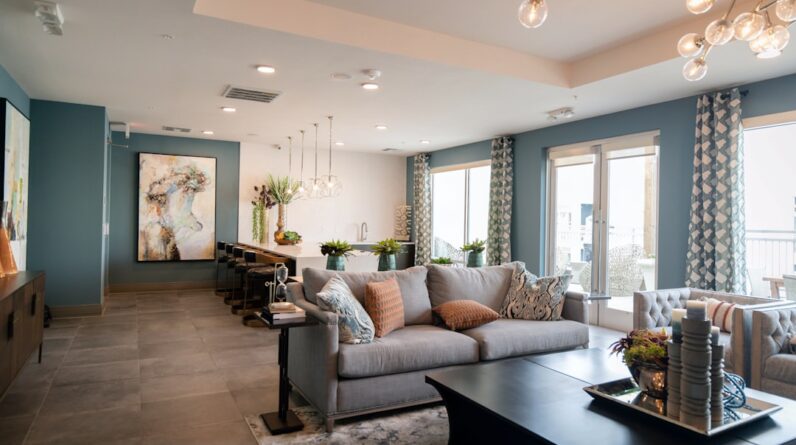
Accent walls are an effective way to create visual interest and emphasize your focal point. By painting one wall a different color or using a unique material, you can draw attention to that area of the room. This technique not only highlights your focal point but also adds depth and dimension to the overall design.
An accent wall can serve as a canvas for your creativity, allowing you to experiment with bold colors or textures that might be overwhelming if applied throughout the entire space. When designing an accent wall, consider how it interacts with the rest of the room. The color or material should complement your existing decor while still standing out as a distinct feature.
For example, if your focal point is a piece of artwork with warm tones, an accent wall in a rich burgundy or deep gold can enhance its vibrancy. Alternatively, if you prefer a more subdued approach, a soft gray or muted blue can provide a calming backdrop that allows your focal point to shine without overwhelming the senses.
Incorporating Wallpaper to Add Texture and Pattern
Wallpaper is another fantastic option for creating a striking focal point in your design. With an array of patterns and textures available, wallpaper can transform an ordinary wall into an extraordinary feature. Whether you opt for bold geometric designs or delicate florals, wallpaper adds depth and character to your space.
It can also serve as an excellent backdrop for artwork or decorative items, enhancing their visual appeal. When choosing wallpaper for your focal point, consider how it will interact with other elements in the room. A busy pattern may compete with other decor items, while a more subtle design can provide a sophisticated backdrop that allows your focal point to take center stage.
Additionally, think about the texture of the wallpaper; embossed or textured wallpaper can add an extra layer of interest and tactile appeal, making your focal point even more engaging.
Utilizing Paint Techniques to Highlight Specific Areas
Paint techniques offer another avenue for emphasizing your focal point and adding visual intrigue to your design. Techniques such as sponging, stenciling, or ombre effects can create unique finishes that draw attention to specific areas of the room. For instance, if you have a beautiful piece of furniture that you want to highlight, consider using a contrasting paint technique on the wall behind it to make it pop.
Moreover, paint techniques can also help define spaces within an open floor plan. By using different colors or techniques in various areas, you can create distinct zones while still maintaining an overall cohesive look. This approach not only enhances your focal point but also adds layers of interest throughout the space.
As you explore paint techniques, let your creativity flow and experiment with different styles until you find what resonates with your vision.
Selecting Colors and Patterns that Complement Your Overall Design
Creating a Harmonious Color Scheme
A well-thought-out color scheme can evoke specific emotions and set the mood for the entire space.
The Role of Patterns in Design
Patterns also play a significant role in enhancing your design. If your focal point features intricate patterns, consider using solid colors elsewhere to avoid overwhelming the space. Conversely, if you prefer a more subdued focal point, incorporating patterns in surrounding decor can add visual interest without detracting from the main feature.
Achieving Balance and Unity
Ultimately, aim for balance; each element should work together to create a unified aesthetic that reflects your personal style.
Incorporating Furniture and Decor to Enhance Your Focal Point
The furniture and decor you choose can significantly enhance your focal point and contribute to the overall design narrative. When selecting furniture pieces, consider their scale and how they relate to your focal point. A large piece of art may require more substantial furniture to create balance, while smaller decor items can complement a more delicate focal point without overshadowing it.
Additionally, think about how decor items can draw attention to your focal point. For example, strategically placing lighting fixtures near your focal point can highlight its features and create an inviting atmosphere. Similarly, using accessories such as vases or sculptures can frame your focal point and add layers of interest around it.
By thoughtfully incorporating furniture and decor, you can create a dynamic interplay between elements that enhances the overall impact of your design.
Tips for Maintaining Balance and Cohesion in Your Design
Achieving balance and cohesion in your design is essential for creating a harmonious space that feels inviting and well thought out. One effective way to maintain balance is by repeating colors or patterns throughout the room. This repetition creates visual connections between different elements and helps unify the overall design.
For instance, if your focal point features specific colors or patterns, consider incorporating those same hues in throw pillows or artwork elsewhere in the room. Another important aspect of maintaining cohesion is ensuring that all elements work together stylistically. If your focal point is modern and sleek, choose furniture and decor that align with that aesthetic rather than introducing contrasting styles that may clash.
Additionally, pay attention to scale; large pieces should be balanced with appropriately sized decor items to avoid overwhelming the space or making it feel disjointed. In conclusion, creating an effective focal point in your design involves careful consideration of various elements such as wall selection, color schemes, furniture choices, and decor accessories. By understanding the purpose of focal points and employing techniques like accent walls or wallpaper, you can craft spaces that are not only visually appealing but also reflective of your personal style.
Remember to maintain balance and cohesion throughout your design process; this will ensure that every element works harmoniously together to create an inviting atmosphere that draws people in and leaves a lasting impression.
FAQs
What is an accent wall?
An accent wall is a wall within a room that is painted or decorated differently from the other walls, in order to create a focal point or add visual interest to the space.
How can I use accent walls to create focal points in my design?
You can use accent walls to draw attention to a specific area of a room, such as a fireplace or a piece of furniture. By choosing a bold color or pattern for the accent wall, you can create a focal point that adds visual interest to the space.
What are some paint techniques I can use to create focal points?
Some paint techniques that can be used to create focal points include color blocking, ombre, and geometric patterns. These techniques can be used to add visual interest and draw attention to specific areas of a room.
How can wallpaper be used to create focal points in a design?
Wallpaper can be used to create focal points by adding texture, pattern, and color to a specific wall. By choosing a bold or unique wallpaper design, you can create a focal point that adds visual interest to the space.
What are some tips for using accent walls, wallpaper, or paint techniques effectively?
Some tips for using accent walls, wallpaper, or paint techniques effectively include considering the overall design of the room, choosing colors and patterns that complement the existing decor, and using these techniques to highlight architectural features or create visual balance within the space.