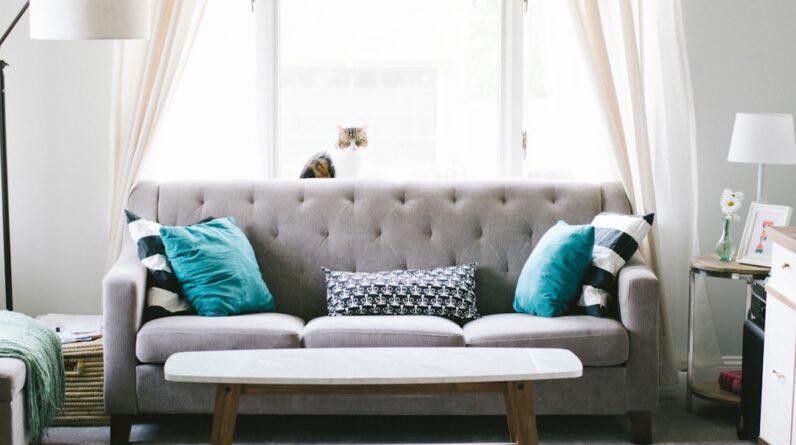
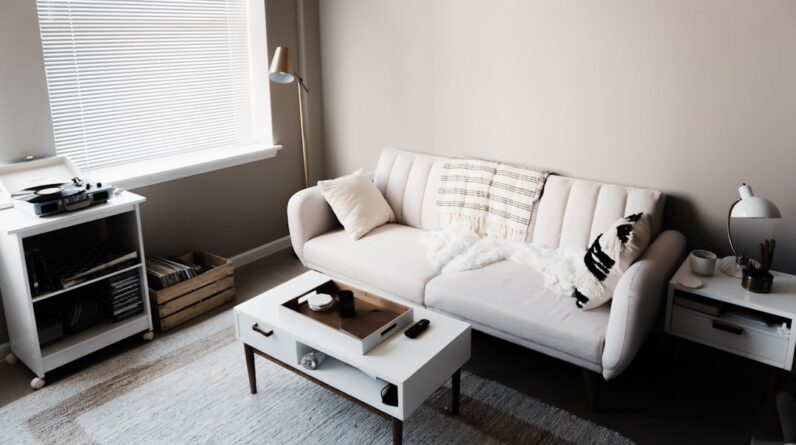
When it comes to optimizing your living space, maximizing storage solutions is paramount. You may find that clutter can quickly accumulate, making your home feel cramped and disorganized. To combat this, consider investing in furniture that doubles as storage.
For instance, ottomans with hidden compartments or coffee tables with shelves can provide you with extra space to stow away items while maintaining a clean aesthetic. Additionally, think about utilizing under-bed storage. This often-overlooked area can be a treasure trove for seasonal clothing, shoes, or even extra linens, allowing you to keep your living areas free from unnecessary items.
Another effective strategy is to implement built-in shelving or cabinetry. These custom solutions can be tailored to fit your specific needs and the dimensions of your space. By integrating shelves into walls or creating alcoves for books and decorative items, you not only enhance the functionality of your home but also add a unique design element.
You might also consider using decorative baskets or bins on open shelves to keep smaller items organized while adding a touch of style. By being intentional about your storage solutions, you can create a more serene and spacious environment that feels both inviting and practical.
Key Takeaways
- Utilize storage solutions such as under-bed storage, hanging organizers, and built-in shelves to maximize space in small areas.
- Choose multi-functional furniture such as a sofa bed, a coffee table with storage, or a dining table that can be extended for extra seating.
- Utilize vertical space by installing tall shelves, hanging plants, or using wall-mounted hooks for storage.
- Create illusions of space by using mirrors to reflect light, choosing furniture with exposed legs, and using light-colored paint to make the room feel larger.
- Embrace minimalism by decluttering and only keeping essential items, choosing furniture with clean lines, and using a neutral color palette.
- Incorporate natural light by using sheer curtains, placing mirrors strategically to reflect light, and keeping windows unobstructed.
- Choose a light and airy color palette to make the space feel open and inviting, and consider using pops of color sparingly for visual interest.
- Incorporate smart technology such as smart thermostats, lighting, and security systems to maximize convenience and efficiency in the space.
Multi-Functional Furniture
Transforming Your Living Room
You may find that a sofa bed is an excellent investment if you frequently host guests. This versatile piece allows you to transform your living room into a guest room in an instant, providing comfort without sacrificing style.
Flexible Furniture for Entertaining
Similarly, consider dining tables that can expand or fold down when not in use. This flexibility ensures that you have ample space for entertaining while keeping your home feeling open and airy.
Maximizing Functionality
Look for furniture that serves more than one purpose. A desk that doubles as a dining table or a bench that can be used for seating and storage can significantly enhance the functionality of your space. By choosing pieces that adapt to your lifestyle, you can create a home that is not only stylish but also practical. As you explore options, think about how each piece can serve multiple roles in your daily life, allowing you to make the most of every square foot.
Utilizing Vertical Space
When floor space is at a premium, utilizing vertical space becomes essential. You might consider installing tall bookshelves that draw the eye upward, creating an illusion of height in the room. This not only provides ample storage for books and decorative items but also adds visual interest to your walls.
Wall-mounted shelves are another fantastic option; they can be arranged in various configurations to suit your style while keeping the floor clear. Additionally, think about incorporating hooks or pegboards for hanging items like bags, hats, or kitchen utensils. This approach not only frees up counter and table space but also adds an element of creativity to your decor.
By taking advantage of vertical space, you can create a more organized and visually appealing environment that feels larger than it is. As you plan your layout, remember that the sky is the limit—literally!
Creating Illusions of Space
Creating illusions of space is an art form that can dramatically change how you perceive your home. One effective technique is to use mirrors strategically throughout your living areas. A large mirror can reflect light and create the illusion of depth, making a small room feel more expansive.
You might place a mirror opposite a window to maximize natural light or use mirrored furniture to add a touch of glamour while enhancing the sense of openness. Another way to create an illusion of space is through the use of transparent materials. Glass tables or acrylic chairs can provide functionality without visually weighing down a room.
These materials allow light to flow freely, contributing to an airy atmosphere. Additionally, consider using area rugs to define spaces within an open floor plan; this can help delineate different areas while maintaining an overall sense of flow. By employing these techniques, you can transform even the coziest of spaces into an inviting haven.
Embracing Minimalism
Embracing minimalism is not just a design trend; it’s a lifestyle choice that can lead to greater peace and clarity in your home. You may find that by reducing the number of items in your living space, you create a more serene environment that promotes relaxation and focus. Start by decluttering—evaluate each item and ask yourself if it truly serves a purpose or brings you joy.
This process can be liberating and will help you identify what is essential in your life. Once you’ve decluttered, focus on quality over quantity when it comes to decor and furnishings. Choose pieces that resonate with you personally and contribute positively to your environment.
A few well-chosen items can make a more significant impact than an abundance of decor that feels disjointed or overwhelming. By adopting a minimalist approach, you not only simplify your surroundings but also cultivate a sense of mindfulness in your daily life.
Incorporating Natural Light
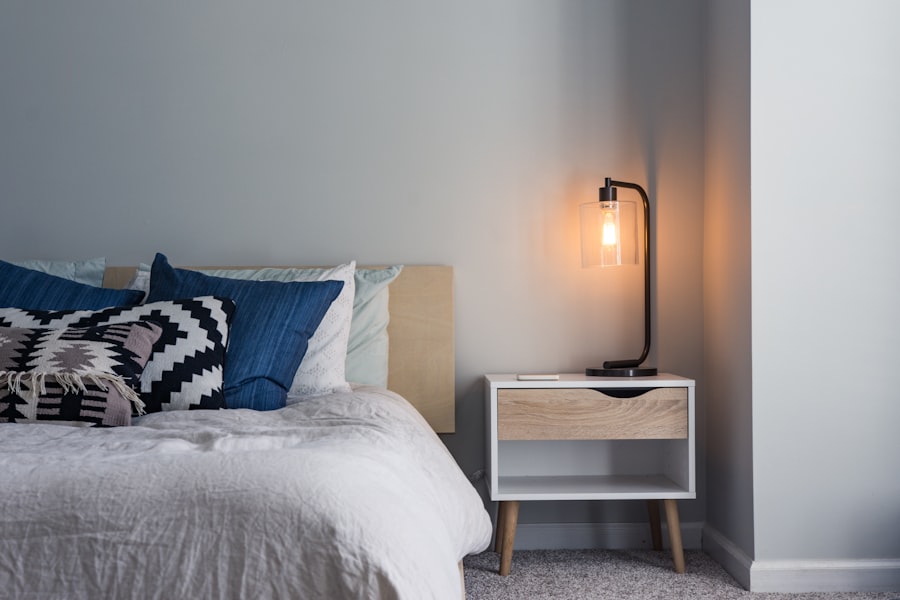
Natural light has the power to transform any space, making it feel more open and inviting. You may want to consider window treatments that allow for maximum light penetration while still providing privacy when needed. Sheer curtains or blinds that can be easily adjusted are excellent options for achieving this balance.
Additionally, think about strategically placing mirrors across from windows to reflect light deeper into the room. If possible, consider making structural changes to enhance natural light flow. This could involve enlarging windows or even adding skylights if you’re looking for a more significant renovation project.
The benefits of natural light extend beyond aesthetics; it can improve mood and overall well-being, making your home feel like a sanctuary. By prioritizing natural light in your design choices, you create an uplifting atmosphere that enhances both functionality and comfort.
Choosing the Right Color Palette
The color palette you choose for your home plays a crucial role in how spacious it feels. Lighter colors tend to reflect light better than darker shades, creating an illusion of openness. You might opt for soft whites, pale grays, or muted pastels as your primary colors to achieve this effect.
These hues can make rooms feel airy and expansive while providing a neutral backdrop for bolder accents. However, don’t shy away from incorporating darker colors entirely; they can add depth and sophistication when used thoughtfully. Consider using darker shades on an accent wall or in smaller spaces where they won’t overwhelm the senses.
The key is balance—pairing darker tones with lighter elements can create visual interest without sacrificing the feeling of spaciousness. As you select your color palette, think about how each shade interacts with light and space to create the desired atmosphere in your home.
Incorporating Smart Technology
Incorporating smart technology into your home design can significantly enhance both functionality and convenience. Smart home devices allow you to control lighting, temperature, and even security systems from your smartphone or voice-activated assistants. This level of control not only streamlines daily tasks but also contributes to energy efficiency—an essential consideration in today’s eco-conscious world.
Moreover, smart technology can help you maximize space by integrating systems that work seamlessly together. For instance, smart lighting can adjust based on the time of day or occupancy, ensuring that every corner of your home is well-lit without wasting energy. Additionally, consider smart furniture options like adjustable desks or modular seating that adapt to your needs throughout the day.
By embracing smart technology, you create a modern living environment that enhances comfort while promoting efficiency. In conclusion, optimizing your living space involves a combination of thoughtful design choices and practical solutions. By maximizing storage, embracing multi-functional furniture, utilizing vertical space, creating illusions of space, adopting minimalism, incorporating natural light, choosing the right color palette, and integrating smart technology, you can transform your home into a sanctuary that reflects your lifestyle and enhances your well-being.
Each decision contributes to a harmonious environment where functionality meets style, allowing you to enjoy every moment spent within its walls.
FAQs
What is modern interior design for compact homes?
Modern interior design for compact homes focuses on maximizing space and functionality while maintaining a stylish and contemporary aesthetic. It often involves clever storage solutions, multi-functional furniture, and a minimalist approach to decor.
What are some key principles of modern interior design for compact homes?
Key principles of modern interior design for compact homes include utilizing light colors to create a sense of openness, incorporating multi-purpose furniture to save space, and using strategic lighting to enhance the perception of space.
What are some popular design elements in modern interior design for compact homes?
Popular design elements in modern interior design for compact homes include open shelving, built-in storage solutions, modular furniture, and the use of mirrors to create the illusion of a larger space.
How can I make the most of a small living space?
To make the most of a small living space, consider using furniture with hidden storage, utilizing vertical space for storage and decor, and keeping the color palette light and neutral to create a sense of airiness.
What are some tips for achieving a modern interior design in a compact home?
Some tips for achieving a modern interior design in a compact home include decluttering to create a sense of openness, incorporating sleek and simple furniture pieces, and using statement lighting to add a touch of contemporary style.