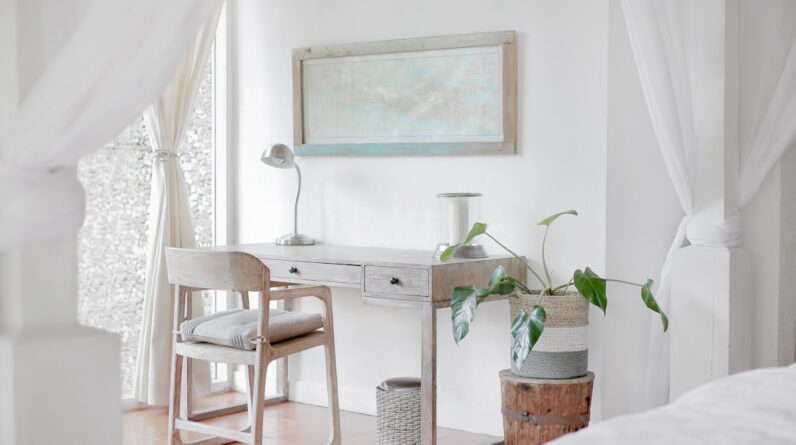
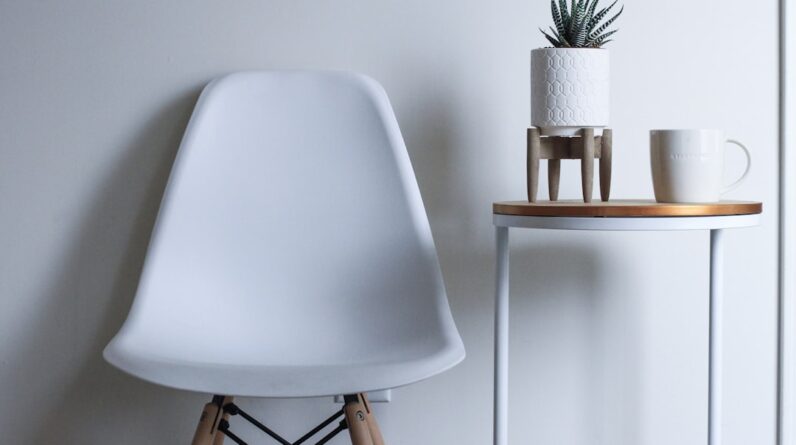
In recent years, the concept of indoor-outdoor living has gained significant traction among homeowners and designers alike. This trend reflects a growing desire to connect with nature while enjoying the comforts of home. You may find that this lifestyle not only enhances your living space but also promotes well-being and relaxation.
As urbanization continues to rise, many individuals are seeking ways to incorporate natural elements into their daily lives, leading to a surge in demand for homes that blur the lines between indoor and outdoor environments. The appeal of indoor-outdoor living lies in its ability to create a harmonious balance between the two realms. You might appreciate how this design philosophy encourages a more fluid lifestyle, allowing you to enjoy fresh air and natural light without sacrificing the comforts of your home.
Whether it’s through expansive glass doors, open floor plans, or strategically placed windows, the integration of outdoor spaces into your living area can transform your home into a sanctuary that fosters both relaxation and social interaction. As you explore this trend, you may find inspiration in various architectural styles that embrace this seamless connection.
Key Takeaways
- Indoor-outdoor living is on the rise, with homeowners seeking to blur the lines between their indoor and outdoor spaces.
- Designing seamless transitions between indoor and outdoor areas is essential for creating a cohesive and functional living space.
- Maximizing natural light and views can help to create a sense of openness and connection to the outdoors.
- Incorporating outdoor elements indoors, such as natural materials and greenery, can bring a sense of nature into the home.
- Creating functional outdoor spaces that are an extension of the indoor living areas can enhance the overall living experience.
Designing Seamless Transitions
Creating seamless transitions between indoor and outdoor spaces is essential for achieving the ideal indoor-outdoor living experience. You may want to consider how the layout of your home can facilitate this connection. Open floor plans are particularly effective, as they allow for unobstructed views and easy movement between spaces.
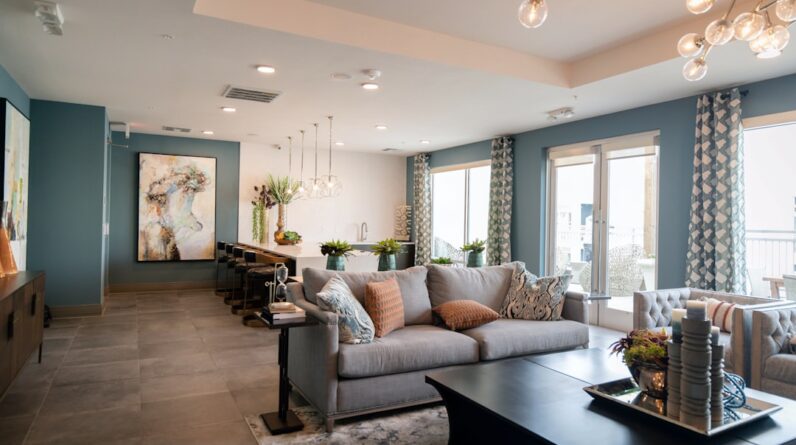
By incorporating large sliding or folding glass doors, you can create a visual and physical link that invites the outdoors in. This design choice not only enhances the aesthetic appeal of your home but also encourages a more active lifestyle, as you can easily step outside to enjoy your garden or patio. In addition to architectural elements, the use of materials plays a crucial role in designing these transitions.
You might choose to use similar flooring materials both indoors and outdoors to create a cohesive look. For instance, extending hardwood or stone flooring from your living room onto your patio can visually unify the spaces. Furthermore, incorporating outdoor furniture that mirrors your indoor decor can enhance this seamless flow, making it feel like an extension of your living area rather than a separate entity.
As you embark on this design journey, consider how each element contributes to a harmonious blend of indoor and outdoor living.
Maximizing Natural Light and Views

One of the most significant benefits of indoor-outdoor living is the opportunity to maximize natural light and stunning views. You may find that strategically placed windows and skylights can dramatically enhance the ambiance of your home. By allowing sunlight to flood your living spaces, you create an inviting atmosphere that promotes well-being and reduces reliance on artificial lighting.
Large windows not only brighten your interiors but also frame picturesque views of your outdoor surroundings, making nature an integral part of your daily life. To further enhance the connection with nature, consider how you can position your furniture and decor to take advantage of these views. You might arrange seating areas to face large windows or sliding doors, ensuring that you can enjoy the beauty of your garden or landscape from the comfort of your home.
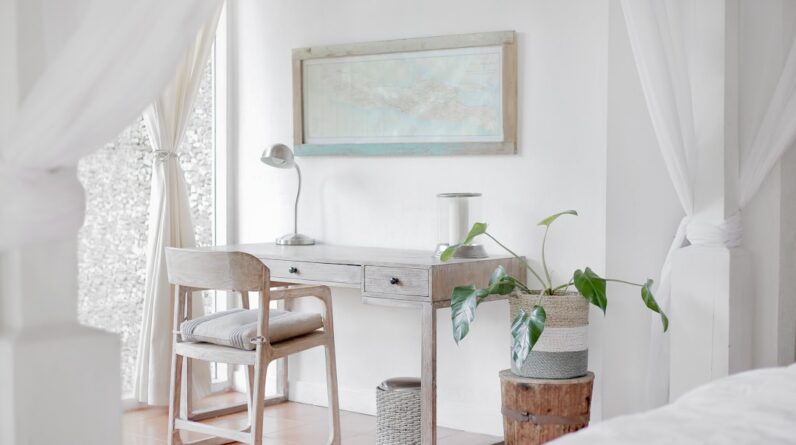
Additionally, using sheer curtains or blinds can help filter light while maintaining visibility to the outdoors. As you explore ways to maximize natural light and views, remember that the goal is to create a space that feels open and connected to the world outside.
Incorporating Outdoor Elements Indoors
Bringing outdoor elements indoors is another effective way to enhance your indoor-outdoor living experience. You may want to consider incorporating natural materials such as wood, stone, and plants into your interior design. These elements not only add warmth and texture but also create a sense of continuity between your indoor and outdoor spaces.
For instance, using reclaimed wood for accent walls or furniture can evoke a rustic charm that resonates with nature. Plants play a vital role in this integration as well. You might choose to fill your home with greenery by incorporating potted plants, vertical gardens, or even small indoor trees.
Not only do these elements purify the air, but they also bring life and vibrancy into your home. Additionally, you could consider using large planters or decorative pots that complement your overall decor style, further blurring the lines between indoors and outdoors. As you explore these options, think about how each element contributes to creating a cohesive environment that celebrates nature.
Creating Functional Outdoor Spaces
To fully embrace the indoor-outdoor living trend, it’s essential to create functional outdoor spaces that cater to your lifestyle needs. You may want to design areas for relaxation, dining, or entertaining that seamlessly connect with your indoor spaces. A well-designed patio or deck can serve as an extension of your living room, providing a comfortable area for gatherings with family and friends.
Consider incorporating features such as outdoor kitchens, fire pits, or comfortable seating arrangements that encourage social interaction. When planning these outdoor spaces, think about how they can be utilized throughout the year. You might invest in weather-resistant furniture and accessories that allow you to enjoy your outdoor areas regardless of the season.
Additionally, incorporating shade structures like pergolas or awnings can provide comfort during hot summer days while still allowing you to enjoy the beauty of nature. As you create these functional outdoor spaces, remember that they should reflect your personal style and cater to your specific needs.
Sustainable and Eco-Friendly Design

Environmentally Friendly Materials and Systems
Incorporating eco-friendly materials and energy-efficient systems into your indoor-outdoor living space not only benefits the planet but also enhances your living experience. For example, using reclaimed wood for construction or furniture can reduce waste while adding character to your home.
Energy Efficiency and Landscaping
Opting for energy-efficient windows and doors can help regulate temperature and reduce energy consumption. You might also explore landscaping options that promote biodiversity and sustainability. Native plants require less water and maintenance while providing habitat for local wildlife.
Creating an Eco-Friendly Outdoor Space
By creating an eco-friendly outdoor space, you contribute positively to the environment while enjoying a beautiful landscape right outside your door. As you embrace sustainable design principles in your indoor-outdoor living spaces, you’ll find that they align with a growing awareness of environmental responsibility.
Overcoming Challenges in Indoor-Outdoor Integration
While the benefits of indoor-outdoor living are numerous, there are challenges that you may encounter when integrating these spaces. One common issue is climate control; maintaining a comfortable temperature indoors while keeping doors open can be tricky. You might consider investing in high-quality insulation or energy-efficient HVAC systems that allow for better temperature regulation without sacrificing airflow.
Another challenge is privacy; depending on your location, you may need to find ways to create secluded outdoor areas without compromising the open feel of your home. You could explore options such as strategically placed landscaping or decorative screens that provide privacy while still allowing light and air to flow through. As you navigate these challenges, remember that thoughtful design solutions can help you achieve a harmonious balance between indoor and outdoor living.
Future Trends in Indoor-Outdoor Living
Looking ahead, the future of indoor-outdoor living is likely to evolve further as technology and design continue to advance. You may see an increase in smart home features that enhance this connection; for example, automated systems could control lighting, temperature, and even window treatments based on your preferences and environmental conditions. This level of customization will allow you to create an ideal indoor-outdoor experience tailored specifically to your lifestyle.
Additionally, as sustainability becomes increasingly important in design practices, you might witness a rise in innovative materials and construction techniques that prioritize eco-friendliness without sacrificing aesthetics. Green roofs, living walls, and rainwater harvesting systems could become more commonplace as homeowners seek ways to integrate nature into their living spaces responsibly. As you explore these future trends in indoor-outdoor living, consider how they align with your vision for a harmonious and sustainable home environment.
In conclusion, embracing indoor-outdoor living offers numerous benefits that enhance both your lifestyle and well-being. By designing seamless transitions between spaces, maximizing natural light and views, incorporating outdoor elements indoors, creating functional outdoor areas, prioritizing sustainability, overcoming challenges, and staying informed about future trends, you can transform your home into a sanctuary that celebrates the beauty of nature while providing comfort and functionality.
FAQs
What is indoor-outdoor integration in contemporary homes?
Indoor-outdoor integration in contemporary homes refers to the seamless connection between the interior and exterior spaces of a home. This design concept aims to blur the lines between indoor and outdoor areas, creating a cohesive and harmonious living environment.
What are the benefits of indoor-outdoor integration in contemporary homes?
Indoor-outdoor integration in contemporary homes offers several benefits, including increased natural light, improved ventilation, a sense of spaciousness, and a stronger connection to nature. It also enhances the overall living experience and promotes a healthier lifestyle.
What are some common features of indoor-outdoor integration in contemporary homes?
Common features of indoor-outdoor integration in contemporary homes include large windows, sliding glass doors, outdoor living spaces such as patios or decks, seamless flooring materials that extend from indoors to outdoors, and landscaping that complements the architectural design.
How does indoor-outdoor integration impact the design and layout of contemporary homes?
Indoor-outdoor integration influences the design and layout of contemporary homes by prioritizing open floor plans, creating fluid transitions between indoor and outdoor spaces, and incorporating elements such as outdoor kitchens, fire pits, and water features to enhance the outdoor living experience.
What are some popular design trends related to indoor-outdoor integration in contemporary homes?
Popular design trends related to indoor-outdoor integration in contemporary homes include the use of bi-fold or sliding glass doors, outdoor rooms that function as extensions of indoor living spaces, sustainable landscaping practices, and the integration of natural materials such as wood and stone.