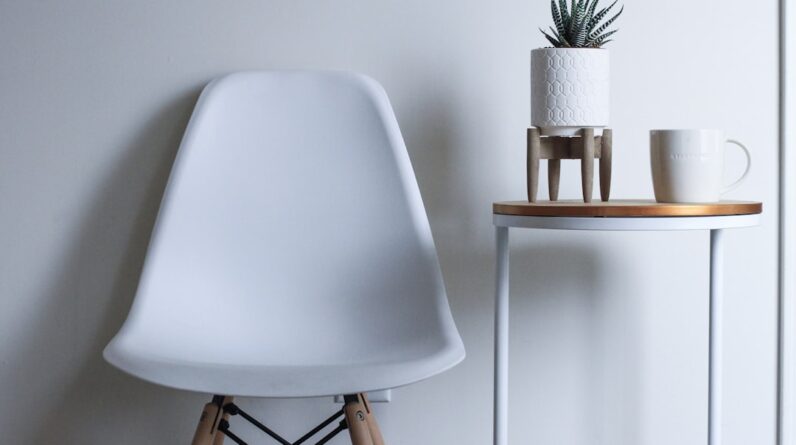
Interior design is a multifaceted profession that encompasses a wide array of elements, from aesthetics to functionality. It is the art and science of enhancing the interior of a space to achieve a healthier and more aesthetically pleasing environment for those who inhabit it. This discipline goes beyond mere decoration; it involves a deep understanding of architecture, spatial relationships, and human behavior.
Interior designers are tasked with creating spaces that not only look good but also serve the needs of their occupants. They must consider factors such as ergonomics, safety, and sustainability while also weaving in personal style and cultural influences. The role of an interior designer is akin to that of a storyteller, where each room narrates a unique tale through its design choices.
As society evolves, so too does the field of interior design. The rise of technology has introduced new materials and methods, allowing designers to push the boundaries of creativity. Trends come and go, but the fundamental principles of good design remain constant.
Whether it’s a cozy residential space or a bustling commercial environment, the goal is to create an atmosphere that resonates with its users. This article will delve into the essential components of interior design, providing insights into space planning, color theory, furniture selection, lighting, and the importance of a cohesive design concept. By understanding these elements, both aspiring designers and homeowners can cultivate spaces that are not only visually appealing but also functional and inviting.
Key Takeaways
- Interior design is the art and science of enhancing the interior of a space to achieve a healthier and more aesthetically pleasing environment.
- Space planning involves understanding the flow of a space, considering function and traffic patterns, and optimizing the layout for efficiency and comfort.
- Color theory is crucial in interior design as it can evoke different emotions and set the tone for a space, and its application can greatly impact the overall design.
- Selecting the right furniture and accessories is essential for both functionality and aesthetic appeal, and should complement the overall design concept.
- Lighting and textures play a significant role in creating atmosphere and visual interest, and should be carefully considered to enhance the design concept.
Understanding the Basics of Space Planning
Creating Harmony in Open-Concept Spaces
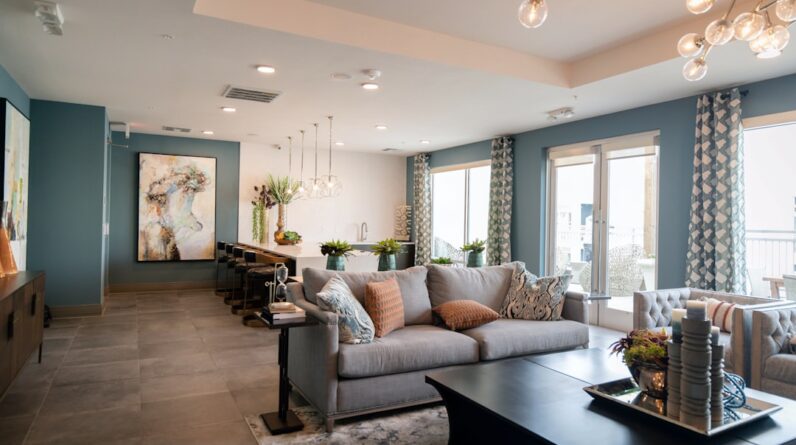
In an open-concept living area, the designer must ensure that the kitchen, dining, and living spaces are harmoniously integrated while still allowing for distinct zones that cater to various activities. This thoughtful arrangement not only enhances the aesthetic appeal but also promotes a sense of ease and accessibility.
Understanding Scale and Proportion
Effective space planning requires an understanding of scale and proportion. Designers must select furniture and decor that fit well within the dimensions of a room to avoid overcrowding or underutilization. This involves not only choosing appropriately sized pieces but also considering their placement in relation to windows, doors, and architectural features.
Laying the Groundwork for a Cohesive Design
Ultimately, successful space planning lays the groundwork for a cohesive design that meets both practical needs and personal preferences. By carefully considering the dimensions, layout, and furniture placement, designers can create a space that is both functional and beautiful, enhancing the overall user experience.
The Importance of Color Theory and Its Application
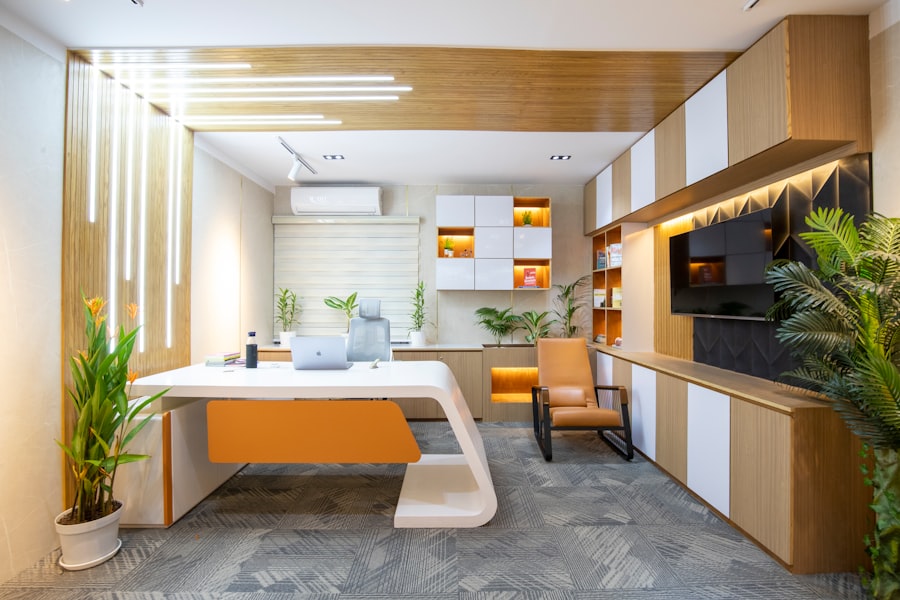
Color theory is a fundamental aspect of interior design that significantly influences mood, perception, and overall ambiance within a space. Colors evoke emotions and can dramatically alter how we experience our surroundings. For instance, warm colors like reds and oranges can create a sense of warmth and energy, making them ideal for social spaces such as living rooms or dining areas.
Conversely, cool colors like blues and greens tend to promote calmness and tranquility, making them suitable for bedrooms or relaxation areas. Understanding the psychological effects of color allows designers to make informed choices that align with the intended purpose of each room. In addition to emotional impact, color theory also plays a crucial role in creating visual harmony within a space.
Designers often utilize color schemes—such as monochromatic, analogous, or complementary—to establish a cohesive look throughout an interior. A monochromatic scheme might involve varying shades of a single color to create depth and interest without overwhelming the senses. On the other hand, an analogous scheme uses colors that are adjacent on the color wheel to create a serene and harmonious effect.
By thoughtfully applying these principles, designers can craft environments that not only reflect personal style but also enhance the overall experience of those who inhabit them.
Selecting the Right Furniture and Accessories
| Criteria | Importance | Considerations |
|---|---|---|
| Functionality | High | Consider the purpose and usage of the furniture/accessory |
| Style | Medium | Ensure it complements the overall design and theme |
| Size | High | Measure the space to ensure proper fit |
| Material | Medium | Consider durability, maintenance, and aesthetic appeal |
| Cost | Low | Stay within budget without compromising quality |
Choosing the right furniture and accessories is pivotal in shaping the character of any interior space. Furniture serves as both functional elements and aesthetic statements; thus, it is essential to select pieces that align with the overall design vision while also meeting practical needs. When selecting furniture, designers must consider factors such as scale, style, material, and comfort.
For instance, in a small apartment, opting for multi-functional furniture—like a sofa bed or nesting tables—can maximize space without sacrificing style. Additionally, incorporating pieces with clean lines and minimal ornamentation can create an illusion of openness in compact areas. Accessories play an equally important role in completing a design scheme.
They add layers of texture, color, and personality to a space. From artwork to decorative pillows, accessories allow for personal expression while enhancing the overall aesthetic. When curating accessories, designers should aim for balance; too many items can lead to visual clutter while too few can make a space feel sterile.
A well-placed piece of art or an eye-catching sculpture can serve as a focal point that draws attention and sparks conversation. Ultimately, selecting furniture and accessories requires careful consideration to ensure they contribute positively to the overall design narrative.
Incorporating Lighting and Textures for Impact
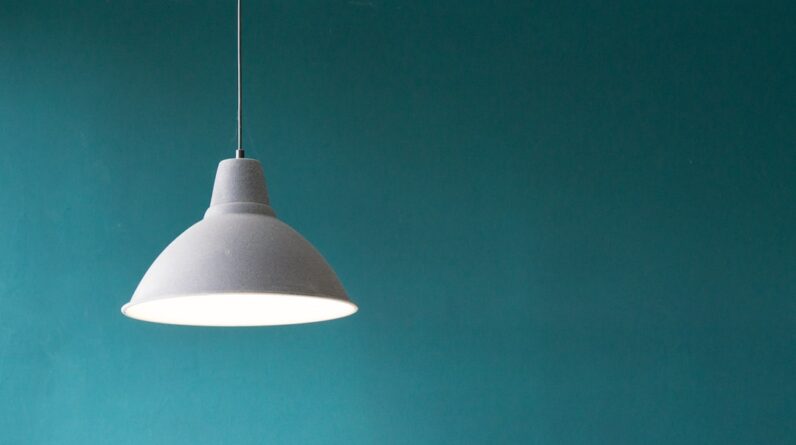
Lighting is often referred to as the unsung hero of interior design; it has the power to transform a space dramatically by influencing mood and highlighting architectural features. Effective lighting design involves layering different types of light—ambient, task, and accent—to create a well-balanced environment. Ambient lighting provides general illumination for everyday activities; task lighting focuses on specific areas where activities such as reading or cooking take place; while accent lighting draws attention to particular features like artwork or architectural details.
By thoughtfully combining these lighting types, designers can enhance functionality while also creating an inviting atmosphere. Textures also play a crucial role in adding depth and interest to interior spaces. The interplay between various materials—such as wood, metal, fabric, and glass—can create a rich sensory experience that engages occupants on multiple levels.
For example, pairing soft textiles like velvet or linen with sleek metal accents can create a striking contrast that elevates the overall design. Additionally, incorporating natural elements such as plants or stone can introduce warmth and organic beauty into a space. By carefully considering both lighting and texture, designers can craft environments that are not only visually stunning but also evoke emotional responses from those who inhabit them.
Creating a Cohesive Design Concept

Unifying Disparate Elements
Whether it’s a modern minimalist aesthetic or a cozy rustic vibe, having a cohesive concept helps to unify disparate elements into a harmonious whole. To create this sense of cohesion, designers often develop mood boards or color palettes that encapsulate their vision. These tools serve as visual references that guide material selection and layout decisions while ensuring consistency throughout the space.
Enhancing Unity through Recurring Motifs
Additionally, incorporating recurring motifs or themes, such as geometric patterns or natural textures, can further enhance unity within the design. By thoughtfully curating each aspect of the interior based on a cohesive concept, designers can create spaces that feel intentional and well-crafted rather than disjointed or haphazard.
Creating Intentional Spaces
By establishing a clear design concept, designers can create spaces that are not only visually appealing but also feel intentional and well-crafted. This approach ensures that every element, from furniture to color palettes, works together to create a harmonious and cohesive whole.
Bringing it All Together: Tips for Successful Interior Design Projects
Successfully executing an interior design project requires careful planning and attention to detail at every stage of the process. One key tip is to establish a clear budget early on; this helps guide decisions regarding materials, furnishings, and labor costs while preventing overspending down the line. Additionally, creating a timeline with specific milestones can help keep projects on track and ensure timely completion.
Regular communication with clients throughout the process is also vital; it fosters collaboration and allows for adjustments based on feedback or changing preferences. Another important aspect is to remain flexible during the design process. While having a clear vision is essential, being open to new ideas or unexpected challenges can lead to innovative solutions that enhance the final outcome.
For instance, discovering unique vintage pieces during sourcing can inspire new directions in design or lead to creative repurposing opportunities. Ultimately, successful interior design projects are characterized by thoughtful planning combined with adaptability—a balance that allows designers to create spaces that are not only beautiful but also functional and reflective of their clients’ personalities.
FAQs
What is interior design?
Interior design is the art and science of enhancing the interior of a space to achieve a healthier and more aesthetically pleasing environment for the people using the space.
What does an interior designer do?
Interior designers plan, research, coordinate, and manage interior design projects. They work with clients to determine their needs and create designs that are both functional and aesthetically pleasing.
What are the key skills needed for a career in interior design?
Key skills for a career in interior design include creativity, attention to detail, communication skills, problem-solving abilities, and knowledge of design software and principles.
What can I expect to learn in an interior design course?
In an interior design course, you can expect to learn about design principles, color theory, space planning, materials and finishes, lighting, and furniture design. You may also learn about building codes and regulations, sustainability, and project management.
What are the career opportunities for interior designers?
Interior designers can work in a variety of settings, including residential, commercial, hospitality, and healthcare design. They may also work for design firms, architectural firms, or as independent consultants.