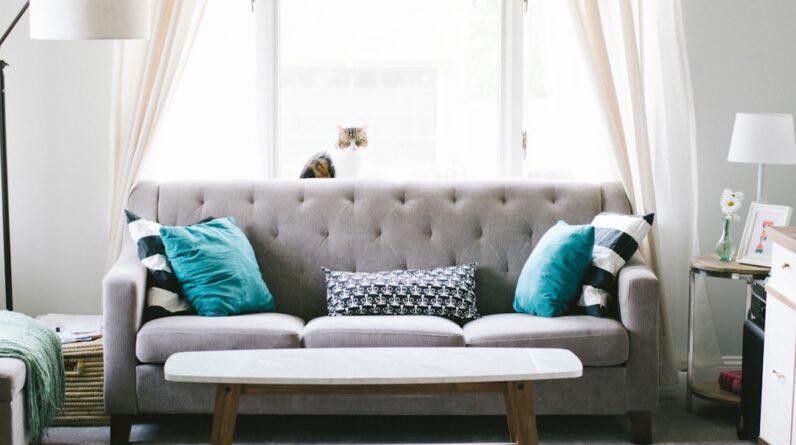
In the ever-evolving landscape of contemporary design, adaptability has emerged as a cornerstone principle. As you navigate through modern living spaces, you may notice that the emphasis is not solely on aesthetics but also on functionality and versatility. Contemporary design seeks to create environments that can easily adjust to the changing needs of their inhabitants.
This adaptability is particularly crucial in urban settings, where space is often at a premium, and the demands of daily life can shift rapidly. You might find that the furniture and layouts in these spaces are not just about looking good; they are about enhancing your lifestyle and making your home a sanctuary that evolves with you. The concept of adaptability in design extends beyond mere physical changes; it encompasses a mindset that values innovation and creativity.
As you explore various design elements, you may come to appreciate how contemporary designers are rethinking traditional concepts of space and function. They are crafting environments that encourage fluidity, allowing you to transition seamlessly from work to relaxation, from social gatherings to quiet moments of solitude. This article will delve into the significance of flexibility in furniture and layout, the rise of multifunctional solutions, and the integration of technology—all while keeping sustainability at the forefront of contemporary design.
Key Takeaways
- Contemporary design emphasizes adaptability to meet the changing needs of users and spaces.
- Flexibility in furniture and layout is crucial for creating versatile and functional living and working environments.
- Multifunctional furniture and space-saving solutions are essential for maximizing limited space in urban areas.
- Modular and customizable furniture designs allow for personalization and reconfiguration to suit individual preferences and needs.
- Technology integration in contemporary furniture enhances functionality and user experience while promoting efficiency and convenience.
The Importance of Flexibility in Furniture and Layout
Adapting to Various Activities
Traditional static furniture arrangements may no longer serve your needs, prompting a shift towards designs that can adapt to various activities. For instance, a dining table that can expand for guests or a sofa that can be rearranged for different occasions allows you to maximize your space while maintaining comfort and style.
Enhancing Well-being
Flexible layouts can significantly enhance your overall well-being. A well-designed space that accommodates both work and leisure can help you maintain a healthy work-life balance. By incorporating movable partitions or modular furniture, you can create distinct zones within a single room, allowing for focused work during the day and relaxation in the evening.
Optimizing Space and Fostering Harmony
This adaptability not only optimizes your space but also fosters a sense of harmony and balance in your daily life. By creating a flexible living space, you can discover a better way to live, work, and relax.
Multifunctional Furniture and Space-Saving Solutions

As you explore the realm of multifunctional furniture, you’ll find an array of innovative solutions designed to maximize utility without sacrificing style. These pieces are crafted with the intention of serving multiple purposes, making them ideal for smaller living spaces or for those who simply wish to declutter their homes. For example, a coffee table that transforms into a dining table or a bed with built-in storage can significantly enhance your living experience by providing both functionality and aesthetic appeal.
You may find that these versatile pieces allow you to make the most out of every square foot in your home. In addition to enhancing functionality, multifunctional furniture often encourages creativity in how you arrange your space. You might enjoy experimenting with different configurations, discovering new ways to utilize your furniture based on your current needs.
This flexibility not only keeps your environment fresh but also allows you to adapt quickly to changes in your lifestyle—whether you’re hosting friends for dinner or simply enjoying a quiet evening at home. As you embrace these space-saving solutions, you’ll likely appreciate how they contribute to a more organized and efficient living environment.
Modular and Customizable Furniture Designs
The rise of modular and customizable furniture designs has revolutionized the way you think about your living space. These designs allow you to tailor your furniture to fit your specific needs and preferences, creating a personalized environment that reflects your unique style. You may find yourself drawn to modular sofas that can be rearranged into various configurations or shelving units that can be expanded as your collection grows.
This level of customization empowers you to create a space that is not only functional but also deeply personal. Moreover, modular furniture often promotes sustainability by encouraging longevity and adaptability. Instead of purchasing entirely new pieces when your needs change, you can simply add or rearrange components to suit your evolving lifestyle.
This approach not only reduces waste but also fosters a deeper connection between you and your living space. As you invest in modular designs, you’ll likely find that they enhance both the aesthetic appeal and functionality of your home, allowing for a seamless transition between different activities and moods.
Technology Integration in Contemporary Furniture
In today’s digital age, technology integration has become an essential aspect of contemporary furniture design. As you navigate through modern living spaces, you may notice how seamlessly technology is woven into everyday items, enhancing both convenience and functionality. From smart coffee tables with built-in charging stations to sofas equipped with Bluetooth speakers, technology is transforming the way you interact with your environment.
This integration allows for a more connected lifestyle, where your furniture not only serves its traditional purpose but also enhances your daily routines. Furthermore, technology can play a significant role in optimizing space and improving efficiency. Smart home systems allow you to control lighting, temperature, and even furniture arrangements with just a few taps on your smartphone.
You might find that these advancements enable you to create an atmosphere tailored to your preferences—whether you’re hosting a gathering or enjoying a quiet night in. As technology continues to evolve, so too will the possibilities for integrating it into contemporary design, making it an exciting time for those who value adaptability in their living spaces.
Sustainable and Eco-Friendly Design Approaches

As you delve deeper into contemporary design, you’ll likely encounter an increasing emphasis on sustainability and eco-friendly practices. In an era where environmental concerns are at the forefront of global discussions, many designers are prioritizing materials and processes that minimize ecological impact. You may find that sustainable furniture is crafted from reclaimed wood, recycled materials, or organic fabrics—each choice reflecting a commitment to preserving our planet for future generations.
Moreover, sustainable design often aligns with the principles of adaptability and flexibility. By investing in high-quality pieces that are built to last, you can reduce waste and avoid the cycle of fast furniture consumption. You might appreciate how eco-friendly designs not only contribute to a healthier planet but also enhance the overall aesthetic of your home.
As you embrace sustainable practices in your living space, you’ll likely feel a sense of pride in making choices that reflect both style and responsibility.
Case Studies of Innovative Flexible Furniture and Layout
To illustrate the impact of innovative flexible furniture and layout designs, consider examining case studies from various designers and brands leading the charge in this field. One notable example is the work of IKEA, which has long been synonymous with multifunctional solutions tailored for small spaces. Their range of products—from expandable dining tables to modular shelving units—demonstrates how thoughtful design can transform even the most compact environments into functional havens.
Another inspiring case study is the rise of co-living spaces that prioritize flexibility in their layouts. These communal living arrangements often feature adaptable common areas equipped with movable furniture that can be reconfigured for different activities—be it yoga classes or movie nights. As you explore these examples, you’ll likely gain insight into how innovative design can foster community while accommodating individual needs.
Future Trends in Contemporary Design for Adaptability and Flexibility
Looking ahead, the future of contemporary design will undoubtedly continue to prioritize adaptability and flexibility as key principles. As urbanization increases and living spaces become more compact, designers will be challenged to create solutions that maximize utility without compromising style. You may anticipate seeing an even greater emphasis on multifunctional furniture that seamlessly integrates technology while remaining sustainable.
Additionally, as remote work becomes more prevalent, there will likely be a growing demand for home office solutions that blend seamlessly into residential environments. You might envision desks that fold away when not in use or chairs designed for both comfort during long work hours and aesthetic appeal during social gatherings. The possibilities are endless as designers push the boundaries of what contemporary living can be.
In conclusion, as you navigate through the world of contemporary design, you’ll discover that adaptability is not just a trend but a fundamental principle shaping our living spaces. From flexible layouts to multifunctional furniture and sustainable practices, each element contributes to creating environments that enhance your lifestyle while reflecting your values. Embracing these innovations will empower you to cultivate spaces that are not only beautiful but also functional and responsive to your ever-changing needs.
FAQs
What is contemporary design?
Contemporary design refers to the current trends and styles in furniture, architecture, and interior design. It often incorporates modern materials, clean lines, and a focus on functionality.
How does contemporary design address the need for adaptability and flexibility in furniture?
Contemporary design often incorporates modular and multifunctional furniture pieces that can be easily adapted to different uses and spaces. This allows for flexibility in layout and functionality.
What are some examples of adaptable furniture in contemporary design?
Examples of adaptable furniture in contemporary design include modular sofas with reconfigurable components, extendable dining tables, and storage solutions that can be customized to fit different spaces.
How does contemporary design address the need for flexibility in layout?
Contemporary design emphasizes open floor plans and versatile furniture arrangements that can easily be reconfigured to accommodate different activities and spatial needs.
What are some key principles of contemporary design that promote adaptability and flexibility?
Key principles of contemporary design that promote adaptability and flexibility include minimalism, use of versatile materials, and a focus on multi-functional and space-saving solutions.