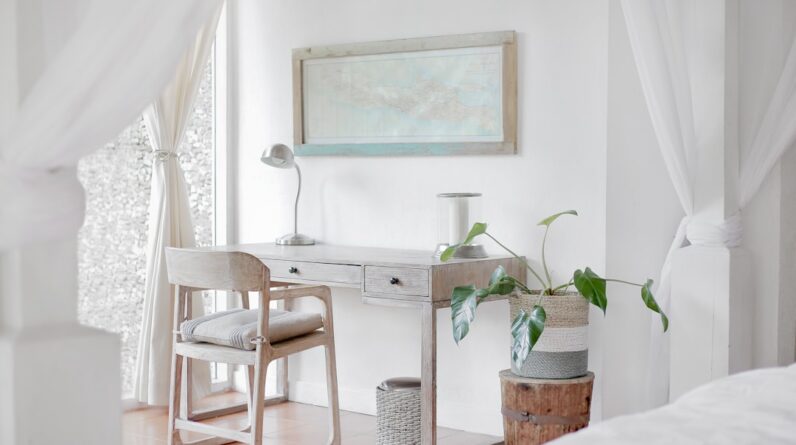
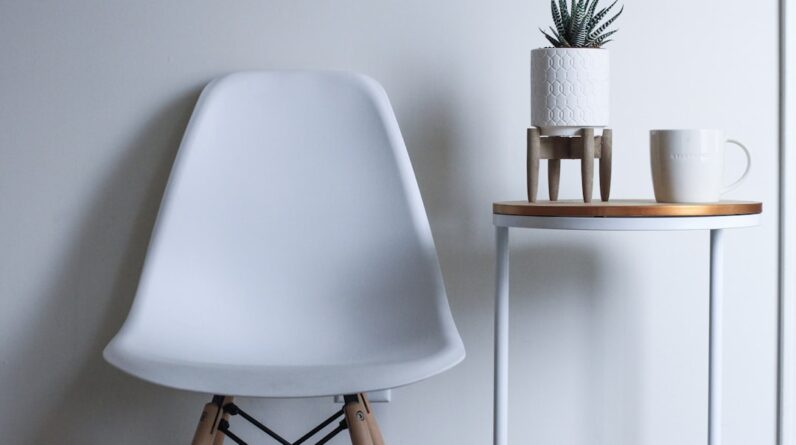
Interior design is an intricate art that transcends mere aesthetics; it is a harmonious blend of functionality, comfort, and style. At its core, interior design involves the thoughtful arrangement of space to create environments that are not only visually appealing but also conducive to the activities that take place within them. This discipline encompasses a wide array of elements, including color, furniture, lighting, and decorative accents, all of which work together to form a cohesive whole.
Understanding the basics of interior design requires an appreciation for how these elements interact with one another and how they can be manipulated to enhance the overall atmosphere of a room. It is essential to consider the purpose of each space, as well as the needs and preferences of those who inhabit it, in order to create a design that is both functional and inviting. Moreover, the principles of interior design—balance, contrast, rhythm, scale, and harmony—serve as guiding tenets for any successful project.
Balance refers to the distribution of visual weight within a space, which can be achieved through symmetrical or asymmetrical arrangements. Contrast adds depth and interest by juxtaposing different colors, shapes, or materials. Rhythm creates a sense of movement through repetition and progression, while scale ensures that furniture and decor are proportionate to the size of the room.
Finally, harmony ties all these elements together, resulting in a unified and aesthetically pleasing environment. By mastering these foundational concepts, anyone can embark on their journey into the world of interior design with confidence and creativity.
Key Takeaways
- Interior design involves creating functional and aesthetically pleasing spaces
- Choose a color palette that reflects your personal style and complements the room’s purpose
- Select furniture that is both stylish and practical for the space
- Decorative accents add personality and character to a room
- Create a focal point in each room to draw attention and create visual interest
- Lighting can enhance the ambiance and mood of a space
- Incorporating textures and patterns adds visual interest and depth to a room
Choosing the Right Color Palette for Your Space
Considering Function and Atmosphere
When choosing a color scheme, it is essential to consider not only personal preferences but also the function of the room and the atmosphere you wish to cultivate. For instance, soft blues and greens can instill a sense of serenity in a bedroom, while vibrant reds and yellows may be more suitable for a lively kitchen or dining area.
Understanding Color Theory
Understanding color theory can greatly enhance your ability to create harmonious combinations that resonate with your vision. In practice, many designers recommend starting with a neutral base—such as whites, grays, or beiges—before layering in bolder accent colors. This approach allows for flexibility and adaptability over time, as it is easier to change out accessories or artwork than to repaint an entire room.
Adding Depth and Dimension
Furthermore, incorporating various shades and tones within your chosen palette can add depth and dimension to your space. For example, using different shades of blue can create a cohesive look while still providing visual interest. Ultimately, the key to selecting the right color palette lies in balancing personal taste with the desired ambiance, ensuring that each hue contributes positively to the overall design narrative.
Incorporating Functional and Stylish Furniture

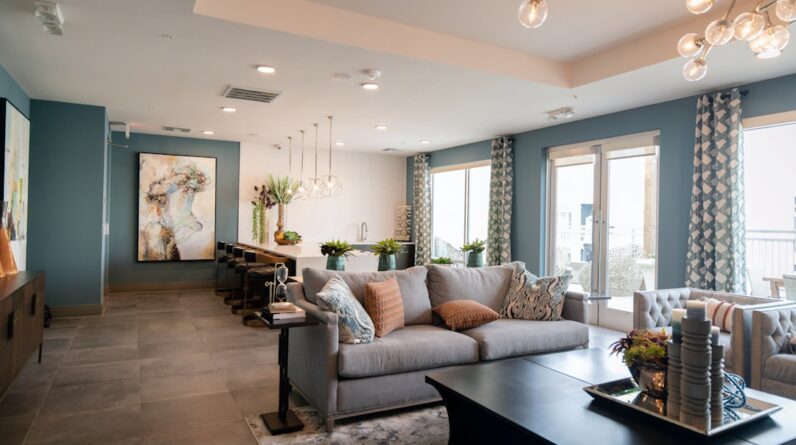
Furniture selection plays a pivotal role in interior design, as it not only defines the functionality of a space but also contributes significantly to its aesthetic appeal. When choosing furniture pieces, it is crucial to consider both form and function; each item should serve a purpose while also enhancing the overall design scheme. For instance, a well-chosen sofa can become the centerpiece of a living room, providing comfort for family gatherings while also reflecting your personal style through its fabric and shape.
Additionally, multi-functional furniture—such as ottomans that double as storage or coffee tables with built-in shelves—can maximize space efficiency without sacrificing style. Moreover, the scale and proportion of furniture are vital considerations in achieving a balanced design. Oversized furniture in a small room can create a cramped feeling, while too-small pieces in a large space may lead to an underwhelming aesthetic.
It is essential to measure your space accurately and visualize how each piece will fit within it before making any purchases. Furthermore, mixing different styles—such as pairing modern furniture with vintage accents—can create an eclectic yet cohesive look that reflects your unique personality. Ultimately, incorporating functional and stylish furniture requires careful thought and planning but can result in spaces that are both practical and visually stunning.
Adding Personality with Decorative Accents
| Decorative Accents | Benefits |
|---|---|
| Throw Pillows | Adds color and texture to the space |
| Wall Art | Brings personality and visual interest |
| Decorative Mirrors | Reflects light and creates the illusion of space |
| Accent Rugs | Defines the area and adds warmth |
Decorative accents are the finishing touches that breathe life into an interior space, allowing homeowners to express their individuality and personal style. These elements can range from artwork and sculptures to throw pillows and area rugs, each contributing to the overall character of a room. When selecting decorative accents, it is essential to choose items that resonate with you personally while also complementing the existing design scheme.
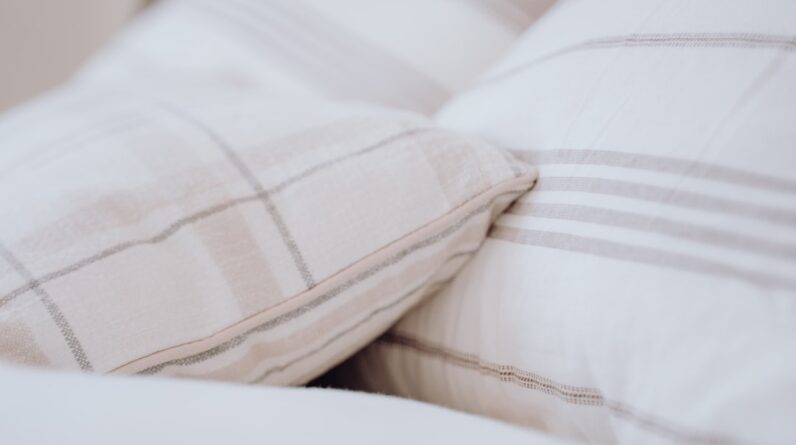
For example, if your home features a neutral color palette, introducing vibrant artwork or colorful cushions can create focal points that draw the eye and add visual interest. In addition to color and style, texture plays a significant role in enhancing decorative accents. Incorporating various materials—such as wood, metal, glass, or fabric—can create layers of depth within your design.
A plush velvet throw pillow paired with a sleek leather sofa can evoke a sense of luxury and comfort simultaneously. Furthermore, personal mementos or travel souvenirs can serve as meaningful decorative accents that tell your story and make your space feel uniquely yours. By thoughtfully curating decorative elements that reflect your personality and interests, you can transform any room into a true reflection of who you are.
Creating a Focal Point in Each Room
Establishing a focal point in each room is an essential aspect of interior design that helps guide the viewer’s eye and creates visual interest. A focal point serves as an anchor for the space, drawing attention and providing a sense of organization amidst the various elements present. Common focal points include fireplaces, large windows with scenic views, or statement pieces of furniture such as an oversized artwork or an intricately designed chandelier.
By strategically placing these elements within a room, you can create a sense of balance and harmony that enhances the overall aesthetic. To effectively create a focal point, it is important to consider the layout of the room and how different elements interact with one another. For instance, if you have a beautiful piece of artwork that you wish to highlight, positioning furniture around it in a way that encourages conversation can enhance its prominence.
Additionally, using contrasting colors or textures can further emphasize your chosen focal point; for example, placing a bright painting against a muted wall will make it stand out even more. Ultimately, by thoughtfully designing each room with a clear focal point in mind, you can create spaces that are not only visually appealing but also inviting and engaging.
Utilizing Lighting to Enhance the Ambiance

The Three Layers of Lighting
A well-designed lighting scheme typically incorporates three layers: ambient lighting for general illumination, task lighting for specific activities such as reading or cooking, and accent lighting to highlight architectural features or decorative elements.
Creating a Dynamic Environment
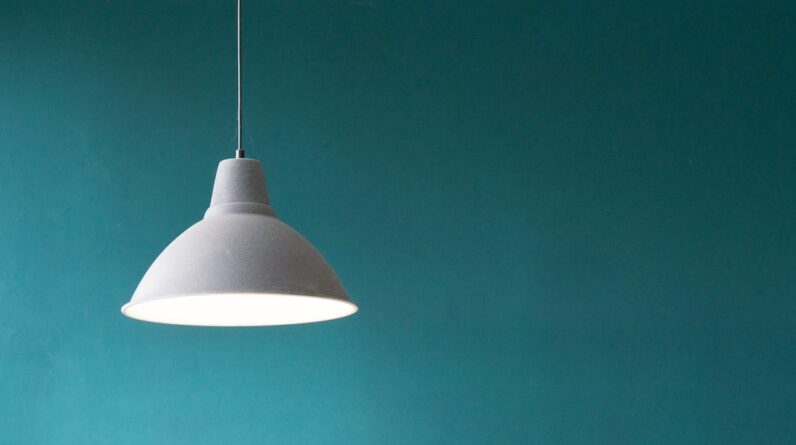
By combining these different types of lighting effectively, you can create a dynamic environment that caters to various needs throughout the day. In addition to functionality, lighting also plays a crucial role in enhancing the aesthetic appeal of your space. Choosing fixtures that align with your design style—whether modern pendant lights or vintage sconces—can add character while also serving practical purposes.
Maximizing Lighting Control and Natural Light
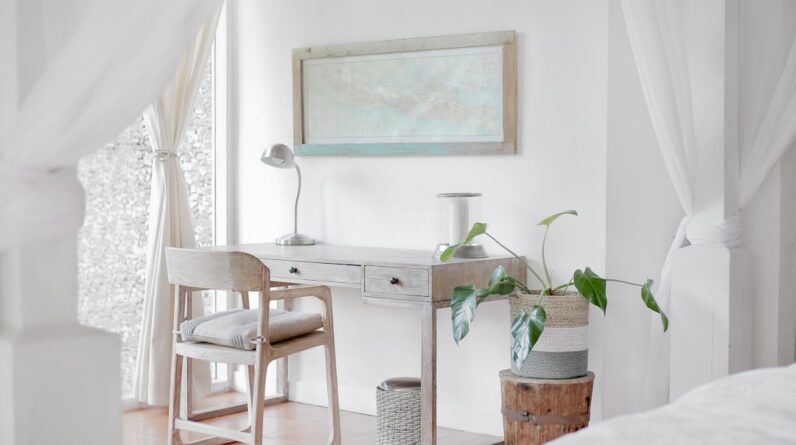
Furthermore, incorporating dimmers allows for greater control over brightness levels, enabling you to adjust the ambiance according to different occasions or times of day. Natural light should not be overlooked either; maximizing windows and using sheer curtains can invite sunlight into your home while creating an airy feel. By thoughtfully considering lighting options and their impact on both functionality and aesthetics, you can elevate your interior design to new heights.
Incorporating Textures and Patterns for Visual Interest
The use of textures and patterns is essential in creating visual interest within an interior space; they add depth and dimension that can transform even the simplest designs into something extraordinary. Textures can be introduced through various materials—such as soft fabrics like velvet or linen for upholstery, rough surfaces like reclaimed wood for furniture, or sleek metals for accents—each contributing its unique tactile quality to the overall design narrative. By layering different textures throughout a room, you can create an inviting atmosphere that encourages touch and interaction.
Patterns also play a significant role in enhancing visual interest; they can be incorporated through wallpaper, area rugs, or decorative accessories such as cushions or curtains. When mixing patterns, it is important to maintain balance by varying scale and color schemes; for instance, pairing bold geometric prints with softer florals can create an engaging yet harmonious look. Additionally, using patterns strategically—such as on an accent wall or through statement pieces—can draw attention without overwhelming the space.
Ultimately, by thoughtfully incorporating textures and patterns into your interior design scheme, you can achieve a rich tapestry of visual elements that captivates both residents and guests alike.
FAQs
What is interior design?
Interior design is the art and science of enhancing the interior of a space to achieve a healthier and more aesthetically pleasing environment for the people using the space.
What does an interior designer do?
Interior designers plan, research, coordinate, and manage interior design projects. They work with clients to determine their needs and create designs that are both functional and aesthetically pleasing.
What are the key elements of interior design?
The key elements of interior design include space, line, form, light, color, texture, and pattern. These elements are used to create a cohesive and visually appealing design.
What are the different styles of interior design?
There are many different styles of interior design, including modern, contemporary, traditional, minimalist, industrial, and eclectic. Each style has its own unique characteristics and aesthetic.
What are the benefits of hiring an interior designer?
Hiring an interior designer can help ensure that a space is both functional and visually appealing. Designers have the expertise to create a cohesive design that reflects the client’s needs and personal style.
How can I find a reputable interior designer?
To find a reputable interior designer, you can ask for recommendations from friends or family, search online for designers in your area, or look for designers who are members of professional organizations such as the American Society of Interior Designers (ASID) or the International Interior Design Association (IIDA).