When embarking on a design project, the first step is to delve deep into understanding your client’s passion. This is not merely about gathering information; it’s about connecting with their enthusiasm and the emotional significance behind their hobbies or collections. You need to engage in meaningful conversations, asking open-ended questions that allow them to express what their passion means to them.
This could involve discussing how they got started, what they love most about it, and how it enriches their life. By doing so, you can uncover the nuances of their interests, which will serve as a foundation for your design. As you listen to your client, pay attention to the details that excite them.
Perhaps they have a collection of vintage vinyl records that transports them back to their youth, or maybe they are passionate about gardening and find solace in nurturing plants. Understanding these elements will help you create a space that not only accommodates their interests but also celebrates them. You want to ensure that the design reflects their passion authentically, making it a central theme rather than an afterthought.
This connection will guide your decisions throughout the design process, ensuring that every element resonates with their personal story.
Key Takeaways
- Understanding the client’s passion is crucial for creating a personalized design that reflects their interests and values.
- Incorporating the hobby or collection into the design adds a unique and personal touch to the space.
- Creating functional and practical spaces ensures that the design not only looks good but also serves a purpose for the client’s hobby or collection.
- Balancing the aesthetics and the hobby or collection is important to create a cohesive and visually appealing design.
- Utilizing creative storage solutions helps to keep the space organized and showcases the hobby or collection in an attractive way.
- Considering the display and presentation of the hobby or collection is essential for highlighting its significance and beauty within the design.
- Maintaining flexibility for future changes or additions allows the space to evolve with the client’s interests and collection over time.
- Ensuring the space reflects the client’s personality and lifestyle creates a design that feels authentic and meaningful to them.
Incorporating the Hobby or Collection into the Design
Once you have a firm grasp of your client’s passion, the next step is to seamlessly incorporate that hobby or collection into the overall design. This is where creativity meets functionality, as you strive to create a space that is both visually appealing and practical for your client’s needs. For instance, if your client is an avid painter, consider designing a dedicated art studio that features ample natural light, storage for supplies, and an inspiring color palette that fuels their creativity.
The goal is to create an environment that not only showcases their passion but also enhances their experience. Incorporating a collection into the design can take many forms. You might choose to create display shelves that highlight their prized possessions or design a feature wall that serves as a backdrop for their collection.
The key is to ensure that these elements are integrated harmoniously with the rest of the space. For example, if your client collects antique books, you could design custom cabinetry that not only houses the books but also complements the overall aesthetic of the room. By thoughtfully integrating these elements, you create a cohesive design that feels intentional and personalized.
Creating Functional and Practical Spaces
While aesthetics are important, functionality should never be overlooked in your design process. A space must serve its intended purpose effectively while also accommodating your client’s lifestyle. This means considering how they will use the space on a daily basis and ensuring that it meets their practical needs.
For instance, if your client enjoys cooking as a hobby, designing a kitchen with ample counter space, efficient storage solutions, and high-quality appliances will enhance their culinary experience. Moreover, think about how the layout of the space can facilitate ease of movement and accessibility. If your client has a collection of sports equipment, for example, ensure there is enough room for them to store and retrieve items without hassle.
You might also consider incorporating multi-functional furniture that can adapt to different activities or gatherings. By prioritizing functionality alongside aesthetics, you create a space that not only looks good but also works well for your client’s everyday life.
Balancing the Aesthetics and the Hobby or Collection
Striking a balance between aesthetics and the client’s hobby or collection is crucial in creating a harmonious design. While it’s important to celebrate their passion, you also want to ensure that the overall look of the space remains cohesive and visually appealing. This requires careful consideration of color schemes, materials, and styles that complement both the collection and the surrounding environment.
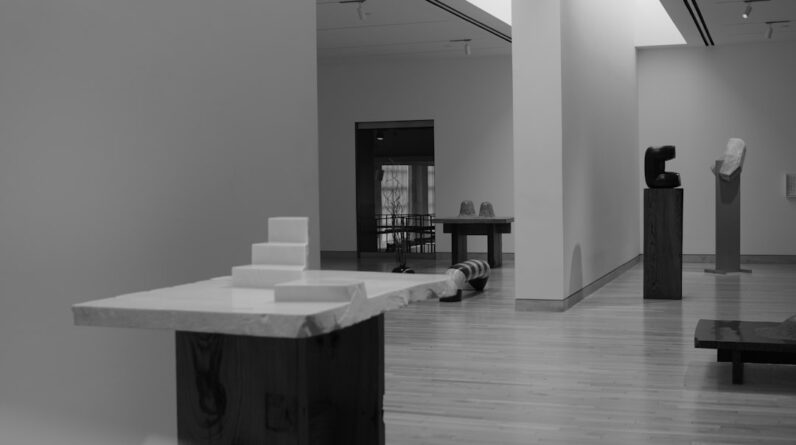
For instance, if your client has a collection of modern art pieces, you might choose a minimalist design approach that allows those artworks to take center stage without overwhelming the space. Additionally, consider how different elements can work together to create a unified aesthetic. You might select furniture pieces that echo the colors or themes found in your client’s collection, creating a sense of continuity throughout the space.
This balance ensures that while their passion is prominently featured, it does not dominate the design in a way that feels disjointed or cluttered. By thoughtfully curating each element, you can create an environment that feels both personal and polished.
Utilizing Creative Storage Solutions
Storage solutions play a vital role in any design project, especially when incorporating hobbies or collections into a space. You want to ensure that your client’s items are not only displayed beautifully but also stored efficiently when not in use. This is where creativity comes into play; think outside the box when it comes to storage options.
For example, if your client collects model trains, consider designing custom shelving units that allow for both display and storage without compromising on style. In addition to traditional shelving and cabinets, explore innovative storage solutions such as hidden compartments or multifunctional furniture. A coffee table with built-in storage can be an excellent way to keep items organized while maintaining an uncluttered look.
You might also consider vertical storage options for smaller spaces, utilizing wall-mounted racks or pegboards to keep items accessible yet tidy. By implementing these creative solutions, you can help your client maintain an organized environment that showcases their passion without overwhelming the space.
Considering the Display and Presentation of the Hobby or Collection
The way in which a hobby or collection is displayed can significantly impact its overall appeal within a space. Thoughtful presentation not only highlights the items but also adds character and depth to the design. When considering display options, think about how lighting can enhance the visibility of your client’s collection.
For instance, using spotlights or LED strips can draw attention to specific pieces while creating an inviting atmosphere. Additionally, consider varying display techniques to add interest and dimension to the presentation. You might use shadow boxes for delicate items or create themed vignettes that tell a story about your client’s passion.
The arrangement should feel intentional and curated rather than haphazardly placed. By taking the time to thoughtfully consider how each piece is displayed, you can elevate your client’s collection from mere objects to focal points that contribute to the overall narrative of the space.
Maintaining Flexibility for Future Changes or Additions
As you design a space around your client’s hobby or collection, it’s essential to maintain flexibility for future changes or additions. Interests can evolve over time, and new pieces may be acquired as passions grow. Designing with adaptability in mind allows your client to modify their space without requiring a complete overhaul down the line.
This could involve creating modular shelving systems that can be easily adjusted or incorporating furniture that can be rearranged as needed. Moreover, consider leaving some areas of the design open for future expansion. For example, if your client collects art pieces but may want to explore other forms of creative expression later on, ensure there is room for additional display options without disrupting the existing layout.
By planning for flexibility from the outset, you empower your client to embrace their evolving interests while ensuring that their space remains functional and relevant.
Ensuring the Space Reflects the Client’s Personality and Lifestyle
Ultimately, every design decision should reflect your client’s personality and lifestyle. The space should feel like an extension of who they are—an environment where they feel comfortable and inspired. To achieve this, engage in ongoing dialogue with your client throughout the design process.
Encourage them to share their preferences regarding colors, textures, and styles that resonate with them personally. Incorporate personal touches that speak to their individuality—whether it’s through artwork they’ve created themselves or decor items collected during travels. By weaving these elements into the design, you create a space that feels uniquely theirs.
The goal is not just to create a beautiful environment but one that tells their story and enhances their daily life in meaningful ways. When clients see themselves reflected in their surroundings, they are more likely to feel at home and connected to their passions within that space.
FAQs
What is the role of an interior designer when designing spaces for individuals with unique hobbies or collections?
An interior designer’s role is to understand the client’s unique hobbies or collections and incorporate them into the design of the space in a functional and aesthetically pleasing way.
How do interior designers gather information about the client’s hobbies or collections?
Interior designers gather information about the client’s hobbies or collections through interviews, questionnaires, and visual references provided by the client. They may also visit the client’s home to see the hobbies or collections firsthand.
What factors do interior designers consider when designing spaces for individuals with unique hobbies or collections?
Interior designers consider factors such as the size and nature of the hobby or collection, the client’s preferences, the available space, and the overall design aesthetic of the space.
How do interior designers incorporate unique hobbies or collections into the design of a space?
Interior designers incorporate unique hobbies or collections into the design of a space by creating dedicated display areas, custom storage solutions, and integrating the hobby or collection into the overall design concept.
What challenges do interior designers face when designing spaces for individuals with unique hobbies or collections?
Challenges may include finding creative ways to display or store large or unconventional items, balancing the client’s personal style with the overall design of the space, and ensuring that the space remains functional and visually appealing.