Storytelling is an ancient art that transcends cultures and generations, and it holds a unique power in the realm of home design. When you think about your living space, it’s not just a collection of walls, furniture, and decor; it’s a canvas that reflects your life experiences, aspirations, and memories. Each room can tell a story, and every design choice you make contributes to that narrative.
By harnessing the power of storytelling, you can create a home that resonates with your personal journey, making it not just a place to live but a sanctuary that embodies who you are. As you embark on the journey of designing your home, consider how each element can weave together to form a cohesive narrative. The colors you choose, the furniture you select, and even the layout of your space can all serve as chapters in your story.
For instance, a cozy reading nook might symbolize your love for literature, while an open kitchen could reflect your passion for cooking and entertaining. By consciously integrating storytelling into your design process, you can transform your home into a living narrative that evolves with you over time.
Key Takeaways
- Storytelling in home design adds depth and personality to a space, creating a more meaningful and impactful environment.
- Incorporating personal narratives into interior design allows for a unique and personalized expression of identity and experiences.
- Creating a sense of place and identity through design helps to establish a strong emotional connection to the space and its inhabitants.
- Art and decor can be used to tell a story, adding visual interest and depth to the overall design of a home.
- Designing functional spaces that tell a story ensures that every aspect of the home serves a purpose and contributes to the overall narrative.
Incorporating Personal Narratives into Interior Design
Reflecting on Your Experiences
Think about the experiences that have shaped you—your travels, family traditions, or even hobbies—and how these can be represented in your space. Perhaps you have a collection of souvenirs from your travels that could be displayed on a shelf or a family heirloom that deserves a place of honor.
Telling Your Story Through Decor
Each piece can serve as a conversation starter, inviting guests to engage with your story and learn more about who you are. As you curate your space, consider the emotional significance of each item. A photograph from a cherished family vacation or artwork created by a loved one can evoke powerful memories and feelings.
Creating a Meaningful Environment
By thoughtfully selecting pieces that resonate with your personal history, you create an environment that feels authentic and meaningful. This approach not only enhances the aesthetic appeal of your home but also fosters a deeper connection to the space, making it truly yours.
Creating a Sense of Place and Identity through Design

Creating a sense of place and identity in your home is essential for fostering comfort and belonging. Your living space should reflect not only who you are but also where you come from. This can be achieved by incorporating elements that resonate with your cultural background or geographical roots.
For instance, if you have a strong connection to a particular region, consider using colors, patterns, or materials that evoke that area’s natural beauty or architectural style. Moreover, the layout of your home can also contribute to this sense of identity. Open spaces may encourage social interaction and community, while cozy corners can provide solitude and reflection.
By designing with intention, you can create areas that cater to your lifestyle and preferences, reinforcing your identity within the space. Ultimately, when your home reflects your sense of place, it becomes a sanctuary where you feel grounded and at ease.
Using Art and Decor to Tell a Story
Art and decor are powerful tools for storytelling in home design. They have the ability to convey emotions, provoke thought, and spark conversations. When selecting artwork for your space, think about how each piece relates to your personal narrative.
A vibrant painting might represent a pivotal moment in your life, while a minimalist sculpture could reflect your appreciation for simplicity and elegance. By curating art that resonates with you, you create an environment that is rich in meaning and depth. In addition to artwork, consider how decor items can enhance your story.
Textiles, such as throw pillows or blankets, can add warmth and comfort while also reflecting your style preferences. Unique decor pieces—whether they are handmade crafts or vintage finds—can serve as tangible reminders of experiences or people who have influenced your life. By thoughtfully integrating art and decor into your design scheme, you create layers of storytelling that invite exploration and engagement.
Designing Functional Spaces that Tell a Story
Functionality is key in home design, but it doesn’t have to come at the expense of storytelling. In fact, functional spaces can be designed in ways that enhance their narrative quality. For example, consider how the layout of your kitchen can reflect your culinary passions.
An open-concept design may encourage family gatherings and shared meals, while a well-organized pantry can showcase your love for cooking and meal preparation. By aligning functionality with storytelling, you create spaces that not only serve practical purposes but also embody your lifestyle. Moreover, think about how everyday activities can be transformed into meaningful experiences through design.
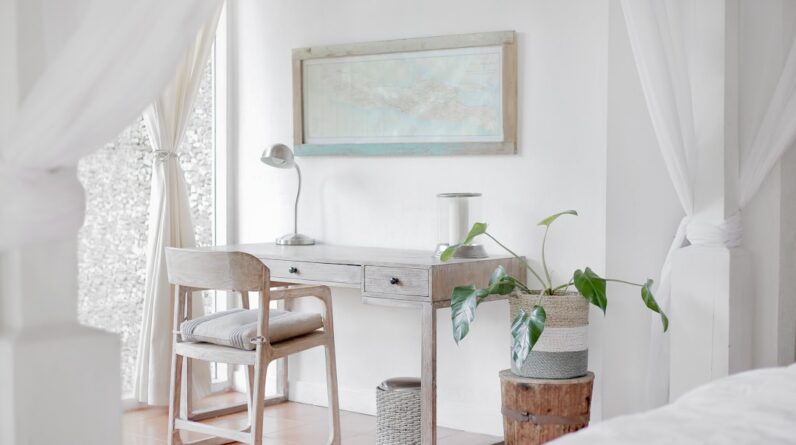
A dedicated workspace can tell the story of your professional journey, while a playroom might reflect the joy of family life. By designing functional spaces that resonate with your daily routines and aspirations, you create an environment that supports both practicality and personal expression.
The Role of Color and Texture in Home Narratives

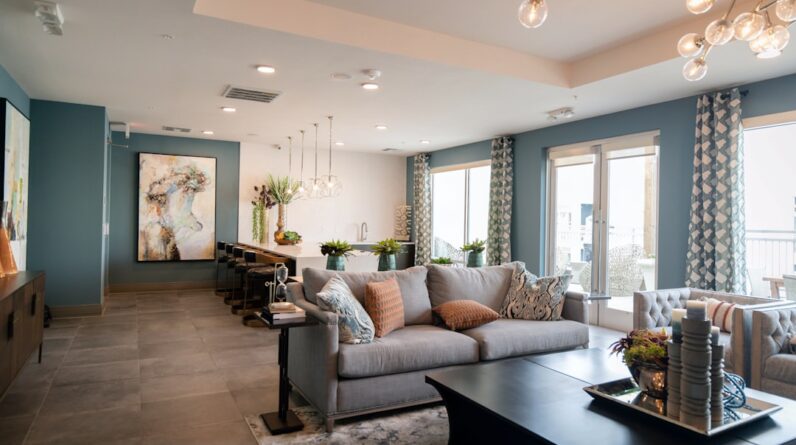
Color and texture play crucial roles in shaping the narrative of your home. The colors you choose can evoke specific emotions and set the tone for each room. For instance, warm hues like reds and oranges may create an inviting atmosphere in social spaces, while cool tones like blues and greens can promote tranquility in bedrooms or relaxation areas.
By carefully selecting colors that align with the stories you want to tell, you can influence the mood and energy of your home. Texture also adds depth to your design narrative. Incorporating various materials—such as soft fabrics, rough woods, or sleek metals—can create visual interest and tactile experiences within your space.
A plush rug underfoot might evoke feelings of comfort and warmth, while smooth surfaces can convey modernity and sophistication. By blending colors and textures thoughtfully, you create a multi-dimensional narrative that engages the senses and enhances the overall ambiance of your home.
Bringing Cultural and Historical Narratives into Home Design
Your home is an opportunity to celebrate cultural heritage and historical narratives that resonate with you. Incorporating elements from different cultures or historical periods can enrich your living space while honoring traditions that are meaningful to you. For example, if you have roots in a particular culture, consider integrating traditional textiles or artwork that reflect its aesthetics and values.
This not only adds character to your home but also serves as a reminder of your heritage. Additionally, historical narratives can be woven into your design through architectural elements or vintage furnishings. Restoring an antique piece or incorporating architectural details reminiscent of a specific era can create a sense of continuity with the past.
By embracing cultural and historical narratives in your home design, you create a rich tapestry that tells stories beyond your own experiences—stories that connect you to a broader context.
Designing for Emotional Impact: Using Space to Evoke Stories
Designing for emotional impact involves creating spaces that evoke specific feelings or memories. Consider how different areas of your home can be tailored to elicit particular emotions—whether it’s joy, nostalgia, or tranquility. For instance, a sunlit reading nook might inspire relaxation and reflection, while an open dining area could foster connection and celebration during family gatherings.
By intentionally designing spaces with emotional resonance in mind, you create an environment that nurtures well-being. Furthermore, think about how the flow between spaces can influence emotional experiences within your home. A seamless transition from an inviting living room to a serene outdoor patio can encourage moments of peace and connection with nature.
By designing with emotional impact at the forefront, you craft an environment that not only tells your story but also supports the emotional landscape of those who inhabit it. In conclusion, storytelling is an integral part of home design that allows you to express yourself authentically while creating spaces that resonate with meaning and purpose. By incorporating personal narratives, cultural influences, art, color, texture, functionality, and emotional impact into your design choices, you transform your home into a living narrative—a place where every corner tells a story worth sharing.
FAQs
What is storytelling spaces in home design?
Storytelling spaces in home design refer to the intentional use of design elements, decor, and layout to create a narrative or tell a story within a home. This can be achieved through the use of specific themes, color schemes, and curated collections of objects that evoke a particular mood or atmosphere.
How can storytelling spaces be incorporated into home design?
Storytelling spaces can be incorporated into home design through the use of thematic decor, curated collections of objects, and intentional design choices that evoke a specific narrative or mood. This can include the use of specific color palettes, furniture styles, and decorative elements that contribute to the overall storytelling theme.
What are some examples of storytelling spaces in home design?
Examples of storytelling spaces in home design include rooms that are designed to evoke a specific time period or cultural aesthetic, such as a vintage-inspired living room or a bohemian-inspired bedroom. Other examples include spaces that are designed to reflect a particular hobby or interest, such as a music-themed home studio or a travel-inspired reading nook.
Why is storytelling spaces important in home design?
Storytelling spaces are important in home design because they can create a sense of cohesion and purpose within a home, as well as evoke specific emotions or memories for the inhabitants. By incorporating storytelling elements into home design, homeowners can create spaces that feel more personal and meaningful, and that reflect their unique interests and experiences.