


Are you looking to transform your living space into a stunning masterpiece? Look no further than the exceptional services of Interior Design Service in Waco, Texas. With their unparalleled expertise and creative flair, they are dedicated to providing you with a personalized and captivating interior design experience. Whether you’re seeking a complete home makeover or a simple room refresh, this talented team will work closely with you to bring your vision to life. From selecting the perfect color palette to sourcing unique furnishings, every detail will be meticulously considered to ensure your space is both functional and visually breathtaking. Embark on a journey of style and elegance with Interior Design Service in Waco, Texas.
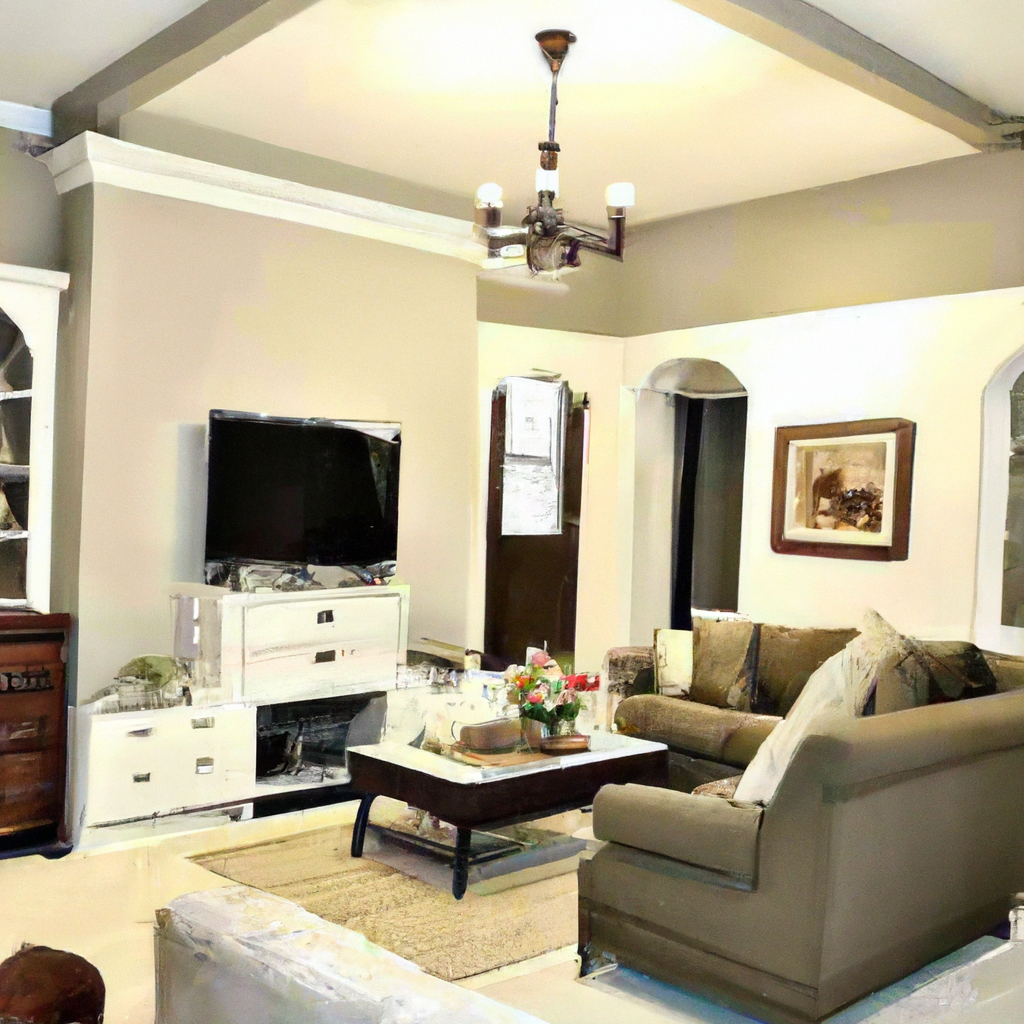
The Importance of Interior Design
Creating a welcoming and functional space
Interior design plays a vital role in creating a welcoming and functional space within your home. When you walk into a well-designed room, you immediately feel a sense of comfort and ease. By carefully considering the flow, layout, and placement of furniture, an interior designer can transform any space into one that is not only visually appealing but also practical and functional. From optimizing the use of space in small rooms to creating designated areas for different activities, a well-designed interior ensures that every inch of your home is utilized effectively.
Enhancing the aesthetic appeal of a home
Imagine walking into a home that lacks any sense of cohesive design or style. The mix-match of furniture, colors, and patterns can be overwhelming and unappealing. Interior design helps enhance the aesthetic appeal of a home by creating a harmonious and visually pleasing environment. Through the thoughtful selection of color palettes, materials, and textures, an interior designer can bring a sense of unity and cohesiveness to a space. Each element of the room, from the furniture to the accessories, is carefully chosen to create a balanced and visually appealing atmosphere.
Increasing the value of a property
In addition to creating a welcoming and visually appealing space, interior design can also greatly increase the value of a property. When potential buyers or renters walk into a home that has been professionally designed, they are more likely to see the value and potential of the space. A well-designed interior can make a property stand out in a competitive market, attracting buyers and potentially commanding a higher selling price. Whether you are looking to sell your home in the future or simply want to increase its value, investing in professional interior design is a wise choice.
The Process of Interior Design
Initial consultation and assessment
The process of interior design begins with an initial consultation and assessment. This is an opportunity for the interior designer to get to know you, your lifestyle, and your specific goals for the space. They will discuss your preferences, budget, and any specific requirements you may have. During this phase, the interior designer will also assess the existing space, taking measurements and noting any architectural details or constraints that may influence the design.
Developing a design concept
Once the initial consultation and assessment are completed, the interior designer will begin developing a design concept. This is where their creativity and expertise come into play. Based on the information gathered during the consultation, the designer will develop a vision for the space that aligns with your preferences and goals. This may include creating mood boards, sketches, and 3D renderings to give you a visual representation of the proposed design.
Selection and sourcing of materials and furnishings
Once the design concept is approved, the interior designer will move on to the selection and sourcing of materials and furnishings. This involves researching and selecting appropriate materials, furniture, fixtures, and accessories that fit within the design concept and budget. The designer will take into consideration factors such as durability, sustainability, and aesthetic appeal when making these selections. They will also handle the procurement and coordination of deliveries to ensure a smooth implementation process.
Creating a detailed design plan
With the materials and furnishings selected, the interior designer will create a detailed design plan. This plan includes drawings, floor plans, and elevations that outline the layout and placement of furniture and fixtures. It also includes specifications for materials, finishes, and colors to be used in the space. The detailed design plan acts as a roadmap for the implementation phase, ensuring that all parties involved have a clear understanding of the vision for the space.
Implementation and project management
The final stage of the interior design process is the implementation and project management phase. This is where all the planning and preparation come together to bring the design concept to life. The interior designer will work closely with contractors, tradespeople, and suppliers to oversee the execution of the design plan. They will manage the timeline, budget, and coordination of all aspects of the project, ensuring that everything runs smoothly and according to plan. The designer will also be responsible for addressing any issues or challenges that may arise during the implementation phase.
Types of Interior Design Services
Residential Interior Design
Residential interior design focuses on creating functional and aesthetically pleasing spaces within private homes. Whether you are looking to redesign a single room or undertake a whole-house renovation, a residential interior designer can help bring your vision to life. They will take into consideration your personal style, lifestyle, and budget to create a space that reflects your unique personality and meets your specific needs.
Commercial Interior Design
Commercial interior design encompasses the design of non-residential spaces such as offices, retail stores, and public buildings. It involves creating a space that is not only visually appealing but also functional and conducive to productivity. Commercial interior designers consider factors such as branding, employee workflow, and customer experience when designing these spaces. They aim to create environments that support the goals and objectives of the business while also providing an enjoyable experience for employees and customers alike.
Hospitality Interior Design
Hospitality interior design focuses on creating inviting and comfortable spaces within hotels, resorts, restaurants, and other hospitality establishments. The goal of hospitality design is to create a memorable experience for guests by considering factors such as ambiance, comfort, and functionality. From the layout of guest rooms to the selection of furniture and accessories, every aspect of the design is carefully chosen to create a welcoming and enjoyable environment for visitors.
Office Interior Design
Office interior design involves creating functional and inspiring workspaces that promote productivity and employee well-being. A well-designed office can have a significant impact on employee morale, creativity, and overall productivity. Office interior designers consider factors such as layout, lighting, acoustics, and ergonomics when designing these spaces. They strive to create environments that are not only visually appealing but also support collaboration, focus, and individual work tasks.
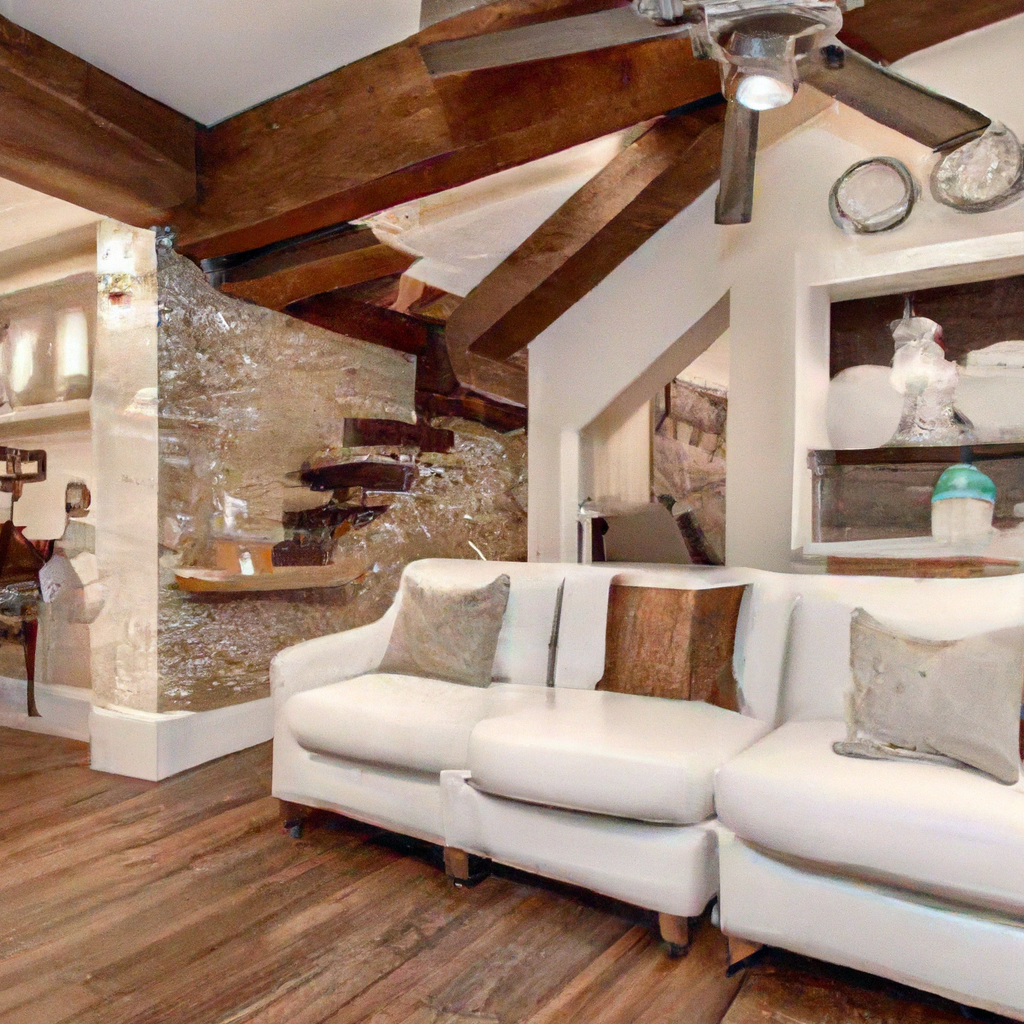
Benefits of Hiring an Interior Designer
Access to professional expertise
One of the primary benefits of hiring an interior designer is gaining access to their professional expertise. Interior designers are highly knowledgeable about design principles, spatial planning, and material selection. They keep up with the latest trends and best practices in the industry, ensuring that your space is designed to the highest standards. Their expertise can help you avoid costly mistakes and make informed decisions throughout the design process.
Efficient and cost-effective design solutions
Contrary to popular belief, hiring an interior designer can actually save you money in the long run. With their knowledge and experience, they can help you make cost-effective decisions when it comes to materials, furnishings, and finishes. They have access to trade discounts and can source products at lower prices than if you were to purchase them on your own. Additionally, an interior designer can help you avoid costly design mistakes that may require expensive fixes in the future.
Saves time and reduces stress
Designing and decorating a space can be a time-consuming and overwhelming task, especially if you have little to no experience in interior design. Hiring an interior designer can save you valuable time and reduce stress by handling all aspects of the design process on your behalf. They will take care of the research, planning, sourcing, and coordination, allowing you to focus on other priorities in your life. With an interior designer by your side, you can rest assured that your project will be handled efficiently and professionally.
Bringing together a cohesive design
One of the key benefits of hiring an interior designer is their ability to bring together a cohesive design. They have a keen eye for detail and understand how different elements of a space interact with one another. By carefully selecting colors, patterns, materials, and furniture, an interior designer can create a cohesive and harmonious design that flows seamlessly from one room to another. They ensure that every element of the design works together to create a unified and visually appealing space.
Factors to Consider When Hiring an Interior Designer
Experience and portfolio
When hiring an interior designer, it is essential to consider their experience and portfolio. Look for designers who have a proven track record of successfully completing projects similar to yours. Ask to see their portfolio of past work, which will give you an idea of their design style and range of capabilities. Additionally, consider their experience in the specific type of design you require, whether it’s residential, commercial, hospitality, or office design.
Budget and pricing structure
Be transparent about your budget with the interior designer from the beginning. This will help them tailor their design recommendations and sourcing to fit within your financial constraints. It is also important to understand the designer’s pricing structure. Some designers charge an hourly rate, while others may offer flat fees or cost-plus methods. Discuss these details upfront to ensure that you are comfortable with the designer’s pricing before moving forward.
Communication and collaboration
Effective communication and collaboration are key to a successful interior design project. Ensure that the designer you hire is responsive, communicative, and open to your input and feedback. They should be willing to listen to your ideas and preferences and incorporate them into the design plan. A good interior designer will be able to strike a balance between their professional expertise and your vision for the space.
Understanding of personal style and preferences
Every individual has their unique style and preferences when it comes to interior design. It is important to find an interior designer who understands and appreciates your personal style. Look for designers who have a versatile design style and can adapt their approach to suit your specific preferences. Ask for references or speak to past clients to get a sense of how well the designer understood their style and met their expectations.
Choosing the Right Interior Design Service in Waco Texas
Researching local interior designers
When choosing an interior design service in Waco, Texas, start by researching local interior designers. Look for designers who have a strong presence in the area and a good reputation. You can start by searching online directories, checking social media platforms, and asking for recommendations from friends, family, or real estate agents.
Reading reviews and testimonials
Once you have identified potential interior designers, take the time to read reviews and testimonials from their past clients. This will give you insights into their professionalism, quality of work, and client satisfaction. Look for designers who have consistently positive reviews and testimonials, indicating their ability to deliver on their promises.
Viewing past projects
Ask the interior designers for examples of their past projects. This could be in the form of photos, a portfolio, or a website showcasing their work. Look for designs that resonate with your style and preferences. Pay attention to the quality of craftsmanship, attention to detail, and overall aesthetic appeal of the spaces they have designed.
Requesting quotes and estimates
Once you have narrowed down your options, request quotes and estimates from the interior designers you are considering. This will give you an idea of their pricing and allow you to compare costs among different designers. Be sure to provide them with clear information about your project, including the scope, timeline, and any specific requirements you may have.
Interviewing potential designers
Lastly, schedule interviews or consultations with potential interior designers. This will give you an opportunity to meet them in person, discuss your project in detail, and gauge their professionalism and compatibility. Prepare a list of questions to ask during the interview, focusing on their experience, design process, and communication style. Use this time to get a sense of whether the designer understands your vision and whether you feel comfortable working with them.
The Cost of Interior Design Services
Hourly rates
One common pricing structure for interior design services is an hourly rate. In this case, the interior designer charges a set fee per hour for their services. The total cost will depend on the number of hours worked on the project. Hourly rates can vary greatly depending on the designer’s experience, location, and the complexity of the project. It is important to discuss and agree upon the estimated number of hours needed for your project before signing any contracts.
Flat fees
Some interior designers may offer flat fees for their services. This means that they charge a fixed, one-time fee for the entire project. The designer will assess the scope of work and provide a quote based on their estimation of the time and resources required. Flat fees are often used for larger projects or when the scope of work can be clearly defined from the beginning. It is important to clarify what is included in the flat fee and any additional charges that may apply.
Cost-plus methods
Another pricing structure commonly used in interior design is the cost-plus method. With this method, the interior designer charges a percentage of the total cost of goods and services purchased for the project. This includes the cost of materials, furnishings, accessories, and any contractors or tradespeople hired. The designer’s fee is typically a percentage markup on these costs. The advantage of the cost-plus method is that it allows for transparency in terms of the actual costs incurred for the project. However, it is important to clarify the percentage markup and any additional charges that may apply.
Trends in Interior Design
Biophilic design
Biophilic design is a growing trend in interior design that focuses on incorporating elements of nature into indoor spaces. This includes using natural materials, such as wood and stone, as well as incorporating natural light, plants, and views of the outdoors. Biophilic design has been shown to have numerous benefits for mental and physical well-being, including improved mood, reduced stress levels, and increased productivity.
Flexible and adaptable spaces
As our lifestyles and work patterns continue to evolve, flexible and adaptable spaces have become increasingly important in interior design. This trend focuses on creating spaces that can easily be reconfigured or repurposed to meet changing needs. This includes using modular furniture, movable walls, and flexible storage solutions. Adaptable spaces allow for greater versatility and functionality, accommodating different activities and accommodating individuals’ changing lifestyles.
Sustainable and eco-friendly design
With increasing awareness of environmental issues, sustainable and eco-friendly design has become a significant trend in interior design. This involves using environmentally friendly materials, such as recycled or renewable resources, and implementing energy-efficient systems and appliances. Sustainable design aims to minimize the environmental impact of a space while creating a healthy and aesthetically pleasing environment for occupants.
Minimalism and decluttering
The minimalist trend in interior design emphasizes simplicity, cleanliness, and clutter-free spaces. Minimalist design involves reducing unnecessary decorative elements and focusing on clean lines, minimal furniture, and a neutral color palette. This trend promotes a sense of calm and order and encourages mindfulness and intentional living. Decluttering has also become a central focus in interior design, with many homeowners embracing minimalist principles to create a sense of spaciousness and promote a more organized and serene living environment.
Case Study: Transforming a Waco Texas Home
Description of the project
In this case study, we will explore the transformation of a Waco, Texas home. The client approached an interior design service seeking to update and modernize their outdated living space. The home, a charming mid-century style property, had great potential but needed a fresh and contemporary design to suit the client’s taste and lifestyle.
Challenges faced
The project faced several challenges, including limited space, uneven lighting, and outdated fixtures and finishes. The client expressed a desire for an open-concept layout, improved natural light, and storage solutions to maximize the available space. Additionally, the design needed to strike a balance between modern aesthetics and the home’s existing architectural features.
Design solutions implemented
To address the challenges and meet the client’s goals, the interior designer developed a design concept that focused on space optimization and enhancing the home’s natural features. The walls separating the kitchen, dining area, and living room were removed, creating an open and flowing space that maximized natural light. Skylights were also installed to bring additional illumination into the central areas of the home.
In terms of finishes and fixtures, the designer opted for a minimalist and timeless aesthetic. Clean lines, neutral colors, and natural materials were used to create a sense of cohesion and simplicity throughout the space. The kitchen was updated with custom cabinetry, high-quality appliances, and a functional island that doubled as a dining area. Ample storage solutions were incorporated, including built-in shelving and hidden cabinets, to optimize the available space.
Before and after photos
[Insert before and after photos of the transformed Waco, Texas home]
FAQs about Interior Design Services in Waco Texas
What is the typical timeline for an interior design project?
The timeline for an interior design project can vary depending on the scope and complexity of the project. On average, a small to medium-sized residential project can take anywhere from a few weeks to a few months to complete. Larger-scale projects or those involving extensive renovations may take several months or longer. It is important to communicate your timeline expectations with your interior designer and ensure that it aligns with their availability and workload.
How much should I budget for interior design services?
The cost of interior design services can vary greatly depending on factors such as the size of the project, the designer’s experience, and the location. It is recommended to set a budget based on the scope and complexity of your project. As a general guideline, interior design services can range from a few thousand dollars for a single room redesign to tens of thousands of dollars for a whole-house renovation or commercial project. Discuss your budget with your interior designer during the initial consultation to ensure that they can work within your financial constraints.
Can I still have input in the design process?
Absolutely! The design process is a collaborative effort between the client and the interior designer. Your input and feedback are essential in creating a space that reflects your personality and meets your needs. A good interior designer will listen to your ideas and preferences and incorporate them into the design plan. They will also provide guidance and suggestions based on their expertise, ensuring that the final design is both functional and visually appealing.
Do I need to hire additional contractors for the implementation phase?
Depending on the scope of your project, it may be necessary to hire additional contractors or tradespeople for the implementation phase. This could include professionals such as carpenters, electricians, painters, or flooring installers. Your interior designer can help identify the specific trades required for your project and can coordinate their work to ensure a smooth and efficient implementation process. It is important to factor in the cost of additional contractors when budgeting for your interior design project.