Japanese Zen interior design has its roots deeply embedded in the philosophies of Zen Buddhism, which emerged in Japan during the 12th century. This spiritual practice emphasizes mindfulness, simplicity, and a deep connection to nature. As you explore the origins of this design style, you will find that it is not merely about aesthetics; it is a reflection of a way of life that values tranquility and harmony.
The principles of Zen Buddhism influenced various aspects of Japanese culture, including art, architecture, and, of course, interior design. The concept of Zen is closely tied to the idea of creating spaces that promote meditation and contemplation. Traditional Japanese homes, known as “minka,” were designed with these principles in mind.
They often featured sliding doors, tatami mats, and open spaces that encouraged a flow of energy and light. As you delve into the history of Japanese Zen interior design, you will discover how these elements were not just functional but also symbolic, representing the harmony between humans and nature. This historical context sets the stage for understanding how Zen principles have shaped modern interior design practices.
Key Takeaways
- Japanese Zen interior design is rooted in the principles of Zen Buddhism and traditional Japanese aesthetics.
- The key principles of Japanese Zen interior design include simplicity, naturalness, and austerity.
- Minimalism and simplicity are central to Japanese Zen interior design, with a focus on decluttering and creating a sense of calm and tranquility.
- Natural elements and materials such as wood, bamboo, and stone are essential in Japanese Zen interior design to bring a sense of harmony and balance to the space.
- The color palette in Japanese Zen interior design is typically neutral and earthy, while lighting is soft and diffused to create a peaceful ambiance.
Principles of Japanese Zen Interior Design
At the heart of Japanese Zen interior design are several key principles that guide the creation of serene and balanced spaces. One of the most fundamental principles is the idea of “wabi-sabi,” which celebrates imperfection and the beauty found in natural aging. As you embrace this concept, you will learn to appreciate the unique character of materials and objects that may show signs of wear or irregularity.
This perspective encourages you to seek beauty in simplicity and authenticity rather than striving for perfection. Another essential principle is the emphasis on balance and harmony. In a Zen-inspired space, every element is carefully considered to create a sense of equilibrium.
This means paying attention to proportions, symmetry, and the relationship between different components within the room. You might find that incorporating asymmetrical arrangements can also enhance this sense of balance, as they evoke a natural flow that resonates with the surrounding environment. By understanding these principles, you can begin to cultivate a space that fosters peace and mindfulness.
Minimalism and Simplicity in Japanese Zen Interior Design

Minimalism is a hallmark of Japanese Zen interior design, where less truly becomes more. As you explore this aspect, you will realize that the goal is not to strip away all elements but to curate a selection of meaningful items that contribute to a serene atmosphere. This approach encourages you to declutter your space, allowing only those objects that bring you joy or serve a purpose to remain.
By doing so, you create an environment that feels open and inviting, free from distractions. Simplicity in design extends beyond just the number of items in a room; it also encompasses the forms and lines used in furniture and decor. You may find that clean lines and organic shapes are prevalent in Zen-inspired spaces, as they evoke a sense of calmness and clarity.
The use of natural materials further enhances this simplicity, allowing you to connect with the essence of nature within your home. As you embrace minimalism and simplicity, you will discover how these elements can transform your living space into a sanctuary for relaxation and reflection.
Natural Elements and Materials in Japanese Zen Interior Design
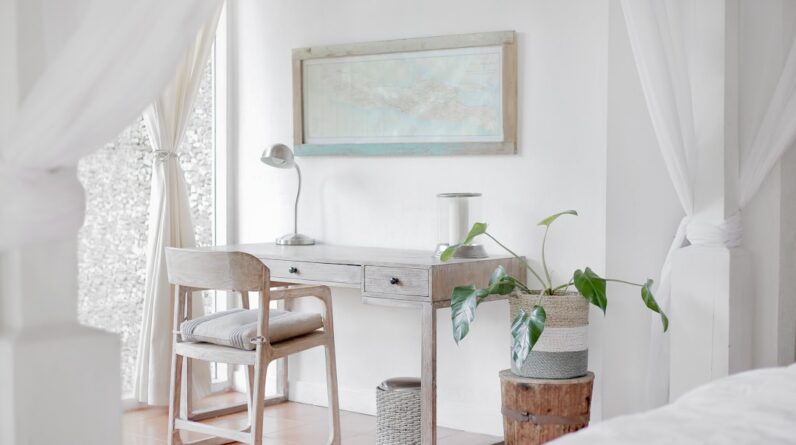
Incorporating natural elements into your home is a fundamental aspect of Japanese Zen interior design. Nature serves as both inspiration and a source of tranquility in this style. You might consider using materials such as wood, stone, bamboo, and paper to create an authentic Zen atmosphere.
Each material carries its own unique qualities and textures, contributing to a harmonious environment that resonates with the natural world. The use of plants is another vital component in achieving a Zen-inspired space. You may choose to incorporate indoor plants or bonsai trees, which not only add life to your surroundings but also promote a sense of calmness and connection to nature.
The careful placement of these elements can create focal points that draw the eye while maintaining an overall sense of balance. By embracing natural materials and elements, you can cultivate an environment that nurtures your well-being and encourages mindfulness.
Color Palette and Lighting in Japanese Zen Interior Design
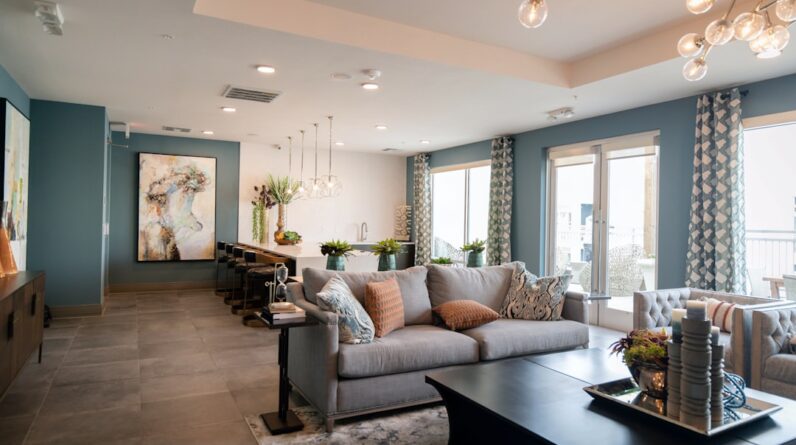
The color palette in Japanese Zen interior design is typically characterized by soft, muted tones that evoke a sense of tranquility. You may find yourself drawn to earthy colors such as beige, taupe, soft greens, and gentle blues. These hues create a soothing backdrop that allows other elements within the space to shine without overwhelming the senses.
As you select colors for your home, consider how they can enhance your mood and promote relaxation. Lighting plays a crucial role in establishing the ambiance of a Zen-inspired space. Natural light is highly valued in Japanese design, so maximizing daylight through large windows or sliding doors can create an open and airy feel.
You might also explore using paper lanterns or soft pendant lights to provide gentle illumination during the evening hours. The interplay between light and shadow can add depth to your space while fostering a sense of serenity. By thoughtfully considering your color palette and lighting choices, you can create an environment that invites peace and reflection.
Furniture and Decor in Japanese Zen Interior Design

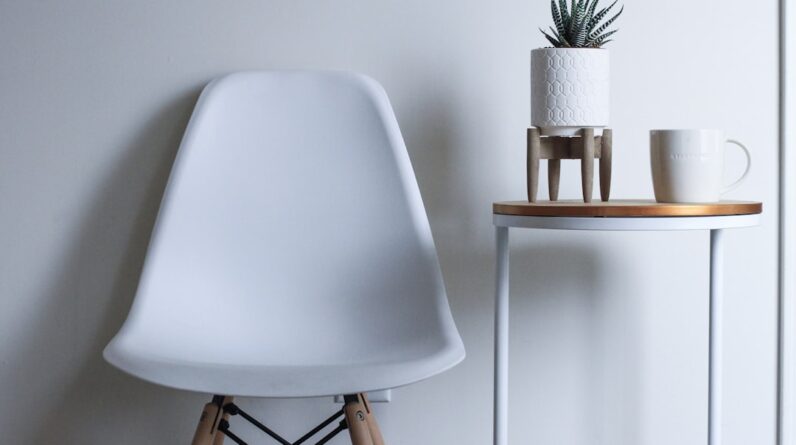
When it comes to furniture and decor in Japanese Zen interior design, simplicity and functionality reign supreme. You may find that low-profile furniture pieces are common, such as low tables and floor cushions, which encourage a relaxed seating arrangement conducive to conversation or meditation. The absence of bulky furniture allows for greater flexibility in arranging your space while promoting an open atmosphere.
Decorative elements should be kept to a minimum, focusing instead on quality over quantity. You might choose to display a few carefully selected art pieces or handcrafted items that resonate with your personal aesthetic. Natural materials like wood or stone can be incorporated into decorative accents, reinforcing the connection to nature that is central to Zen philosophy.
By curating your furniture and decor with intention, you can create a cohesive environment that embodies tranquility and mindfulness.
Creating a Zen Meditation Space in Japanese Zen Interior Design
Designing a dedicated meditation space within your home can be a transformative experience that enhances your practice and promotes inner peace. To create this sanctuary, consider selecting a quiet corner or room where you can retreat from the busyness of daily life. You may want to incorporate elements such as soft cushions or mats for comfortable seating during meditation sessions.
Incorporating natural elements into your meditation space can further enhance its calming effect. You might choose to add plants or small water features that evoke tranquility and promote relaxation. Additionally, consider using calming scents through essential oils or incense to create an inviting atmosphere conducive to mindfulness practice.
By thoughtfully designing your meditation space with these elements in mind, you can cultivate an environment that supports your journey toward inner peace.
Incorporating Japanese Zen Interior Design in Your Home
As you embark on the journey of incorporating Japanese Zen interior design into your home, remember that it is not just about aesthetics; it is about creating an environment that nurtures your well-being and promotes mindfulness. Start by decluttering your space and selecting meaningful items that resonate with you personally. Embrace minimalism by focusing on quality over quantity, allowing each piece to contribute to the overall harmony of your home.
Consider integrating natural materials and elements throughout your living space to foster a connection with nature. Whether through wooden furniture, stone accents, or indoor plants, these choices will enhance the tranquility of your environment. Pay attention to your color palette and lighting as well; soft hues and gentle illumination can significantly impact the ambiance of your home.
Ultimately, incorporating Japanese Zen interior design into your home is about creating a sanctuary where you can find peace amidst the chaos of everyday life. By embracing simplicity, natural elements, and mindful design principles, you can cultivate an environment that supports relaxation, reflection, and personal growth. As you embark on this journey, allow yourself the freedom to explore what resonates with you personally while remaining true to the core tenets of Zen philosophy.
FAQs
What is Japanese Zen interior design?
Japanese Zen interior design is a minimalist and peaceful style that focuses on creating a tranquil and harmonious space. It emphasizes simplicity, natural elements, and a connection to nature.
What are the key elements of Japanese Zen interior design?
Key elements of Japanese Zen interior design include natural materials such as wood and stone, neutral color palettes, clean and uncluttered spaces, and a focus on natural light and open floor plans. Additionally, incorporating elements such as indoor plants, shoji screens, and tatami mats are also common in this style.
How does Japanese Zen interior design promote a sense of tranquility?
Japanese Zen interior design promotes a sense of tranquility through its use of minimalism, natural elements, and a focus on creating a peaceful and uncluttered environment. The design encourages mindfulness and a connection to nature, which can help reduce stress and promote a sense of calm.
What are some common furniture and decor pieces in Japanese Zen interior design?
Common furniture and decor pieces in Japanese Zen interior design include low-lying furniture such as tatami mats, shoji screens, simple and functional pieces, natural fiber rugs, and minimalist artwork or decor. Additionally, incorporating elements such as bonsai trees, bamboo, and water features can also enhance the overall aesthetic.
How can I incorporate Japanese Zen interior design into my home?
To incorporate Japanese Zen interior design into your home, consider decluttering and simplifying your space, using natural materials and neutral colors, incorporating elements of nature such as indoor plants or water features, and choosing furniture and decor pieces that are simple, functional, and promote a sense of calm and tranquility.