


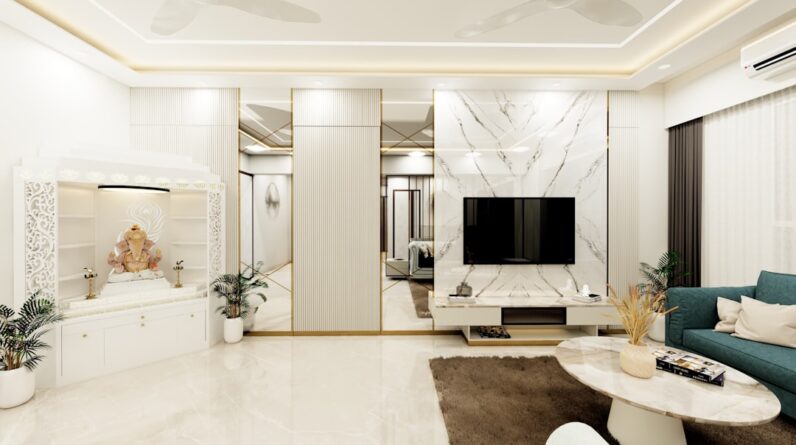
When it comes to senior living, the significance of interior design cannot be overstated. The environment in which you reside plays a crucial role in your overall well-being and quality of life. Thoughtful design can enhance comfort, promote independence, and foster a sense of belonging.
As you age, your needs and preferences evolve, making it essential for living spaces to adapt accordingly. A well-designed interior can not only improve functionality but also create an inviting atmosphere that encourages social interaction and engagement. Moreover, the aesthetic appeal of a space can significantly impact your mood and mental health.
A thoughtfully curated environment can evoke feelings of joy and tranquility, while a poorly designed one may lead to feelings of isolation or discomfort. By prioritizing senior living interior design, you are investing in a space that nurtures both physical and emotional well-being. This investment can lead to a more fulfilling life, where you feel empowered to engage with your surroundings and the community around you.
Key Takeaways
- Senior living interior design is important for creating a comfortable and safe environment for elderly residents.
- Accessibility and mobility features should be incorporated to ensure ease of movement for seniors.
- Natural light and bright colors can help improve mood and overall well-being of residents.
- Functional and multi-purpose spaces are essential for meeting the diverse needs of senior residents.
- Memory care and dementia-friendly design should be integrated to support residents with cognitive impairments.
Creating a Safe and Comfortable Environment
Safety is paramount in any living space, especially for seniors who may face mobility challenges or health concerns. A well-designed senior living environment should prioritize safety features that minimize risks and promote peace of mind. This includes elements such as non-slip flooring, well-placed handrails, and adequate lighting to prevent falls and accidents.
You should feel secure in your home, knowing that the design has taken your safety into account. Comfort is equally important in creating a welcoming atmosphere. The layout of your living space should allow for easy navigation, with clear pathways and accessible furniture arrangements.
Cozy seating areas, soft textiles, and personalized decor can contribute to a sense of comfort that makes you feel at home. By focusing on both safety and comfort, you can create an environment that supports your daily activities while also providing a sanctuary for relaxation and rejuvenation.
Incorporating Accessibility and Mobility Features
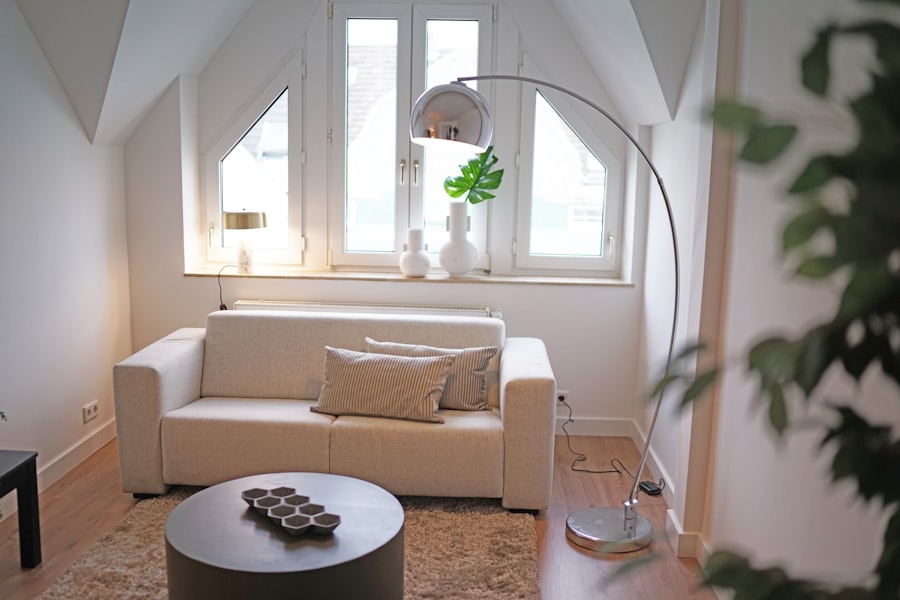
As you age, mobility may become a concern, making it essential to incorporate accessibility features into your living space. This can include wider doorways to accommodate walkers or wheelchairs, as well as lever-style door handles that are easier to operate than traditional knobs. You may also want to consider adjustable furniture that can be modified to suit your needs, ensuring that you can maintain independence while navigating your home.
In addition to physical modifications, technology can play a significant role in enhancing accessibility. Smart home devices can be programmed to assist with daily tasks, such as adjusting lighting or controlling temperature with voice commands. By integrating these features into your living space, you can create an environment that not only meets your current needs but also anticipates future challenges, allowing you to live comfortably and independently for years to come.
Utilizing Natural Light and Bright Colors
Natural light has a profound impact on mood and well-being, making it an essential element in senior living interior design. Large windows, skylights, and open layouts can help maximize the amount of sunlight that enters your home, creating a warm and inviting atmosphere. Exposure to natural light can improve your mood, enhance cognitive function, and even regulate sleep patterns.
Therefore, when designing your space, consider how you can incorporate ample natural light to create a vibrant environment. In addition to natural light, the use of bright colors can significantly influence the ambiance of your living space. Warm hues like yellows and oranges can evoke feelings of happiness and energy, while cooler tones like blues and greens can promote calmness and relaxation.
By thoughtfully selecting a color palette that resonates with you, you can create an environment that reflects your personality while also enhancing your emotional well-being.
Designing Functional and Multi-purpose Spaces
In senior living design, functionality is key. As you age, the need for versatile spaces becomes increasingly important. Designing multi-purpose areas allows you to maximize the use of your home while accommodating various activities.
For instance, a living room can double as a social gathering space or a quiet reading nook, depending on your needs at any given moment. By creating flexible spaces that adapt to your lifestyle, you can ensure that your home remains relevant and enjoyable. Additionally, incorporating storage solutions into these multi-purpose areas is essential for maintaining organization and reducing clutter.
Built-in shelves, hidden compartments, and furniture with storage capabilities can help keep your space tidy while providing easy access to essential items. By prioritizing functionality in your design choices, you can create an environment that supports your daily routines while also allowing for spontaneity and creativity.
Incorporating Memory Care and Dementia-Friendly Design
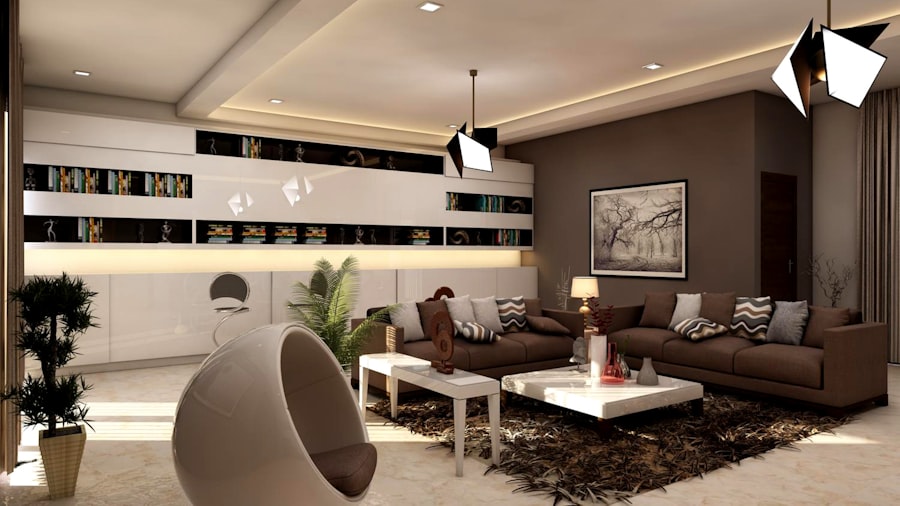
For seniors experiencing memory loss or dementia, specialized design elements can make a significant difference in their quality of life. Memory care design focuses on creating environments that are both safe and supportive for individuals with cognitive challenges. This includes using clear signage to help navigate spaces, incorporating familiar objects or colors to evoke positive memories, and ensuring that the layout minimizes confusion.
Creating a calming atmosphere is also crucial in memory care design. Soft lighting, soothing colors, and quiet spaces can help reduce anxiety and agitation. Additionally, incorporating sensory elements such as textured fabrics or fragrant plants can engage the senses and provide comfort.
By prioritizing memory care in your interior design choices, you can create an environment that fosters independence while also providing the support needed for those facing cognitive challenges.
Choosing Senior-Friendly Furniture and Fixtures
Selecting the right furniture and fixtures is vital in creating a senior-friendly living space. Comfort should be at the forefront of your choices; look for seating options with adequate support and cushioning to ensure relaxation without strain. Additionally, consider height-adjustable tables or chairs that make it easier for you to sit down or stand up without assistance.
Durability is another important factor when choosing furniture for senior living spaces. Opt for materials that are easy to clean and maintain while also being resistant to wear and tear. This not only ensures longevity but also contributes to a tidy environment that promotes overall well-being.
By carefully selecting furniture and fixtures that cater to your needs, you can create a space that is both functional and inviting.
Balancing Aesthetics with Practicality
While aesthetics play a significant role in interior design, practicality should never be overlooked—especially in senior living environments. Striking the right balance between beauty and functionality is essential for creating spaces that are both visually appealing and easy to navigate. You want your home to reflect your personal style while also accommodating your unique needs.
Consider incorporating stylish yet practical elements into your design choices. For example, choose decorative items that serve a purpose—such as attractive storage solutions or functional art pieces—that enhance the overall aesthetic without compromising usability. By blending aesthetics with practicality, you can create an environment that feels both beautiful and supportive of your lifestyle.
Incorporating Technology and Smart Home Features
In today’s digital age, technology has become an integral part of our lives—and it can greatly enhance senior living environments as well. Smart home features offer convenience and security by allowing you to control various aspects of your home through voice commands or mobile apps. From adjusting lighting to monitoring security systems, technology can provide peace of mind while simplifying daily tasks.
Moreover, assistive technologies such as medical alert systems or fall detection devices can significantly improve safety for seniors living independently. By integrating these technologies into your home design, you not only enhance functionality but also empower yourself to live confidently and independently.
Creating a Sense of Community and Socialization
A vital aspect of senior living is fostering a sense of community among residents. Thoughtful interior design can facilitate social interaction by creating inviting communal spaces where you can gather with friends or neighbors. Open layouts with comfortable seating arrangements encourage conversation and connection while promoting an inclusive atmosphere.
Incorporating shared amenities such as game rooms, gardens, or dining areas can further enhance opportunities for socialization. These spaces should be designed with accessibility in mind so that everyone feels welcome to participate in activities or events. By prioritizing community-oriented design elements, you can cultivate meaningful relationships that enrich your life.
Working with Professional Senior Living Interior Designers
Navigating the complexities of senior living interior design can be overwhelming; however, working with professional designers who specialize in this field can make the process much smoother. These experts understand the unique needs of seniors and are equipped with the knowledge necessary to create functional yet beautiful spaces tailored specifically for you. Collaborating with a designer allows you to express your preferences while benefiting from their expertise in selecting appropriate materials, colors, and layouts that enhance both safety and comfort.
They can help you envision possibilities you may not have considered while ensuring that every aspect of your living space aligns with your lifestyle goals. By enlisting the help of professionals in senior living interior design, you can create an environment that truly feels like home—one that supports your independence while nurturing your well-being.
FAQs
What is senior living interior design?
Senior living interior design focuses on creating living spaces that are functional, safe, and aesthetically pleasing for older adults. It takes into consideration the unique needs and challenges of seniors, such as mobility issues and accessibility requirements.
What are some key considerations in senior living interior design?
Key considerations in senior living interior design include incorporating elements that promote safety, such as non-slip flooring and grab bars, as well as creating spaces that are easy to navigate and promote independence. Additionally, the design should take into account the sensory needs of seniors, such as lighting and acoustics.
How does interior design impact the well-being of seniors?
Well-thought-out interior design can have a significant impact on the well-being of seniors. It can contribute to a sense of comfort, security, and familiarity, as well as support social interaction and engagement. Additionally, a well-designed space can help to reduce stress and anxiety, and promote overall mental and emotional well-being.
What are some popular design trends in senior living interior design?
Some popular design trends in senior living interior design include the use of warm and inviting color palettes, the incorporation of natural light and outdoor views, and the use of flexible and multi-functional spaces. Additionally, there is a growing emphasis on creating environments that support wellness and active aging.
Why is it important to work with a professional for senior living interior design?
Working with a professional for senior living interior design is important because they have the expertise and experience to create spaces that meet the unique needs of seniors. They can also help to navigate regulations and guidelines related to senior living design, and can ensure that the design is both functional and aesthetically pleasing.


