


In the realm of interior design, lighting plays a pivotal role in shaping the overall atmosphere and functionality of a space. Smart lighting, in particular, has emerged as a transformative element that not only enhances aesthetics but also elevates the user experience. As you navigate through your design choices, consider how smart lighting can adapt to your lifestyle, offering convenience and flexibility that traditional lighting simply cannot match.
By integrating smart lighting into your design, you can create spaces that are not only visually appealing but also responsive to your needs. Moreover, smart lighting systems allow for a level of customization that empowers you to curate the perfect ambiance for any occasion. Whether you’re hosting a dinner party, enjoying a quiet evening at home, or working from your study, the ability to adjust brightness and color temperature at the touch of a button can significantly enhance your environment.
This adaptability is essential in modern interior design, where the focus is increasingly on creating multifunctional spaces that cater to diverse activities and moods. As you explore the possibilities of smart lighting, you’ll find that it can serve as a powerful tool in your design arsenal.
Key Takeaways
- Smart lighting is crucial in interior design as it can enhance the ambiance, mood, and productivity of a space.
- There are various types of smart lighting systems available for interior design, including Wi-Fi enabled bulbs, smart switches, and integrated lighting control systems.
- Smart lighting can enhance the ambiance of a space by allowing for customizable lighting scenes, color temperature adjustments, and dynamic lighting effects.
- Integrating smart lighting with home automation systems can provide convenience, security, and energy efficiency benefits.
- Smart lighting offers energy efficiency and cost savings through features such as motion sensors, scheduling, and remote control capabilities.
Types of Smart Lighting Systems for Interior Design
When it comes to smart lighting systems, you have a plethora of options to choose from, each offering unique features and benefits. One popular choice is smart bulbs, which can be easily installed in existing fixtures. These bulbs connect to your home Wi-Fi network and can be controlled via smartphone apps or voice commands.
This means you can change colors, dim lights, or set schedules without needing to replace your entire lighting system. As you consider your design, think about how these versatile bulbs can seamlessly integrate into your existing decor while providing enhanced functionality. Another option is smart light strips, which can be used to accentuate architectural features or create mood lighting in various areas of your home.
These flexible strips can be placed under cabinets, along shelves, or even behind furniture to create a soft glow that adds depth and dimension to your space. With customizable colors and brightness levels, light strips allow you to experiment with different looks and styles, making them an excellent choice for those who enjoy changing their interior aesthetics frequently. As you explore these options, consider how each type of smart lighting can complement your overall design vision.
How Smart Lighting Can Enhance the Ambiance of a Space
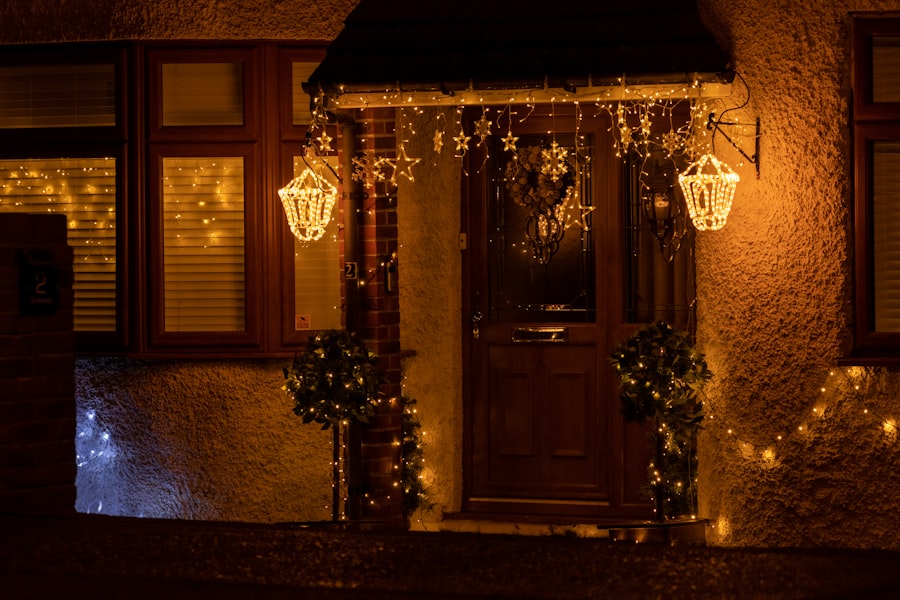
The ambiance of a space is often dictated by its lighting, and smart lighting systems provide an unparalleled opportunity to manipulate this crucial element. Imagine walking into a room where the lights automatically adjust to a warm hue as the sun sets, creating a cozy atmosphere that invites relaxation. With smart lighting, you can program scenes that reflect different moods or activities throughout the day.
For instance, bright white light can energize your mornings, while softer tones can help you unwind in the evening. This level of control allows you to tailor your environment to suit your lifestyle perfectly. Additionally, smart lighting can enhance the architectural features of your home, drawing attention to artwork or highlighting unique design elements.
By strategically placing lights and adjusting their intensity and color, you can create focal points that elevate the overall aesthetic of your space. This not only adds visual interest but also contributes to a more immersive experience for anyone who enters the room. As you consider how to enhance the ambiance of your interiors, think about how smart lighting can be used as both a functional and decorative element.
Integrating Smart Lighting with Home Automation Systems
Integrating smart lighting with home automation systems takes your interior design to the next level by creating a cohesive and interconnected environment. Imagine controlling not just your lights but also your thermostat, security system, and entertainment devices from a single app or voice command. This level of integration allows for seamless transitions between different activities and enhances the overall convenience of your home.
As you plan your interior design project, consider how smart lighting can work in harmony with other automated systems to create a truly intelligent living space. Moreover, the ability to set routines and schedules for your smart lighting can significantly enhance your daily life. For example, you can program your lights to gradually brighten in the morning, simulating a natural sunrise that gently wakes you up.
Similarly, you can set them to dim at night as part of your winding-down routine. This integration not only adds convenience but also promotes healthier habits by aligning your environment with your natural rhythms. As you explore home automation options, think about how smart lighting can play a central role in creating an integrated and harmonious living experience.
Energy Efficiency and Cost Savings with Smart Lighting
One of the most compelling reasons to incorporate smart lighting into your interior design is its potential for energy efficiency and cost savings. Traditional incandescent bulbs consume significantly more energy than their LED counterparts, which are often used in smart lighting systems. By switching to smart LED bulbs, you can reduce your energy consumption while still enjoying high-quality illumination.
This not only benefits the environment but also translates into lower utility bills over time. Additionally, many smart lighting systems come equipped with features such as motion sensors and timers that further enhance energy efficiency. For instance, lights can automatically turn off when no one is present in a room or adjust their brightness based on natural light levels.
This level of automation ensures that energy is used only when necessary, allowing you to maximize savings without sacrificing comfort or style. As you consider the financial implications of your design choices, keep in mind how smart lighting can contribute to both sustainability and cost-effectiveness.
Choosing the Right Smart Lighting Fixtures for Different Rooms
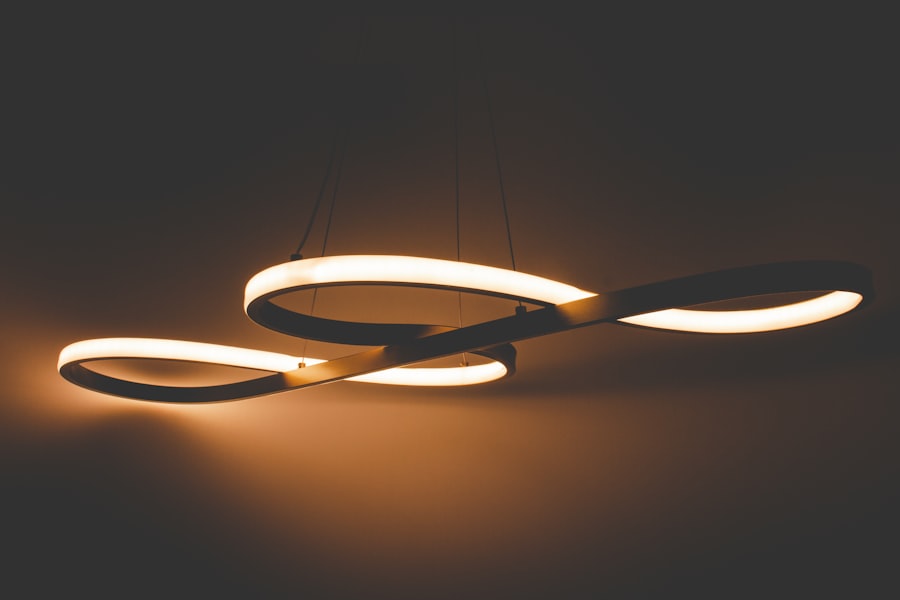
Living Areas: Creating an Inviting Atmosphere
In living areas where social interactions take place, consider using adjustable smart bulbs that allow for varying brightness levels and colors. This flexibility enables you to create an inviting atmosphere for gatherings while also providing adequate light for activities like reading or playing games.
Bedrooms: Promoting Relaxation and Restful Sleep
Think about how different fixtures can complement your existing decor while enhancing the overall ambiance. In contrast, bedrooms may benefit from softer lighting options that promote relaxation and restful sleep. Smart dimmers or bedside lamps with adjustable color temperatures can help create a calming environment conducive to winding down at the end of the day.
Functional Spaces: Enhancing Productivity and Ambiance
Additionally, incorporating smart lighting into spaces like kitchens or home offices can enhance functionality by providing bright task lighting when needed while still allowing for softer ambient light during downtime. As you choose fixtures for each room, consider how they will serve both practical purposes and contribute to the overall design aesthetic.
The Impact of Color Temperature and Brightness on Mood and Productivity
The color temperature and brightness of your lighting have profound effects on mood and productivity within a space. Warmer color temperatures (around 2700K-3000K) tend to create cozy and inviting atmospheres ideal for relaxation areas like living rooms or bedrooms. In contrast, cooler temperatures (above 4000K) are often associated with alertness and focus, making them suitable for workspaces or kitchens where concentration is key.
By utilizing smart lighting systems that allow you to adjust these parameters easily, you can create environments tailored specifically to their intended use. Furthermore, studies have shown that exposure to natural light significantly impacts mood and productivity levels throughout the day. Smart lighting systems equipped with daylight simulation features can mimic natural light patterns by gradually changing color temperatures throughout the day.
This not only helps regulate circadian rhythms but also enhances overall well-being by creating an environment that feels more connected to nature. As you explore how color temperature and brightness affect mood and productivity in your designs, consider incorporating these elements into your smart lighting strategy.
Tips for Incorporating Smart Lighting into Interior Design Projects
As you embark on incorporating smart lighting into your interior design projects, there are several tips to keep in mind that will help ensure success. First and foremost, assess the specific needs of each room before selecting fixtures or systems. Consider factors such as natural light availability, room function, and desired ambiance when making decisions about placement and type of lighting.
This thoughtful approach will help create spaces that are both functional and visually appealing. Additionally, don’t hesitate to experiment with different configurations and settings once your smart lighting is installed. Take advantage of the flexibility offered by these systems by trying out various color temperatures and brightness levels until you find what works best for each space.
You may discover new ways to enhance the atmosphere or functionality of a room simply by adjusting the lighting settings. Finally, remember that technology should complement your design rather than overpower it; choose fixtures that blend seamlessly with your decor while providing the benefits of smart functionality. In conclusion, integrating smart lighting into your interior design projects offers numerous advantages that extend beyond mere aesthetics.
From enhancing ambiance and improving energy efficiency to promoting productivity and well-being, smart lighting serves as an essential component in modern interior design strategies. By carefully considering the types of systems available and how they align with your design vision, you can create spaces that are not only beautiful but also functional and responsive to your lifestyle needs.
FAQs
What is smart lighting in interior design?
Smart lighting in interior design refers to the use of advanced lighting technology that can be controlled remotely through a smartphone, tablet, or voice commands. It allows for customizable lighting options, energy efficiency, and the ability to create different moods and ambiances within a space.
What are the benefits of using smart lighting in interior design?
Some benefits of using smart lighting in interior design include energy efficiency, the ability to create different atmospheres and moods, convenience of remote control, and the potential for cost savings through automated lighting schedules.
What are some popular features of smart lighting systems?
Popular features of smart lighting systems include dimming capabilities, color-changing options, scheduling and automation, motion sensors, and integration with smart home systems such as Amazon Alexa, Google Assistant, or Apple HomeKit.
How does smart lighting impact interior design?
Smart lighting can impact interior design by providing more flexibility and control over the lighting in a space. It allows for the creation of different atmospheres and moods, enhances the functionality of lighting, and can contribute to the overall aesthetic and ambiance of a room.
What are some considerations when incorporating smart lighting into interior design?
Considerations when incorporating smart lighting into interior design include the compatibility of the smart lighting system with existing technology, the desired features and capabilities, the overall design aesthetic, and the potential for future expansion or integration with other smart home devices.


