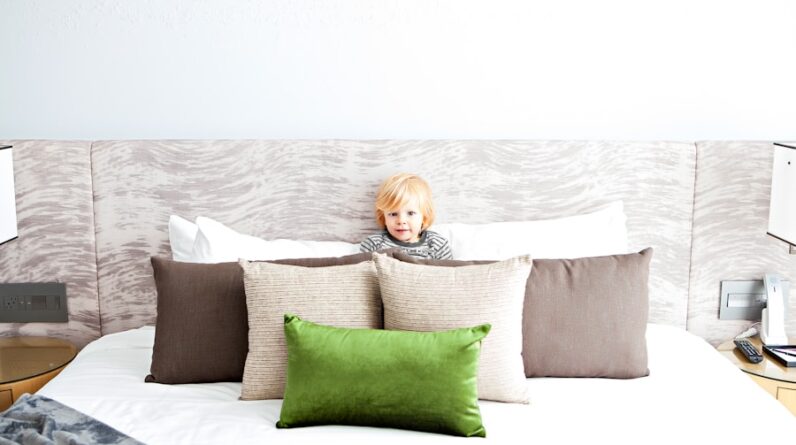
When it comes to creating a space for your child, safety should always be your top priority. You want to ensure that every corner of the room is free from hazards that could lead to accidents. Start by assessing the room for any sharp edges or unstable furniture that could tip over.
Consider anchoring heavy furniture, such as bookshelves and dressers, to the wall to prevent them from falling. Additionally, it’s wise to cover electrical outlets with safety plugs and keep cords from blinds or curtains out of reach. By taking these precautions, you can create a secure environment where your child can explore and play without constant worry.
Moreover, think about the materials you choose for the room. Opt for non-toxic paints and finishes, as children are often prone to touching surfaces and putting their hands in their mouths. Look for furniture made from safe materials that are free from harmful chemicals.
Soft rugs can provide a cushioned area for play, reducing the risk of injury from falls. By prioritizing safety in your child’s room, you not only protect them but also foster a sense of security that allows them to thrive in their environment.
Key Takeaways
- Safety gates, outlet covers, and furniture anchors are essential for creating a secure environment for your child.
- Choose furniture with rounded edges and non-toxic materials to prevent accidents and promote a safe play area.
- Consider using soft, washable rugs and non-slip mats to create a safe and comfortable play space for your child.
- Opt for adjustable shelving and storage bins to keep toys and other essentials organized and easily accessible.
- Look for durable, easy-to-clean materials when selecting furnishings to ensure longevity and practicality for your child’s room.
Practical Layout: Designing a Functional Space for Play and Rest
Zoning the Room for Better Functionality
Start by dividing the room into distinct areas: one for sleeping, another for play, and perhaps a study corner as they grow older. This separation helps your child understand the different activities associated with each space, promoting better focus during playtime and relaxation during bedtime.
Arranging Furniture for Easy Movement
When arranging furniture, consider the flow of movement within the room. Ensure there is enough space for your child to move around freely without bumping into furniture. Position the bed in a way that allows easy access while also providing a cozy nook for reading or winding down at night.
Encouraging Comfortable Engagement
A well-thought-out layout not only enhances the functionality of the room but also encourages your child to engage in various activities comfortably. By creating a space that is both functional and comfortable, you can help your child develop healthy habits and a positive relationship with their room.
Age-Appropriate Decor: Creating a Room that Grows with Your Child

As your child grows, their interests and needs will evolve, making it essential to choose decor that can adapt over time. Start with a neutral color palette for the walls and larger furniture pieces, allowing you to easily switch out accessories as your child’s tastes change. For instance, you might choose a calming shade of gray or beige for the walls, which can be complemented with colorful bedding or wall art that reflects your child’s current interests.
Incorporating versatile decor elements can also help create a room that grows with your child. Consider using removable wall decals instead of permanent paint designs, allowing you to change themes without a complete overhaul. Additionally, select furniture that can serve multiple purposes, such as a bed with built-in storage or a desk that can transition from a play table to a study area.
By being mindful of age-appropriate decor, you can create a space that remains relevant and enjoyable for your child throughout their developmental stages.
Storage Solutions: Organizing Toys, Clothes, and Other Essentials
A well-organized room is essential for maintaining a peaceful environment where your child can thrive. Implementing effective storage solutions will help keep toys, clothes, and other essentials neatly tucked away while still being easily accessible. Start by investing in storage bins or baskets that can be labeled according to their contents—this not only makes it easier for your child to find what they need but also encourages them to participate in tidying up.
Consider utilizing vertical space by installing shelves or wall-mounted organizers. This approach maximizes storage without taking up valuable floor space, allowing for more room to play. Additionally, under-bed storage can be an excellent solution for keeping seasonal clothing or larger toys out of sight but still within reach.
By prioritizing organization through thoughtful storage solutions, you create an environment that promotes independence and responsibility in your child.
Comfortable Furnishings: Choosing the Right Bed, Mattress, and Seating
Selecting comfortable furnishings is vital for ensuring your child’s well-being and promoting healthy sleep habits. When choosing a bed, consider options that provide adequate support while also being safe for your child’s age group. A low-profile bed frame can make it easier for younger children to climb in and out safely.
As they grow older, you might opt for a lofted bed that creates additional space underneath for play or study. Equally important is the mattress selection; look for one that offers both comfort and support tailored to your child’s needs. A medium-firm mattress is often recommended for growing bodies, providing the right balance between softness and support.
Additionally, seating options should be comfortable yet functional—bean bags or small chairs can create cozy reading nooks while also being easy to move around as needed. By focusing on comfortable furnishings, you ensure that your child’s room is not only stylish but also conducive to rest and relaxation.
Lighting and Temperature: Creating a Relaxing and Inviting Atmosphere
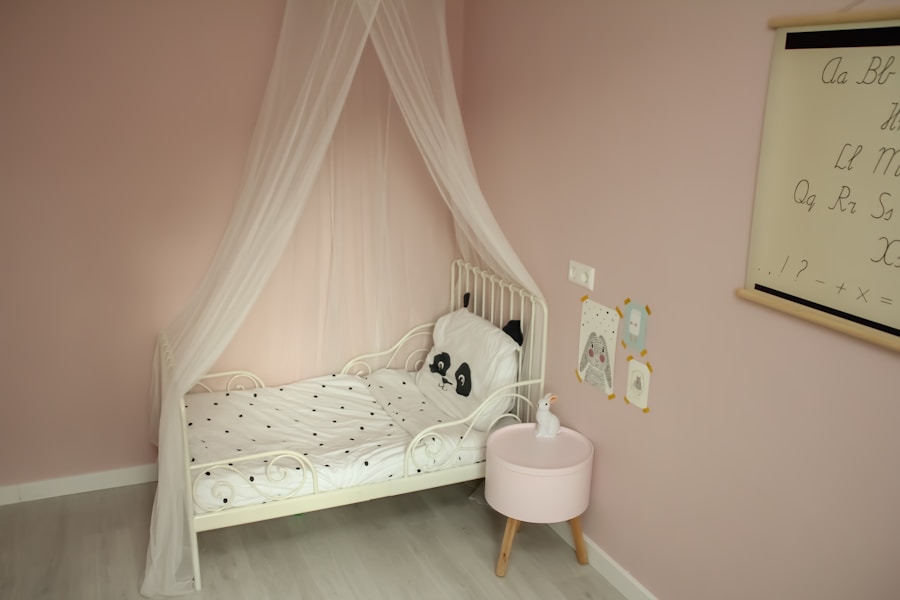
Optimal Lighting for a Peaceful Ambiance
Natural light is ideal during the day, and using sheer curtains can help filter in sunlight while maintaining privacy. As the sun sets, incorporate soft lighting options like bedside lamps or fairy lights to create a calming atmosphere that promotes winding down before sleep.
Maintaining a Comfortable Temperature
Temperature regulation is crucial in creating a cozy atmosphere. Ensure the room is well-ventilated and maintain a comfortable temperature throughout the year. You can use fans or space heaters as needed, but make sure they are safe and out of reach of your child.
Establishing Healthy Sleep Routines
By creating a sleep-conducive environment, you can encourage relaxation and help your child establish healthy sleep routines. This makes it easier for them to transition from playtime to bedtime seamlessly, leading to better sleep quality and a more restful night’s sleep.
Personalization: Incorporating Your Child’s Interests and Personality
Personalizing your child’s room is an excellent way to make them feel more connected to their space. Start by involving them in the design process—ask about their favorite colors, themes, or characters they love. This engagement not only empowers them but also ensures that the room reflects their unique personality.
Incorporate personal touches through artwork or photographs that resonate with your child’s interests. You might create a gallery wall featuring their drawings or framed pictures of family vacations. Additionally, consider adding items like personalized bedding or monogrammed accessories that make the space feel uniquely theirs.
By embracing personalization, you create an environment where your child feels valued and inspired.
Budget-Friendly Options: Designing a Stylish Space without Breaking the Bank
Designing a stylish room for your child doesn’t have to come with a hefty price tag. There are numerous budget-friendly options available that allow you to create an inviting space without overspending. Start by shopping at thrift stores or online marketplaces where you can find gently used furniture or decor items at a fraction of the cost.
DIY projects can also be an excellent way to save money while adding a personal touch to the room. Consider repurposing old furniture with a fresh coat of paint or creating custom wall art using inexpensive materials. Additionally, look for sales or discounts on essential items like bedding or storage solutions—many retailers offer seasonal sales that can help you stay within budget while still achieving the desired look for your child’s room.
By being resourceful and creative, you can design a beautiful space that reflects both style and practicality without breaking the bank.
FAQs
What are the key considerations when designing a child’s bedroom or nursery?
The key considerations when designing a child’s bedroom or nursery include safety, functionality, comfort, and aesthetics. It is important to create a space that is safe for the child, meets their needs, and is visually appealing.
How can safety be prioritized in the design of a child’s bedroom or nursery?
Safety can be prioritized in the design of a child’s bedroom or nursery by ensuring that furniture is securely anchored, sharp edges are covered, and electrical outlets are childproofed. Additionally, using non-toxic materials and ensuring proper ventilation are important for the child’s health and well-being.
What are some functional elements to consider when designing a child’s bedroom or nursery?
Functional elements to consider when designing a child’s bedroom or nursery include ample storage for toys and clothes, a comfortable and safe sleeping area, and a designated space for play and learning activities. It is also important to consider the child’s future needs as they grow.
How can comfort be incorporated into the design of a child’s bedroom or nursery?
Comfort can be incorporated into the design of a child’s bedroom or nursery by choosing soft and cozy bedding, comfortable seating, and appropriate lighting. Creating a soothing and calming environment can also contribute to the child’s comfort.
What are some aesthetic considerations when designing a child’s bedroom or nursery?
Aesthetic considerations when designing a child’s bedroom or nursery include choosing a theme or color scheme that is visually appealing to the child, incorporating age-appropriate decor, and creating a space that reflects the child’s personality and interests. It is important to strike a balance between functionality and aesthetics.