As you step into the world of home automation and smart home design, you find yourself at the intersection of technology and comfort. The concept of a smart home is no longer a futuristic dream; it has become a tangible reality that enhances your daily living experience. Home automation refers to the use of technology to control various household systems and appliances, allowing you to manage everything from lighting to security with ease.
This integration of technology not only simplifies your life but also offers a level of convenience that was once unimaginable. In recent years, the rise of smart home devices has transformed the way you interact with your living space. With the ability to control your home environment through your smartphone or voice commands, you can create a personalized atmosphere that suits your lifestyle.
Whether you are looking to improve energy efficiency, enhance security, or simply enjoy the convenience of automation, smart home design offers a myriad of possibilities. As you delve deeper into this realm, you will discover how these innovations can elevate your home experience and provide you with greater control over your surroundings.
Key Takeaways
- Home automation and smart home design aim to make living spaces more convenient, efficient, and secure through the integration of technology.
- Voice-activated assistants and AI integration allow for hands-free control of various devices and systems within the home.
- Energy-efficient appliances and systems help reduce energy consumption and lower utility bills while minimizing environmental impact.
- Advanced security and surveillance systems provide peace of mind by offering real-time monitoring and alerts for potential threats.
- Integration of IoT devices and smart sensors enables seamless communication and automation of various home functions, such as temperature control and energy usage.
Voice-Activated Assistants and AI Integration
One of the most significant advancements in home automation is the emergence of voice-activated assistants. These intelligent systems, such as Amazon’s Alexa, Google Assistant, and Apple’s Siri, have revolutionized the way you interact with your home. By simply using your voice, you can command your devices to perform various tasks, from adjusting the thermostat to playing your favorite music.
This hands-free approach not only adds convenience but also allows for a more seamless integration of technology into your daily routine. AI integration plays a crucial role in enhancing the capabilities of these voice-activated assistants. As you engage with these systems, they learn from your preferences and habits, enabling them to provide personalized recommendations and automate tasks based on your routines.
For instance, if you typically wake up at 7 AM, your assistant can gradually adjust the lights and start brewing coffee at that time without any input from you. This level of customization not only saves you time but also creates an environment that feels intuitively responsive to your needs.
Energy-Efficient Appliances and Systems
In an era where sustainability is paramount, energy-efficient appliances and systems have become a cornerstone of smart home design. As you consider upgrading your home, investing in energy-efficient technologies can significantly reduce your carbon footprint while also lowering utility bills. From smart thermostats that learn your heating and cooling preferences to energy-efficient washing machines that optimize water usage, these appliances are designed to minimize waste and maximize efficiency.
Moreover, many energy-efficient systems can be integrated with your home automation setup, allowing for real-time monitoring and control. For example, smart thermostats can adjust temperatures based on occupancy patterns, ensuring that energy is not wasted when you’re away from home. By embracing these technologies, you not only contribute to a more sustainable future but also enjoy the financial benefits of reduced energy consumption.
The combination of convenience and eco-friendliness makes energy-efficient appliances an essential component of modern smart homes.
Advanced Security and Surveillance Systems
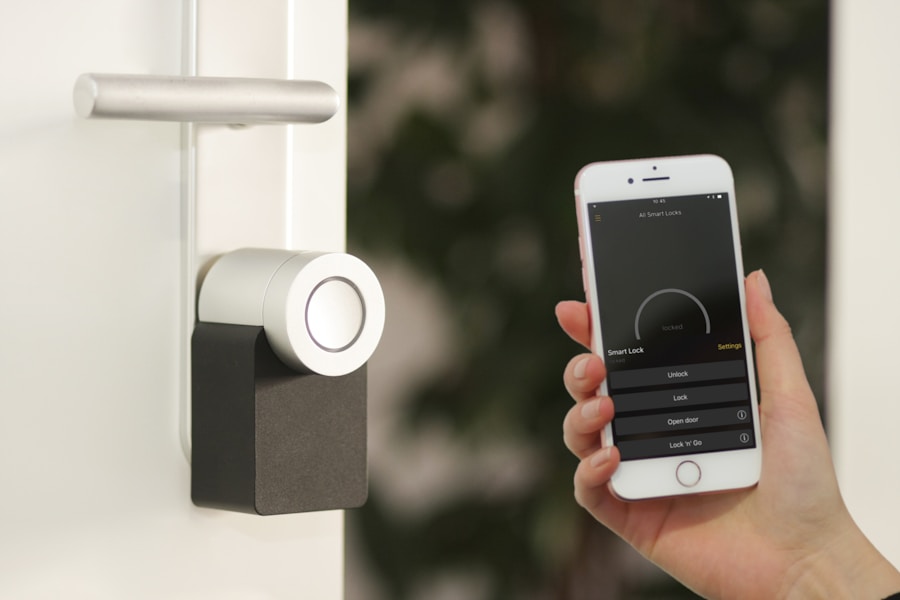
When it comes to protecting your home and loved ones, advanced security and surveillance systems are indispensable. The integration of smart technology into security solutions has transformed traditional methods into sophisticated systems that offer enhanced protection. As you explore these options, you’ll find features such as smart locks, video doorbells, and motion-activated cameras that provide real-time alerts and remote monitoring capabilities.
With smart security systems, you can keep an eye on your property from anywhere in the world. Imagine receiving a notification on your smartphone when someone approaches your front door or being able to unlock your door for a guest while you’re at work. These innovations not only enhance your peace of mind but also deter potential intruders by providing a visible layer of security.
As you invest in advanced surveillance systems, you’ll find that they not only protect your home but also empower you with greater control over your safety.
Integration of IoT Devices and Smart Sensors
The Internet of Things (IoT) has paved the way for a new era of interconnected devices that communicate with each other seamlessly. As you embrace this technology in your home, you’ll discover how IoT devices and smart sensors can enhance your living experience. From smart refrigerators that track food inventory to sensors that monitor air quality, these devices provide valuable insights into your home’s environment.
By integrating IoT devices into your home automation system, you can create a cohesive network that responds intelligently to your needs. For instance, smart sensors can detect when a room is occupied and adjust lighting and temperature accordingly. This level of automation not only enhances comfort but also contributes to energy savings by ensuring that resources are used efficiently.
As you explore the possibilities of IoT integration, you’ll find that it opens up new avenues for convenience and efficiency in your daily life.
Smart Lighting and Climate Control
Convenience at Your Fingertips
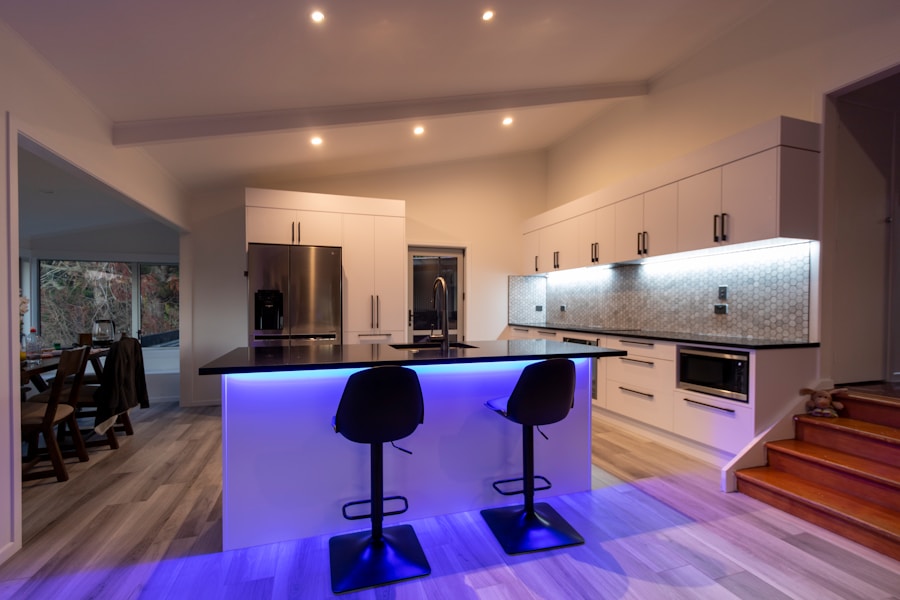
Imagine being able to control your lighting from the convenience of your smartphone or through voice commands. With smart lighting, you can do just that. Turn lights on or off, adjust brightness, and change colors with just a few taps on your device.
Climate Control Revolutionized
Smart thermostats and HVAC systems have taken climate control to the next level. These devices allow you to monitor and adjust the temperature in your home remotely, ensuring that you’re always comfortable regardless of the weather outside. Many smart thermostats learn from your habits over time, optimizing heating and cooling schedules based on when you’re home or away.
Enhanced Comfort and Energy Savings
The benefits of smart lighting and climate control don’t stop at convenience. These technologies also lead to substantial energy savings by reducing unnecessary heating or cooling when it’s not needed. This means you can enjoy a comfortable living space while also doing your part for the environment.
Remote Monitoring and Control through Mobile Apps
The ability to remotely monitor and control various aspects of your home through mobile apps is one of the most empowering features of smart home technology. With just a few taps on your smartphone, you can access real-time information about your home’s security status, energy consumption, and even appliance performance. This level of connectivity allows you to stay informed about what’s happening in your home, no matter where you are.
For instance, if you’re away on vacation and want to ensure everything is secure, you can check live camera feeds or receive alerts if any unusual activity is detected. Additionally, remote control capabilities enable you to adjust settings on appliances or systems as needed—whether it’s turning off lights left on by accident or adjusting the thermostat before returning home. This convenience not only enhances peace of mind but also allows for greater flexibility in managing your household.
Future Trends and Developments in Home Automation and Smart Home Design
As technology continues to evolve at an unprecedented pace, the future of home automation and smart home design holds exciting possibilities. One emerging trend is the increased focus on interoperability among devices from different manufacturers. As you invest in various smart devices for your home, you’ll likely want them to work seamlessly together.
The development of universal standards will enable greater compatibility between devices, allowing for more cohesive automation experiences. Another trend is the integration of artificial intelligence (AI) into smart home systems. As AI technology advances, you’ll find that smart homes become even more intuitive and responsive to your needs.
Imagine a system that not only learns from your habits but also anticipates them—adjusting lighting, temperature, and even entertainment options based on your preferences without requiring explicit commands. This level of sophistication will redefine convenience in everyday living. In conclusion, as you explore the world of home automation and smart home design, you’ll discover a wealth of opportunities to enhance your living experience.
From voice-activated assistants to energy-efficient appliances and advanced security systems, these innovations empower you with greater control over your environment while promoting sustainability and convenience. As technology continues to advance, the future promises even more exciting developments that will further transform how you interact with your home. Embracing these changes will not only improve your quality of life but also position you at the forefront of a rapidly evolving landscape in modern living.
FAQs
What is home automation and smart home design?
Home automation refers to the use of technology to control and automate household systems and appliances. Smart home design involves integrating these technologies into the design and functionality of a home to improve convenience, energy efficiency, and security.
What are the latest innovations in home automation?
Some of the latest innovations in home automation include voice-controlled smart assistants, advanced security systems with facial recognition and AI capabilities, smart thermostats for energy efficiency, and integrated home entertainment systems.
What technologies are commonly used in smart home design?
Common technologies used in smart home design include smart lighting systems, automated window treatments, smart locks and security cameras, connected appliances, and integrated home control systems that can be accessed remotely via smartphone or tablet.
How do these innovations and technologies benefit homeowners?
These innovations and technologies in home automation and smart home design can benefit homeowners by providing convenience, energy savings, improved security, and enhanced entertainment options. They can also increase the value of a home and make it more attractive to potential buyers.