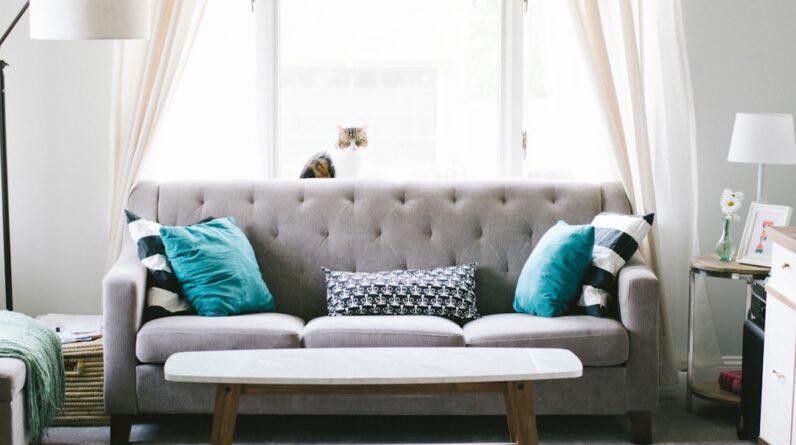
Minimalism in interior design has roots that stretch back to the early 20th century, emerging as a reaction against the ornate and elaborate styles that dominated previous eras. You may find it fascinating that this movement was influenced by various art movements, particularly the Bauhaus and De Stijl, which emphasized simplicity, functionality, and the beauty of form. As you delve deeper into its history, you’ll discover that minimalism was not just a design choice but a philosophical stance that sought to strip away excess and focus on the essentials.
This approach resonated with the post-World War II era, where there was a collective desire for simplicity and clarity in a world that had become increasingly complex. As you explore the evolution of minimalism, you’ll notice how it gained momentum in the 1960s and 1970s, particularly in the United States and Japan. Influential designers and architects began to adopt minimalist principles, creating spaces that were devoid of clutter and unnecessary ornamentation.
The Japanese aesthetic of “wabi-sabi,” which finds beauty in imperfection and transience, also played a significant role in shaping minimalist design. This cultural influence encouraged a focus on natural materials and a connection to nature, which remains a hallmark of minimalist interiors today. Understanding these origins can deepen your appreciation for the minimalist style and its enduring appeal.
Key Takeaways
- Minimalism in interior design originated in the 20th century as a reaction to the excessive ornamentation of traditional design styles.
- Key principles of minimalist interior design include simplicity, functionality, and a focus on clean lines and uncluttered spaces.
- Utilizing negative space is essential in minimalist interior design to create a sense of openness and tranquility within a space.
- Incorporating natural elements such as wood, stone, and plants can add warmth and texture to a minimalist space.
- Minimalist color schemes often feature neutral tones and textures, with an emphasis on natural light and the use of reflective surfaces.
Key Principles of Minimalist Interior Design
When you think about minimalist interior design, several key principles come to mind that define its essence. One of the most fundamental aspects is the idea of “less is more.” This principle encourages you to eliminate unnecessary items and focus on what truly matters in your space. By doing so, you create an environment that feels open and inviting, allowing for greater mental clarity and peace.
You might find that embracing this principle can lead to a more organized and serene living space, where each item serves a purpose and contributes to the overall aesthetic. Another essential principle is the emphasis on functionality. In minimalist design, every piece of furniture and decor should serve a specific function while also contributing to the overall harmony of the space.
This means that you should carefully consider each item you bring into your home, ensuring it aligns with your lifestyle and needs. As you curate your space, you may discover that prioritizing functionality over aesthetics can lead to a more satisfying and practical living environment. By focusing on these key principles, you can create a minimalist interior that not only looks beautiful but also enhances your daily life.
Utilizing Negative Space in Minimalist Interior Design
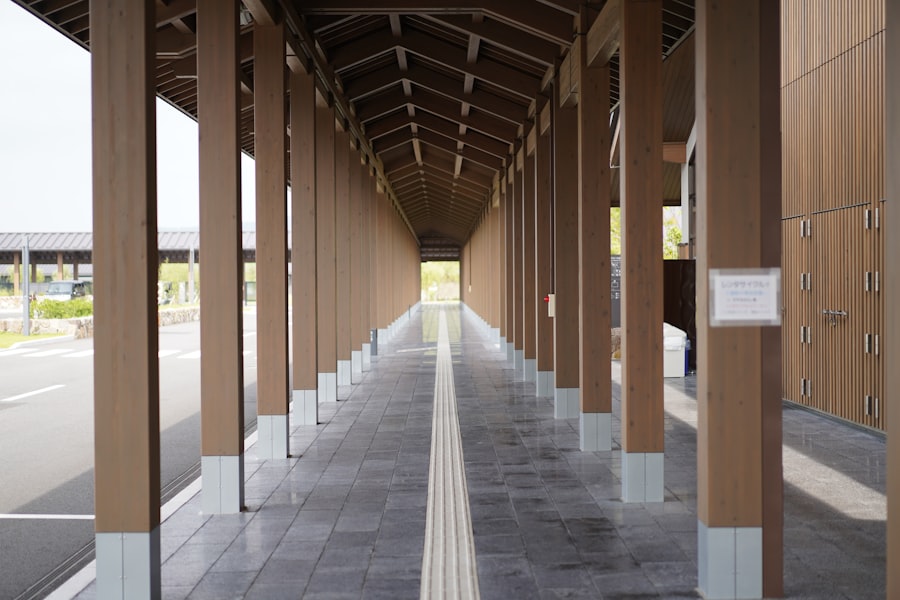
Negative space is a crucial element in minimalist interior design that often goes unnoticed but plays a significant role in creating balance and harmony within a room. When you think about negative space, consider it as the area around and between objects. In minimalist design, this space is just as important as the objects themselves.
By intentionally leaving areas empty or uncluttered, you allow your eye to rest and create a sense of tranquility in your environment. You might find that incorporating negative space can transform a crowded room into an oasis of calm. As you experiment with negative space in your own home, consider how it can enhance the overall aesthetic of your design.
For instance, placing furniture away from walls or leaving open areas in a room can create a more spacious feel. You may also want to think about how negative space can highlight specific features or focal points within your design, such as a piece of artwork or an architectural element. By embracing negative space, you can achieve a minimalist look that feels both intentional and effortless, allowing your home to breathe and inviting a sense of peace into your daily life.
Incorporating Natural Elements in Minimalist Interior Design
Incorporating natural elements into your minimalist interior design can significantly enhance the overall ambiance of your space. You may find that using materials such as wood, stone, or plants not only adds warmth but also creates a connection to nature that is often missing in modern interiors. By choosing natural materials, you can infuse your home with texture and depth while maintaining the simplicity that defines minimalism.
For instance, a wooden dining table or stone countertops can serve as beautiful focal points without overwhelming the space. Additionally, bringing plants into your home can breathe life into your minimalist design. You might consider using potted plants or even small trees to add greenery without cluttering your space.
The presence of plants not only purifies the air but also creates a calming atmosphere that enhances your well-being. As you incorporate these natural elements, remember to keep their arrangement simple and intentional, allowing them to complement rather than compete with your minimalist aesthetic. By embracing nature in your design, you can create a harmonious environment that feels both grounded and serene.
Minimalist Color Schemes and Textures
When it comes to color schemes in minimalist interior design, less is often more. You may find that sticking to a neutral palette—think whites, grays, beiges, and soft earth tones—can create a soothing backdrop for your space. These colors not only promote tranquility but also allow for versatility when it comes to accessorizing or changing up your decor over time.
By keeping your color scheme simple, you can create an environment that feels cohesive and timeless. Textures play an equally important role in minimalist design. While you may choose a limited color palette, incorporating various textures can add depth and interest to your space without overwhelming it.
Consider mixing materials such as smooth glass, rough wood, soft textiles, and sleek metals to create visual intrigue. You might find that layering textures—like pairing a soft wool throw with a sleek leather sofa—can enhance the overall aesthetic while maintaining the minimalist ethos. By thoughtfully selecting colors and textures, you can achieve a balanced look that feels both inviting and sophisticated.
The Role of Functionality in Minimalist Interior Design
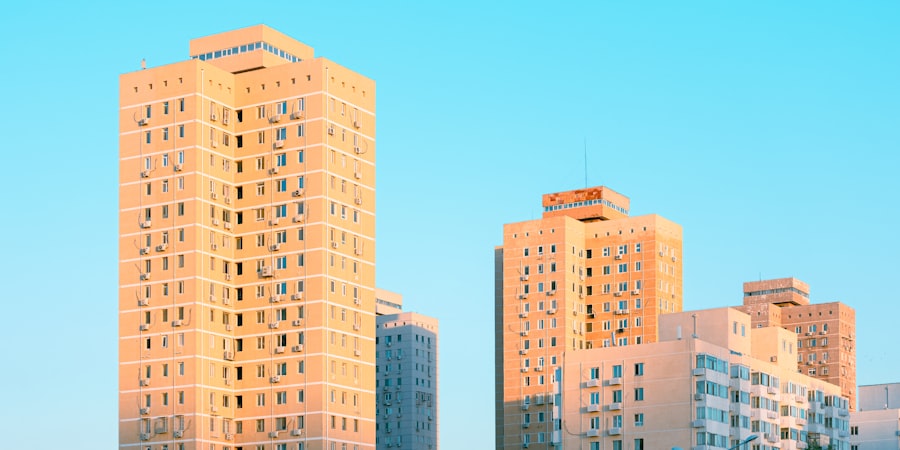
Functionality is at the heart of minimalist interior design, guiding every decision you make when curating your space. As you embrace this style, it’s essential to prioritize practicality alongside aesthetics. Each piece of furniture should serve a purpose while contributing to the overall flow of the room.
You may find that investing in multifunctional furniture—such as a coffee table with storage or a sofa bed—can maximize your space while keeping it clutter-free. Moreover, considering how you use each area of your home can help inform your design choices. For instance, if you enjoy cooking and entertaining, you might prioritize an open kitchen layout with ample counter space for meal preparation.
By aligning your design with your lifestyle needs, you create an environment that not only looks good but also works for you. This focus on functionality allows you to enjoy your minimalist space fully while ensuring it remains practical for everyday living.
Minimalist Furniture and Decor
When selecting furniture for your minimalist interior design, aim for pieces that embody simplicity and elegance. You may want to choose furniture with clean lines and geometric shapes that contribute to an uncluttered look. Opting for items made from high-quality materials can elevate your design while ensuring durability over time.
As you curate your furniture selection, consider how each piece interacts with the others in terms of scale and proportion; this will help maintain balance within the space. In terms of decor, less is often more in minimalism. You might find that choosing a few statement pieces—such as an oversized artwork or a striking sculpture—can create visual interest without overwhelming the room.
Additionally, consider incorporating personal touches that reflect your personality while adhering to the minimalist ethos. This could include carefully selected books on a shelf or a few cherished photographs displayed in simple frames. By thoughtfully choosing both furniture and decor, you can create a cohesive minimalist interior that feels uniquely yours.
Achieving Balance and Harmony in Minimalist Interior Design
Achieving balance and harmony in minimalist interior design is essential for creating an inviting atmosphere that promotes relaxation and well-being. As you work on your space, consider how different elements interact with one another—this includes color schemes, furniture placement, and decor choices. Strive for symmetry where appropriate; for instance, placing two identical lamps on either side of a sofa can create visual balance while maintaining simplicity.
You may also want to pay attention to scale when arranging furniture and decor within your space. Mixing larger pieces with smaller ones can create visual interest while ensuring that no single element dominates the room. Additionally, incorporating varying heights—such as tall plants alongside low coffee tables—can add depth and dimension to your design.
By focusing on balance and harmony throughout your minimalist interior, you’ll cultivate an environment that feels cohesive and serene, allowing you to fully enjoy the beauty of simplicity in your home.
FAQs
What is minimalism in modern interior design?
Minimalism in modern interior design is a design approach that emphasizes simplicity, clean lines, and a clutter-free environment. It focuses on using only the essential elements and removing any excess or unnecessary decorations.
What are the key principles of minimalism in modern interior design?
The key principles of minimalism in modern interior design include using a neutral color palette, incorporating simple and functional furniture, maximizing natural light, and creating a sense of openness and spaciousness.
How does minimalism in modern interior design differ from other design styles?
Minimalism in modern interior design differs from other design styles by its emphasis on simplicity, functionality, and a reduction of unnecessary elements. It often features clean lines, uncluttered spaces, and a focus on quality over quantity.
What are the benefits of incorporating minimalism in modern interior design?
Incorporating minimalism in modern interior design can create a sense of calm and tranquility, reduce visual clutter, maximize space, and promote a more organized and efficient living environment. It can also contribute to a more timeless and enduring aesthetic.
How can minimalism be applied to different rooms in a home?
Minimalism can be applied to different rooms in a home by using a neutral color palette, decluttering and organizing the space, choosing furniture with clean lines and simple designs, and incorporating natural materials and textures. Each room can be tailored to meet the specific needs and functions of the space while maintaining a minimalist aesthetic.