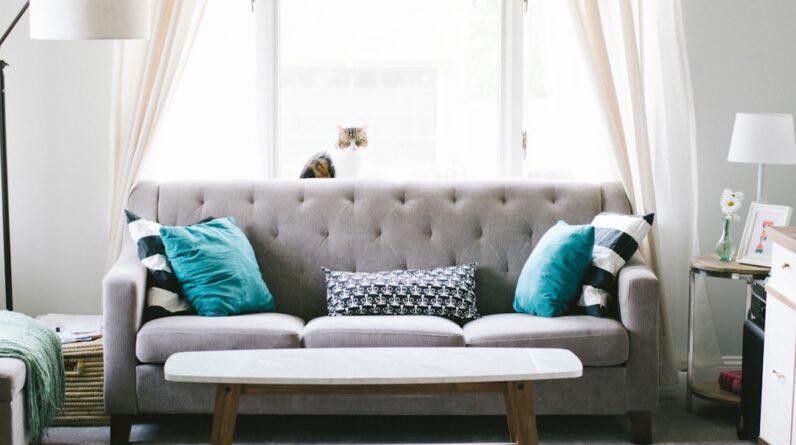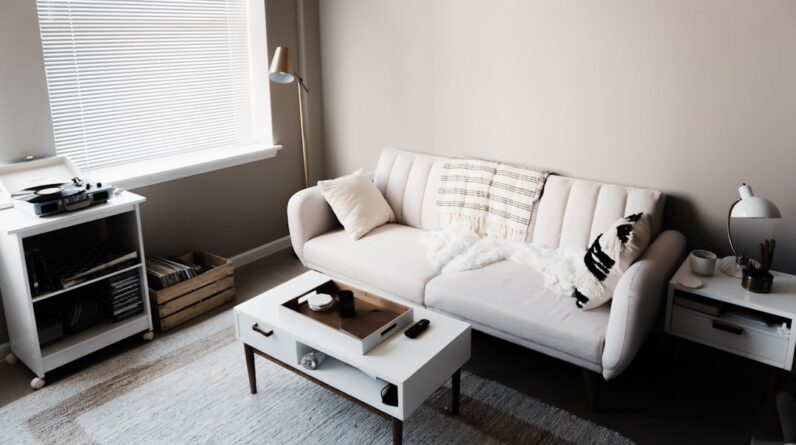
When you think of minimalist furniture, you might envision sleek lines, functional designs, and an overall sense of simplicity. This style emphasizes the idea that less is more, allowing you to create a space that feels open and uncluttered. By choosing furniture pieces that are both aesthetically pleasing and practical, you can transform your home into a serene sanctuary.
Imagine a living room adorned with a low-profile sofa, a simple coffee table, and perhaps a single accent chair. Each piece serves a purpose while contributing to the overall harmony of the space. Incorporating minimalist furniture into your home doesn’t mean sacrificing comfort or style.
Instead, it encourages you to select items that resonate with your personal taste while maintaining a clean aesthetic. You might opt for a dining table with a smooth surface and slender legs, paired with chairs that echo the same design philosophy. This approach not only enhances the visual appeal of your home but also promotes a lifestyle that values quality over quantity.
By curating your furniture choices carefully, you can create an environment that feels both inviting and sophisticated.
Key Takeaways
- Minimalist furniture focuses on clean lines and simple designs, promoting a clutter-free and functional space.
- Monochromatic color schemes use varying shades of a single color to create a cohesive and calming atmosphere.
- Open floor plans create a sense of spaciousness and flow, allowing for easy movement and interaction within the home.
- Statement lighting serves as a focal point and adds personality to a room, enhancing the overall design aesthetic.
- Contemporary art and decor bring a modern and artistic touch to the space, reflecting the homeowner’s personal style.
Monochromatic Color Schemes
A monochromatic color scheme can be a powerful tool in your interior design arsenal. By using varying shades of a single color, you can create a cohesive and calming atmosphere throughout your home. This approach allows you to play with textures and patterns while maintaining a unified look.
For instance, if you choose blue as your base color, you might incorporate navy curtains, sky-blue cushions, and soft cerulean throws. The result is a space that feels harmonious and well thought out. Moreover, a monochromatic palette can enhance the perception of space in your home.
Lighter shades can make a room feel larger and more open, while darker tones can add depth and intimacy. You might find that by sticking to one color family, you can easily mix and match different elements without overwhelming the senses. This strategy not only simplifies your design choices but also allows for personal expression through the careful selection of accessories and artwork that complement your chosen hue.
Open Floor Plans

The concept of open floor plans has gained immense popularity in modern home design, and for good reason. This layout encourages fluidity between spaces, allowing for seamless transitions from one area to another. You may find that an open floor plan fosters a sense of togetherness, making it easier to entertain guests or keep an eye on children while cooking in the kitchen.
The absence of walls creates an airy feel, which can be particularly beneficial in smaller homes where maximizing space is essential. In addition to promoting social interaction, open floor plans also provide opportunities for creative design solutions. You can define different areas within the same space using rugs, furniture arrangements, or even varying ceiling heights.
This flexibility allows you to personalize your home while maintaining an overall sense of cohesion. As you explore this layout, consider how you can use furniture placement and decor to create distinct zones for dining, lounging, and working—all within the same expansive area.
Statement Lighting
Lighting plays a crucial role in setting the mood and enhancing the aesthetic of your home. Statement lighting fixtures can serve as focal points that draw the eye and elevate the overall design. Whether it’s a bold chandelier in the dining room or an oversized pendant light in the kitchen, these pieces can add character and flair to your space.
You might find that selecting unique lighting options allows you to express your personal style while also providing functional illumination. In addition to their visual impact, statement lighting fixtures can also influence how you perceive the size and shape of a room. A well-placed light can create depth and dimension, making even small spaces feel more expansive.
As you consider your lighting choices, think about how different fixtures can complement your existing decor while also serving practical purposes. Layering various light sources—such as ambient, task, and accent lighting—can further enhance the atmosphere of your home, allowing you to create the perfect ambiance for any occasion.
Contemporary Art and Decor
Incorporating contemporary art into your home can infuse your space with personality and vibrancy. Art serves as a reflection of your tastes and interests, allowing you to showcase pieces that resonate with you on a personal level. Whether it’s a large canvas painting that commands attention or a series of smaller prints arranged in a gallery wall format, contemporary art can elevate your decor while sparking conversation among guests.
You might find that selecting art pieces that complement your color scheme or furniture style creates a cohesive look throughout your home. Additionally, contemporary decor items—such as sculptures, ceramics, or textiles—can add layers of texture and interest to your space. These elements not only enhance the visual appeal but also contribute to the overall atmosphere of your home.
As you curate your collection of art and decor, consider how each piece interacts with its surroundings. The right combination can create a dynamic environment that feels both curated and inviting, allowing you to express your individuality through thoughtful design choices.
Industrial Elements

The industrial design trend has made its mark on contemporary interiors, characterized by raw materials and an urban aesthetic. Incorporating industrial elements into your home can add an edgy yet sophisticated touch to your decor. Think exposed brick walls, metal fixtures, and reclaimed wood accents that evoke a sense of history and authenticity.
You might find that these materials not only enhance the visual appeal of your space but also tell a story about its character. In addition to their aesthetic value, industrial elements can also promote functionality in your home. Open shelving made from metal pipes or reclaimed wood can provide both storage and display opportunities while maintaining an uncluttered look.
As you explore this design style, consider how you can blend industrial features with softer elements—such as plush textiles or greenery—to create a balanced environment that feels both inviting and stylish.
Smart Home Technology
As technology continues to evolve, integrating smart home features into your living space has become increasingly accessible and beneficial. Smart home technology allows you to control various aspects of your environment—from lighting and temperature to security systems—through your smartphone or voice commands. Imagine being able to adjust the thermostat or turn off lights from anywhere in your home with just a few taps on your device.
This level of convenience not only enhances your daily life but also contributes to energy efficiency. Moreover, smart home technology can enhance the overall aesthetic of your space by eliminating clutter associated with traditional devices. Wireless speakers, smart thermostats, and automated window treatments can seamlessly blend into your decor without detracting from its visual appeal.
As you consider incorporating these features into your home, think about how they can improve both functionality and style—creating an environment that is not only modern but also tailored to your lifestyle.
Sustainable and Eco-Friendly Design
In today’s world, sustainability has become an essential consideration in interior design. Embracing eco-friendly practices not only benefits the environment but also promotes healthier living spaces for you and your family. When selecting materials for your home, consider options such as reclaimed wood, bamboo flooring, or low-VOC paints that minimize harmful emissions.
By making conscious choices about the materials you use, you can create a beautiful space that aligns with your values. Additionally, incorporating sustainable design principles can enhance energy efficiency in your home. You might explore options such as energy-efficient appliances, solar panels, or smart thermostats that help reduce energy consumption while lowering utility bills.
As you embark on this journey toward sustainable living, remember that every small change contributes to a larger impact on the planet. By prioritizing eco-friendly design in your home, you not only create a stylish environment but also inspire others to consider their own choices for a more sustainable future.
FAQs
What is modern interior design?
Modern interior design refers to a style that emerged in the early to mid-20th century and is characterized by clean, sleek lines, a minimalist color palette, and a focus on function and form.
What are some key elements of modern interior design?
Key elements of modern interior design include open floor plans, large windows to let in natural light, minimalistic furniture and decor, and a focus on geometric shapes and patterns.
What are some popular color schemes in modern interior design?
Popular color schemes in modern interior design include neutral colors such as white, black, and gray, as well as pops of bold, vibrant colors like red, blue, or yellow for accent pieces.
How can I incorporate modern interior design into my home?
You can incorporate modern interior design into your home by decluttering and simplifying your space, choosing furniture with clean lines and minimal ornamentation, and incorporating modern art and decor pieces.
What are some popular materials used in modern interior design?
Popular materials used in modern interior design include glass, metal, and concrete for a sleek, industrial look, as well as natural materials like wood and stone for a warm, organic feel.