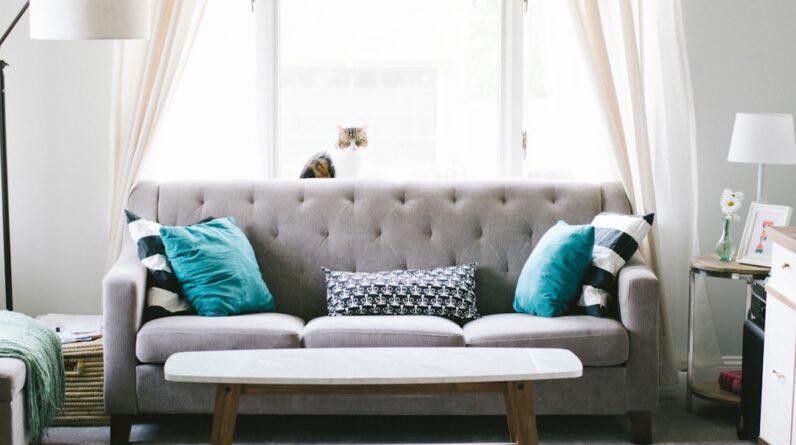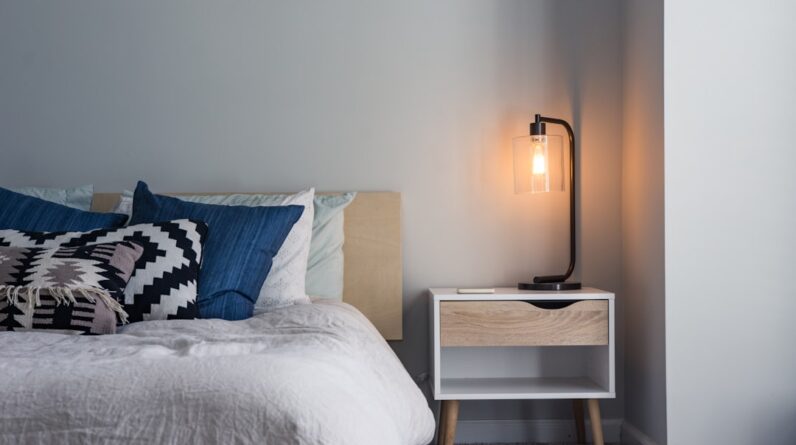
As you delve into the world of modern interior design, it’s fascinating to consider how this field has evolved over the decades. The journey began in the early 20th century, influenced by movements such as Bauhaus and Art Deco, which sought to merge functionality with aesthetic appeal. These early pioneers emphasized clean lines, geometric shapes, and a departure from ornate styles that characterized previous eras.
You can see how these foundational ideas laid the groundwork for what we now recognize as modern design, where simplicity and practicality reign supreme. As you explore further, you’ll notice that the evolution of modern interior design has been shaped by cultural shifts, technological advancements, and changing lifestyles. The post-World War II era marked a significant turning point, as returning soldiers and their families sought homes that reflected their newfound prosperity.
This led to an explosion of suburban development and a demand for interiors that were not only stylish but also comfortable and functional. The mid-century modern movement emerged during this time, characterized by organic forms, open spaces, and a seamless connection between indoor and outdoor environments. You can appreciate how these trends have continued to influence contemporary design, creating a rich tapestry of styles that blend the old with the new.
Key Takeaways
- Modern interior design has evolved from traditional and ornate styles to a more minimalist and functional approach, influenced by technological advancements and sustainability.
- The principles of modern interior design focus on simplicity, functionality, and minimalism, with an emphasis on clean lines and open spaces.
- Key elements of modern interior design include the use of natural materials, neutral color palettes, and a focus on creating a sense of balance and harmony in the space.
- Technology plays a significant role in modern interior design, with smart home systems, energy-efficient appliances, and innovative materials shaping the way spaces are designed and utilized.
- Minimalism has had a significant influence on modern interior design, with an emphasis on decluttering, simplicity, and creating a sense of calm and tranquility in the space.
Principles of Modern Interior Design
When you think about modern interior design, several core principles come to mind that guide the creation of harmonious spaces. One of the most significant principles is functionality. Every piece of furniture and every layout choice should serve a purpose, ensuring that the space is not only beautiful but also practical for everyday living.
As you consider your own space, think about how each element contributes to your daily activities and overall comfort. This principle encourages you to prioritize usability over mere aesthetics. Another essential principle is balance.
In modern interior design, achieving visual equilibrium is crucial. This can be accomplished through symmetrical arrangements or by distributing visual weight evenly across a room. As you arrange your furniture or select decor items, pay attention to how they interact with one another.
You might find that a well-balanced space feels more inviting and serene, allowing you to enjoy your surroundings fully. Additionally, the principle of harmony plays a vital role in modern design; it encourages you to create a cohesive look by using complementary colors, materials, and styles throughout your space.
Key Elements of Modern Interior Design
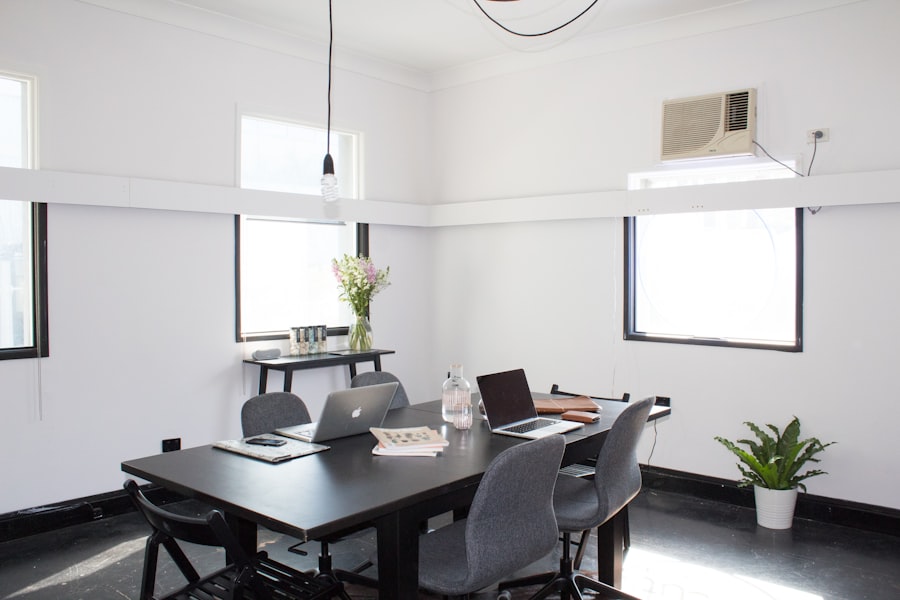
As you immerse yourself in modern interior design, you’ll encounter several key elements that define this style. One of the most prominent is the use of open spaces. Modern design often favors an open floor plan that promotes flow and connectivity between different areas of a home.
This approach not only enhances the sense of space but also encourages social interaction among family members and guests. When planning your own layout, consider how an open design can transform your living experience. Another critical element is the emphasis on natural light.
Large windows and strategically placed mirrors are common features in modern interiors, allowing sunlight to flood in and create an airy atmosphere. You might find that incorporating more natural light into your space can significantly enhance its overall mood and energy. Additionally, the use of neutral color palettes is prevalent in modern design, providing a calming backdrop that allows furniture and decor to shine without overwhelming the senses.
As you choose colors for your own space, think about how they can contribute to a tranquil environment.
The Role of Technology in Modern Interior Design
In today’s fast-paced world, technology plays an increasingly vital role in modern interior design. Smart home devices have revolutionized how you interact with your living space, allowing for greater convenience and efficiency. From smart thermostats that learn your preferences to automated lighting systems that adjust based on the time of day, technology enhances both comfort and functionality in your home.
As you consider integrating these devices into your design, think about how they can simplify your daily routines and improve your quality of life. Moreover, technology has also transformed the way designers approach their work. Virtual reality (VR) and augmented reality (AR) tools enable designers to create immersive experiences for clients, allowing you to visualize spaces before any physical changes are made.
This innovative approach not only streamlines the design process but also empowers you to make informed decisions about your space. As technology continues to advance, it will undoubtedly shape the future of modern interior design in ways we can only begin to imagine.
The Influence of Minimalism in Modern Interior Design
Minimalism has become synonymous with modern interior design, emphasizing simplicity and the idea that less is more. This philosophy encourages you to declutter your space and focus on essential elements that bring joy or serve a purpose. By adopting a minimalist approach, you can create an environment that feels open and serene, free from distractions that can overwhelm the senses.
As you evaluate your belongings, consider which items truly enhance your life and which can be let go. Incorporating minimalism into your design doesn’t mean sacrificing style; rather, it invites you to choose high-quality pieces that stand out for their craftsmanship and beauty. You might find that selecting fewer but more meaningful items allows your space to feel more curated and intentional.
Additionally, minimalism often embraces natural materials such as wood, stone, and metal, which can add warmth and texture without cluttering the visual landscape. As you explore this aesthetic, think about how it can transform your home into a peaceful sanctuary.
Incorporating Sustainability in Modern Interior Design
Eco-Friendly Materials and Practices
From reclaimed wood furniture to low-VOC paints, there are countless ways to incorporate sustainable choices into your design without compromising on style or quality.
Energy Efficiency and Resource Conservation
Sustainable design goes beyond materials; it also encompasses energy efficiency and resource conservation. You might consider investing in energy-efficient appliances or incorporating passive solar design principles to reduce energy consumption in your home.
Creating a Healthier Environment
By making conscious choices about how you design your space, you not only contribute to a healthier planet but also create an environment that promotes well-being for you and your family.
The Impact of Color and Texture in Modern Interior Design
Color and texture play pivotal roles in shaping the atmosphere of modern interiors. When selecting colors for your space, consider how they evoke emotions and influence mood. Neutral tones often serve as a calming backdrop, while bold accents can inject energy and personality into a room.
As you experiment with color palettes, think about how different hues interact with one another and how they can enhance the overall aesthetic of your home. Texture is equally important in creating depth and interest within a space. You might choose to layer various materials—such as soft textiles, sleek metals, and natural woods—to create a tactile experience that invites touch and exploration.
By thoughtfully combining colors and textures, you can transform an ordinary room into a dynamic environment that reflects your personal style while remaining true to modern design principles.
The Future of Modern Interior Design
Looking ahead, the future of modern interior design promises to be exciting and dynamic as it continues to evolve alongside societal changes and technological advancements. You may witness an increasing emphasis on personalization as homeowners seek unique ways to express their individuality through their spaces. Customization options will likely expand, allowing you to tailor every aspect of your home to suit your preferences and lifestyle.
Additionally, as sustainability becomes more ingrained in consumer consciousness, expect to see innovative materials and practices emerge within the industry. Designers will likely continue to explore ways to create beautiful spaces while prioritizing environmental responsibility. As you navigate this ever-changing landscape, remember that modern interior design is not just about aesthetics; it’s about creating spaces that enhance your life while reflecting your values and aspirations.
Embrace this journey as an opportunity to craft a home that truly resonates with who you are today—and who you aspire to be tomorrow.
FAQs
What is modern interior design?
Modern interior design is a style that emerged in the early 20th century and is characterized by clean, sleek lines, a simple color palette, and a focus on function and form. It often incorporates elements of minimalism and industrial design.
What are the key elements of modern interior design?
Key elements of modern interior design include open floor plans, large windows to let in natural light, minimalistic furniture and decor, and a focus on geometric shapes and patterns. Neutral colors and materials such as metal, glass, and concrete are also commonly used.
How does modern interior design differ from contemporary design?
While modern interior design refers to a specific style that emerged in the early 20th century, contemporary design refers to the current design trends and styles. Modern design is a specific style within the broader category of contemporary design.
What are some popular materials and finishes used in modern interior design?
Popular materials and finishes used in modern interior design include stainless steel, chrome, glass, and concrete. Wood with a natural finish is also commonly used to add warmth to the space.
What are some tips for achieving a modern interior design aesthetic?
To achieve a modern interior design aesthetic, focus on simplicity, clean lines, and a neutral color palette. Incorporate minimalistic furniture and decor, and prioritize function and form over ornate details. Embrace natural light and open spaces to create a sense of airiness and simplicity.