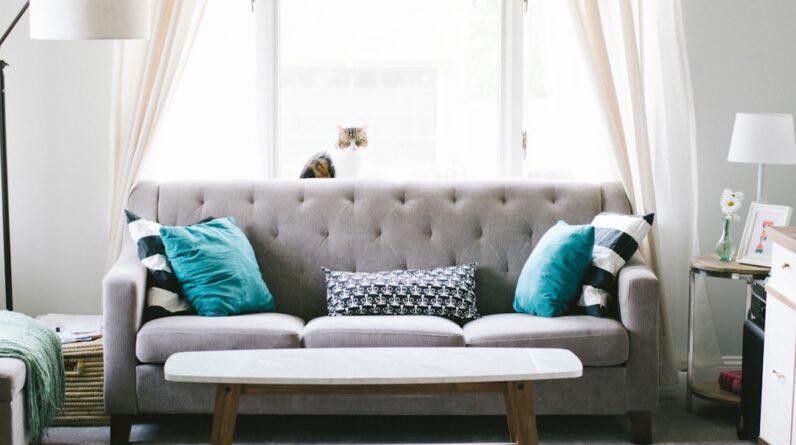
In recent years, the intersection of contemporary design and mental health has garnered significant attention. As you navigate through your daily life, you may not always realize how the spaces you inhabit influence your emotional and psychological well-being. Contemporary design, characterized by its clean lines, open spaces, and innovative materials, has the potential to create environments that foster mental wellness.
This article delves into the ways in which interior spaces can be thoughtfully designed to enhance your mental health, exploring various elements such as biophilic design, color psychology, and the importance of lighting. As you consider your surroundings, it becomes evident that the design of your environment can either uplift or hinder your mood. The modern world often presents challenges that can lead to stress and anxiety, making it crucial to create spaces that promote tranquility and comfort.
By understanding the principles of contemporary design and their impact on mental health, you can make informed choices about your living and working environments. This exploration will not only highlight the importance of aesthetics but also emphasize the profound connection between design and emotional well-being.
Key Takeaways
- Contemporary design plays a significant role in promoting mental health and well-being in interior spaces.
- Interior spaces have a direct impact on mental health, and well-designed spaces can contribute to a positive mindset.
- Biophilic design, which incorporates natural elements, has been shown to improve mental well-being in interior spaces.
- Color psychology is a powerful tool in interior design, as different colors can evoke different emotions and affect mental health.
- Comfortable and functional interior spaces are essential for promoting mental well-being and creating a positive environment.
The Impact of Interior Spaces on Mental Health and Well-being
The Impact of Clutter and Chaos
Cluttered and chaotic environments can lead to feelings of anxiety and overwhelm, while organized and aesthetically pleasing spaces can promote calmness and focus.
The Influence of Space on Social Interactions
The layout of a space can influence social interactions and personal connections. Open floor plans may encourage collaboration and communication, while more segmented designs can provide privacy and solitude when needed.
Empowering Your Mental Health through Design
Understanding how these elements interact can empower you to create spaces that cater to your specific needs, whether you seek solitude for reflection or a vibrant atmosphere for social engagement. By prioritizing thoughtful design, you can cultivate an environment that nurtures your mental health.
Incorporating Biophilic Design for Mental Well-being

Biophilic design is an approach that seeks to connect individuals with nature through the built environment. As you consider the impact of nature on your mental health, think about how natural elements can enhance your surroundings. Incorporating biophilic design principles—such as natural light, greenery, and organic materials—can create a sense of harmony and tranquility in your space.
Studies have shown that exposure to nature can reduce stress levels, improve mood, and even enhance cognitive function. You might find that adding plants to your home or workspace not only beautifies the area but also contributes to a more positive atmosphere. The presence of greenery can evoke feelings of calmness and rejuvenation, making it easier for you to focus on tasks at hand.
Additionally, maximizing natural light through large windows or skylights can help regulate your circadian rhythms, leading to better sleep patterns and overall well-being. By embracing biophilic design, you can create an environment that fosters a deeper connection with nature and promotes mental wellness.
Utilizing Color Psychology in Interior Design for Mental Health
Color plays a crucial role in shaping your emotions and perceptions. As you explore the world of interior design, consider how different colors can evoke specific feelings and responses. For example, warm colors like red and orange can stimulate energy and excitement, while cool colors such as blue and green tend to promote calmness and relaxation.
By understanding color psychology, you can make intentional choices about the hues that dominate your living or working spaces. When designing your environment, think about how certain colors resonate with your personal experiences and emotional needs. You may find that incorporating soft blues in your bedroom creates a serene atmosphere conducive to restful sleep, while vibrant yellows in a creative workspace inspire enthusiasm and innovation.
The strategic use of color can transform a space from mundane to invigorating, allowing you to curate an environment that aligns with your mental health goals. By harnessing the power of color psychology, you can create spaces that not only look appealing but also support your emotional well-being.
Creating Comfortable and Functional Spaces for Mental Well-being
Comfort is a fundamental aspect of any interior space that aims to promote mental well-being. As you evaluate your surroundings, consider how furniture choices, layout, and accessibility contribute to your overall comfort level. Ergonomic furniture designed for support can alleviate physical discomfort, allowing you to focus on tasks without distraction.
Additionally, creating cozy nooks or inviting areas for relaxation can encourage moments of respite amidst a busy day. Functionality is equally important in designing spaces that cater to your mental health needs. You may find that having designated areas for work, relaxation, and socialization helps create balance in your life.
Thoughtful organization and storage solutions can reduce clutter, fostering a sense of order that positively impacts your mindset. By prioritizing both comfort and functionality in your interior design choices, you can create an environment that nurtures your mental well-being while accommodating your lifestyle.
The Role of Lighting in Promoting Mental Health in Interior Spaces
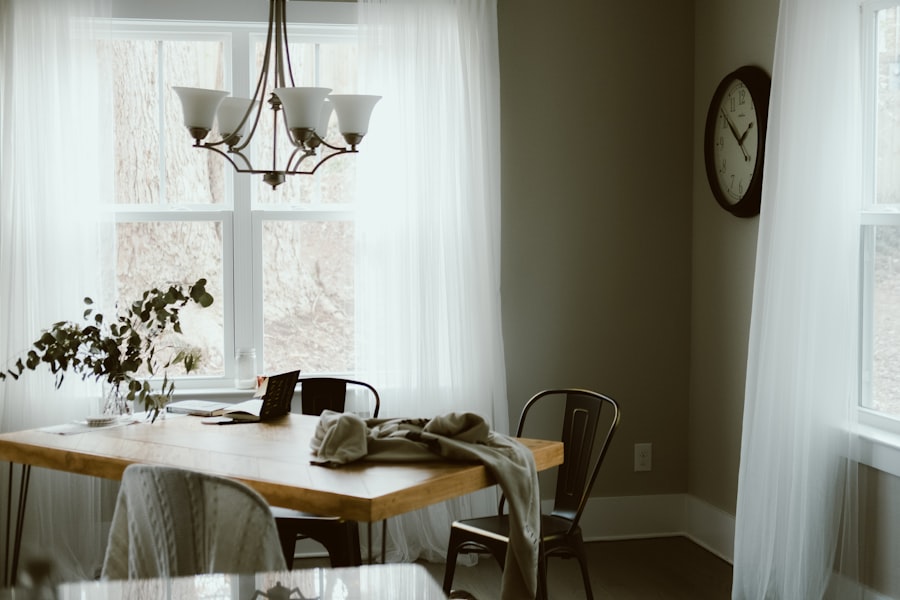
Lighting is a critical element in interior design that significantly influences mood and mental health. As you consider the lighting in your spaces, think about how natural light versus artificial light affects your emotional state. Natural light has been shown to boost serotonin levels, improve mood, and enhance overall well-being.
Therefore, maximizing daylight through large windows or strategically placed mirrors can create an uplifting atmosphere. Conversely, artificial lighting can either enhance or detract from your mental health depending on its quality and intensity. Harsh fluorescent lights may lead to feelings of fatigue or irritability, while warm ambient lighting can create a cozy and inviting environment.
You might also explore the use of adjustable lighting options that allow you to tailor the brightness according to different activities—bright light for focused work sessions and softer light for relaxation or social gatherings. By being mindful of lighting choices in your interior spaces, you can cultivate an environment that supports your mental health.
Integrating Mindfulness and Wellness Practices in Contemporary Interior Design
Incorporating mindfulness practices into contemporary interior design can further enhance mental well-being. As you engage with your surroundings, consider how elements such as meditation corners or yoga spaces can promote mindfulness in daily life. Creating designated areas for reflection or relaxation encourages you to take intentional breaks from the hustle and bustle of everyday life.
Additionally, integrating wellness practices into your design choices—such as using natural materials or incorporating calming scents—can create a holistic environment that nurtures both body and mind. You might find that incorporating soft textiles or soothing sounds enhances your experience of comfort and tranquility within your space. By embracing mindfulness in design, you not only create a visually appealing environment but also foster a deeper connection with yourself and your surroundings.
The Future of Contemporary Design and Mental Health in Interior Spaces
As we look toward the future of contemporary design, it is clear that the relationship between interior spaces and mental health will continue to evolve. With growing awareness of the importance of mental well-being in our daily lives, designers are increasingly prioritizing elements that promote emotional health within their work. You may find yourself drawn to spaces that reflect these values—environments that are not only aesthetically pleasing but also supportive of mental wellness.
In this ever-changing landscape, it is essential for individuals like yourself to advocate for designs that prioritize mental health considerations. By understanding the impact of various design elements—from biophilic features to color psychology—you can make informed choices about the spaces you inhabit. Ultimately, the future of contemporary design holds great promise for creating environments that nurture mental well-being, allowing you to thrive in both personal and professional settings.
Embracing this holistic approach will empower you to cultivate spaces that resonate with positivity and support your journey toward optimal mental health.
FAQs
What is contemporary design?
Contemporary design refers to the current trends and styles in interior design, architecture, and furniture. It often incorporates modern and innovative elements while also drawing inspiration from various design movements.
How does contemporary design address mental health and well-being in interior spaces?
Contemporary design addresses mental health and well-being in interior spaces by prioritizing natural light, incorporating biophilic elements, using calming color palettes, and creating flexible and adaptable spaces that promote relaxation and comfort.
What are some examples of biophilic elements in contemporary design?
Biophilic elements in contemporary design include incorporating natural materials such as wood and stone, integrating indoor plants, creating views of nature, and using organic shapes and patterns inspired by the natural world.
How does contemporary design promote relaxation and comfort in interior spaces?
Contemporary design promotes relaxation and comfort by incorporating comfortable and ergonomic furniture, creating cozy and inviting atmospheres, minimizing clutter, and utilizing soft textures and materials that evoke a sense of warmth and tranquility.
What role does color play in contemporary design for mental health and well-being?
Color plays a significant role in contemporary design for mental health and well-being by using calming and soothing hues such as soft blues, greens, and neutrals to create a sense of serenity and balance in interior spaces.