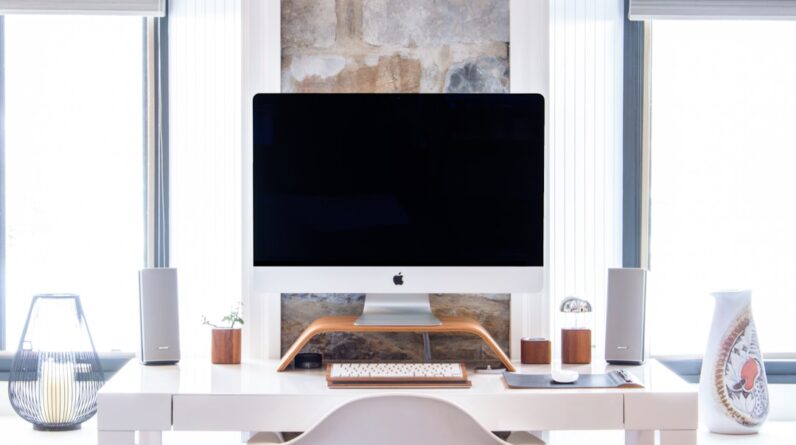
When you think about your workspace, the first elements that come to mind might be aesthetics or technology. However, the true foundation of an effective work environment lies in its functionality and comfort. You spend a significant portion of your day in this space, so it’s essential that it serves your needs efficiently while also providing a comfortable atmosphere.
A well-designed workspace can enhance your productivity, reduce stress, and even improve your overall well-being. By prioritizing functionality, you ensure that every element of your workspace contributes to your work process rather than detracts from it. Comfort is equally crucial in creating a productive environment.
An uncomfortable chair or poorly arranged desk can lead to distractions and decreased focus. You might find yourself shifting uncomfortably or taking frequent breaks just to alleviate physical discomfort. By investing in ergonomic furniture and ensuring that your workspace is tailored to your personal needs, you create a setting that encourages longer periods of concentration and creativity.
The right balance of functionality and comfort can transform your workspace into a sanctuary where you feel motivated and inspired to tackle your tasks.
Key Takeaways
- Functionality and comfort are key to creating a productive workspace
- Maximizing natural light and using proper lighting can enhance productivity
- Ergonomic furniture and layout are essential for a comfortable and efficient workspace
- Smart storage solutions help keep the workspace organized and clutter-free
- Incorporating technology and connectivity is crucial for a modern and efficient workspace
Maximizing Natural Light and Utilizing Proper Lighting
Positioning for Optimal Natural Light
If possible, position your desk near a window to take advantage of this natural resource. You might also consider using sheer curtains to diffuse harsh sunlight while still allowing ample light to filter through.
The Importance of Artificial Lighting
In addition to natural light, proper artificial lighting is essential for creating an effective workspace. Overhead lighting can often be too harsh or create unwanted glare on screens, leading to eye strain and fatigue.
Creating a Well-Lit Environment
Instead, opt for softer, adjustable lighting options such as desk lamps or floor lamps that allow you to control the intensity and direction of light. This way, you can create a well-lit environment that suits your specific tasks, whether you’re reading documents, working on a computer, or engaging in creative projects. By thoughtfully combining natural and artificial lighting, you can cultivate a workspace that feels both energizing and comfortable.
Incorporating Ergonomic Furniture and Layout
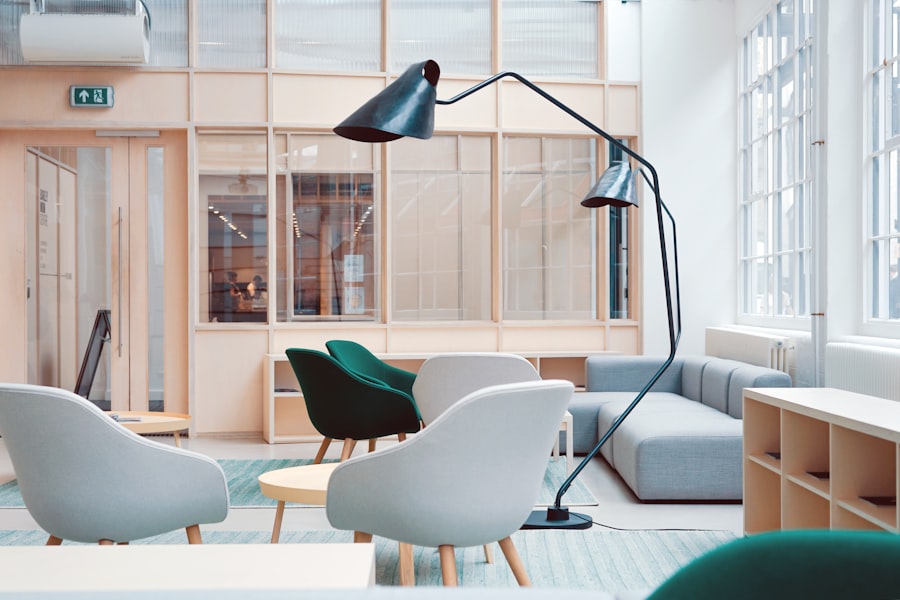
The layout of your workspace plays a significant role in how effectively you can work. An ergonomic setup is designed to support your body’s natural posture and movements, reducing the risk of strain or injury over time. When arranging your furniture, consider the height of your desk and chair in relation to each other.
Your feet should rest flat on the ground, and your arms should be at a comfortable angle when typing or writing. Investing in an adjustable chair can make a world of difference in how you feel throughout the day. Beyond just the chair and desk, think about how the overall layout can enhance your workflow.
Keep frequently used items within arm’s reach to minimize unnecessary movements that can disrupt your focus. Organize your workspace in a way that allows for easy access to tools and materials, creating a seamless flow from one task to another. By prioritizing ergonomic furniture and a thoughtful layout, you set yourself up for success by minimizing discomfort and maximizing efficiency.
Utilizing Smart Storage Solutions
A cluttered workspace can lead to distractions and hinder productivity. To combat this issue, it’s essential to implement smart storage solutions that keep your space organized and functional. Start by assessing what items you truly need on hand and what can be stored away.
Utilize vertical space with shelves or wall-mounted organizers to free up valuable desk space while keeping essential items easily accessible. Consider investing in multifunctional furniture that offers built-in storage options. Desks with drawers or cabinets can help conceal clutter while providing a clean surface for work.
Additionally, using labeled bins or baskets can help categorize items, making it easier for you to find what you need when you need it. By creating an organized environment with effective storage solutions, you’ll find it easier to concentrate on your tasks without the distraction of disarray.
Incorporating Technology and Connectivity
In today’s digital age, technology plays a pivotal role in how we work. To create an efficient workspace, it’s important to incorporate technology that enhances connectivity and productivity. Start by ensuring that your workspace is equipped with reliable internet access and power sources for all your devices.
Consider using cable management solutions to keep cords organized and out of sight, creating a cleaner look while preventing tangles. Additionally, explore tools and software that can streamline your workflow. Project management apps, communication platforms, and cloud storage solutions can help you stay organized and connected with colleagues or clients.
By integrating technology thoughtfully into your workspace, you not only enhance efficiency but also create an environment that supports collaboration and innovation.
Balancing Aesthetics and Productivity
Striking a Balance
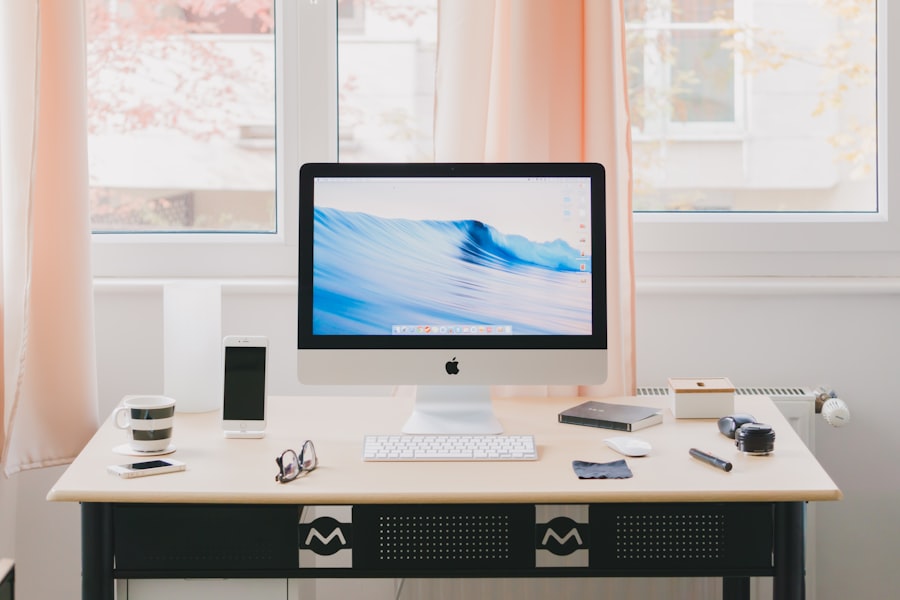
However, it’s important to strike a balance between aesthetics and productivity. Avoid overcrowding your space with decorative items that may become distractions. Instead, choose a few meaningful pieces that inspire you or evoke positive feelings without overwhelming the senses.
Curating the Visual Elements
By carefully curating the visual elements of your workspace, you can create an environment that is both beautiful and conducive to focused work.
Creating a Distraction-Free Environment
Distractions are one of the biggest challenges in maintaining productivity in any workspace. To create a distraction-free environment, start by identifying potential sources of interruptions—whether they are visual clutter, noise from outside, or digital notifications from devices. Once you’ve pinpointed these distractions, take proactive steps to minimize them.
Consider using noise-canceling headphones if sound is an issue or setting specific times during the day for checking emails or messages to avoid constant interruptions from notifications. Additionally, decluttering your desk can help reduce visual distractions that may pull your attention away from important tasks. By establishing boundaries and creating a focused environment, you empower yourself to concentrate fully on your work.
Personalizing the Space with Decor and Accessories
Finally, personalizing your workspace with decor and accessories can make it feel more inviting and uniquely yours. Incorporate items that inspire you—such as artwork, photographs, or motivational quotes—that resonate with your personal style and values. These touches not only enhance the aesthetic appeal of your space but also serve as reminders of what drives you.
However, be mindful not to overdo it; too many personal items can lead to clutter rather than comfort. Choose a few key pieces that bring joy or motivation without overwhelming the space. By striking this balance between personalization and organization, you create a workspace that feels like a true reflection of yourself—a place where you feel comfortable, inspired, and ready to tackle any challenge that comes your way.
In conclusion, creating an effective workspace involves careful consideration of various elements such as functionality, comfort, lighting, ergonomics, storage solutions, technology integration, aesthetics, distraction management, and personalization. By thoughtfully addressing each aspect, you can cultivate an environment that not only enhances productivity but also supports your overall well-being. As you embark on this journey of designing your ideal workspace, remember that it’s about finding what works best for you—creating a space where you feel empowered to achieve your goals while enjoying the process along the way.
FAQs
What are some key considerations when designing a home office within a contemporary context?
Some key considerations when designing a home office within a contemporary context include maximizing natural light, incorporating ergonomic furniture, utilizing technology for connectivity, and creating a space that reflects your personal style and preferences.
How can natural light be maximized in a home office design?
Natural light can be maximized in a home office design by positioning the workspace near windows, using sheer or light-filtering window treatments, and incorporating reflective surfaces such as mirrors or glass to bounce light around the room.
What are some tips for selecting ergonomic furniture for a home office?
When selecting ergonomic furniture for a home office, it’s important to choose a supportive chair with adjustable features, a desk at the appropriate height for comfortable typing and writing, and accessories such as monitor stands and keyboard trays to promote proper posture and reduce strain.
How can technology be integrated into a contemporary home office design?
Technology can be integrated into a contemporary home office design by incorporating wireless charging stations, cable management solutions, and smart home devices for lighting, temperature control, and voice-activated assistants to streamline productivity and connectivity.
What are some ways to infuse personal style into a home office design?
Infusing personal style into a home office design can be achieved through the use of artwork, decorative accessories, and furniture that reflects your aesthetic preferences, as well as incorporating colors and patterns that resonate with your individual taste and personality.