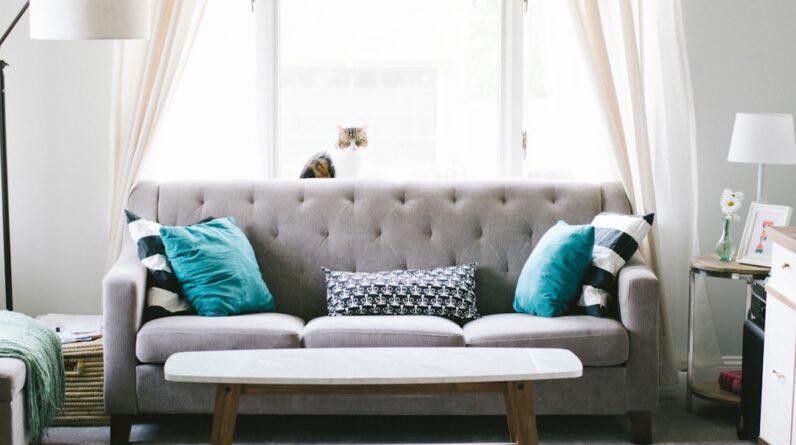
When it comes to creating a comfortable and functional living space, the choice of furniture and its layout plays a pivotal role. You should start by considering the purpose of each room. For instance, in your living room, you might want to foster conversation and relaxation.
Arranging your seating in a circular or semi-circular formation can encourage interaction among family members and guests. Think about the flow of movement as well; you don’t want to create obstacles that make it difficult to navigate through the space. A well-thought-out layout not only enhances the aesthetic appeal but also maximizes the usability of the area.
In addition to arrangement, the selection of furniture pieces is equally important. You should choose items that reflect your personal style while also being practical. For example, if you have a small apartment, consider multi-functional furniture like a sofa bed or an ottoman with storage.
This not only saves space but also adds versatility to your living area. Don’t forget about scale; oversized furniture can overwhelm a small room, while tiny pieces may get lost in a larger space. Striking the right balance will create an inviting atmosphere that feels both spacious and cozy.
Key Takeaways
- Furniture layout should prioritize functionality and flow in the space
- Choose a color scheme that promotes a calming and productive atmosphere
- Incorporate a variety of textures and materials for visual interest and comfort
- Keep clutter to a minimum and utilize organization systems to maintain a tidy space
- Use technology and electronics to enhance productivity and convenience
- Maintain a comfortable temperature and good air quality for a healthy work environment
- Personalize the space to reflect your personality and create a comfortable work environment
- Implement noise control measures to minimize distractions and promote focus
Color Scheme and Lighting
The color scheme you choose for your home can significantly influence your mood and overall ambiance. You might want to opt for warm, inviting colors like soft yellows or earthy tones to create a sense of comfort. Alternatively, cooler shades such as blues and greens can evoke tranquility and calmness.
When selecting colors, consider how they interact with natural light throughout the day. A room bathed in sunlight may benefit from lighter hues that reflect brightness, while a dimly lit space might require deeper tones to add warmth. Lighting is another crucial element that complements your color choices.
You should aim for a layered lighting approach that includes ambient, task, and accent lighting. Ambient lighting provides overall illumination, while task lighting focuses on specific areas where activities like reading or cooking take place. Accent lighting can highlight artwork or architectural features, adding depth and interest to your space.
By thoughtfully combining these different types of lighting, you can create an environment that is both functional and aesthetically pleasing.
Textures and Materials
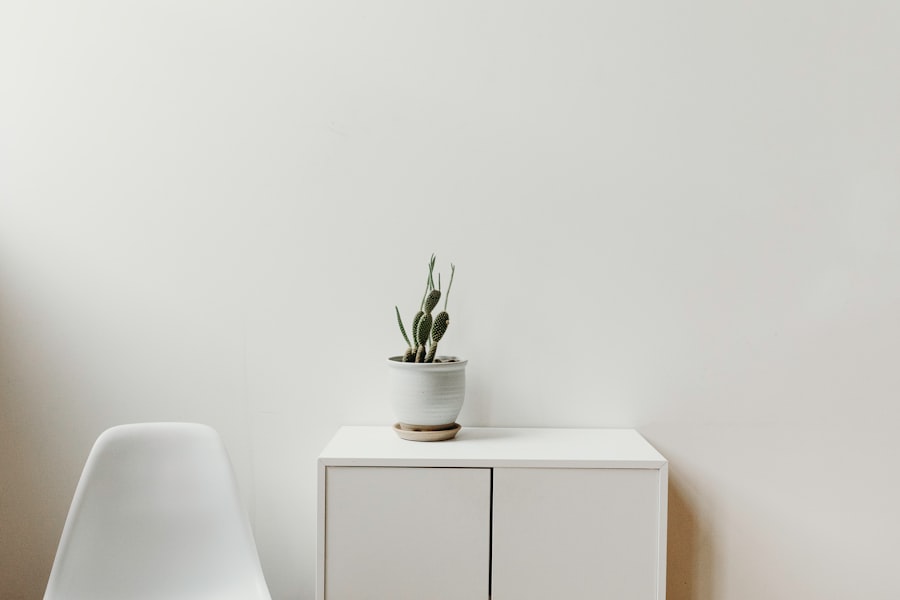
Incorporating various textures and materials into your home can elevate its design and make it feel more inviting. You might consider mixing soft fabrics like velvet or cotton with harder surfaces such as wood or metal. This contrast not only adds visual interest but also creates a tactile experience that engages the senses.
For instance, pairing a plush area rug with a sleek coffee table can create a harmonious balance between comfort and sophistication. When selecting materials, think about durability and maintenance as well. Natural materials like wood, stone, and leather can add warmth and character to your space while standing the test of time.
On the other hand, synthetic materials may offer ease of cleaning but might lack the same depth of character. You should also consider how different textures can influence the overall mood of a room; for example, a cozy knitted throw can make a space feel more intimate, while shiny metallic accents can add a touch of modern elegance.
Clutter and Organization
A cluttered space can lead to feelings of stress and distraction, making organization an essential aspect of home design. You should start by decluttering each room, removing items that no longer serve a purpose or bring you joy. This process not only clears physical space but also creates mental clarity.
Once you’ve pared down your belongings, think about how to organize what remains effectively. Utilizing storage solutions like baskets, shelves, and cabinets can help keep items neatly tucked away while still being easily accessible. In addition to physical organization, consider implementing systems that promote ongoing tidiness.
For example, you might establish designated spots for everyday items like keys or mail to prevent them from accumulating in random places. Regularly scheduled clean-up sessions can also help maintain order in your home. By fostering an organized environment, you create a sanctuary that allows you to focus on what truly matters without the distraction of clutter.
Technology and Electronics
In today’s digital age, technology plays an integral role in our daily lives, and integrating it seamlessly into your home can enhance both convenience and comfort. You should consider smart home devices that allow you to control lighting, temperature, and security systems with ease. For instance, smart thermostats can help you maintain an ideal temperature while saving energy costs.
Additionally, smart speakers can provide entertainment or information at your command, making daily tasks more manageable. However, it’s essential to strike a balance between technology and aesthetics. You don’t want wires and devices cluttering your living space or detracting from its design.
Consider investing in cable management solutions or furniture designed to conceal electronics while still providing functionality. By thoughtfully incorporating technology into your home, you can create an environment that is both modern and inviting.
Temperature and Air Quality
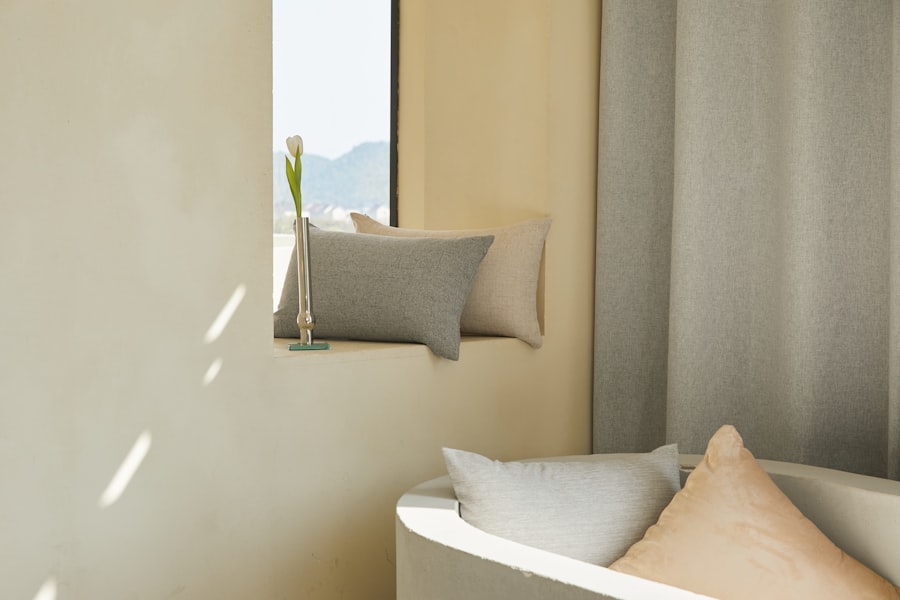
Maintaining a comfortable temperature and good air quality is vital for creating a healthy living environment. You should ensure that your home is equipped with an efficient heating and cooling system that meets your needs throughout the year. Regular maintenance of these systems is crucial; changing filters and scheduling professional check-ups can help ensure optimal performance.
In addition to temperature control, consider incorporating plants into your home for improved air quality. Certain plants are known for their ability to filter toxins from the air while adding a touch of nature to your decor. You might also want to invest in air purifiers to further enhance indoor air quality, especially if you live in an area with high pollution levels or have allergies.
By prioritizing temperature regulation and air quality, you create a healthier living space that promotes well-being.
Personalization and Comfort
Your home should be a reflection of who you are, filled with personal touches that evoke memories and emotions. You might want to display family photos, travel souvenirs, or artwork that resonates with you on your walls or shelves. These elements not only add character but also make your space feel uniquely yours.
Consider creating a gallery wall or dedicating a shelf to showcase your favorite items; this will infuse your home with warmth and personality. Comfort is equally important in making your home feel inviting. You should invest in quality furnishings that provide both style and support.
Soft cushions on sofas or chairs can enhance relaxation, while cozy blankets can make chilly evenings more enjoyable. Additionally, consider the layout of your furniture; ensuring that seating arrangements promote conversation and connection will foster a sense of belonging among family members and guests alike.
Noise Control
Noise can significantly impact your comfort at home, making it essential to address sound control in your living space. You might start by identifying sources of noise pollution—whether it’s traffic outside or loud appliances—and take steps to mitigate them. Adding rugs or carpets can help absorb sound, while heavy curtains can block out external noise when closed.
In addition to physical barriers, consider incorporating soundproofing materials into your design if noise is a persistent issue. Acoustic panels or soundproofing insulation can be effective solutions for rooms where quiet is paramount, such as bedrooms or home offices. By prioritizing noise control in your home design, you create an environment conducive to relaxation and focus, allowing you to enjoy your space fully without distractions.
In conclusion, creating a comfortable living environment involves careful consideration of various elements such as furniture layout, color schemes, textures, organization, technology integration, air quality, personalization, and noise control. By thoughtfully addressing each aspect, you can transform your house into a sanctuary that reflects your style while promoting well-being and comfort for all who enter.
FAQs
What are the key considerations when designing a contemporary bedroom for relaxation and restful sleep?
The key considerations when designing a contemporary bedroom for relaxation and restful sleep include choosing calming colors, incorporating comfortable and supportive furniture, minimizing clutter, and optimizing lighting and ventilation.
How can color choices impact the relaxation and restfulness of a contemporary bedroom?
Color choices can impact the relaxation and restfulness of a contemporary bedroom by influencing mood and creating a calming atmosphere. Soft, neutral colors such as light blues, greens, and earth tones are often recommended for promoting relaxation and restful sleep.
What types of furniture are best for promoting relaxation and restful sleep in a contemporary bedroom?
Furniture that is comfortable, supportive, and conducive to relaxation is best for promoting restful sleep in a contemporary bedroom. This may include a quality mattress, supportive pillows, and ergonomic seating options.
How does minimizing clutter contribute to a relaxing and restful bedroom environment?
Minimizing clutter in a contemporary bedroom contributes to a relaxing and restful environment by reducing visual distractions and creating a sense of order and calm. This can help promote better sleep and relaxation.
What role does lighting and ventilation play in designing a contemporary bedroom for relaxation and restful sleep?
Proper lighting and ventilation are important factors in designing a contemporary bedroom for relaxation and restful sleep. Natural light, adjustable lighting options, and good air circulation can all contribute to a comfortable and calming bedroom environment.