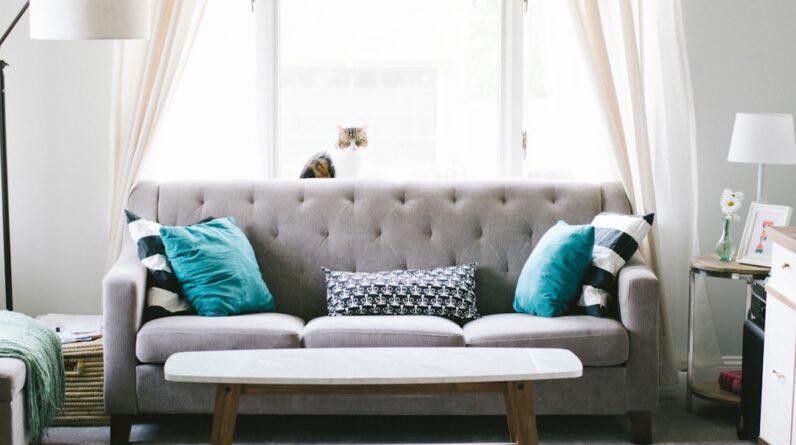
Contemporary design is a dynamic and ever-evolving field that reflects the current trends and cultural shifts of our time. As you delve into this world, you will discover that it is characterized by clean lines, minimalism, and a focus on functionality. This design philosophy embraces the idea that form should follow function, allowing spaces to be both aesthetically pleasing and practical.
You may find that contemporary design often incorporates a mix of materials, textures, and colors, creating an environment that feels fresh and inviting. In your exploration of contemporary design, you will notice how it often draws inspiration from various movements, including mid-century modern, industrial, and even Scandinavian styles. This eclectic approach allows for a unique blend of elements that can be tailored to individual tastes and preferences.
As you engage with contemporary design, you will appreciate how it encourages creativity and innovation, pushing the boundaries of traditional design principles while remaining grounded in the needs of modern living.
Key Takeaways
- Contemporary design emphasizes clean lines, minimalism, and functionality
- Flexibility and multifunctionality in furniture and spaces allow for versatile use and efficient use of space
- Incorporating sustainable and eco-friendly elements in design promotes environmental responsibility
- Embracing technology and smart home features enhances convenience and efficiency in daily living
- Creating zones for different family activities promotes organization and harmony in the home
Flexibility and Multifunctionality in Furniture and Spaces
One of the hallmarks of contemporary design is the emphasis on flexibility and multifunctionality in furniture and spaces. As you navigate your living environment, you may find that the ability to adapt your space to suit various needs is essential. For instance, a sofa bed can transform a cozy living room into a guest bedroom, while modular furniture allows you to rearrange your layout effortlessly.
This adaptability not only maximizes the use of space but also enhances your overall living experience. Incorporating multifunctional pieces into your home can lead to a more organized and efficient lifestyle. You might consider investing in furniture that serves multiple purposes, such as an ottoman with hidden storage or a dining table that can expand for larger gatherings.
By prioritizing flexibility in your design choices, you create an environment that can evolve with your changing needs, making your home a more enjoyable and practical space.
Incorporating Sustainable and Eco-Friendly Elements
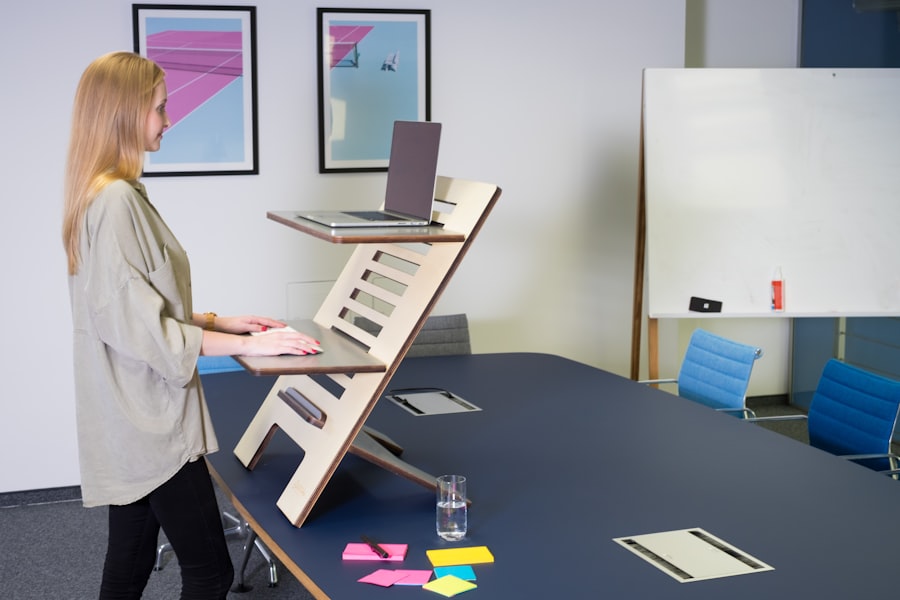
As you become more aware of the impact of design on the environment, incorporating sustainable and eco-friendly elements into your home becomes increasingly important. Contemporary design often champions the use of sustainable materials, such as reclaimed wood, bamboo, or recycled metals. By choosing these materials, you not only contribute to environmental conservation but also add unique character to your space.
Each piece tells a story, reflecting a commitment to sustainability that resonates with your values. In addition to material choices, you can also focus on energy efficiency in your home. Opting for energy-efficient appliances, LED lighting, and proper insulation can significantly reduce your carbon footprint while saving you money on utility bills.
As you embrace eco-friendly practices in your design approach, you create a healthier living environment for yourself and future generations. This commitment to sustainability not only enhances the aesthetic appeal of your home but also aligns with a growing global movement toward responsible living.
Embracing Technology and Smart Home Features
In today’s fast-paced world, technology plays an integral role in contemporary design. As you explore the possibilities of smart home features, you will find that they can greatly enhance your living experience. From automated lighting systems to smart thermostats, these innovations allow you to control various aspects of your home with ease.
Imagine being able to adjust the temperature or lighting from your smartphone while you’re away—this level of convenience is becoming increasingly common in modern homes. Moreover, integrating technology into your design doesn’t have to compromise aesthetics. Many smart devices are designed with sleek lines and modern finishes that seamlessly blend into your decor.
You might consider incorporating voice-activated assistants or smart speakers that not only provide entertainment but also serve as functional elements within your space. By embracing technology in your home design, you create an environment that is not only stylish but also efficient and responsive to your needs.
Creating Zones for Different Family Activities
As you think about how to optimize your living space, consider the importance of creating distinct zones for different family activities. In contemporary design, open floor plans are popular; however, this can sometimes lead to a lack of defined spaces for various functions. By strategically arranging furniture and using area rugs or partitions, you can delineate areas for relaxation, work, play, and dining.
This thoughtful approach allows each family member to engage in their preferred activities without feeling confined or disrupted. You may also want to consider how color and lighting can help define these zones further. For instance, using warm tones in a cozy reading nook can create an inviting atmosphere, while brighter colors in a play area can stimulate creativity and energy.
By thoughtfully designing these zones within your home, you foster an environment that supports diverse activities and encourages family interaction while still allowing for personal space.
Designing for Accessibility and Aging in Place
As you contemplate the future of your living space, it’s essential to consider accessibility and aging in place. Contemporary design increasingly prioritizes inclusivity, ensuring that homes are comfortable and functional for individuals of all ages and abilities. You might explore features such as wider doorways, zero-step entries, and lever-style door handles that make navigating your home easier for everyone.
Incorporating universal design principles not only benefits those with mobility challenges but also enhances the overall usability of your space. For example, installing grab bars in bathrooms or using non-slip flooring can provide added safety for all family members. As you design with accessibility in mind, you create a welcoming environment that allows everyone to thrive comfortably within their home.
Maximizing Storage and Organization Solutions
In contemporary design, maximizing storage and organization solutions is crucial for maintaining a clutter-free environment. As you assess your space, consider how built-in shelving units or custom cabinetry can help you make the most of every square inch. These solutions not only provide ample storage but also contribute to the overall aesthetic of your home by keeping items neatly tucked away.
You might also explore creative storage options such as under-bed drawers or wall-mounted organizers that free up floor space while adding visual interest. By prioritizing organization in your design choices, you create a serene atmosphere that promotes relaxation and productivity. A well-organized home allows you to focus on what truly matters—spending quality time with loved ones or pursuing personal interests—without the distraction of clutter.
Balancing Style and Practicality in Design Choices
Ultimately, contemporary design is about finding the perfect balance between style and practicality. As you curate your living space, it’s essential to choose pieces that not only reflect your personal taste but also serve a functional purpose. You may find yourself drawn to bold colors or unique textures; however, it’s important to consider how these choices will hold up over time and fit into your lifestyle.
When selecting furniture or decor items, think about durability and maintenance alongside aesthetics. For instance, opting for stain-resistant fabrics or easy-to-clean surfaces can ensure that your beautiful space remains functional for years to come. By striking this balance between style and practicality, you create a home that is not only visually appealing but also livable—an inviting sanctuary where you can truly enjoy life’s moments.
In conclusion, contemporary design offers a wealth of opportunities for creating spaces that are both beautiful and functional. By embracing flexibility, sustainability, technology, accessibility, organization, and balance in your design choices, you can craft an environment that reflects your values and enhances your quality of life. As you embark on this journey of design exploration, remember that each decision contributes to the overall narrative of your home—a story uniquely yours.
FAQs
What is contemporary design?
Contemporary design refers to the current trends and styles in interior and product design. It often incorporates clean lines, minimalism, and a focus on functionality and practicality.
How does contemporary design adapt to the changing needs of a growing family?
Contemporary design adapts to the changing needs of a growing family by incorporating multifunctional furniture, flexible layouts, and durable materials that can withstand the wear and tear of family life. It also emphasizes open spaces and natural light to create a welcoming and comfortable environment for the entire family.
How does contemporary design adapt to evolving lifestyles?
Contemporary design adapts to evolving lifestyles by embracing technology, sustainability, and the changing ways in which people live and work. This may include incorporating smart home features, energy-efficient appliances, and flexible workspaces to accommodate remote work and other modern lifestyle needs.
What are some key elements of contemporary design for a growing family or evolving lifestyle?
Key elements of contemporary design for a growing family or evolving lifestyle include adaptable furniture, open floor plans, sustainable materials, smart home technology, and a focus on creating versatile and comfortable living spaces that can easily accommodate changing needs.