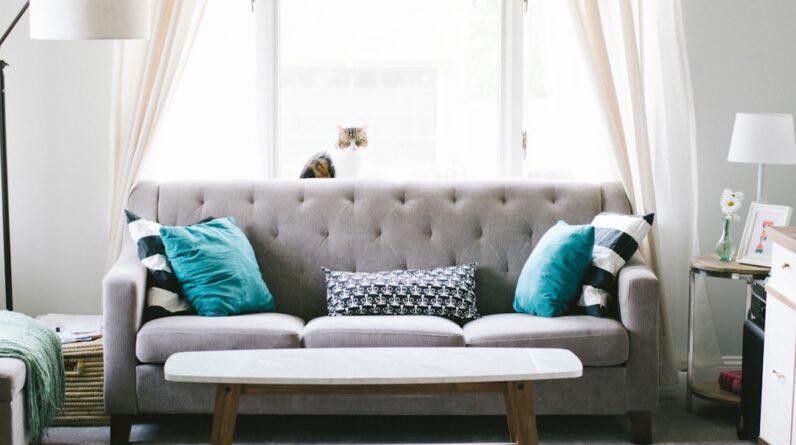
In contemporary home design, open spaces have emerged as a hallmark of modern living. You may find that these expansive areas foster a sense of freedom and connectivity, allowing for a seamless flow between different parts of your home. The absence of walls can create an inviting atmosphere, encouraging interaction among family members and guests.
This design philosophy not only enhances the aesthetic appeal of your living space but also promotes a lifestyle that values openness and collaboration. Moreover, open spaces can significantly impact your mental well-being. When you step into a room that feels airy and spacious, it can evoke feelings of calmness and relaxation.
You might notice that the lack of barriers allows natural light to flood in, brightening your environment and lifting your spirits. In a world where many people feel confined by their daily routines, the design of open spaces offers a refreshing escape, making your home a sanctuary where you can unwind and recharge.
Key Takeaways
- Open spaces in contemporary home design promote a sense of spaciousness and connectivity.
- Defined areas for privacy and functionality help create a sense of balance and organization within the home.
- Furniture and decor can be used to visually separate and define different spaces within an open floor plan.
- Architectural elements such as sliding doors and room dividers can provide privacy without sacrificing openness.
- Balancing natural light and privacy is essential for creating a comfortable and inviting living environment.
Creating Defined Areas for Privacy and Functionality
While open spaces are essential, it’s equally important to create defined areas within your home that cater to privacy and functionality. You may want to carve out specific zones for various activities, such as work, relaxation, or socializing. By doing so, you can maintain the benefits of an open layout while ensuring that each area serves its intended purpose.
For instance, you might designate a corner of your living room as a reading nook, complete with a comfortable chair and a small bookshelf, allowing you to enjoy quiet moments without feeling isolated from the rest of the household. To achieve this balance, consider using furniture arrangements or decorative elements to delineate these spaces. A strategically placed sofa can act as a natural divider between the living area and dining space, while rugs can help define different zones on the floor.
You might also think about incorporating screens or curtains that can be drawn when you need privacy, allowing you to adapt your environment based on your needs at any given moment.
Utilizing Furniture and Decor to Define Spaces
Furniture and decor play a crucial role in defining spaces within an open layout. You may find that the right pieces can not only enhance the functionality of each area but also contribute to the overall aesthetic of your home. For example, using a large sectional sofa can create a cozy gathering spot in your living room while simultaneously separating it from the dining area.
Similarly, a stylish console table can serve as a transitional piece between two distinct zones, adding both form and function. In addition to furniture placement, decor elements such as artwork, plants, and lighting can further delineate spaces. You might choose to hang a large piece of art above a console table to draw attention to that area or use pendant lights to highlight a dining space.
By thoughtfully selecting decor items that resonate with your personal style, you can create visually appealing transitions between different areas while maintaining an overall sense of cohesion throughout your home.
Incorporating Architectural Elements for Privacy
Architectural elements can be powerful tools in creating privacy within an open space. You may consider incorporating features such as half-walls, archways, or even built-in shelving units that provide separation without completely closing off areas. These elements can help define spaces while still allowing for an open feel, striking a balance between privacy and connectivity.
Another option is to use sliding doors or pocket doors that can be opened or closed as needed. This flexibility allows you to adapt your space based on the occasion—whether you’re hosting a gathering or enjoying a quiet evening at home. By integrating these architectural features into your design, you can enhance both the functionality and aesthetic appeal of your living environment.
Balancing Natural Light and Privacy
Natural light is one of the most sought-after elements in contemporary home design, yet it often comes with the challenge of maintaining privacy. You may find yourself grappling with how to let in sunlight while keeping prying eyes at bay. One effective solution is to use window treatments that allow for light control without sacrificing privacy.
Sheer curtains or blinds can filter sunlight while still providing a level of concealment from outside observers. Additionally, strategically placing mirrors can help bounce light around your space without compromising your privacy. You might consider positioning mirrors opposite windows to maximize the natural light entering your home while creating an illusion of more space.
This clever use of reflective surfaces not only enhances brightness but also adds depth to your design, making it feel more expansive and inviting.
Incorporating Technology for Privacy and Openness
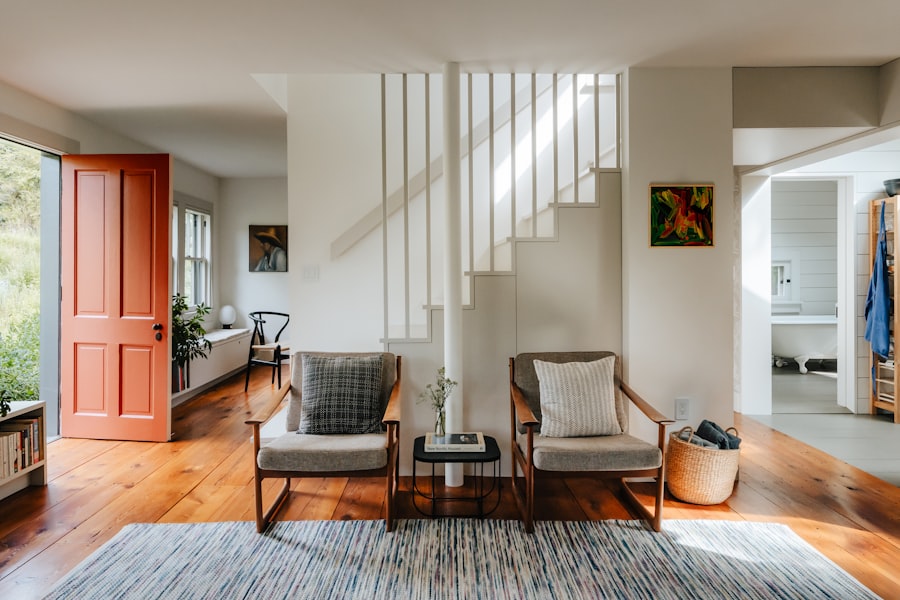
Smart Home Systems for Optimal Control
Smart home systems allow you to control various aspects of your environment with ease, including lighting, temperature, and even window treatments. You may find that automated shades or smart blinds can be programmed to adjust throughout the day, providing privacy when needed while still allowing natural light to filter in during peak hours.
Enhancing Security without Compromising Openness
Moreover, technology can enhance security without compromising openness. Surveillance cameras and smart locks offer peace of mind while allowing you to maintain an inviting atmosphere in your home.
Creating the Ideal Balance for Modern Living
By integrating these technological solutions into your design, you can create a space that feels both secure and welcoming—an ideal combination for modern living.
Maximizing Outdoor Spaces for Privacy and Openness
Outdoor spaces are an extension of your home and offer unique opportunities for creating privacy while embracing openness. You may want to consider landscaping elements such as hedges or trellises that provide natural barriers without obstructing views. These features can create secluded areas for relaxation or entertaining while still allowing you to enjoy the beauty of your surroundings.
Additionally, outdoor furniture arrangements can help define spaces in your yard or patio. You might create distinct zones for dining, lounging, or gardening by using different types of seating or tables. By thoughtfully designing these outdoor areas, you can enhance your living experience while enjoying the benefits of both privacy and openness in nature.
Finding the Right Balance for Your Lifestyle and Preferences
Ultimately, finding the right balance between privacy and openness in your home comes down to your personal lifestyle and preferences. You may want to reflect on how you use your space daily—considering factors such as family dynamics, work habits, and social activities. By understanding your needs, you can make informed decisions about how to design your home in a way that feels comfortable and functional.
As you embark on this journey of creating your ideal living environment, remember that there is no one-size-fits-all solution. Your home should be a reflection of who you are and how you live. Embrace the process of experimenting with different layouts, furniture arrangements, and decor styles until you find the perfect balance that resonates with you.
In doing so, you will create a space that not only meets your practical needs but also nurtures your well-being and enhances your quality of life.
FAQs
What are some design elements that can help balance open spaces with privacy in a contemporary home?
Some design elements that can help achieve this balance include using room dividers, such as sliding doors or screens, strategically placing furniture to create separate areas, and incorporating architectural features like partial walls or built-in shelving.
How can natural light be utilized to create a sense of openness while maintaining privacy in a contemporary home?
Natural light can be utilized by incorporating large windows with strategically placed curtains or blinds for privacy. Skylights and light wells can also bring in natural light while maintaining privacy.
What are some ways to create defined areas within an open floor plan in a contemporary home?
Defined areas can be created within an open floor plan by using area rugs to delineate spaces, varying ceiling heights or flooring materials to visually separate areas, and using different colors or textures to define specific zones.
What role does furniture placement play in balancing open spaces with defined areas in a contemporary home?
Strategic furniture placement can help define areas within an open space by creating natural pathways and visual barriers. It can also help to create cozy, intimate spaces within a larger, open area.
How can technology be integrated into a contemporary home to provide both open spaces and privacy?
Technology can be integrated through smart home systems that allow for automated control of lighting, window treatments, and sound systems to create open, airy spaces while still maintaining privacy when desired. Additionally, soundproofing materials can be used to create privacy within an open space.