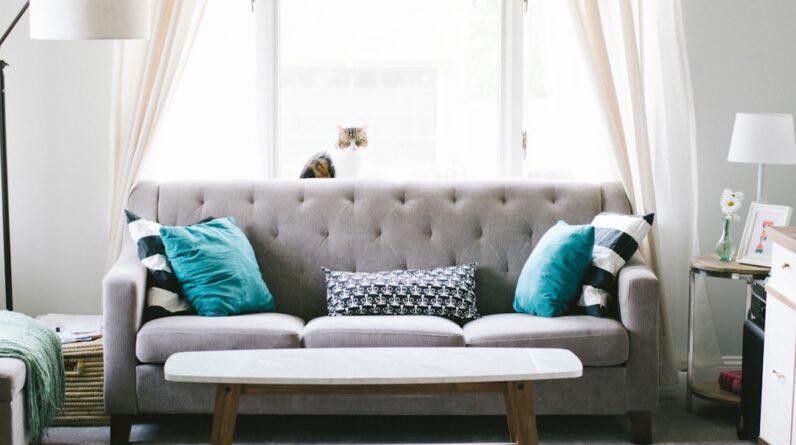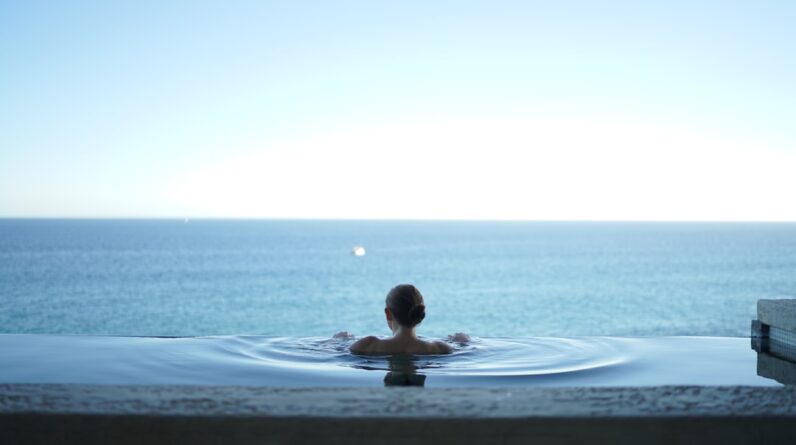
When considering the design of a space, the location plays a pivotal role in shaping its functionality and appeal. You might find that the geographical context influences not only the aesthetic but also the practical aspects of how a space is utilized. For instance, if you are situated in an urban environment, maximizing vertical space can be essential.
This could mean incorporating multi-level designs or utilizing rooftops for gardens or recreational areas. In contrast, a rural setting may allow for sprawling layouts that embrace the natural landscape, providing ample room for outdoor activities and community gatherings. Space utilization goes beyond mere square footage; it involves thoughtful planning to ensure that every corner serves a purpose.
You may want to consider flexible spaces that can adapt to various needs over time. For example, a room designed for meetings could easily transform into a social area after hours. By incorporating movable partitions or multifunctional furniture, you can create an environment that evolves with the demands of its users.
This adaptability not only enhances the user experience but also maximizes the potential of the space, making it more valuable in the long run.
Key Takeaways
- Location and Space Utilization: The building is strategically located and efficiently utilizes space for maximum functionality.
- Integration of Nature and Natural Elements: The design seamlessly incorporates natural elements to create a harmonious environment.
- Privacy and Tranquility: The building provides a peaceful and private atmosphere for its occupants.
- Sustainable and Eco-friendly Design: The building is designed with sustainability and eco-friendliness in mind, using green materials and energy-efficient systems.
- Accessibility and Universal Design: The building is accessible to all, with universal design principles incorporated for inclusivity.
Integration of Nature and Natural Elements
Incorporating nature into your design can significantly enhance the ambiance and overall experience of a space. You might find that natural elements such as wood, stone, and plants create a warm and inviting atmosphere. Imagine walking into a room where sunlight filters through large windows, illuminating wooden beams and lush greenery.
This connection to nature can evoke feelings of calmness and well-being, making it an essential aspect of modern design. Moreover, integrating natural elements can extend beyond aesthetics; it can also improve air quality and promote mental health. You may want to consider incorporating biophilic design principles, which emphasize the human-nature connection.
This could involve creating indoor gardens, using natural ventilation systems, or selecting materials that reflect the surrounding environment. By doing so, you not only enhance the visual appeal of your space but also foster a healthier and more productive atmosphere for everyone who enters.
Privacy and Tranquility
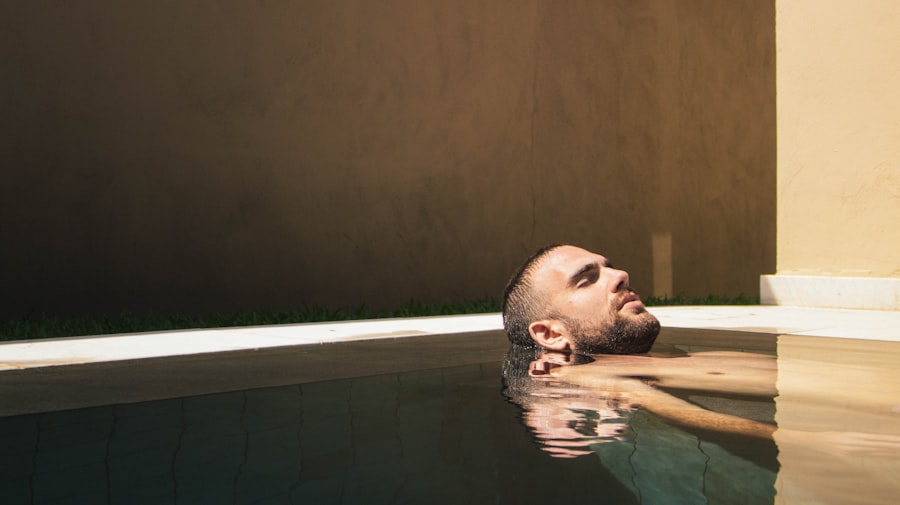
In today’s fast-paced world, privacy and tranquility have become increasingly important in design considerations. You may find that creating spaces where individuals can retreat from the hustle and bustle is essential for mental well-being. Thoughtful layout planning can help achieve this by strategically placing private areas away from high-traffic zones.
For instance, you might design quiet nooks or secluded rooms that encourage relaxation and introspection. Acoustic design is another critical factor in ensuring privacy and tranquility. You may want to explore soundproofing materials or layout strategies that minimize noise transfer between spaces.
This could involve using carpets, acoustic panels, or even water features to mask unwanted sounds. By prioritizing these elements, you create an environment where individuals can focus, unwind, or engage in meaningful conversations without distractions.
Sustainable and Eco-friendly Design
As awareness of environmental issues grows, sustainable and eco-friendly design has become a priority for many. You might consider how your choices impact the planet and strive to incorporate sustainable practices into your projects. This could involve selecting materials that are renewable, recycled, or locally sourced, thereby reducing your carbon footprint while supporting local economies.
Energy efficiency is another crucial aspect of sustainable design. You may want to explore options such as solar panels, energy-efficient appliances, and smart lighting systems that reduce energy consumption. Additionally, incorporating passive design strategies—like maximizing natural light and ventilation—can further enhance sustainability while creating a comfortable living environment.
By embracing eco-friendly design principles, you not only contribute to a healthier planet but also create spaces that resonate with environmentally conscious clients.
Accessibility and Universal Design
Creating spaces that are accessible to everyone is not just a legal requirement; it’s a moral imperative that enhances inclusivity. You may want to consider universal design principles that ensure your space accommodates individuals of all abilities. This could involve designing wider doorways for wheelchair access, installing ramps instead of stairs, or ensuring that all areas are navigable for those with mobility challenges.
Moreover, accessibility extends beyond physical features; it also encompasses sensory considerations. You might think about how lighting, color contrast, and signage can aid individuals with visual impairments or cognitive disabilities. By prioritizing accessibility in your design process, you create an environment where everyone feels welcome and valued, fostering a sense of community and belonging.
Technology and Innovation
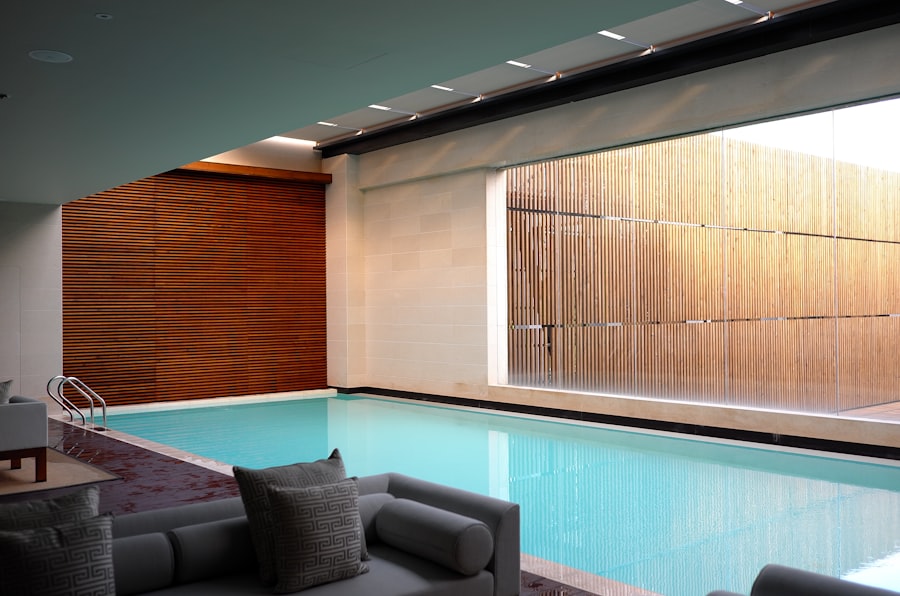
Incorporating technology into your design can significantly enhance functionality and user experience. You may find that smart home systems allow for greater control over lighting, temperature, and security, making spaces more comfortable and efficient. Imagine being able to adjust your home’s settings with just a voice command or a tap on your smartphone—this level of convenience is becoming increasingly desirable.
Innovation also plays a crucial role in improving sustainability and efficiency. You might explore cutting-edge materials or construction techniques that reduce waste and energy consumption. For instance, 3D printing technology can create custom components with minimal material waste, while advanced insulation materials can enhance energy efficiency.
By embracing technology and innovation in your designs, you not only stay ahead of trends but also create spaces that are future-proofed for evolving needs.
Health and Safety Regulations
Navigating health and safety regulations is an essential aspect of any design project. You may find that understanding local codes and standards ensures that your space is safe for all users while minimizing liability risks. This could involve adhering to fire safety regulations, ensuring proper ventilation systems are in place, or following guidelines for electrical installations.
Moreover, health considerations extend beyond compliance; they encompass creating environments that promote well-being. You might want to explore how natural light, air quality, and ergonomic design contribute to the overall health of occupants. By prioritizing health and safety in your designs, you create spaces that not only meet regulatory requirements but also enhance the quality of life for everyone who interacts with them.
Client Experience and Comfort
Ultimately, the success of any design project hinges on the client experience and comfort level within the space. You may want to engage with clients throughout the design process to understand their needs and preferences fully. This collaborative approach ensures that the final product aligns with their vision while addressing practical concerns.
Comfort is multifaceted; it encompasses physical aspects like temperature control and seating arrangements as well as emotional factors such as aesthetics and ambiance. You might consider how color schemes, textures, and lighting contribute to creating a welcoming atmosphere. By focusing on client experience and comfort, you not only deliver a functional space but also foster positive emotions and lasting memories associated with it.
In conclusion, thoughtful design encompasses various elements—from location and space utilization to technology integration and client comfort. By considering these factors holistically, you can create spaces that are not only functional but also enriching for those who inhabit them. Embracing sustainability, accessibility, and innovation will ensure your designs remain relevant in an ever-evolving world while enhancing the quality of life for all users.
FAQs
What are the key considerations for designing a contemporary spa or wellness retreat within a residential setting?
Some key considerations for designing a contemporary spa or wellness retreat within a residential setting include the integration of natural elements, creating a serene and tranquil atmosphere, incorporating sustainable and eco-friendly materials, and ensuring privacy for residents.
How can natural elements be integrated into the design of a contemporary spa or wellness retreat?
Natural elements such as water features, greenery, natural light, and organic materials can be integrated into the design of a contemporary spa or wellness retreat to create a calming and rejuvenating environment.
What role does sustainability play in the design of a contemporary spa or wellness retreat within a residential setting?
Sustainability plays a significant role in the design of a contemporary spa or wellness retreat within a residential setting, with an emphasis on using eco-friendly materials, energy-efficient systems, and sustainable practices to minimize environmental impact.
How can privacy be ensured for residents when designing a contemporary spa or wellness retreat within a residential setting?
Privacy for residents can be ensured through thoughtful layout and design, strategic placement of spa facilities, and the use of landscaping and architectural elements to create secluded spaces within the retreat.
What are some popular design trends for contemporary spa or wellness retreats within residential settings?
Popular design trends for contemporary spa or wellness retreats within residential settings include minimalist and modern aesthetics, use of natural and sustainable materials, incorporation of technology for convenience and relaxation, and a focus on holistic wellness experiences.