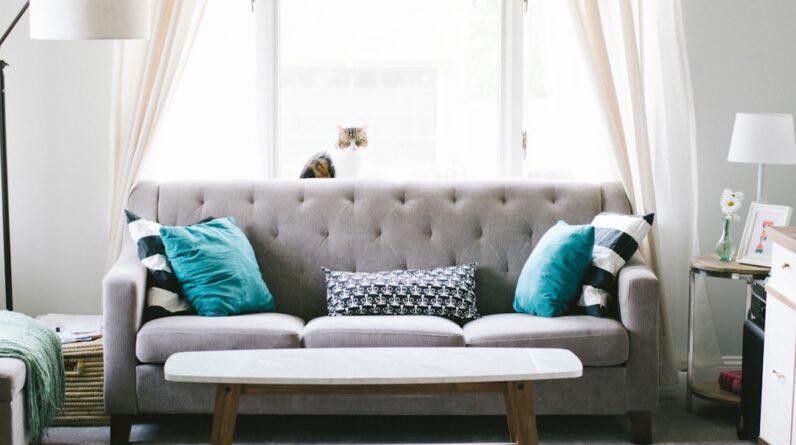
In today’s fast-paced world, the concept of home has evolved into a sanctuary of comfort and style. You may find that contemporary comfort is not just about aesthetics; it’s about creating a space that resonates with your lifestyle and personal preferences. This modern approach to interior design emphasizes a harmonious blend of functionality and beauty, allowing you to unwind and recharge in an environment that feels uniquely yours.
As you explore the elements that define contemporary comfort, you’ll discover how thoughtful design choices can transform your living space into a haven of relaxation. Contemporary comfort is characterized by its ability to adapt to the needs of the individual. It embraces a philosophy that prioritizes well-being, encouraging you to curate spaces that reflect your personality while also serving practical purposes.
This article will delve into various aspects of contemporary design, from minimalist aesthetics to sustainable materials, providing you with insights and inspiration to create a home that embodies comfort and style.
Key Takeaways
- Contemporary comfort focuses on creating a cozy and inviting atmosphere with modern design elements.
- Minimalist design and clean lines are key features of contemporary comfort, promoting simplicity and functionality.
- Functional furniture and multi-purpose spaces are essential for maximizing the use of space in contemporary comfort design.
- Natural light and open floor plans are important for creating a sense of spaciousness and connection to the outdoors.
- Neutral color palettes and texture add warmth and depth to contemporary comfort design, creating a soothing and relaxing environment.
Minimalist Design and Clean Lines
Finding Peace in Minimalism
Embracing a minimalist approach allows you to cultivate a sense of peace in your home, where every piece of furniture and decor serves a purpose. This doesn’t mean sacrificing warmth or personality, but rather choosing quality over quantity.
Intentional Design Choices
You might opt for a few carefully selected pieces that resonate with you, such as a sleek sofa or an elegant coffee table, rather than filling your space with an abundance of items. This intentional approach not only enhances the visual appeal of your home but also fosters a sense of clarity and calmness in your daily life.
The Benefits of a Minimalist Lifestyle
By incorporating minimalist design into your life, you can experience a greater sense of calm and clarity. This approach encourages you to focus on what truly matters, allowing you to relax and enjoy your surroundings.
Functional Furniture and Multi-purpose Spaces

As you navigate the demands of modern living, functional furniture becomes essential in creating a comfortable home. You may find that investing in pieces that serve multiple purposes can significantly enhance your living experience. For instance, a stylish ottoman can double as extra seating or storage, while a fold-out desk can transform any corner into a productive workspace.
By prioritizing functionality, you can maximize the utility of your space without compromising on style. Multi-purpose spaces are another hallmark of contemporary comfort. In an era where homes are often smaller and more compact, the ability to adapt your environment to suit various activities is invaluable.
You might consider designing a living room that seamlessly transitions into a guest bedroom or creating a dining area that doubles as a workspace. This flexibility not only caters to your lifestyle but also allows you to make the most of every square foot in your home.
Natural Light and Open Floor Plans
One of the most significant aspects of contemporary comfort is the emphasis on natural light and open floor plans. You may have noticed how sunlight streaming through large windows can instantly elevate your mood and create an inviting atmosphere. By prioritizing natural light in your home design, you can foster a sense of connection with the outdoors while enhancing the overall ambiance of your space.
Open floor plans further contribute to this sense of spaciousness and flow. When you eliminate unnecessary walls and barriers, you create an environment that feels expansive and welcoming. This layout encourages interaction and movement, allowing you to engage with family and friends effortlessly.
Whether you’re hosting a gathering or simply enjoying a quiet evening at home, an open floor plan can enhance your experience by promoting a sense of togetherness.
Neutral Color Palettes and Texture
Color plays a crucial role in shaping the mood of your home, and contemporary comfort often leans towards neutral color palettes. You may find that shades of white, beige, gray, and soft earth tones create a calming backdrop that allows other design elements to shine. These colors evoke a sense of serenity, making it easier for you to unwind after a long day.
However, a neutral palette doesn’t have to be bland or monotonous. By incorporating various textures into your design, you can add depth and interest to your space. Consider mixing materials such as wood, metal, fabric, and stone to create a tactile experience that engages the senses.
A plush area rug paired with sleek leather furniture or woven baskets alongside smooth ceramic accents can elevate your home’s aesthetic while maintaining the tranquil vibe that contemporary comfort embodies.
Technology Integration and Smart Home Features

Seamless Integration with Design
Moreover, technology can seamlessly blend with design elements to maintain the aesthetic appeal of your space. You might choose sleek devices that complement your decor rather than detract from it. For instance, hidden speakers or integrated charging stations can provide functionality without compromising the clean lines and minimalist look you desire.
Enhancing Comfort and Style
By thoughtfully incorporating technology into your home, you can enjoy the benefits of modern living while maintaining a sense of comfort and style.
The Perfect Blend of Form and Function
Sustainable Materials and Eco-friendly Design
As awareness of environmental issues grows, many individuals are seeking ways to incorporate sustainability into their homes. You may find that choosing sustainable materials not only benefits the planet but also enhances the overall comfort of your living space. Eco-friendly design practices prioritize natural resources and minimize waste, allowing you to create a home that aligns with your values.
Consider using materials such as reclaimed wood, bamboo, or recycled metal in your design choices. These options not only reduce environmental impact but also add character and uniqueness to your space. Additionally, energy-efficient appliances and fixtures can contribute to lower utility bills while promoting a more sustainable lifestyle.
By embracing eco-friendly design principles, you can create a comfortable home that reflects your commitment to both style and sustainability.
Personalized Touches and Artistic Expression
Finally, contemporary comfort is incomplete without personalized touches that reflect your individuality. You may find joy in curating art pieces or decor items that resonate with your experiences and interests. Whether it’s displaying family photographs or showcasing local artwork, these personal elements infuse your space with warmth and character.
Artistic expression can take many forms in contemporary design. You might choose bold statement pieces that serve as focal points or opt for subtle accents that complement your overall aesthetic. The key is to create an environment that feels authentically yours—a place where you can express yourself freely while enjoying the comforts of modern living.
By incorporating personal touches into your home, you not only enhance its visual appeal but also cultivate a sense of belonging and connection within your space. In conclusion, contemporary comfort is about more than just design; it’s about creating an environment that nurtures your well-being and reflects who you are. By embracing minimalist aesthetics, functional furniture, natural light, neutral palettes, technology integration, sustainable materials, and personalized touches, you can transform your living space into a true sanctuary.
As you embark on this journey of design and self-expression, remember that comfort is not just a destination—it’s an ongoing process of discovery and creativity in crafting the perfect home for yourself.
FAQs
What is modern interior design?
Modern interior design is a style that emerged in the early 20th century and is characterized by clean, sleek lines, a simple color palette, and a focus on function and organization. It often incorporates elements of minimalism and industrial design.
What are the key features of modern interior design?
Key features of modern interior design include open floor plans, large windows to let in natural light, and a mix of materials such as glass, metal, and concrete. Furniture and decor are often sleek and unadorned, with an emphasis on geometric shapes and a lack of clutter.
How does modern interior design create a sense of comfort?
Modern interior design creates a sense of comfort by prioritizing functionality and organization. The clean, uncluttered spaces and simple color palettes can create a calming and relaxing atmosphere. Additionally, the emphasis on natural light and open floor plans can make a space feel more inviting and spacious.
What are some popular color schemes in modern interior design?
Popular color schemes in modern interior design include neutral colors such as white, beige, and gray, as well as bold accent colors like black, navy, or deep jewel tones. These color schemes create a sense of sophistication and can be easily accented with pops of color in decor and artwork.
How can I incorporate modern interior design into my home?
To incorporate modern interior design into your home, focus on decluttering and organizing your space, using a simple color palette, and incorporating sleek, unadorned furniture and decor. Consider adding elements like large windows, open shelving, and statement lighting to create a modern and comfortable living space.