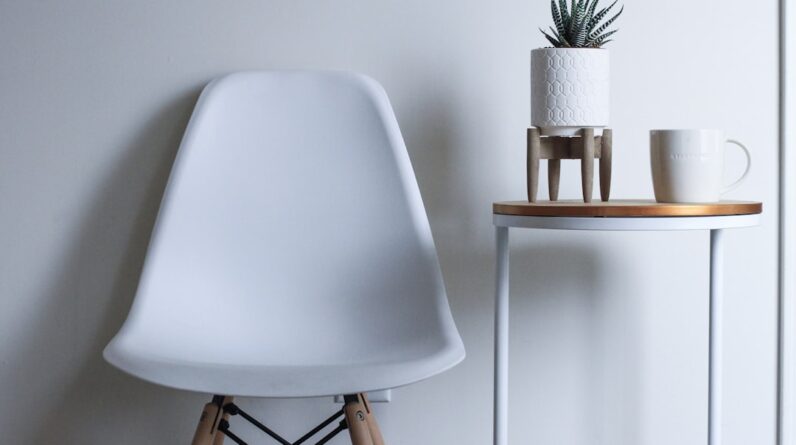
Contemporary interior design is a dynamic and ever-evolving field that reflects the current trends and lifestyles of urban living. As you step into the world of contemporary design, you will find that it is characterized by clean lines, open spaces, and a focus on functionality. This style embraces a minimalist aesthetic while also allowing for personal expression through color, texture, and art.
In an age where urban living is becoming increasingly popular, understanding contemporary interior design is essential for creating spaces that are not only visually appealing but also practical and comfortable. As you explore contemporary interior design, you will notice that it often incorporates elements from various styles, blending them to create unique environments. This adaptability makes it particularly suitable for urban settings, where space is often at a premium.
The emphasis on sustainability and eco-friendliness is also a significant aspect of contemporary design, as more individuals seek to create homes that are not only stylish but also environmentally responsible. By embracing these principles, you can transform your living space into a reflection of your personality while ensuring it meets the demands of modern urban life.
Key Takeaways
- Contemporary interior design focuses on clean lines, minimalism, and functionality.
- Space-saving solutions such as multi-functional furniture and smart storage are essential for small urban spaces.
- Incorporating natural elements like plants and natural materials can bring a sense of calm and tranquility to urban interiors.
- Technology can be integrated into urban interior design through smart home systems, energy-efficient appliances, and innovative lighting solutions.
- Minimalist and functional furniture pieces are ideal for urban living, providing both style and practicality.
Space-saving Solutions for Small Urban Spaces
Invest in Multifunctional Furniture
One effective approach is to invest in multifunctional furniture that serves more than one purpose. For instance, a sofa bed can provide seating during the day and transform into a comfortable sleeping area at night. Similarly, ottomans with hidden storage can help you keep your living area tidy while offering extra seating when needed. By choosing furniture that adapts to your lifestyle, you can create a more functional and inviting space.
Utilize Vertical Storage Options
Another clever strategy for small urban spaces is to utilize vertical storage options. Shelving units that reach up to the ceiling can draw the eye upward, making the room feel larger while providing ample storage for books, decor, and personal items. Wall-mounted hooks and pegboards can also help you organize your belongings without taking up valuable floor space.
Maximize Hidden Storage
Additionally, consider using under-bed storage solutions to keep seasonal clothing or extra linens out of sight but easily accessible. By implementing these space-saving techniques, you can transform even the tiniest apartment into a stylish and efficient haven.
Incorporating Natural Elements in Urban Interiors

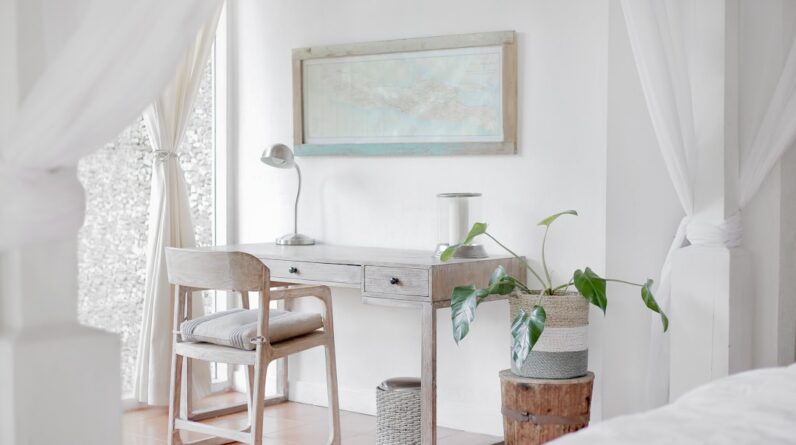
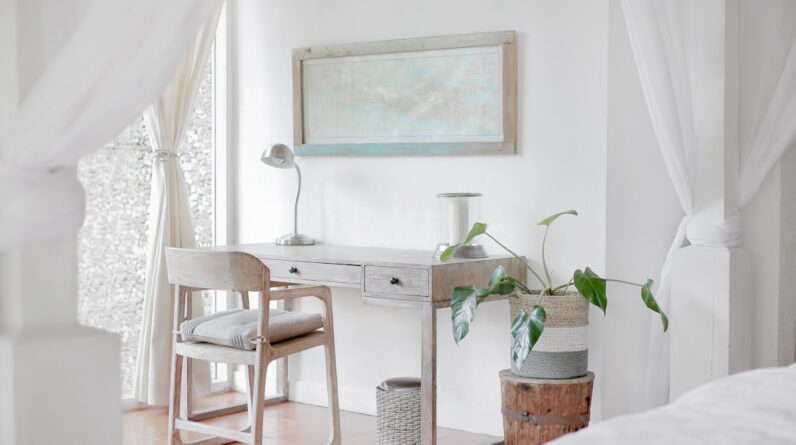
Bringing natural elements into your urban interior can create a refreshing contrast to the concrete jungle outside your window. One of the simplest ways to achieve this is by introducing plants into your living space. Indoor plants not only enhance the aesthetic appeal of your home but also improve air quality and promote a sense of well-being.
From low-maintenance succulents to lush ferns, there are countless options to suit your lifestyle and design preferences. You might consider creating a vertical garden or using hanging planters to save space while adding greenery to your walls. In addition to plants, incorporating natural materials such as wood, stone, and textiles can further enhance the organic feel of your urban interior.
Wooden furniture pieces or accents can add warmth and texture to your space, while stone elements like a feature wall or decorative accessories can evoke a sense of grounding. Textiles made from natural fibers such as cotton or linen can soften the overall look and feel of your home. By thoughtfully integrating these natural elements, you can create an inviting atmosphere that provides a much-needed escape from the hustle and bustle of city life.
Utilizing Technology in Urban Interior Design
In today’s fast-paced world, technology plays an integral role in shaping contemporary interior design. As you navigate urban living, incorporating smart technology into your home can enhance both convenience and comfort. Smart home devices such as thermostats, lighting systems, and security cameras allow you to control various aspects of your living environment with ease.
Imagine adjusting the temperature or lighting from your smartphone while you’re on your way home from work—this level of control not only adds convenience but also contributes to energy efficiency. Moreover, technology can also be used to optimize space in urban interiors. For instance, modular furniture that can be easily reconfigured allows you to adapt your living area for different occasions or needs.
Virtual reality tools can help you visualize how different design elements will look in your space before making any commitments. By embracing these technological advancements, you can create a modern urban home that is not only stylish but also tailored to your lifestyle.
Minimalist and Functional Furniture for Urban Living
When it comes to furnishing your urban dwelling, opting for minimalist and functional pieces is key to maintaining an uncluttered and serene environment. Minimalist furniture emphasizes simplicity and clean lines, allowing you to create a cohesive look without overwhelming your space. Consider selecting pieces that serve multiple functions—such as a coffee table with built-in storage or a dining table that can extend for guests—so that every item in your home has a purpose.
In addition to aesthetics, functionality should be at the forefront of your furniture choices. Look for items that are easy to move or rearrange, allowing you to adapt your space as needed. Lightweight chairs or collapsible tables can be particularly useful in smaller apartments where flexibility is essential.
By prioritizing minimalist and functional furniture, you can cultivate an urban living environment that feels spacious and organized while still reflecting your personal style.
The Role of Lighting in Contemporary Urban Interiors

Lighting is one of the most crucial elements in contemporary interior design, especially in urban settings where natural light may be limited. Thoughtful lighting choices can dramatically alter the mood and functionality of your space. Layering different types of lighting—ambient, task, and accent—can create a well-balanced atmosphere that caters to various activities throughout the day.
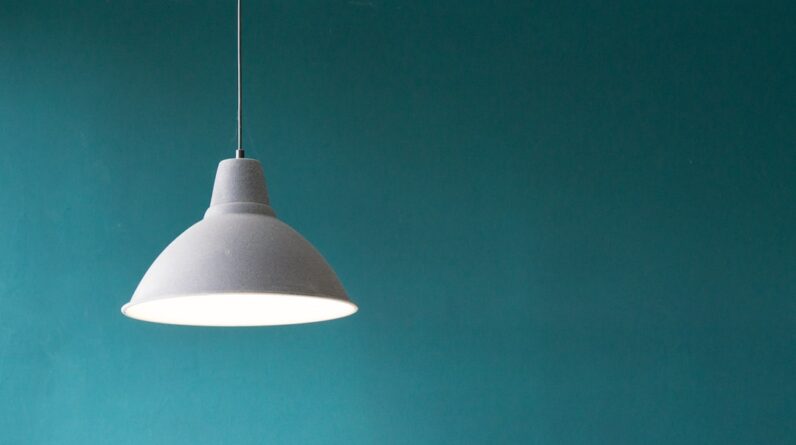
For instance, soft ambient lighting can provide a cozy feel during evenings spent at home, while bright task lighting is essential for cooking or working. Incorporating statement light fixtures can also serve as focal points in your urban interior design. A striking pendant light or an artistic floor lamp can add character and style while enhancing the overall aesthetic of the room.
Additionally, consider using dimmers to adjust the intensity of your lighting based on your needs or mood. By paying attention to lighting design, you can transform your urban dwelling into a warm and inviting sanctuary.
Integrating Art and Color in Urban Interior Design
Art and color are powerful tools in contemporary interior design that allow you to express your personality and create visual interest within your urban space. When selecting artwork for your home, consider pieces that resonate with you personally or evoke specific emotions. Whether it’s a bold abstract painting or a collection of photographs from your travels, art can serve as a conversation starter while adding depth to your decor.
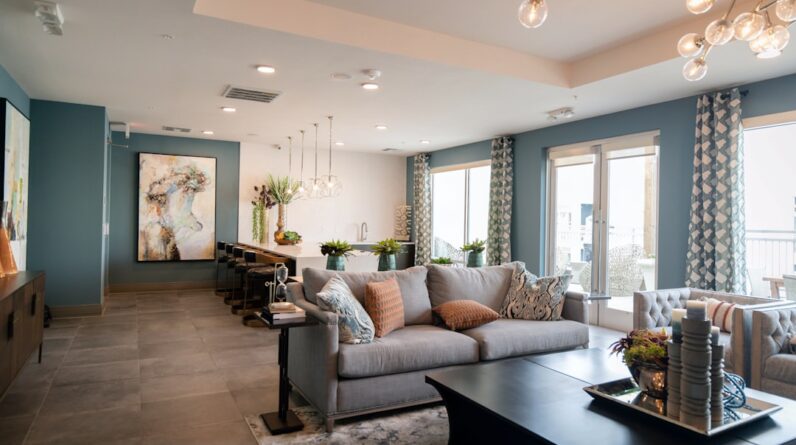
Color also plays a significant role in shaping the atmosphere of your living environment. In urban interiors, you might choose a neutral palette as a base—think whites, grays, or beiges—and then introduce pops of color through accessories like cushions, rugs, or wall art. This approach allows for flexibility; you can easily change out these accents as trends evolve or as your tastes shift over time.
By thoughtfully integrating art and color into your urban interior design, you can create a vibrant and personalized space that reflects who you are.
Creating a Relaxing and Tranquil Urban Retreat
In the midst of city life’s hustle and bustle, creating a relaxing retreat within your home is essential for maintaining balance and well-being. To achieve this tranquil atmosphere, start by decluttering your space; removing unnecessary items will help foster a sense of calm. Consider incorporating soft textures through plush rugs, cozy throws, and comfortable seating options that invite relaxation.
Additionally, sound plays an important role in creating a peaceful environment. You might consider adding elements such as water features or sound machines that produce soothing sounds like rain or ocean waves. Aromatherapy through essential oils or scented candles can further enhance the ambiance by promoting relaxation through scent.
By focusing on these elements, you can transform your urban dwelling into a serene sanctuary where you can unwind after a long day. In conclusion, contemporary interior design offers endless possibilities for creating stylish and functional urban spaces that reflect your personality while meeting modern needs. By embracing space-saving solutions, incorporating natural elements, utilizing technology, selecting minimalist furniture, focusing on lighting, integrating art and color, and crafting tranquil retreats, you can design an environment that enhances both comfort and aesthetic appeal in the heart of the city.
FAQs
What is contemporary interior design?
Contemporary interior design refers to the current trends and styles in interior design. It often features clean lines, minimalism, and a focus on function and practicality.
What are the key elements of contemporary interior design?
Key elements of contemporary interior design include clean lines, open spaces, neutral color palettes, and a focus on natural light. It also often incorporates modern materials such as glass, metal, and concrete.
How does contemporary interior design suit urban living?
Contemporary interior design is well-suited for urban living due to its focus on functionality and practicality. It often maximizes space and natural light, making it ideal for smaller urban dwellings.
What are some popular furniture choices for contemporary interior design in urban living spaces?
Popular furniture choices for contemporary interior design in urban living spaces include sleek and minimalist pieces such as modular sofas, glass coffee tables, and open shelving units. Multi-functional furniture is also commonly used to maximize space.
How can contemporary interior design be incorporated into a small urban apartment?
Contemporary interior design can be incorporated into a small urban apartment by utilizing space-saving furniture, maximizing natural light, and using a neutral color palette to create a sense of openness. Additionally, incorporating modern materials and minimalist decor can help achieve a contemporary look in a small space.