As you step into a contemporary interior space, the first thing that captures your attention is often the lighting. It plays a pivotal role in shaping the atmosphere and functionality of any environment. Lighting design is not merely about illuminating a room; it is an art form that influences how you perceive and interact with your surroundings.
The right lighting can enhance architectural features, highlight artwork, and create a sense of warmth or coolness, depending on the desired effect. In contemporary design, where minimalism often reigns, the strategic use of light can transform a simple space into a captivating experience. Moreover, lighting design is integral to establishing a narrative within a space.
It guides your emotions and actions, subtly influencing your mood and productivity. For instance, bright, cool lighting can invigorate and energize you, making it ideal for workspaces or kitchens. In contrast, softer, warmer lighting can create a cozy atmosphere perfect for relaxation in living rooms or bedrooms.
Understanding the role of lighting design allows you to curate an environment that resonates with your personal style while meeting functional needs.
Key Takeaways
- Lighting design plays a crucial role in enhancing the overall look and feel of contemporary interior spaces.
- Different types of lighting fixtures, such as chandeliers, sconces, and recessed lights, can be used to create various ambiance and moods.
- Balancing natural light with artificial light sources is essential for achieving a harmonious and well-lit environment.
- Layered lighting not only adds functionality but also contributes to the aesthetics of the space by creating depth and dimension.
- Color temperature and intensity of light can be adjusted to set the desired mood and atmosphere in a room.
Utilizing Different Types of Lighting Fixtures to Create Ambiance
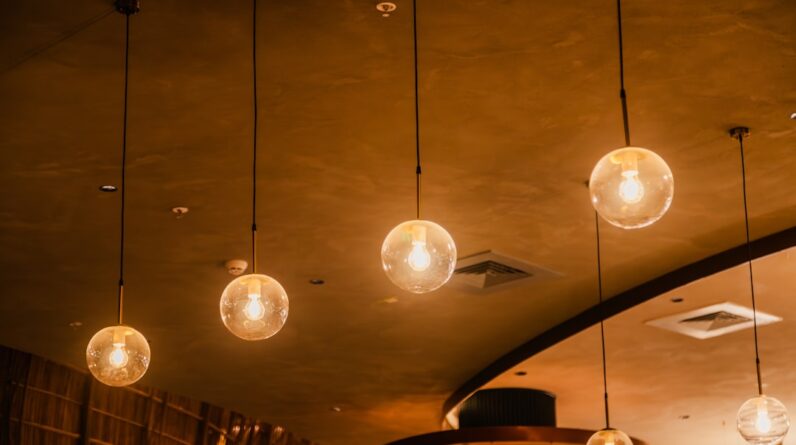
When it comes to creating ambiance, the choice of lighting fixtures is paramount. You have a plethora of options at your disposal, each serving a unique purpose and contributing to the overall aesthetic of your space. From pendant lights that hang gracefully over dining tables to wall sconces that add a touch of elegance to hallways, the right fixtures can elevate your interior design.
You might consider using chandeliers as statement pieces in larger rooms, drawing the eye upward and creating a focal point that sparks conversation. In addition to decorative elements, functional lighting fixtures are essential for practical tasks. Recessed lighting can provide unobtrusive illumination in kitchens or bathrooms, while task lighting—such as desk lamps or under-cabinet lights—ensures you have adequate light for specific activities.
By thoughtfully combining different types of fixtures, you can create layers of light that enhance the ambiance and functionality of your space. This approach allows you to tailor the lighting to suit various occasions, whether you’re hosting a dinner party or enjoying a quiet evening at home.
Incorporating Natural Light and Artificial Light Sources for a Balanced Effect
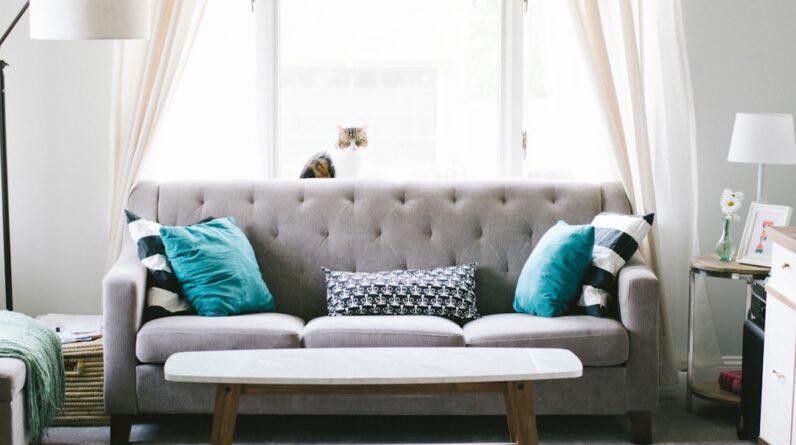
Incorporating both natural and artificial light sources is crucial for achieving a balanced effect in your interior spaces. Natural light has an unparalleled ability to uplift and energize a room, making it feel more expansive and inviting. You may find that strategically placing mirrors can amplify natural light by reflecting it throughout the space, creating an illusion of depth and brightness.
Additionally, using sheer curtains or blinds can allow sunlight to filter in while maintaining privacy, ensuring that you enjoy the benefits of daylight without sacrificing comfort. On the other hand, artificial lighting complements natural light, especially during the evening or on overcast days. By blending these two sources, you can create a dynamic environment that adapts to different times of day and activities.
For instance, during daylight hours, you might rely more on natural light, while in the evening, you can switch to warm artificial lighting to create a cozy atmosphere. This harmonious interplay between natural and artificial light not only enhances the aesthetic appeal of your space but also contributes to your overall well-being.
The Importance of Layered Lighting for Functionality and Aesthetics
Layered lighting is essential for achieving both functionality and aesthetics in your interior design. By combining ambient, task, and accent lighting, you can create a versatile environment that caters to various needs and moods. Ambient lighting serves as the foundation, providing general illumination throughout the space.
You might use ceiling fixtures or wall-mounted lights to achieve this effect, ensuring that every corner is adequately lit. Task lighting is equally important as it focuses on specific areas where activities take place. For example, in a kitchen, under-cabinet lights can illuminate countertops for food preparation, while reading lamps in a living room provide focused light for your favorite book.
Accent lighting adds depth and interest by highlighting architectural features or artwork. By layering these different types of lighting, you can create a visually appealing environment that is both functional and inviting.
Using Color Temperature and Intensity to Set the Mood
The color temperature and intensity of your lighting play a significant role in setting the mood within your space. Color temperature is measured in Kelvin (K) and ranges from warm (around 2700K) to cool (above 5000K). Warm light creates an intimate and cozy atmosphere, making it ideal for bedrooms and living areas where relaxation is key.
On the other hand, cooler light mimics daylight and is perfect for workspaces where focus and productivity are essential. Adjusting the intensity of your lighting can further enhance the mood you wish to create. Dimming capabilities allow you to control how bright or soft the light appears, enabling you to adapt the ambiance based on the time of day or activity.
For instance, you might prefer bright light during daytime hours for clarity and focus but opt for softer lighting in the evening to promote relaxation. By understanding how color temperature and intensity affect your environment, you can curate a space that aligns with your lifestyle and emotional needs.
Incorporating Smart Lighting Technology for Convenience and Flexibility
Convenience at Your Fingertips
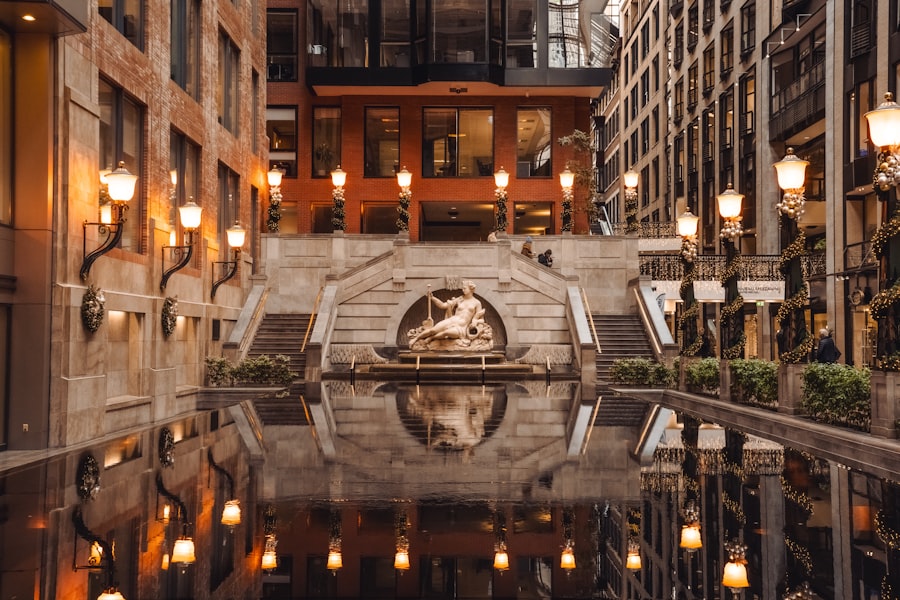
Smart lighting systems allow you to control your lights remotely through smartphones or voice-activated devices, giving you the power to adjust brightness levels or color temperatures with ease. Imagine walking into your home after a long day and having your lights automatically adjust to your preferred settings—this level of convenience enhances your daily routine.
Adapting to Your Lifestyle
Additionally, smart lighting can be programmed to suit various activities or moods throughout the day. You might set up different scenes for entertaining guests, watching movies, or winding down before bed. This adaptability not only enhances your comfort but also contributes to energy efficiency by allowing you to schedule lights to turn off when not in use.
A Modern Touch to Your Interior Spaces
Embracing smart lighting technology empowers you to create an environment that seamlessly aligns with your lifestyle while adding a modern touch to your interior spaces.
Considering the Impact of Lighting Design on Different Areas of the Space
When designing your interior spaces, it’s essential to consider how lighting impacts different areas uniquely. Each room serves distinct purposes and requires tailored lighting solutions to enhance functionality and aesthetics effectively. For instance, in a kitchen, bright task lighting is crucial for food preparation and cooking activities.
You may opt for pendant lights above islands or under-cabinet lights that illuminate countertops. Conversely, in bedrooms or living rooms where relaxation is paramount, softer ambient lighting creates a calming atmosphere conducive to unwinding after a long day. You might choose bedside lamps with warm bulbs or wall sconces that provide gentle illumination without overwhelming brightness.
By recognizing the specific needs of each area within your home, you can implement targeted lighting strategies that enhance both usability and visual appeal.
Experimenting with Lighting Design to Create a Unique and Personalized Ambiance
Finally, don’t hesitate to experiment with lighting design to create a unique and personalized ambiance that reflects your style and personality. The beauty of interior design lies in its ability to evolve with you; therefore, feel free to mix different styles of fixtures or play with unconventional placements. Perhaps you want to create an artistic display by hanging string lights across a wall or using colored bulbs in certain fixtures for a playful touch.
Additionally, consider incorporating dimmers or smart controls that allow you to adjust settings based on mood or occasion easily. This flexibility enables you to transform your space from vibrant and energetic during gatherings to serene and tranquil when it’s time for relaxation. By embracing experimentation in your lighting design journey, you can craft an environment that feels distinctly yours—one that resonates with your lifestyle while continually inspiring creativity and comfort within your home.
FAQs
What is lighting design and why is it important in contemporary interior spaces?
Lighting design is the deliberate use of light to achieve a practical or aesthetic effect. In contemporary interior spaces, lighting design is important as it can enhance the ambiance and mood of the space, as well as highlight architectural features and decor.
What are the key elements of lighting design in contemporary interior spaces?
The key elements of lighting design in contemporary interior spaces include the use of different types of lighting (ambient, task, accent), the placement and arrangement of light fixtures, the use of dimmers and controls, and the consideration of natural light.
How can lighting design enhance the ambiance and mood of a contemporary interior space?
Lighting design can enhance the ambiance and mood of a contemporary interior space by creating different levels of light, using warm or cool color temperatures, highlighting focal points, and creating visual interest through shadows and contrasts.
What are some lighting techniques that can be used to enhance the ambiance and mood of a contemporary interior space?
Some lighting techniques that can be used to enhance the ambiance and mood of a contemporary interior space include layering different types of lighting, using uplighting and downlighting, incorporating decorative fixtures, and creating lighting scenes for different activities or times of day.
How can I use lighting design to highlight architectural features and decor in a contemporary interior space?
Lighting design can be used to highlight architectural features and decor in a contemporary interior space by using accent lighting to draw attention to specific elements, such as artwork, sculptures, or textured walls, and by using directional lighting to emphasize architectural details, such as columns or moldings.