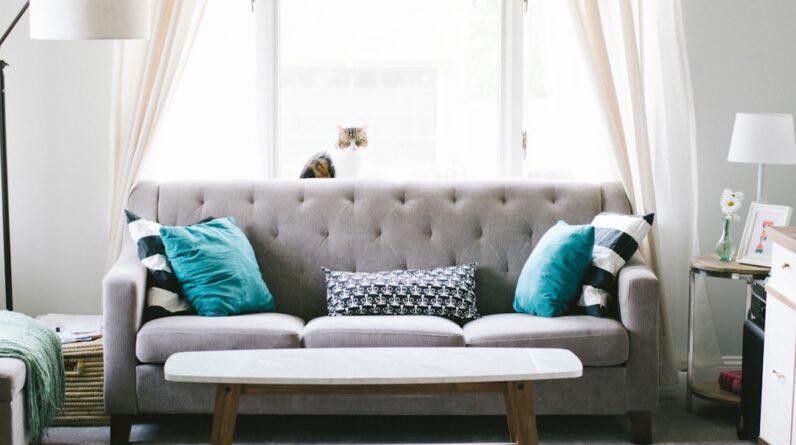
When you embark on the journey of interior design, it’s essential to familiarize yourself with the various styles that have emerged over the years. Each design style tells a story, reflecting the cultural and historical context of its time. From the sleek lines of modernism to the ornate details of baroque, understanding these styles will empower you to make informed choices that resonate with your personal aesthetic.
You might find yourself drawn to the minimalist approach of Scandinavian design, characterized by its functionality and simplicity, or perhaps the warmth and charm of rustic farmhouse decor appeals to your sensibilities. As you explore these styles, consider how they can be blended to create a unique space that feels authentically yours. For instance, you may appreciate the clean lines of contemporary design but want to incorporate the cozy elements of bohemian decor.
By understanding the fundamentals of each style, you can begin to identify which elements resonate with you and how they can coexist harmoniously in your home. This foundational knowledge will serve as a springboard for your creative endeavors, allowing you to curate a space that reflects your personality while paying homage to the rich tapestry of design history.
Key Takeaways
- Understanding the basics of different interior design styles is essential for creating a cohesive and harmonious space.
- Identifying key elements of each design era helps in incorporating specific characteristics into the overall design scheme.
- Creating a cohesive color palette is crucial for tying together different design elements and creating a unified look.
- Incorporating statement pieces from different eras adds visual interest and personality to the space.
- Balancing proportions and scale is important for creating a visually pleasing and well-designed interior.
Identifying Key Elements of Each Design Era
Mid-Century Modern
Mid-century modern design is known for its organic shapes, vibrant colors, and integration with nature. You might find yourself captivated by iconic pieces from this era, such as Eames chairs or teak sideboards, which embody both form and function.
Industrial Design
On the other hand, if you lean towards industrial design, you’ll appreciate the raw materials and exposed structures that characterize this style. Think about how elements like reclaimed wood, metal fixtures, and open spaces can create an urban yet inviting atmosphere in your home.
Curating Your Personal Style
By identifying these key elements, you can begin to curate a collection of pieces that reflect your chosen styles while also allowing for personal expression. This understanding will enable you to mix and match elements from different eras seamlessly, creating a cohesive narrative throughout your space.
Creating a Cohesive Color Palette

Color plays a pivotal role in interior design, influencing mood and setting the tone for your space. As you embark on your design journey, consider how a cohesive color palette can unify different styles and elements within your home. Start by selecting a base color that resonates with you—this could be a calming neutral like soft gray or a bold statement hue like deep navy.
From there, build upon this foundation by incorporating complementary colors that enhance the overall aesthetic. You might find it helpful to create a mood board that showcases your chosen colors alongside images of furniture and decor that inspire you. This visual representation will serve as a guide as you select paint colors, fabrics, and accessories for your space.
Remember that balance is key; too many contrasting colors can create visual chaos, while a well-thought-out palette can evoke harmony and sophistication. By thoughtfully curating your color choices, you’ll establish a cohesive look that ties together various design elements and styles.
Incorporating Statement Pieces from Different Eras
One of the most exciting aspects of mixing interior design styles is the opportunity to incorporate statement pieces from different eras. These standout items can serve as focal points in your space, drawing attention and sparking conversation. As you explore various styles, keep an eye out for unique pieces that resonate with you—whether it’s a vintage chandelier from the art deco period or a contemporary abstract painting.
When selecting statement pieces, consider how they will interact with the other elements in your space. A bold mid-century modern sofa can be beautifully complemented by rustic wooden accents or industrial lighting fixtures. The key is to ensure that these pieces not only stand out but also contribute to the overall narrative of your design.
By thoughtfully integrating statement items from different eras, you’ll create a dynamic environment that reflects your eclectic taste while maintaining a sense of cohesion.
Balancing Proportions and Scale
As you curate your interior space, paying attention to proportions and scale is crucial for achieving visual harmony. Each piece of furniture or decor should relate to one another in size and shape to create a balanced environment. For instance, if you have a large sectional sofa in your living room, consider pairing it with smaller accent chairs or side tables to avoid overwhelming the space.
Conversely, if your room is on the smaller side, opt for furniture that is appropriately scaled down to maintain an open and airy feel. You might also experiment with varying heights in your decor to add interest and dimension to your space. Tall bookshelves can draw the eye upward, while low-profile furniture can create a sense of intimacy.
By balancing proportions and scale thoughtfully, you’ll ensure that each element in your home contributes to an inviting atmosphere rather than competing for attention.
Utilizing Textures and Patterns
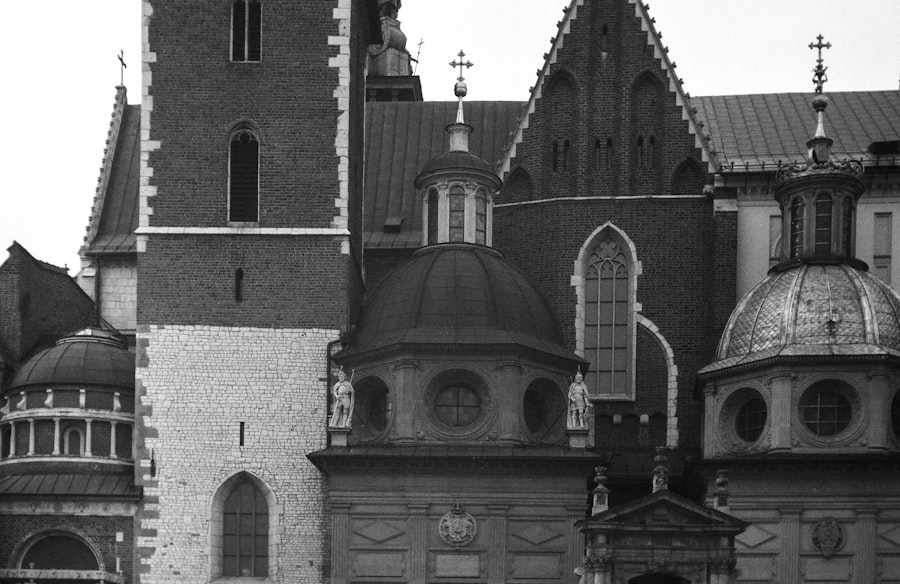
Textures and patterns are powerful tools in interior design that can add depth and character to your space. As you mix different styles, consider how various textures—such as smooth metals, soft fabrics, and rough woods—can enhance the overall aesthetic. Layering textures creates visual interest and invites touch, making your home feel more inviting and dynamic.
Patterns also play a significant role in defining your design narrative. Whether it’s bold geometric prints or delicate florals, incorporating patterns can help tie together disparate elements in your space. You might choose to use patterned throw pillows on a solid-colored sofa or layer patterned rugs for added depth.
The key is to strike a balance; too many competing patterns can create chaos, while thoughtfully chosen designs can elevate your decor and create a cohesive look.
Embracing Eclecticism with Confidence
Embracing eclecticism in your interior design journey allows for boundless creativity and self-expression. It’s about celebrating diversity in style while curating a space that feels uniquely yours. As you mix different elements from various eras and styles, approach this process with confidence—trust your instincts and let your personality shine through.
To cultivate an eclectic vibe, start by selecting a few core styles that resonate with you. From there, allow yourself the freedom to experiment with different pieces and arrangements. You might find joy in juxtaposing vintage finds with contemporary art or blending rustic elements with sleek modern furniture.
The beauty of eclecticism lies in its ability to tell a story through contrasting elements; embrace this opportunity to showcase your individuality and create a space that feels authentic.
Seeking Inspiration from Successful Mix and Match Interiors
As you navigate the world of interior design, seeking inspiration from successful mix-and-match interiors can provide valuable insights into how to blend styles effectively. Explore design blogs, social media platforms like Pinterest or Instagram, and even visit local showrooms or homes that showcase diverse aesthetics. Pay attention to how designers curate their spaces—notice how they balance colors, textures, and proportions while incorporating statement pieces.
You may also find it helpful to study specific examples of eclectic interiors that resonate with you. Take note of what works well together and what doesn’t; this analysis will inform your own design choices as you embark on creating your unique space. Remember that inspiration is everywhere—allow yourself to be influenced by various sources while remaining true to your vision.
By learning from others’ successes, you’ll gain confidence in your ability to mix and match styles seamlessly. In conclusion, embarking on an interior design journey filled with diverse styles can be both exciting and rewarding. By understanding the basics of different design styles, identifying key elements from each era, creating cohesive color palettes, incorporating statement pieces, balancing proportions and scale, utilizing textures and patterns, embracing eclecticism with confidence, and seeking inspiration from successful interiors, you’ll be well-equipped to curate a space that reflects your unique personality and taste.
Your home should be a canvas for self-expression—a place where every element tells a story and every corner invites exploration.
FAQs
What are some tips for effectively mixing and matching different styles and eras within a contemporary interior?
Some tips for effectively mixing and matching different styles and eras within a contemporary interior include: finding a common element to tie the different pieces together, balancing the proportions of the different styles, and using a cohesive color palette.
How can I create a cohesive look when mixing and matching different styles and eras within a contemporary interior?
To create a cohesive look when mixing and matching different styles and eras within a contemporary interior, consider using a consistent color palette, incorporating a unifying element such as a specific material or texture, and maintaining a sense of balance and harmony throughout the space.
What are some common mistakes to avoid when mixing and matching different styles and eras within a contemporary interior?
Some common mistakes to avoid when mixing and matching different styles and eras within a contemporary interior include: over-cluttering the space with too many different pieces, neglecting the importance of scale and proportion, and failing to create a sense of cohesion and harmony among the various elements.
How can I incorporate vintage or antique pieces into a contemporary interior design?
To incorporate vintage or antique pieces into a contemporary interior design, consider using them as statement pieces, mixing them with modern furniture and decor, and ensuring that they complement the overall aesthetic of the space.
What are some popular design styles and eras that can be effectively mixed within a contemporary interior?
Some popular design styles and eras that can be effectively mixed within a contemporary interior include: mid-century modern, industrial, Scandinavian, art deco, and bohemian. Each of these styles offers unique elements that can be combined to create a cohesive and visually interesting space.