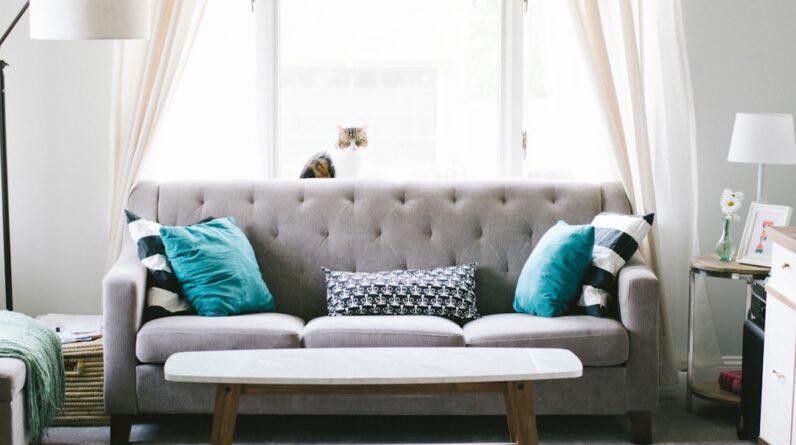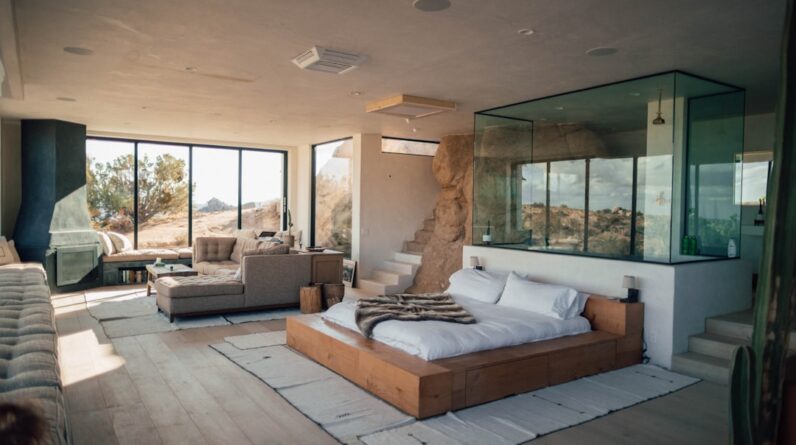
In the realm of interior design, contemporary principles serve as a guiding light, helping you create spaces that are not only aesthetically pleasing but also functional and reflective of modern living. At its core, contemporary design emphasizes simplicity, clean lines, and a sense of openness. As you embark on your design journey, it’s essential to grasp these principles to ensure that your space resonates with the essence of today’s lifestyle.
This understanding will empower you to make informed choices that align with your vision while also catering to the practical needs of your home. Contemporary design is often characterized by a blend of various styles, allowing for a unique expression that can be tailored to your personal taste. You might find inspiration in mid-century modern elements, industrial touches, or even a hint of Scandinavian minimalism.
The beauty of contemporary design lies in its adaptability; it encourages you to experiment with different textures, colors, and forms while maintaining a cohesive look. By embracing these principles, you can create an environment that feels both fresh and timeless, inviting you to enjoy the space you inhabit.
Key Takeaways
- Contemporary design principles focus on clean lines, simplicity, and functionality
- A calming color palette includes soft, neutral tones and pastel shades
- Minimalist furniture and decor emphasize simplicity and functionality
- Natural materials and textures add warmth and depth to a space
- Creating a sense of balance and harmony involves careful placement of furniture and decor
Selecting a Calming Color Palette
Choosing the right color palette is crucial in establishing the mood of your space. A calming color palette can transform your home into a sanctuary, promoting relaxation and tranquility. When selecting colors, consider soft hues such as muted blues, gentle greens, and warm neutrals.
These shades evoke a sense of peace and serenity, making them ideal for spaces where you seek comfort and respite from the chaos of daily life. As you explore your options, think about how different colors make you feel and how they can influence the atmosphere of your home. In addition to the primary colors you choose, consider incorporating varying shades and tones to add depth and interest to your design.
Layering colors can create a harmonious flow throughout your space, allowing for subtle transitions between rooms. You might opt for an accent wall in a deeper shade or introduce colorful accessories that complement your overall palette. By thoughtfully selecting and combining colors, you can craft an environment that not only looks beautiful but also nurtures your well-being.
Incorporating Minimalist Furniture and Decor
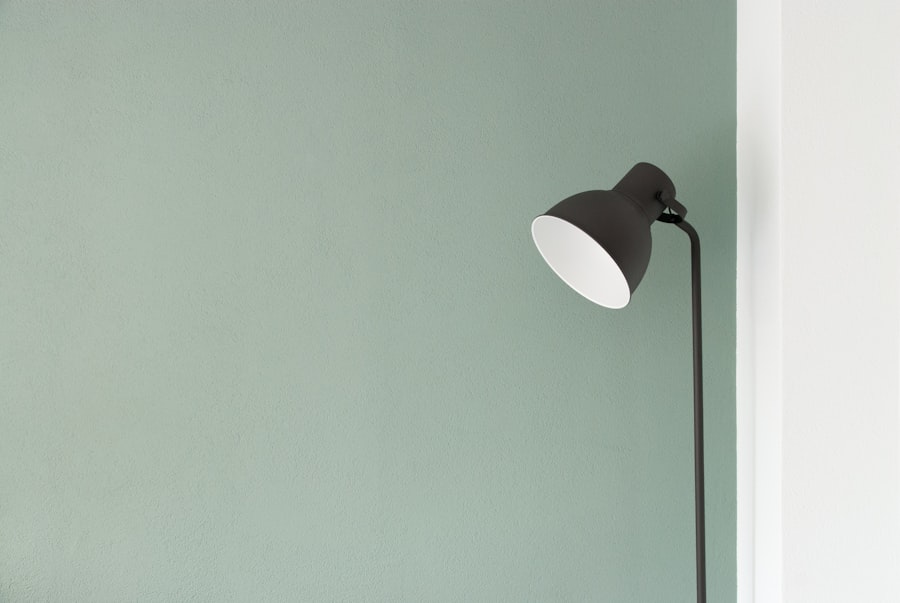
Minimalism is a cornerstone of contemporary design, emphasizing the idea that less is more. When it comes to furniture and decor, opting for minimalist pieces can help you create an uncluttered and serene environment. Look for furniture with clean lines and simple forms that serve a purpose without overwhelming the space.
This approach allows you to focus on quality over quantity, ensuring that each piece you choose contributes meaningfully to your home. As you curate your furniture selection, consider multifunctional items that maximize utility while minimizing visual clutter. For instance, a sleek coffee table with hidden storage can keep your living area tidy while providing a stylish focal point.
Additionally, choose decor items that resonate with your personal style but remain understated. A few carefully selected art pieces or decorative objects can enhance the overall aesthetic without detracting from the minimalist ethos. By embracing this approach, you’ll create a space that feels open and inviting, allowing for both relaxation and social interaction.
Utilizing Natural Materials and Textures
Incorporating natural materials into your design not only enhances the aesthetic appeal of your space but also fosters a connection to the environment. Wood, stone, and organic textiles bring warmth and texture to your home, creating an inviting atmosphere that feels grounded and authentic. As you select materials, consider their tactile qualities and how they can contribute to the overall sensory experience of your space.
For instance, reclaimed wood furniture adds character and history while promoting sustainability. Similarly, stone accents in countertops or flooring can introduce an earthy element that complements other natural features in your home. Textiles such as linen or cotton can soften the look of a room while providing comfort and warmth.
By thoughtfully integrating these materials into your design, you’ll cultivate an environment that feels harmonious with nature, enhancing your overall sense of well-being.
Creating a Sense of Balance and Harmony
Achieving balance and harmony in your space is essential for creating an inviting atmosphere. This involves considering proportions, scale, and symmetry in your design choices. As you arrange furniture and decor, think about how each element interacts with others in the room.
Strive for a sense of equilibrium by distributing visual weight evenly throughout the space; this can be achieved through careful placement of larger items alongside smaller ones or by using color and texture to create contrast. In addition to physical balance, emotional harmony is equally important. Consider how different areas of your home serve various purposes—some may be designed for relaxation while others are meant for socializing or work.
By creating distinct zones within your space that cater to these functions, you’ll foster a sense of flow and cohesion throughout your home. This thoughtful approach will not only enhance the visual appeal of your space but also contribute to a more fulfilling living experience.
Maximizing Natural Light and Airflow
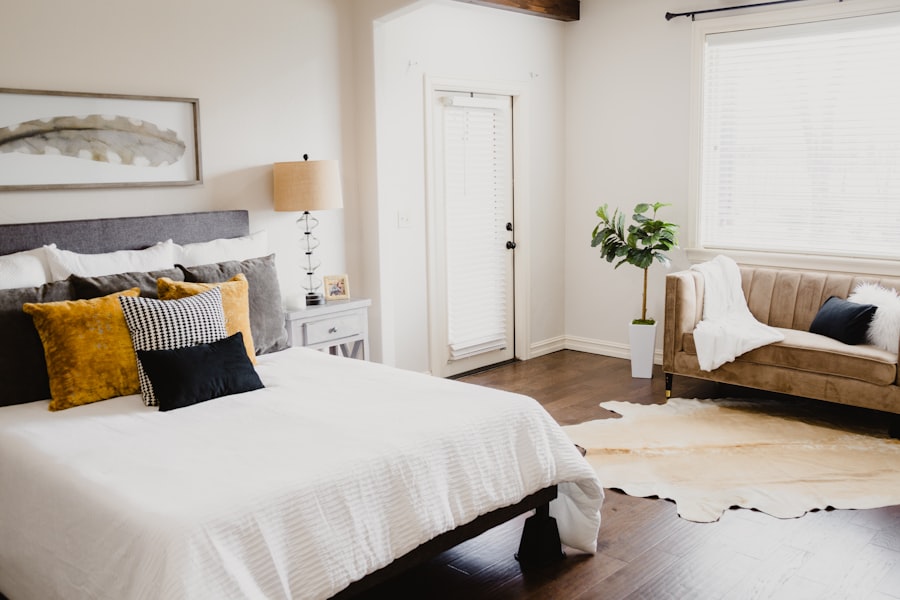
Maximizing Natural Light
Consider window treatments that allow sunlight to filter in while providing privacy when needed. Sheer curtains or blinds can soften harsh sunlight while still illuminating your space. Additionally, strategically placing mirrors can reflect light around the room, making it feel more spacious.
Airflow for a Comfortable Environment
Ensure that your space is well-ventilated by opening windows whenever possible or incorporating ceiling fans to promote circulation. This not only helps maintain a pleasant temperature but also contributes to better indoor air quality.
A Fresh and Invigorating Environment
By prioritizing natural light and airflow in your design, you’ll cultivate an environment that feels fresh and invigorating, enhancing your overall well-being.
Adding Personal Touches and Comfortable Elements
While contemporary design emphasizes simplicity and minimalism, it’s essential to infuse your personality into the space to make it feel like home. Personal touches can come in many forms—family photos displayed in elegant frames, travel souvenirs that spark joy, or artwork that resonates with your experiences. These elements tell your story and create a sense of belonging within your home.
Comfort is equally important in creating an inviting atmosphere. Consider incorporating plush textiles such as soft throws or cushions that invite relaxation. A cozy reading nook with a comfortable chair and good lighting can become your favorite retreat within the home.
By blending personal touches with comfortable elements, you’ll create a space that reflects who you are while providing a warm embrace at the end of each day.
Maintaining a Clutter-Free and Organized Space
A clutter-free environment is essential for promoting mental clarity and relaxation within your home. To achieve this, develop organizational systems that work for you—whether it’s utilizing storage solutions like baskets or bins or implementing a regular decluttering routine. As you go through your belongings, be mindful of what truly adds value to your life; this will help you make informed decisions about what to keep or let go.
In addition to physical organization, consider digital decluttering as well. Organizing digital files and minimizing screen time can contribute to a more peaceful living environment. By maintaining both physical and digital orderliness, you’ll create a serene backdrop that allows you to focus on what truly matters—enjoying life in your beautifully designed space.
In conclusion, embracing contemporary design principles allows you to create a home that is not only visually appealing but also nurturing for the soul. By selecting calming color palettes, incorporating minimalist furniture, utilizing natural materials, creating balance, maximizing light and airflow, adding personal touches, and maintaining organization, you can craft an environment that reflects who you are while promoting comfort and tranquility in everyday life. Your home should be a sanctuary—a place where you feel at ease and inspired every day.
FAQs
What are contemporary design principles?
Contemporary design principles refer to the use of clean lines, minimalism, and a focus on function and simplicity. It often incorporates modern materials and technologies to create a sleek and uncluttered look.
How can I use contemporary design principles in my bedroom?
To create a calming and serene bedroom retreat using contemporary design principles, you can focus on using neutral colors, incorporating natural materials, and minimizing clutter. Choose furniture with clean lines and simple, unadorned surfaces to create a sense of tranquility.
What are some key elements of a calming and serene bedroom retreat?
Key elements of a calming and serene bedroom retreat include soft, soothing colors, comfortable bedding, adequate lighting, and a clutter-free environment. Incorporating natural elements such as wood or plants can also contribute to a sense of tranquility.
How can I incorporate natural elements into my contemporary bedroom design?
You can incorporate natural elements into your contemporary bedroom design by using materials such as wood, stone, or bamboo for furniture and decor. Adding indoor plants or incorporating natural textures like linen or cotton can also bring a sense of nature into the space.
What are some tips for creating a clutter-free bedroom using contemporary design principles?
To create a clutter-free bedroom using contemporary design principles, consider using storage solutions such as built-in closets, under-bed storage, and wall-mounted shelves. Choose furniture with hidden storage options and minimize decorative items to maintain a clean and uncluttered look.