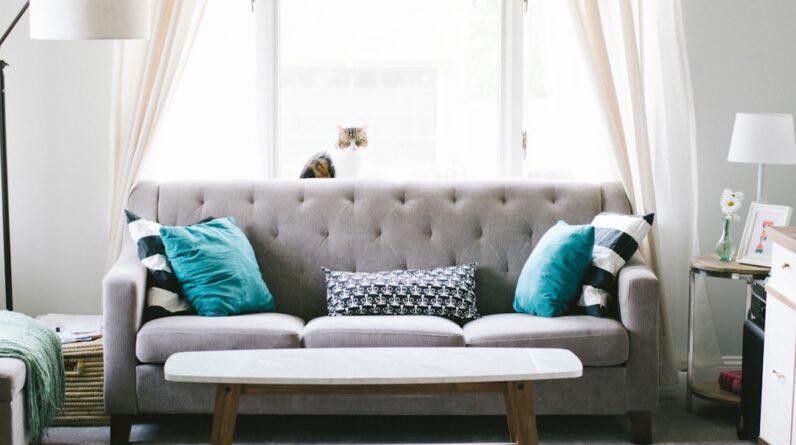
When embarking on a design project, the first step is to truly understand your client’s needs and lifestyle. This process goes beyond simply asking about their preferences; it involves delving into their daily routines, family dynamics, and personal tastes. You should engage in meaningful conversations that reveal how they live, work, and play within their space.
Are they a busy family with children who need a functional yet stylish environment? Or perhaps they are a couple who enjoys entertaining guests and requires an open layout that fosters social interaction? By gathering this information, you can tailor your design approach to create a space that resonates with their unique lifestyle.
Additionally, consider the emotional aspects of their living environment. What feelings do they want to evoke when they walk through the door? Is it tranquility, energy, or perhaps a sense of nostalgia?
Understanding these emotional triggers will help you create a design that not only meets their practical needs but also nurtures their well-being. You might find it helpful to create mood boards or visual aids that reflect their preferences, allowing them to see how their ideas can come to life. This collaborative approach ensures that you are aligned with their vision from the very beginning.
Key Takeaways
- Understanding the client’s needs and lifestyle is crucial for creating a personalized design plan.
- Assessing the current space and potential renovations helps in identifying the scope of the project and necessary changes.
- Creating a cohesive design concept ensures that all elements of the design work together harmoniously.
- Selecting furniture, fabrics, and finishes that align with the design concept is essential for achieving the desired look and feel.
- Incorporating functional and stylish storage solutions maximizes space and enhances the overall design.
Assessing the Current Space and Potential Renovations
Once you have a clear understanding of your client’s needs, the next step is to assess the current space and identify potential renovations. This involves a thorough evaluation of the existing layout, structural elements, and overall functionality of the home. You should take note of any architectural features that could be enhanced or preserved, as well as areas that may require significant changes to better serve your client’s lifestyle.
For instance, if the kitchen is cramped and lacks storage, you might consider an open-concept design that integrates it with the living area, creating a more inviting atmosphere. During this assessment phase, it’s also essential to consider the flow of the space. How do different areas connect?
Are there any bottlenecks that hinder movement? By analyzing these aspects, you can propose renovations that not only improve aesthetics but also enhance usability. You might suggest removing walls to create an open floor plan or adding windows to increase natural light.
Each recommendation should be grounded in your client’s needs and preferences, ensuring that any changes made will contribute positively to their overall experience in the home.
Creating a Cohesive Design Concept
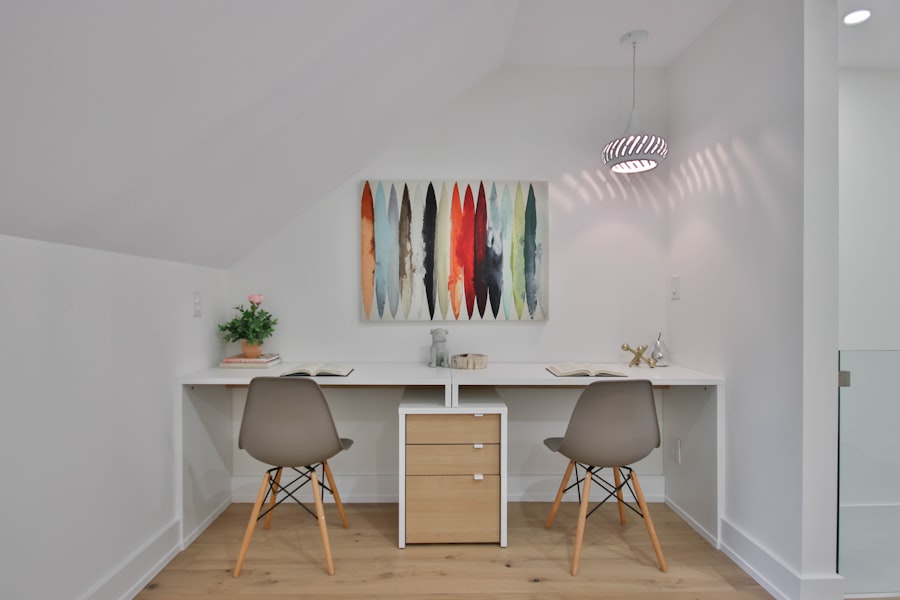
With a solid understanding of your client’s needs and a clear assessment of the current space, you can now focus on creating a cohesive design concept. This involves synthesizing all the information you’ve gathered into a unified vision that reflects your client’s style while addressing functional requirements. Start by selecting a color palette that resonates with their preferences and complements the existing architecture.
Consider how different hues can evoke specific emotions and set the tone for each room. In addition to color, think about the overall theme or style of the design. Whether your client leans towards modern minimalism, rustic charm, or eclectic bohemian vibes, it’s crucial to maintain consistency throughout the space.
This can be achieved by selecting complementary materials, textures, and patterns that harmonize with one another. For example, if your client prefers a coastal aesthetic, you might incorporate natural wood finishes, soft blues, and airy fabrics to create a serene atmosphere. By establishing a cohesive design concept, you ensure that every element works together seamlessly, resulting in a visually appealing and functional home.
Selecting Furniture, Fabrics, and Finishes
The selection of furniture, fabrics, and finishes is where your design concept truly comes to life. This stage requires careful consideration of both aesthetics and functionality. When choosing furniture pieces, think about how they will fit into the overall design while also serving your client’s practical needs.
For instance, if your client has young children or pets, you may want to prioritize durable materials that can withstand wear and tear without sacrificing style. Fabrics play a significant role in defining the ambiance of a space. Consider textures that invite touch and create warmth—think soft linens for drapes or plush upholstery for sofas.
Additionally, don’t overlook the importance of finishes; they can dramatically alter the perception of a room. A sleek matte finish may lend a modern touch, while distressed wood can evoke a sense of rustic charm. As you curate these elements, keep your client’s preferences at the forefront, ensuring that each choice aligns with their vision for their home.
Incorporating Functional and Stylish Storage Solutions
In any design project, incorporating functional and stylish storage solutions is paramount. As you work with your client’s space, consider how to maximize storage without compromising on aesthetics. Built-in shelving units can provide ample storage while serving as decorative elements in the room.
You might also explore multi-functional furniture options—such as ottomans with hidden compartments or coffee tables with drawers—that offer practical solutions for keeping clutter at bay. Additionally, think about how storage can be integrated into various areas of the home. For example, entryways can benefit from stylish coat racks or benches with storage underneath for shoes and bags.
In kitchens, consider pull-out cabinets or pantry solutions that make it easy to access items while maintaining an organized appearance. By thoughtfully incorporating these storage solutions into your design plan, you create spaces that are not only visually appealing but also highly functional for your client’s everyday life.
Incorporating Sustainable and Eco-Friendly Design Elements
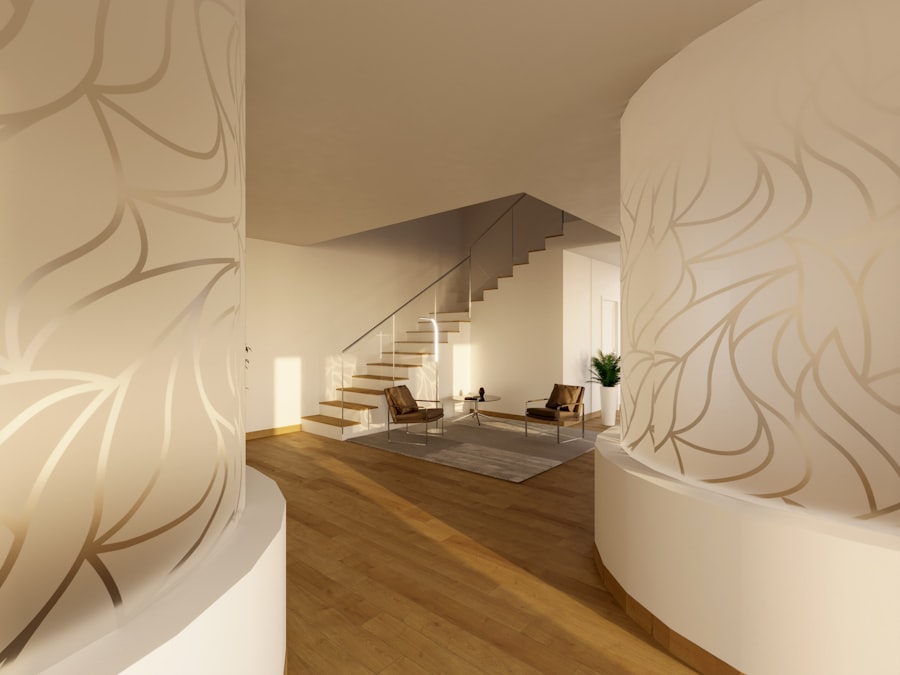
As awareness of environmental issues continues to grow, incorporating sustainable and eco-friendly design elements into your projects has become increasingly important. Start by discussing with your client their values regarding sustainability and how they would like to see these principles reflected in their home. This could involve using materials sourced from renewable resources or opting for energy-efficient appliances that reduce energy consumption.
Consider integrating natural elements into your design as well—such as reclaimed wood or bamboo flooring—which not only add character but also minimize environmental impact. Additionally, explore options for low-VOC paints and finishes that improve indoor air quality while still providing beautiful aesthetics. By prioritizing sustainability in your design choices, you not only create a healthier living environment for your clients but also contribute positively to the planet.
Collaborating with Architects and Contractors
Collaboration is key when it comes to executing a successful design project. Working closely with architects and contractors ensures that your vision is translated accurately into reality. Establishing open lines of communication from the outset will help streamline the process and address any potential challenges before they arise.
You should share your design concepts with them early on so they can provide valuable input regarding feasibility and structural considerations. As construction progresses, regular check-ins with both architects and contractors are essential to ensure that everything aligns with your original vision. Be prepared to adapt as needed; sometimes unexpected issues may arise during renovations that require creative problem-solving.
By fostering a collaborative environment where everyone feels valued and heard, you can navigate these challenges effectively while keeping your client’s best interests at heart.
Managing the Budget and Timeline
Managing the budget and timeline is one of the most critical aspects of any design project. From the beginning, it’s essential to establish clear financial parameters with your client so that expectations are aligned throughout the process. Create a detailed budget breakdown that includes all aspects of the project—from materials and labor costs to furnishings and decor—allowing for some flexibility in case unexpected expenses arise.
In addition to budget management, keeping track of timelines is equally important. Develop a realistic schedule that outlines key milestones throughout the project—from initial design concepts to final installations—while allowing for potential delays due to unforeseen circumstances. Regularly updating your client on progress will help maintain transparency and build trust throughout the process.
Implementing the Design Plan
With all preparations in place, it’s time to implement the design plan you’ve meticulously crafted alongside your client. This phase involves coordinating various tradespeople—such as painters, electricians, and carpenters—to ensure that each aspect of the project is executed according to plan. Clear communication is vital during this stage; make sure everyone involved understands their roles and responsibilities to avoid confusion.
As work progresses, remain actively engaged in overseeing the implementation process. Regular site visits will allow you to monitor quality control and address any issues promptly before they escalate into larger problems. Your presence on-site not only reassures your client but also fosters collaboration among all parties involved in bringing their vision to life.
Evaluating and Adjusting the Design as Needed
Once implementation is underway, it’s crucial to evaluate the design continuously and make adjustments as needed. This may involve assessing how well each element aligns with your client’s expectations or identifying areas where improvements can be made based on real-time feedback from both clients and contractors alike. Encourage open dialogue with your client throughout this phase; their insights will be invaluable in fine-tuning details that enhance functionality or aesthetics.
Flexibility is key during this stage; sometimes adjustments may require rethinking certain aspects of the design altogether based on practical considerations or unforeseen challenges encountered during implementation. By remaining adaptable while keeping your client’s vision at heart, you can ensure that the final outcome meets their needs while exceeding expectations.
Providing Ongoing Support and Maintenance for the Home
The relationship between designer and client doesn’t end once the project is complete; providing ongoing support and maintenance for their home is equally important in ensuring long-term satisfaction with the design choices made together. Offer guidance on how best to care for materials used throughout their space—such as cleaning tips for specific fabrics or recommendations for maintaining finishes—to help preserve its beauty over time. Additionally, consider establishing a follow-up schedule where you check in periodically after project completion to address any concerns or questions they may have as they settle into their newly designed environment.
This continued support not only reinforces trust but also demonstrates your commitment to their satisfaction long after implementation has concluded. In conclusion, navigating through each stage of a design project requires careful consideration of various factors—from understanding client needs to collaborating effectively with contractors—all while maintaining an eye toward sustainability and functionality throughout every decision made along the way!
FAQs
What is a long-term home design plan?
A long-term home design plan is a comprehensive strategy for designing and decorating a home with the intention of creating a cohesive and functional living space that will stand the test of time.
Why is a long-term home design plan important?
A long-term home design plan is important because it allows homeowners to create a vision for their living space that will evolve with their needs and preferences over time, saving them from the hassle and expense of frequent redesigns.
What are the benefits of working with an interior designer for a long-term home design plan?
Working with an interior designer for a long-term home design plan can provide homeowners with professional expertise, access to resources and products, and a cohesive vision for their living space that reflects their personal style and functional needs.
How can an interior designer in Chandler, AZ help with a long-term home design plan?
An interior designer in Chandler, AZ can help homeowners create a long-term home design plan by providing personalized design services, access to local resources and vendors, and expertise in creating functional and stylish living spaces that suit the unique needs of the Arizona climate and lifestyle.
What are some key elements to consider in a long-term home design plan?
Key elements to consider in a long-term home design plan include durable and timeless materials, flexible and adaptable furniture and layout choices, and a cohesive color palette and design aesthetic that can evolve with changing trends and personal preferences.