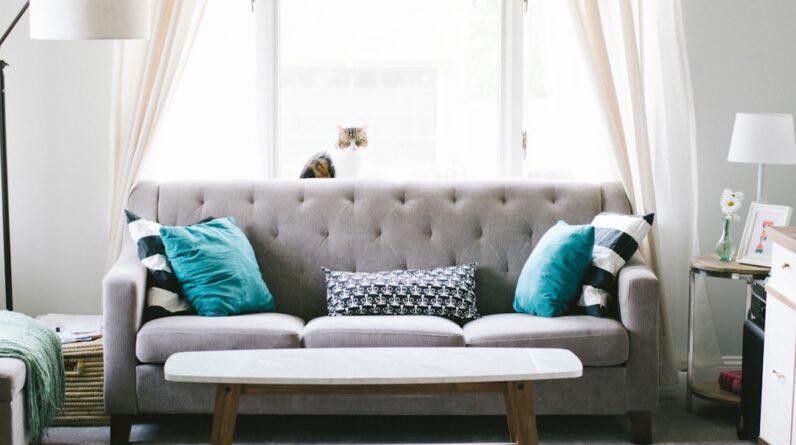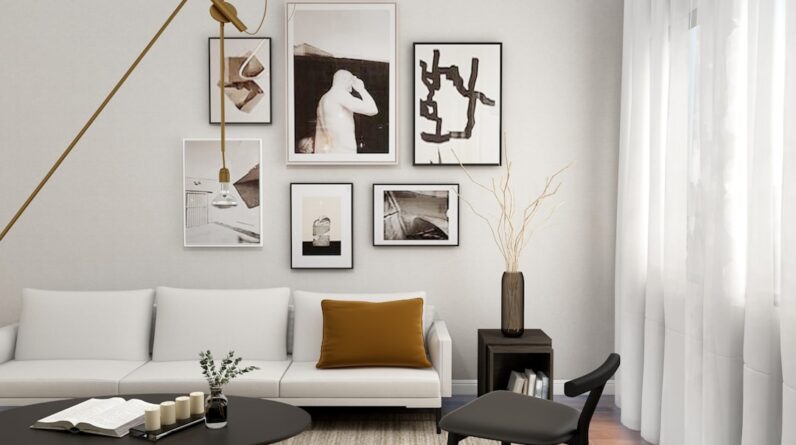
When you think about the workplace, the first things that come to mind might be the tasks at hand or the deadlines looming over your head. However, the environment in which you work plays a crucial role in your overall productivity and well-being. Office interior design is not merely about aesthetics; it is about creating a space that fosters creativity, collaboration, and comfort.
A well-designed office can significantly influence employee morale and performance, making it essential for businesses to invest time and resources into thoughtful design. Moreover, the layout and decor of your office can reflect your company’s values and mission. When clients or visitors enter your space, they form an impression based on what they see.
A well-organized and visually appealing office can convey professionalism and innovation, while a cluttered or outdated space may suggest disorganization or a lack of attention to detail. Therefore, understanding the importance of office interior design is vital for anyone looking to create a productive and inviting work environment.
Key Takeaways
- A well-designed office interior can significantly impact employee productivity and satisfaction.
- Factors to consider when designing an office space include layout, furniture, lighting, and branding.
- Benefits of a well-designed office interior include improved employee morale, increased productivity, and a positive impression on clients.
- Creating a productive work environment through interior design involves maximizing space, incorporating company culture, and choosing the right furniture and lighting.
- Lighting plays a crucial role in office interior design, affecting mood, productivity, and overall atmosphere.
Factors to Consider When Designing an Office Space
As you embark on the journey of designing your office space, several factors should guide your decisions. First and foremost, consider the nature of your business and the specific needs of your employees. Different industries have varying requirements; for instance, a tech startup may benefit from open spaces that encourage collaboration, while a law firm might require more private offices for confidentiality.
Understanding these nuances will help you create a space that caters to your team’s unique workflow. Another critical factor is the size and layout of your office. You need to assess how much space you have available and how it can be utilized effectively.
Open floor plans can promote teamwork but may also lead to distractions if not managed properly. Conversely, traditional cubicles can provide privacy but may hinder communication. Striking the right balance between openness and privacy is essential for fostering a productive atmosphere.
Additionally, consider the flow of movement within the office; ensuring that pathways are clear and intuitive can enhance efficiency.
The Benefits of a Well-Designed Office Interior
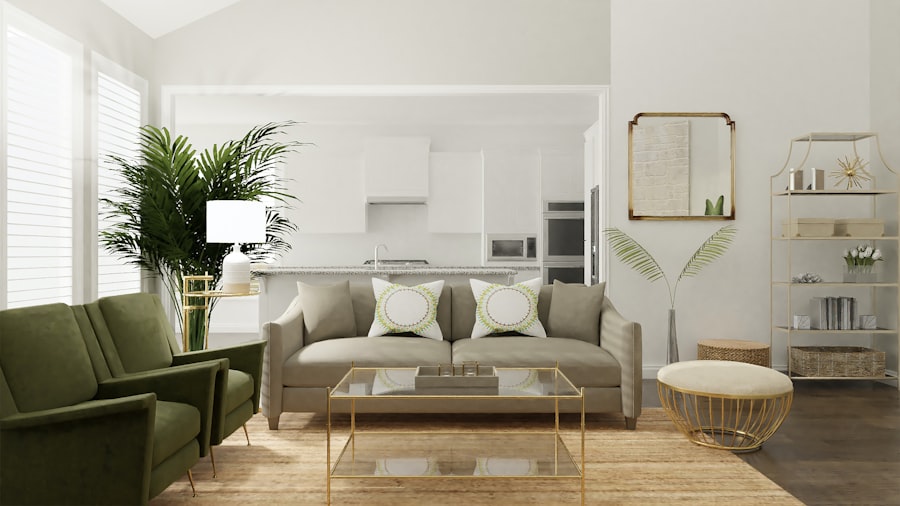
Investing in a well-designed office interior comes with numerous benefits that extend beyond mere aesthetics. One of the most significant advantages is increased employee productivity. When you create an environment that is comfortable and conducive to work, employees are more likely to stay focused and engaged in their tasks.
Ergonomic furniture, adequate lighting, and thoughtful layouts can all contribute to a workspace that enhances concentration and minimizes distractions. Furthermore, a thoughtfully designed office can improve employee retention rates. When employees feel comfortable and valued in their work environment, they are more likely to stay with the company long-term.
A positive office atmosphere fosters a sense of belonging and loyalty among staff members. Additionally, a well-designed space can attract top talent during recruitment efforts, as prospective employees often consider the work environment when evaluating job offers.
How to Create a Productive Work Environment through Interior Design
Creating a productive work environment requires a strategic approach to interior design. Start by assessing the specific needs of your team and identifying areas where improvements can be made. For instance, consider incorporating collaborative spaces where employees can brainstorm and share ideas freely.
These areas can be equipped with whiteboards, comfortable seating, and technology that facilitates group work. In addition to collaborative spaces, it’s essential to provide quiet zones where employees can retreat for focused work. These areas should be designed with soundproofing materials and comfortable furnishings to promote concentration.
By offering a variety of workspaces that cater to different tasks—whether it’s collaborative brainstorming or individual focus—you can create an environment that supports diverse working styles and enhances overall productivity.
The Role of Lighting in Office Interior Design
Lighting is one of the most critical elements in office interior design, as it directly impacts mood, productivity, and overall well-being. Natural light is particularly beneficial; studies have shown that exposure to daylight can boost energy levels and improve focus. If possible, design your office layout to maximize natural light by placing workstations near windows or using glass partitions to allow light to flow throughout the space.
However, artificial lighting also plays a significant role in creating an inviting atmosphere. Consider using adjustable lighting options that allow employees to customize their workspace according to their preferences. Soft, warm lighting can create a cozy ambiance, while brighter lights may be necessary for tasks requiring high concentration.
By thoughtfully integrating both natural and artificial lighting into your office design, you can create an environment that promotes productivity and enhances employee satisfaction.
Choosing the Right Furniture for Your Office Space
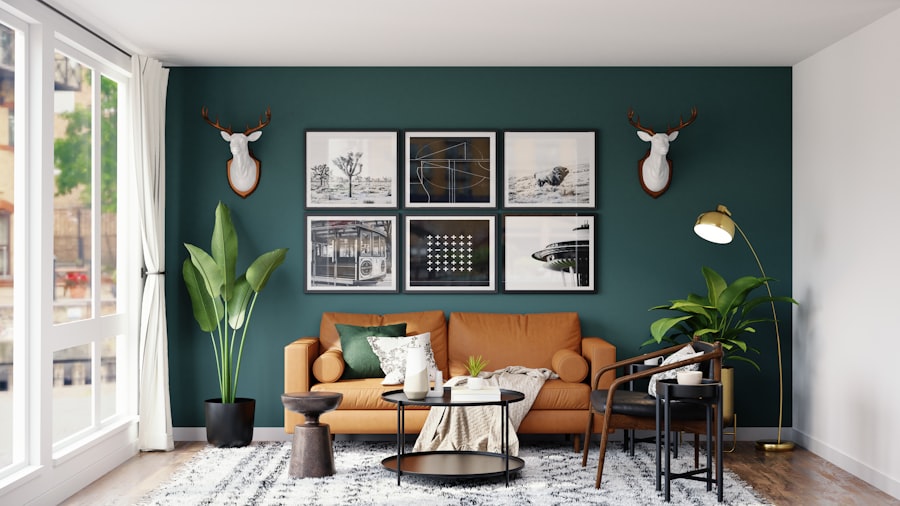
Selecting the right furniture is crucial for creating an effective office interior. Comfort should be your top priority; after all, employees spend a significant portion of their day seated at their desks. Ergonomic chairs and adjustable desks can help reduce discomfort and prevent health issues related to prolonged sitting.
Investing in quality furniture not only enhances employee well-being but also reflects positively on your company’s image. In addition to comfort, consider the style and functionality of the furniture you choose. The pieces should align with your brand identity while also serving practical purposes.
For example, modular furniture allows for flexibility in reconfiguring spaces as needed, making it easier to adapt to changing team dynamics or project requirements. By carefully selecting furniture that balances comfort, style, and functionality, you can create an office environment that supports both employee satisfaction and operational efficiency.
Incorporating Branding and Company Culture into Office Design
Your office interior should serve as a reflection of your brand identity and company culture. Incorporating elements that showcase your values can create a sense of pride among employees and foster a strong connection to the organization. Consider using colors, logos, and artwork that represent your brand throughout the office space.
This not only reinforces your identity but also creates an engaging atmosphere for both employees and visitors. Additionally, think about how your office design can promote your company culture. If collaboration is a core value, create open spaces that encourage teamwork and communication.
If innovation is at the heart of your business, consider incorporating creative design elements that inspire out-of-the-box thinking. By aligning your office design with your branding and culture, you can cultivate an environment that resonates with employees and enhances their connection to the organization.
The Impact of Color and Texture in Office Interior Design
Color and texture play significant roles in shaping the overall atmosphere of your office space. Different colors evoke various emotions; for instance, blue is often associated with calmness and focus, while yellow can inspire creativity and energy. When selecting colors for your office interior, consider how they align with your brand identity and the desired mood you want to create.
Texture also adds depth and interest to an office environment. Incorporating various materials—such as wood, metal, fabric, or glass—can create a dynamic space that feels inviting and engaging. Textured elements like rugs or wall panels can help absorb sound, contributing to a quieter atmosphere conducive to concentration.
By thoughtfully combining color and texture in your office design, you can create an environment that not only looks appealing but also supports employee well-being.
Maximizing Space and Functionality in Office Design
In today’s fast-paced business world, maximizing space and functionality is essential for creating an efficient office environment. Start by evaluating how each area of your office is utilized; identify any underused spaces that could be repurposed for greater efficiency. For example, if you have a conference room that is rarely used, consider transforming it into a collaborative workspace or lounge area where employees can gather informally.
Additionally, think about incorporating multi-functional furniture that serves more than one purpose. Desks with built-in storage or meeting tables that can be easily reconfigured for different group sizes can help optimize space without sacrificing functionality. By being strategic about how you use your office layout and furniture, you can create an environment that maximizes productivity while accommodating the diverse needs of your team.
Trends in Office Interior Design
As workplace dynamics continue to evolve, so do trends in office interior design. One notable trend is the rise of biophilic design—an approach that incorporates natural elements into the workspace to enhance well-being and productivity. This could include features like indoor plants, natural materials, or even water features that create a calming atmosphere.
Another trend gaining traction is flexible workspaces that accommodate remote or hybrid work models. Companies are increasingly designing offices with adaptable spaces that allow employees to choose where they work best—whether it’s at a desk, in a lounge area, or even outdoors when weather permits. By staying attuned to these trends, you can ensure that your office design remains relevant and appealing to both current employees and potential hires.
Finding the Right Office Interior Design Firm in Chandler, AZ
When it comes time to bring your vision for an ideal office space to life, partnering with the right interior design firm is crucial. In Chandler, AZ, there are numerous firms specializing in office interior design that can help you navigate this process effectively. Start by researching local firms with experience in creating functional workspaces tailored to specific industries.
Look for firms that prioritize collaboration throughout the design process; they should take the time to understand your company’s culture, goals, and unique needs before proposing solutions. Additionally, consider reviewing their portfolio to gauge their style and expertise in creating spaces similar to what you envision for your own office. By choosing a reputable design firm in Chandler, AZ, you can ensure that your office interior reflects your brand identity while promoting productivity and employee satisfaction.
In conclusion, investing in thoughtful office interior design is essential for creating a productive work environment that reflects your company’s values and culture. By considering factors such as layout, lighting, furniture selection, branding elements, color schemes, space optimization strategies, current trends—and partnering with experienced professionals—you can transform your workspace into an inviting haven where creativity thrives and employees feel valued.
FAQs
What is office interior design?
Office interior design is the process of creating a functional and aesthetically pleasing workspace that enhances productivity and reflects the company’s brand and culture. It involves the selection of furniture, color schemes, lighting, and layout to create a comfortable and efficient work environment.
Why is office interior design important?
Office interior design is important because it can significantly impact employee morale, productivity, and well-being. A well-designed office space can also leave a positive impression on clients and visitors, reflecting the professionalism and values of the company.
What are the benefits of hiring a professional office interior designer?
Hiring a professional office interior designer can bring expertise and creativity to the design process. They can help optimize the use of space, select appropriate furniture and decor, and create a cohesive and visually appealing design that aligns with the company’s goals and values.
What are some popular office interior design trends?
Some popular office interior design trends include open floor plans, flexible workspaces, biophilic design (incorporating nature into the workspace), ergonomic furniture, and the use of sustainable and eco-friendly materials.
How can office interior design impact employee productivity?
Office interior design can impact employee productivity by creating a comfortable and inspiring work environment. Factors such as natural light, comfortable furniture, and well-organized spaces can contribute to a positive work atmosphere, leading to increased focus and efficiency.