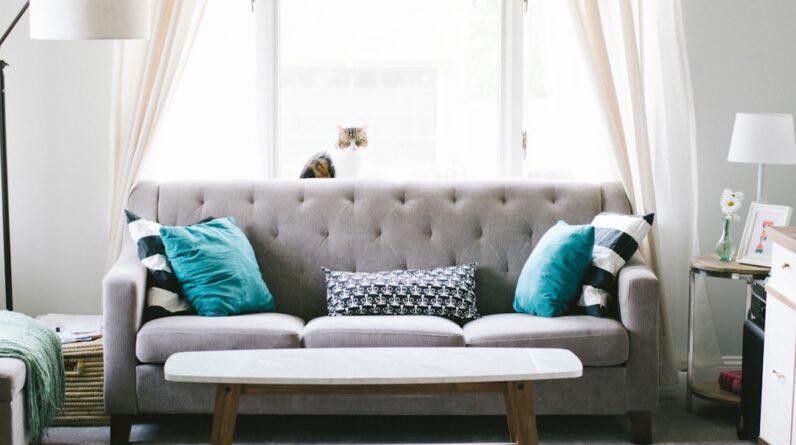
When designing a functional and inviting space, the first step is to carefully consider the layout. You need to assess the dimensions of the area and how you intend to use it. Whether it’s a home office, a living room, or a kitchen, understanding the flow of movement within the space is crucial.
You should visualize how you will navigate through the area and how different zones will interact with one another. For instance, in a home office, you might want to create distinct areas for work, relaxation, and storage. This can help you maintain focus while also providing a comfortable environment for breaks.
Moreover, think about the furniture arrangement and how it can enhance or hinder your activities. You might want to avoid overcrowding the space with too many pieces, as this can lead to a feeling of chaos. Instead, consider using multifunctional furniture that can serve various purposes without taking up too much room.
For example, a desk that doubles as a dining table can be an excellent solution for smaller spaces. By prioritizing open pathways and ensuring that each area serves its intended purpose, you can create a layout that feels both spacious and efficient.
Key Takeaways
- Space and layout considerations are crucial for creating a functional and efficient workspace.
- Careful equipment selection and placement can optimize workflow and productivity.
- Lighting and color scheme choices can impact mood and energy levels in the workspace.
- Flooring and surface materials should be durable and easy to maintain in a workspace.
- Technology integration is essential for modern workspaces and should be carefully planned and implemented.
Equipment Selection and Placement
Identifying Your Needs
If you’re setting up a home office, for instance, you’ll require a reliable computer, ergonomic chair, and perhaps a printer or scanner.
Selecting Equipment That Fits Your Aesthetic
It’s important to select equipment that not only meets your needs but also complements the overall aesthetic of the room. You might find that sleek, modern devices enhance a contemporary design, while vintage pieces could add character to a more traditional setting.
Optimizing Placement for Productivity
Once you’ve selected your equipment, placement becomes critical. You should position your desk in a way that allows for optimal productivity; this often means facing a window or having a clear view of the room. Additionally, consider accessibility when placing items like printers or filing cabinets. You want to ensure that everything is within reach without creating clutter. By thoughtfully selecting and arranging your equipment, you can create an environment that fosters creativity and efficiency.
Lighting and Color Scheme

Lighting plays a pivotal role in shaping the mood and functionality of any space. You should aim for a combination of natural and artificial light sources to create a balanced atmosphere. Natural light can invigorate your environment, so consider positioning workspaces near windows where sunlight can stream in during the day.
However, you also need to incorporate various types of artificial lighting—ambient, task, and accent—to ensure that your space remains well-lit during evening hours or on cloudy days. In tandem with lighting, the color scheme of your space can significantly influence how you feel while using it. You might opt for calming hues like soft blues or greens if you want to create a serene atmosphere conducive to focus and relaxation.
Alternatively, vibrant colors such as yellows or oranges can energize the space and stimulate creativity. When selecting colors, think about how they interact with your lighting choices; certain shades may appear differently under various light conditions. By harmonizing your lighting and color scheme, you can craft an inviting environment that enhances both productivity and comfort.
Flooring and Surface Materials
The choice of flooring and surface materials is another critical aspect of your space design. You should consider both aesthetics and practicality when selecting materials. For instance, hardwood floors can add warmth and elegance to a room, while tile or laminate may offer durability and ease of maintenance.
If you’re designing a workspace where you’ll be standing for long periods, you might want to explore options like cushioned flooring or area rugs that provide comfort underfoot. Additionally, surface materials for countertops or tables should be chosen based on their intended use. If you’re setting up a kitchen or workspace where spills are likely, materials like quartz or stainless steel may be ideal due to their resistance to stains and easy cleaning properties.
On the other hand, if you’re looking for something more visually appealing for a living area, consider natural stone or reclaimed wood for their unique textures and character. By thoughtfully selecting flooring and surface materials, you can create a cohesive look while ensuring functionality.
Technology Integration
In today’s digital age, integrating technology into your space is essential for enhancing productivity and convenience. You should evaluate which technological tools will best support your activities—this could range from smart home devices to advanced audio-visual systems. For example, if you’re setting up a home office, investing in high-speed internet and ergonomic tech accessories can significantly improve your workflow.
Moreover, consider how technology can streamline your daily routines. Smart lighting systems that adjust based on the time of day or automated thermostats that learn your preferences can create a more comfortable living environment. Additionally, think about cable management solutions to keep cords organized and out of sight; this not only improves aesthetics but also reduces clutter.
By seamlessly integrating technology into your design, you can create a modern space that enhances both functionality and comfort.
Storage and Organization

Designing with Storage in Mind
For instance, if you’re designing an office, think about incorporating shelves, cabinets, or even under-desk storage options to keep supplies neatly tucked away yet easily accessible. Utilizing vertical space with wall-mounted shelves can also help maximize storage without sacrificing floor area.
Creative Organization Methods
In addition to traditional storage solutions, consider creative organization methods that reflect your personal style. Decorative baskets or stylish boxes can serve as both storage and decor elements, adding character to your space while keeping it tidy.
Labeling and Consistency
Labeling systems can also be beneficial; they not only help you find items quickly but also encourage consistent organization habits. By prioritizing storage and organization in your design process, you can create an environment that feels calm and orderly.
Ventilation and Air Quality
Maintaining good ventilation and air quality is crucial for any space where you spend significant time. You should ensure that your area has adequate airflow to prevent stuffiness and promote comfort. If possible, open windows regularly to allow fresh air in; this simple act can significantly improve the atmosphere of your environment.
Additionally, consider incorporating plants into your design; they not only enhance aesthetics but also help purify the air. If natural ventilation isn’t feasible due to climate or location constraints, investing in air purifiers or HVAC systems with good filtration capabilities is essential. These systems can help remove allergens and pollutants from the air, creating a healthier environment for you and anyone else who uses the space.
By prioritizing ventilation and air quality in your design considerations, you can foster a more pleasant atmosphere conducive to productivity and well-being.
Aesthetics and Personalization
Finally, aesthetics play an integral role in making any space feel like home or an inspiring workplace. You should take time to curate decor elements that resonate with your personal style—this could include artwork, photographs, or decorative objects that reflect your interests and experiences. Personalization not only enhances the visual appeal of your space but also creates an emotional connection that makes it uniquely yours.
Additionally, consider how different textures and materials contribute to the overall aesthetic experience. Mixing soft textiles with hard surfaces can create visual interest while also adding comfort. You might choose throw pillows or blankets in complementary colors to soften furniture lines or introduce unique lighting fixtures that serve as statement pieces.
By thoughtfully considering aesthetics and personalization in your design process, you can create an environment that feels inviting and truly reflects who you are.
FAQs
What are the key design considerations for creating a contemporary gym or fitness space within a home?
The key design considerations for creating a contemporary gym or fitness space within a home include the layout and flow of the space, the selection of appropriate flooring and lighting, the incorporation of modern exercise equipment, and the integration of technology for entertainment and fitness tracking.
How important is the layout and flow of the space in a home gym or fitness area?
The layout and flow of the space in a home gym or fitness area are crucial for creating a functional and inviting environment. It is important to consider the placement of equipment, the availability of open space for movement, and the accessibility of storage and amenities.
What flooring options are suitable for a contemporary home gym or fitness space?
Suitable flooring options for a contemporary home gym or fitness space include rubber flooring for shock absorption and durability, cork flooring for its natural and sustainable properties, and vinyl flooring for its easy maintenance and variety of design options.
How can lighting be used to enhance a contemporary home gym or fitness space?
Lighting can be used to enhance a contemporary home gym or fitness space by providing adequate illumination for safety and visibility, incorporating natural light for a more open and airy atmosphere, and using modern fixtures for a stylish and functional aesthetic.
What role does modern exercise equipment play in the design of a contemporary home gym or fitness space?
Modern exercise equipment plays a significant role in the design of a contemporary home gym or fitness space by providing a range of options for strength training, cardio workouts, and functional fitness, as well as contributing to the overall aesthetic and functionality of the space.
How can technology be integrated into a contemporary home gym or fitness space?
Technology can be integrated into a contemporary home gym or fitness space through the use of smart fitness equipment, audiovisual systems for entertainment and motivation, and fitness tracking devices and apps for monitoring progress and performance.