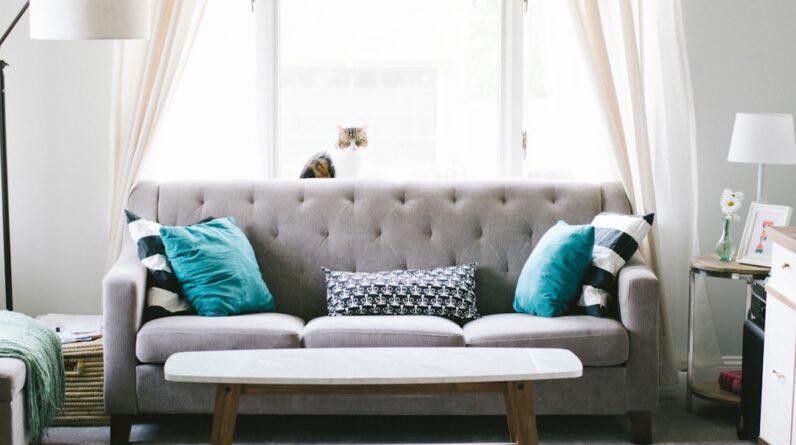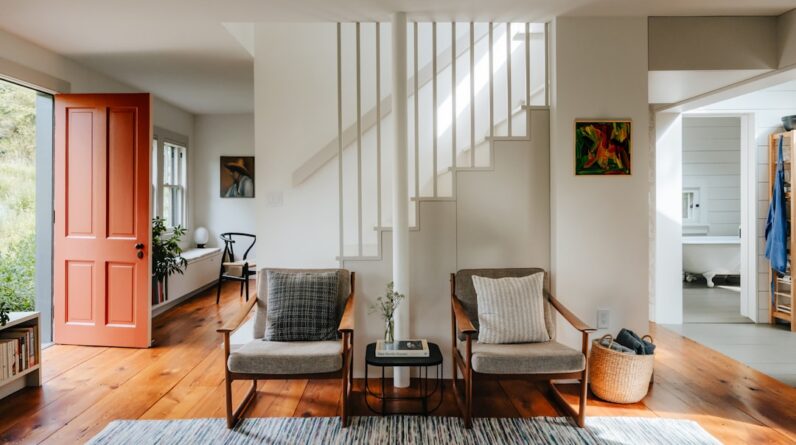
When you embark on the journey of designing a room, the first step is to grasp the function of the space. This understanding serves as the foundation upon which all your design decisions will be built. Ask yourself what activities will take place in this area.
Is it a cozy living room meant for relaxation and socializing, or perhaps a home office designed for productivity? By identifying the primary purpose, you can tailor your design choices to enhance that function. Moreover, consider how the space will be used over time.
Will it need to accommodate guests, or is it primarily for your personal use? Understanding these dynamics allows you to create a versatile environment that meets your needs. For instance, if you envision hosting gatherings, you might prioritize comfortable seating and an open layout.
Conversely, if the space is for quiet reflection or work, you may want to incorporate elements that promote focus and tranquility. By taking the time to define the function of the space, you set yourself up for a successful design journey.
Key Takeaways
- Understanding the function of the space is crucial for designing a practical and efficient layout.
- Choosing the right furniture that fits the space and serves its purpose is essential for a well-designed room.
- Creating a focal point can draw attention and add visual interest to the space.
- Utilizing lighting to enhance the ambiance can create a warm and inviting atmosphere.
- Incorporating textures and patterns can add depth and visual appeal to the room.
Choosing the Right Furniture
Once you have a clear understanding of the space’s function, the next step is selecting the right furniture. This choice is crucial as it not only affects the aesthetics of the room but also its practicality. Start by considering the scale of the furniture in relation to the size of the room.
Oversized pieces can overwhelm a small area, while tiny furniture can make a large space feel empty and uninviting. Striking a balance is key; aim for pieces that complement the dimensions of your room while providing comfort and utility. In addition to size, think about the style and material of your furniture.
Do you prefer a modern aesthetic with sleek lines and minimalistic designs, or are you drawn to a more traditional look with ornate details? The materials you choose also play a significant role in both appearance and functionality. For example, leather sofas can add a touch of luxury but may require more maintenance than fabric options.
By carefully selecting furniture that aligns with your style and meets your practical needs, you can create a harmonious environment that feels both inviting and functional.
Creating a Focal Point
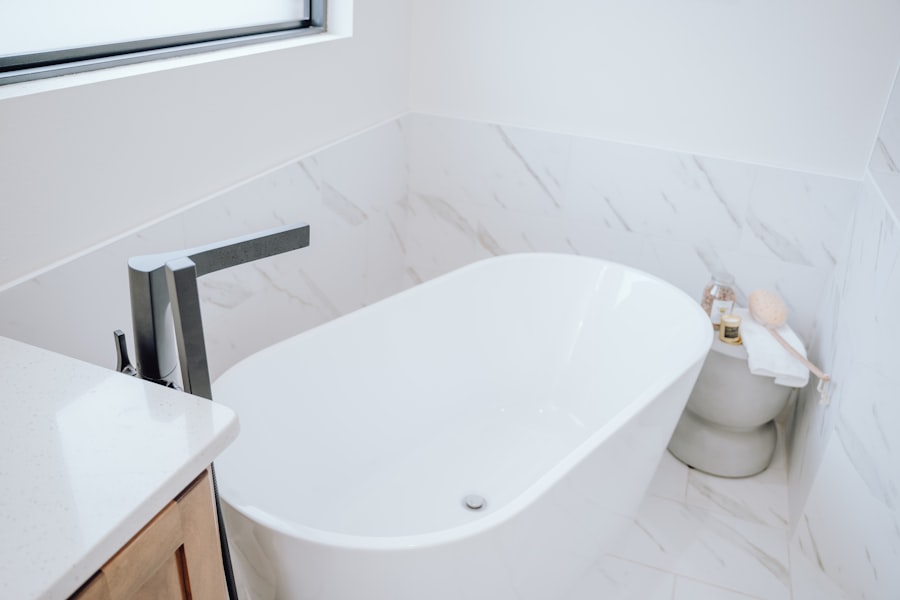
Every well-designed space benefits from a focal point—a feature that draws the eye and anchors the room. This could be anything from a striking piece of artwork to an elegant fireplace or even a stunning piece of furniture. The key is to choose something that resonates with you and reflects your personal style.
Once you’ve identified your focal point, arrange other elements in the room to complement it rather than compete with it. Consider how you can enhance this focal point through strategic placement and design choices. For instance, if your focal point is a beautiful painting, you might want to position seating in a way that encourages conversation while allowing guests to admire the artwork.
Additionally, using lighting to highlight this feature can further elevate its presence in the room. By thoughtfully creating a focal point, you establish a sense of balance and direction within your space.
Utilizing Lighting to Enhance the Ambiance
Lighting is one of the most powerful tools in interior design, capable of transforming a space from ordinary to extraordinary. As you consider how to illuminate your room, think about layering different types of lighting: ambient, task, and accent. Ambient lighting provides overall illumination, while task lighting focuses on specific areas where activities take place, such as reading or cooking.
Accent lighting can highlight artwork or architectural features, adding depth and interest to your design. In addition to functionality, consider how lighting affects the mood of your space. Soft, warm lighting can create an inviting atmosphere perfect for relaxation, while brighter lights may be more suitable for workspaces where focus is essential.
Dimmer switches are an excellent addition, allowing you to adjust the intensity based on your needs and preferences. By carefully selecting and positioning your lighting fixtures, you can enhance the ambiance of your space and create an environment that feels just right for any occasion.
Incorporating Textures and Patterns
To add depth and visual interest to your space, incorporating various textures and patterns is essential. Textures can be introduced through fabrics, materials, and finishes—think plush rugs underfoot, smooth wooden surfaces, or soft cushions on your sofa. These elements not only enhance the tactile experience but also contribute to the overall aesthetic appeal of the room.
Patterns can also play a significant role in defining your space’s character. Whether it’s through wallpaper, upholstery, or decorative accessories, patterns can inject personality into your design. However, it’s important to strike a balance; too many competing patterns can create visual chaos.
Instead, consider using a mix of bold patterns alongside more subdued ones to create harmony within your design. By thoughtfully incorporating textures and patterns, you can create a layered look that feels inviting and dynamic.
Selecting a Color Scheme
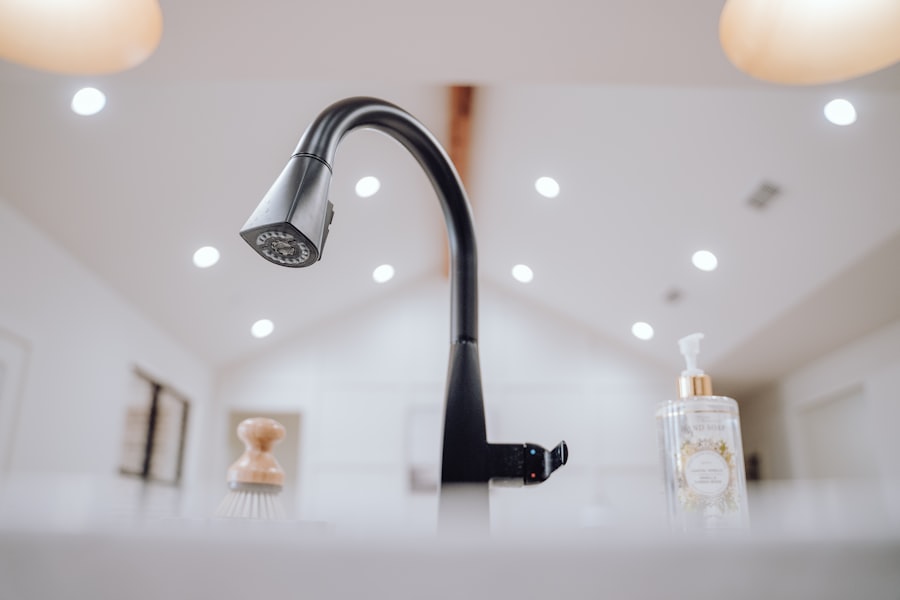
The color scheme you choose for your space sets the tone for the entire environment. Colors evoke emotions and can significantly influence how you feel in a room. When selecting a color palette, consider both your personal preferences and the function of the space.
For example, calming blues and greens may be ideal for a bedroom where relaxation is key, while vibrant reds or yellows could energize a kitchen or dining area. As you develop your color scheme, think about how different shades interact with one another. A cohesive palette often includes a mix of primary colors complemented by neutrals to create balance.
You might choose one dominant color for walls or larger furniture pieces while using accent colors in smaller decor items like cushions or artwork. By carefully selecting your color scheme, you can create an atmosphere that resonates with your style while enhancing the overall functionality of the space.
Adding Personal Touches and Decor
Your home should reflect who you are; therefore, adding personal touches is vital in making any space feel uniquely yours. This could include family photographs displayed in stylish frames, travel souvenirs that spark joy and memories, or artwork created by local artists that resonates with you. These elements not only personalize your space but also tell a story about your life and experiences.
When incorporating decor items, consider how they fit within your overall design scheme. While it’s important to showcase items that are meaningful to you, they should also harmonize with the colors, textures, and styles present in the room. Grouping similar items together can create visual interest without overwhelming the space.
By thoughtfully curating personal touches and decor elements, you can create an environment that feels warm and inviting while reflecting your individuality.
Considering the Flow and Layout of the Space
Finally, as you finalize your design choices, pay close attention to the flow and layout of the space. A well-planned layout ensures that movement within the room feels natural and unobstructed. Consider how people will navigate through the area—are there clear pathways between furniture pieces?
Is there enough space for movement without feeling cramped? These considerations are crucial for creating an inviting atmosphere where people feel comfortable. Additionally, think about how different areas within the room interact with one another.
If you’re designing an open-concept living area that includes a kitchen and dining space, ensure that each zone feels distinct yet cohesive. You might use rugs or furniture placement to delineate these areas while maintaining an overall sense of unity in design elements like color and style. By carefully considering flow and layout, you can create a functional space that encourages interaction while remaining aesthetically pleasing.
In conclusion, designing a space involves thoughtful consideration of various elements—from understanding its function to selecting furniture and decor that reflect your personal style. By focusing on these aspects and paying attention to details like lighting and layout, you can create an environment that is not only beautiful but also functional and welcoming. Your home should be a reflection of who you are; by following these guidelines, you’ll be well on your way to crafting a space that truly feels like yours.
FAQs
What are the key design principles for creating a contemporary dining area?
The key design principles for creating a contemporary dining area include incorporating open floor plans, using natural light, choosing modern furniture and decor, and creating a seamless connection between indoor and outdoor spaces.
How can a contemporary dining area encourage social interaction?
A contemporary dining area can encourage social interaction by incorporating a large dining table, comfortable seating, and a layout that promotes conversation. Additionally, using an open floor plan and creating a welcoming atmosphere can also encourage social interaction.
What are some design elements that can enhance entertaining in a contemporary dining area?
Design elements that can enhance entertaining in a contemporary dining area include a well-equipped kitchen, a designated bar area, flexible seating arrangements, and incorporating technology for music and lighting control. Additionally, creating a seamless flow between indoor and outdoor spaces can also enhance entertaining.
How can lighting be used to create a contemporary dining area that encourages social interaction and entertaining?
Lighting can be used to create a contemporary dining area that encourages social interaction and entertaining by incorporating a mix of ambient, task, and accent lighting. Additionally, using natural light and incorporating dimmable lighting options can create a versatile and inviting atmosphere for socializing and entertaining.