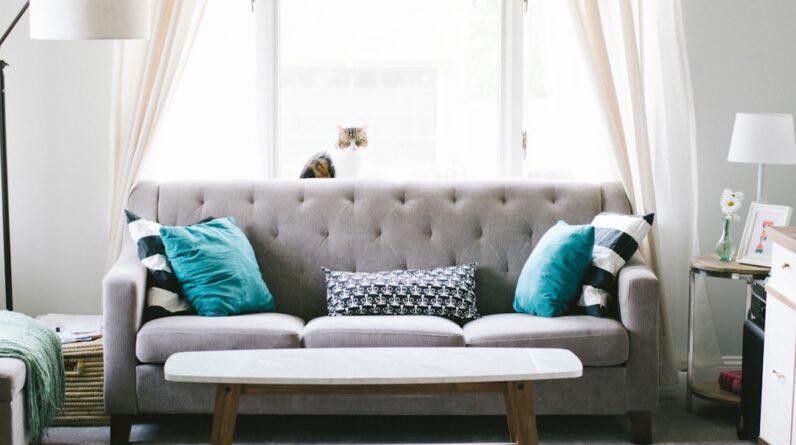
When you embark on the journey of designing a space, the concept of cohesive and harmonious design becomes paramount. This idea revolves around creating an environment where all elements work together seamlessly, producing a unified aesthetic that feels intentional and inviting. You might find that a harmonious design not only enhances the visual appeal of your space but also contributes to a sense of comfort and well-being.
It’s about more than just choosing pretty items; it’s about ensuring that every piece, color, and texture contributes to a larger narrative. To achieve this, you need to consider how each element interacts with others. Think of your space as a symphony, where each instrument plays its part to create a beautiful melody.
When you select furniture, colors, and decor, ask yourself how they relate to one another. Are they in conversation? Do they complement or clash?
By fostering this awareness, you can create a space that feels cohesive and harmonious, allowing you to enjoy a tranquil atmosphere that reflects your personal style.
Key Takeaways
- Cohesive and harmonious design involves creating a unified and balanced look throughout a space.
- Establishing a consistent color scheme helps tie the different elements of a room together and creates a sense of cohesion.
- Balancing different textures and materials adds depth and visual interest to a space while maintaining harmony.
- Creating a sense of flow and continuity involves arranging furniture and decor in a way that allows for easy movement and visual connection.
- Emphasizing proportion and scale ensures that the elements in a room are appropriately sized and balanced with each other.
Establishing a Consistent Color Scheme
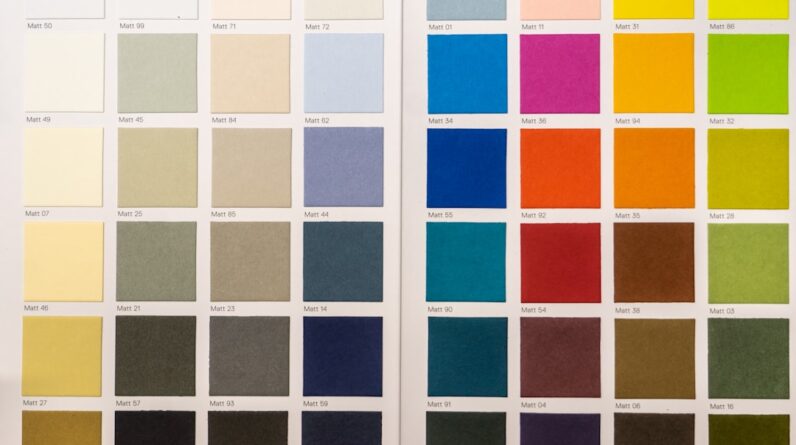
One of the most effective ways to achieve a cohesive design is by establishing a consistent color scheme. Colors have the power to evoke emotions and set the mood of a room, so choosing a palette that resonates with you is essential. You might start by selecting a primary color that speaks to your personality or the atmosphere you wish to create.
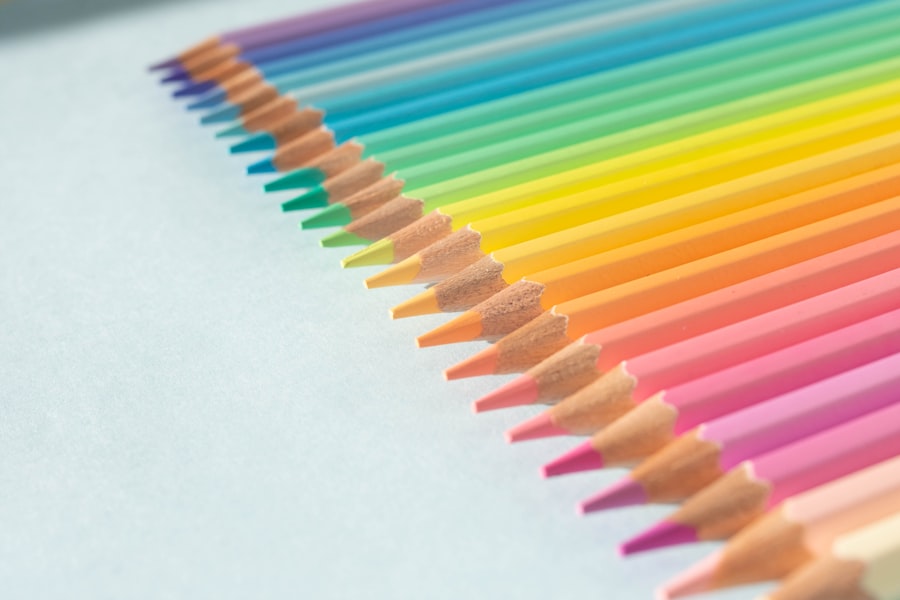
From there, consider complementary colors that can enhance your primary choice without overwhelming it. As you develop your color scheme, think about the various shades and tones that can be incorporated. A monochromatic palette can create a sophisticated look, while an analogous scheme—using colors that are next to each other on the color wheel—can produce a serene and harmonious effect.
You may also want to introduce accent colors to add depth and interest. By carefully curating your color choices, you can ensure that every element in your space contributes to a cohesive visual experience.
Balancing Different Textures and Materials
In addition to color, the textures and materials you choose play a crucial role in creating a harmonious design. Mixing different textures can add dimension and richness to your space, but it’s important to strike a balance. You might consider incorporating soft fabrics like velvet or linen alongside harder materials such as wood or metal.
This interplay creates visual interest while maintaining a sense of cohesion. When selecting materials, think about how they relate to one another in terms of both appearance and feel. For instance, pairing a sleek leather sofa with a chunky knit throw can create an inviting contrast that draws the eye.
You may also want to consider the overall theme of your space; rustic elements might work well with natural fibers, while modern designs could benefit from polished finishes. By thoughtfully balancing textures and materials, you can create an environment that feels both dynamic and harmonious.
Creating a Sense of Flow and Continuity
Creating a sense of flow and continuity is essential for achieving a cohesive design. This involves ensuring that each area of your space connects seamlessly with the next, guiding the eye naturally from one element to another. You might start by considering the layout of your furniture and decor; arranging pieces in a way that encourages movement can enhance the overall flow of the room.
In addition to layout, consider how colors and materials can contribute to continuity throughout your space. For example, if you have an open-concept living area, using similar colors or materials in adjacent spaces can help tie everything together. You may also want to incorporate recurring design elements—such as shapes or patterns—that appear throughout your home.
By fostering this sense of flow and continuity, you can create an environment that feels cohesive and inviting.
Emphasizing Proportion and Scale
Proportion and scale are critical components of cohesive design that often go overlooked. When selecting furniture and decor, it’s essential to consider how each piece relates to the size of your space and other elements within it. You might find that oversized furniture can overwhelm a small room, while tiny accents can get lost in a larger area.
Striking the right balance ensures that your space feels well-planned and harmonious. To emphasize proportion and scale effectively, take measurements before making any purchases. Visualize how each piece will fit within your space and how it will interact with other items.
You may also want to experiment with different arrangements before settling on a final layout. By paying attention to proportion and scale, you can create an environment that feels balanced and thoughtfully designed.
Incorporating Unified Patterns and Prints
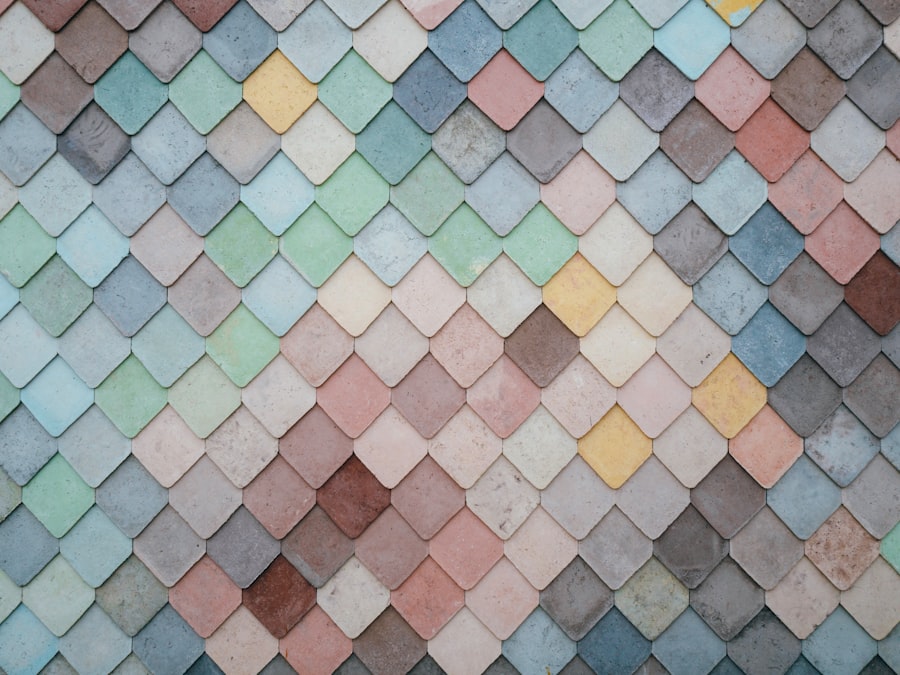
Patterns and prints can add character and vibrancy to your space, but incorporating them in a cohesive manner requires careful consideration. You might start by selecting one or two key patterns that resonate with your overall design vision. From there, consider how these patterns can be repeated or echoed throughout your space to create unity.
When mixing patterns, aim for variety while maintaining harmony. For instance, pairing geometric prints with organic shapes can create an interesting contrast without feeling chaotic. You may also want to consider the scale of each pattern; combining large-scale prints with smaller ones can help maintain balance.
By thoughtfully incorporating unified patterns and prints, you can infuse your space with personality while ensuring it remains cohesive.
Curating a Thoughtful Selection of Furniture and Decor
The selection of furniture and decor is perhaps one of the most significant aspects of achieving cohesive design. As you curate your collection, think about how each piece contributes to the overall aesthetic you wish to create. You might find it helpful to establish a list of must-have items that align with your vision before you begin shopping.
When selecting furniture, consider not only style but also functionality. Each piece should serve a purpose while contributing to the overall design narrative. You may also want to incorporate statement pieces that draw attention without overwhelming the space.
By curating a thoughtful selection of furniture and decor, you can create an environment that feels intentional and harmonious.
Paying Attention to Lighting and Accessories
Finally, don’t underestimate the impact of lighting and accessories on cohesive design. Lighting sets the mood for any space; it can make a room feel warm and inviting or cold and unwelcoming. You might consider layering different types of lighting—ambient, task, and accent—to create depth and versatility in your design.
Accessories also play a vital role in tying together your design elements. From artwork to decorative objects, these finishing touches can enhance your overall aesthetic while adding personal flair. As you select accessories, think about how they relate to your color scheme, textures, and patterns.
By paying attention to lighting and accessories, you can elevate your space into a cohesive haven that reflects your unique style. In conclusion, achieving cohesive and harmonious design is an art form that requires careful consideration of various elements within your space. By understanding the importance of color schemes, textures, flow, proportion, patterns, furniture selection, lighting, and accessories, you can create an environment that feels both inviting and intentional.
As you embark on this design journey, remember that every choice contributes to the larger narrative of your home—make each one count!
FAQs
What are design strategies for achieving a cohesive and harmonious look in a contemporary interior?
Some design strategies for achieving a cohesive and harmonious look in a contemporary interior include using a consistent color palette, incorporating balanced and symmetrical arrangements, utilizing texture and pattern to add visual interest, and selecting furniture and decor that complement each other in style and scale.
How can a consistent color palette contribute to a cohesive and harmonious look in a contemporary interior?
A consistent color palette can contribute to a cohesive and harmonious look in a contemporary interior by creating a sense of unity and flow throughout the space. By using a limited range of colors that complement each other, the overall design will feel more cohesive and visually appealing.
Why is it important to incorporate balanced and symmetrical arrangements in a contemporary interior?
Incorporating balanced and symmetrical arrangements in a contemporary interior helps to create a sense of order and harmony. This can be achieved through the placement of furniture, artwork, and decor in a way that feels visually balanced and cohesive.
How can texture and pattern be used to add visual interest in a contemporary interior?
Texture and pattern can be used to add visual interest in a contemporary interior by introducing depth and dimension to the design. This can be achieved through the use of textiles, wall coverings, and decorative accents that add tactile and visual appeal to the space.
What should be considered when selecting furniture and decor for a contemporary interior?
When selecting furniture and decor for a contemporary interior, it is important to consider the overall style and scale of the pieces. Choosing items that complement each other in terms of design aesthetic and size will help to create a cohesive and harmonious look in the space.