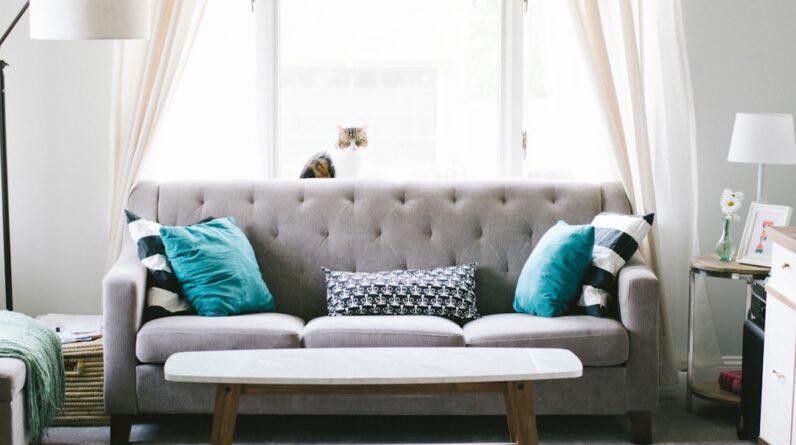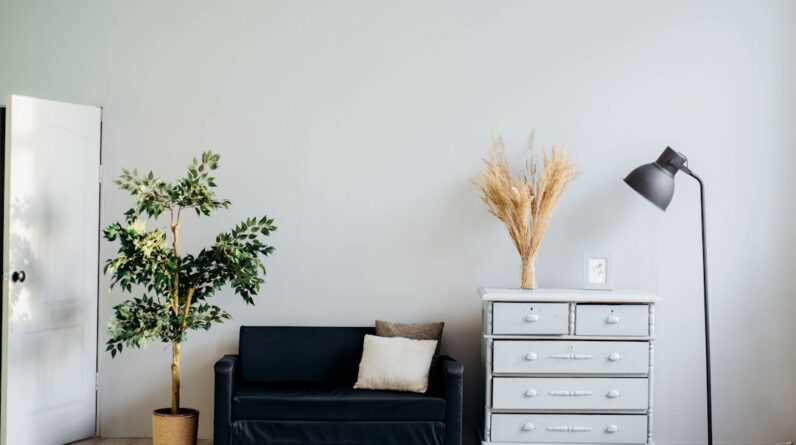
In today’s fast-paced world, the need for flexibility and functionality in living spaces has never been more pronounced. You may find that your lifestyle demands a home that can easily adapt to your changing needs. Whether you are working from home, entertaining guests, or simply enjoying a quiet evening, your living environment should seamlessly transition to accommodate these various activities.
This adaptability is not just a luxury; it is a necessity for modern living. The ability to rearrange furniture, convert rooms for different purposes, or even modify layouts can significantly enhance your quality of life. Moreover, the concept of functionality extends beyond mere aesthetics.
It encompasses the practical aspects of how you use your space daily. You might appreciate features such as built-in storage solutions that help keep your home organized and clutter-free. Multi-purpose furniture, like a sofa that converts into a bed or a dining table that doubles as a workspace, can maximize the utility of your space without sacrificing style.
By prioritizing flexibility and functionality, you create an environment that not only meets your immediate needs but also evolves with you over time.
Key Takeaways
- Flexibility and functionality are key aspects of the design, allowing for versatile use of the space.
- Sustainable and eco-friendly materials are prioritized, promoting a greener and more environmentally conscious living environment.
- Compact and space-saving design elements are integrated to maximize the use of available space.
- Technology is seamlessly integrated into the design, enhancing the overall functionality and convenience of the space.
- Accessibility and inclusivity are emphasized, ensuring that the space is welcoming and usable for people of all abilities.
Sustainable and Eco-Friendly Materials
As awareness of environmental issues grows, the demand for sustainable and eco-friendly materials in home design has surged. You may be increasingly conscious of the impact your choices have on the planet, prompting you to seek out materials that are both beautiful and responsible. From reclaimed wood to recycled metals, the options available today allow you to create a stylish home while minimizing your ecological footprint.
By choosing sustainable materials, you contribute to a healthier planet and promote a more sustainable future. In addition to being environmentally friendly, these materials often boast unique characteristics that add charm and character to your space. For instance, reclaimed wood can bring warmth and history to your home, while bamboo offers a modern aesthetic with its sleek lines and durability.
You might also consider low-VOC paints and finishes that improve indoor air quality, ensuring that your living environment is not only beautiful but also safe for you and your family. By embracing sustainable materials, you align your home with your values and create a sanctuary that reflects your commitment to the environment.
Compact and Space-Saving Design
In urban areas where space is often at a premium, compact and space-saving design has become essential. You may find yourself navigating small apartments or homes where every square foot counts. This reality has led to innovative design solutions that maximize functionality without compromising style.
Think about how clever storage solutions, such as under-bed drawers or wall-mounted shelves, can help you make the most of limited space while keeping your belongings organized. Additionally, the rise of modular furniture has transformed how you approach interior design. Pieces that can be easily reconfigured or expanded allow you to adapt your space to suit different occasions or needs.
For example, a foldable dining table can accommodate guests during dinner parties but can be tucked away when not in use. By embracing compact design principles, you can create an inviting and functional living space that feels open and airy, even in the tightest of quarters.
Integration of Technology
The integration of technology into home design has revolutionized how you interact with your living space. Smart home devices have become increasingly popular, offering convenience and efficiency at your fingertips. Imagine controlling your lighting, heating, and security systems through a single app on your smartphone.
This level of connectivity not only enhances your comfort but also allows you to monitor energy usage and reduce costs over time. Moreover, technology can play a significant role in enhancing the overall aesthetic of your home. You might consider incorporating smart mirrors that display information like weather updates or news headlines while serving as functional decor.
Additionally, integrated sound systems can provide an immersive audio experience throughout your home, allowing you to enjoy music or podcasts in any room. By embracing technology in your living space, you create an environment that is not only modern but also tailored to your lifestyle.
Emphasis on Accessibility and Inclusivity
As society becomes more aware of the importance of accessibility and inclusivity, these principles are increasingly reflected in home design. You may recognize the value of creating spaces that are welcoming and usable for everyone, regardless of their physical abilities. This emphasis on accessibility means considering features such as wider doorways, step-free entrances, and adjustable countertops that cater to individuals with mobility challenges.
Inclusivity goes beyond physical accessibility; it also encompasses creating environments that reflect diverse lifestyles and cultures. You might choose decor elements that celebrate various backgrounds or incorporate flexible spaces that can accommodate different activities or gatherings. By prioritizing accessibility and inclusivity in your home design, you foster a sense of belonging for all who enter, making your space not just a residence but a community hub.
Incorporation of Urban Aesthetics
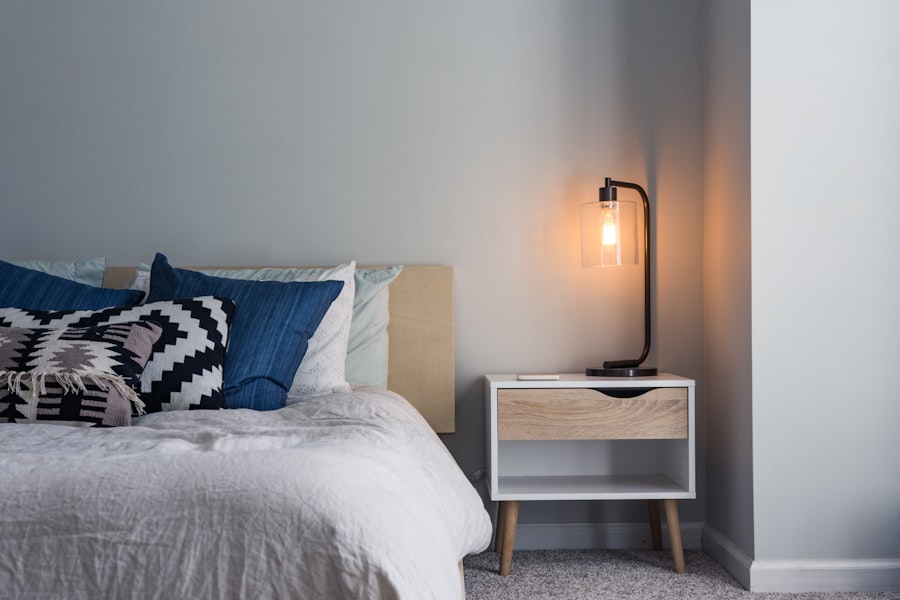
Urban aesthetics have gained traction in recent years as more people seek to bring the vibrancy of city life into their homes. You may find inspiration in the raw beauty of industrial design elements such as exposed brick walls, concrete floors, and metal accents. These features can create an edgy yet sophisticated atmosphere that reflects the dynamic energy of urban living.
Incorporating urban aesthetics also allows you to play with bold colors and unique textures that evoke the spirit of city life. Think about how vibrant artwork or statement furniture pieces can serve as focal points in your space, adding personality and flair. By embracing urban aesthetics, you create an environment that feels alive and connected to the world outside while still providing a comfortable retreat from the hustle and bustle.
Multi-Functional and Multi-Use Spaces
The trend toward multi-functional and multi-use spaces has become increasingly relevant as people seek to maximize their living environments. You may find yourself needing areas that serve multiple purposes—such as a guest room that doubles as an office or a living room that transforms into a workout space. This versatility allows you to make the most of every square inch while accommodating various activities throughout the day.
Designing multi-functional spaces requires creativity and thoughtful planning. You might consider using room dividers or curtains to create distinct areas within an open floor plan or investing in furniture that can easily transition between uses. For example, a coffee table with hidden storage can keep clutter at bay while providing additional surface area when needed.
By embracing multi-functional design principles, you cultivate an adaptable living environment that meets your diverse needs.
Adaptability to Diverse Lifestyles
Finally, adaptability is key when it comes to designing a home that caters to diverse lifestyles. You may find yourself balancing work commitments with family life or pursuing hobbies alongside social engagements. Your living space should reflect this dynamic nature by offering flexibility in layout and function.
For instance, open-concept designs allow for easy flow between areas, making it simple to transition from work mode to relaxation mode. Additionally, consider how your home can evolve as your lifestyle changes over time. You might invest in furniture that can grow with you—such as modular seating arrangements that can be reconfigured as needed or adjustable shelving units that accommodate changing storage requirements.
By prioritizing adaptability in your home design, you create a space that not only meets your current needs but also anticipates future changes, ensuring that your living environment remains relevant and functional for years to come. In conclusion, the modern home is a reflection of flexibility, sustainability, technology integration, accessibility, urban aesthetics, multi-functionality, and adaptability to diverse lifestyles. As you navigate the complexities of contemporary living, embracing these principles will help you create a space that is not only beautiful but also deeply functional and aligned with your values.
Your home should be a sanctuary—a place where you feel comfortable, inspired, and connected to the world around you.
FAQs
What is contemporary design?
Contemporary design refers to the style of the present time, incorporating elements and ideas from various periods and styles to create a modern and current aesthetic.
What are the key characteristics of contemporary design?
Key characteristics of contemporary design include clean lines, minimalism, neutral color palettes, use of natural materials, and a focus on functionality and simplicity.
How is contemporary design suitable for urban living?
Contemporary design is suitable for urban living due to its emphasis on functionality and simplicity, making it ideal for smaller living spaces. The use of natural materials and neutral color palettes also helps create a calming and inviting atmosphere in urban environments.
What are some examples of contemporary design in urban living spaces?
Examples of contemporary design in urban living spaces include modular furniture, multi-functional pieces, open floor plans, and the use of sustainable materials such as bamboo and reclaimed wood. These elements help maximize space and create a modern and efficient living environment.