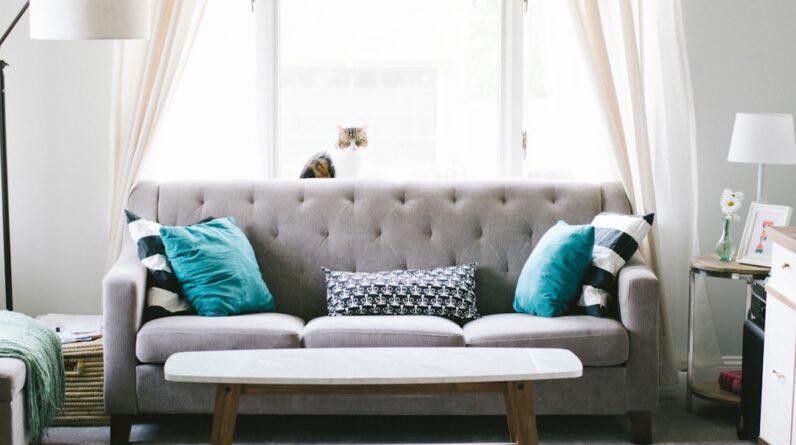
When you embark on designing a space, the first step is to grasp its intended functionality. This understanding serves as the foundation upon which all other design elements will be built. You need to consider how you plan to use the area, whether it’s for entertaining guests, family gatherings, or simply enjoying a quiet evening alone.
By identifying the primary functions of the space, you can tailor your design choices to enhance usability and comfort. For instance, if you envision hosting frequent gatherings, you might prioritize an open layout that encourages social interaction and movement. Moreover, it’s essential to think about the flow of the space.
You want to ensure that there is a natural progression from one area to another, allowing for easy navigation. This might involve strategically placing furniture or creating distinct zones within the space that serve different purposes. By understanding how you and your guests will interact with the environment, you can create a design that feels intuitive and welcoming.
Ultimately, a well-thought-out functionality will not only enhance your experience but also elevate the overall aesthetic of the space.
Key Takeaways
- Understanding the functionality of the space is crucial for creating a well-designed outdoor area.
- Incorporating modern materials and finishes can elevate the aesthetic and durability of the outdoor space.
- Creating a seamless indoor-outdoor connection can enhance the overall flow and functionality of the space.
- Designing a layout for cooking and entertaining is essential for maximizing the outdoor space for social gatherings.
- Adding stylish and comfortable furnishings can make the outdoor space inviting and functional for relaxation and entertainment.
Incorporating Modern Materials and Finishes
Modern Materials for a Contemporary Feel
Modern materials such as glass, metal, and sustainable composites can bring a fresh and contemporary feel to your design. You might consider using large glass panels to create an airy atmosphere that allows natural light to flood in, making the space feel more expansive.
Finishes for a Cohesive Look
Finishes are equally important in achieving a cohesive look. You may want to explore various textures and colors that complement each other while also reflecting your personal style. For example, pairing matte finishes with glossy surfaces can create visual interest and depth.
Sustainable and Visually Stunning
Furthermore, incorporating eco-friendly finishes not only enhances the aesthetic appeal but also aligns with sustainable practices. By thoughtfully selecting modern materials and finishes, you can create a space that is not only visually stunning but also functional and environmentally conscious.
Creating a Seamless Indoor-Outdoor Connection

One of the most sought-after features in modern design is a seamless connection between indoor and outdoor spaces. This integration allows you to extend your living area beyond the confines of four walls, creating an inviting atmosphere that encourages outdoor enjoyment. To achieve this, consider incorporating large sliding or folding doors that can be opened wide to blur the lines between inside and outside.
This not only enhances the flow of natural light but also provides easy access to outdoor areas for entertaining or relaxation. In addition to doors, think about how you can harmonize the design elements of both spaces. Using similar flooring materials or color palettes can create a cohesive look that ties everything together.
You might also consider adding outdoor living features such as a patio or deck that mirrors the style of your indoor space. By thoughtfully designing these connections, you can create an environment that feels expansive and inviting, allowing you to enjoy nature while still being part of your home.
Designing a Layout for Cooking and Entertaining
When it comes to designing a layout for cooking and entertaining, functionality is key. You want to create an environment that facilitates both culinary creativity and social interaction. Start by considering the kitchen work triangle—the relationship between the stove, sink, and refrigerator—as this will significantly impact your cooking efficiency.
A well-planned layout will allow you to move seamlessly between these key areas without feeling cramped or hindered. In addition to functionality, think about how you can encourage social engagement during gatherings. An open-concept layout can be particularly effective in fostering interaction between guests and hosts.
You might incorporate an island or breakfast bar that serves as both a cooking surface and a casual dining area, allowing guests to gather around while you prepare meals. By designing a layout that prioritizes both cooking efficiency and social connectivity, you can create a space that is perfect for entertaining while still being practical for everyday use.
Adding Stylish and Comfortable Furnishings
Furnishings play a crucial role in defining the overall ambiance of your space. As you select pieces, consider both style and comfort to ensure that your environment is inviting and functional. Opt for furniture that reflects your personal taste while also providing adequate seating for guests during gatherings.
Sofas with plush cushions or stylish armchairs can create cozy nooks for conversation, while larger dining tables can accommodate family meals or dinner parties. In addition to aesthetics, think about how your furnishings can enhance the functionality of the space. Multi-purpose pieces, such as ottomans with storage or extendable dining tables, can maximize usability without sacrificing style.
Layering textures through throws, pillows, and rugs can also add warmth and depth to your design. By carefully curating stylish and comfortable furnishings, you can create an inviting atmosphere that encourages relaxation and socialization.
Utilizing Lighting and Heating for Year-Round Use
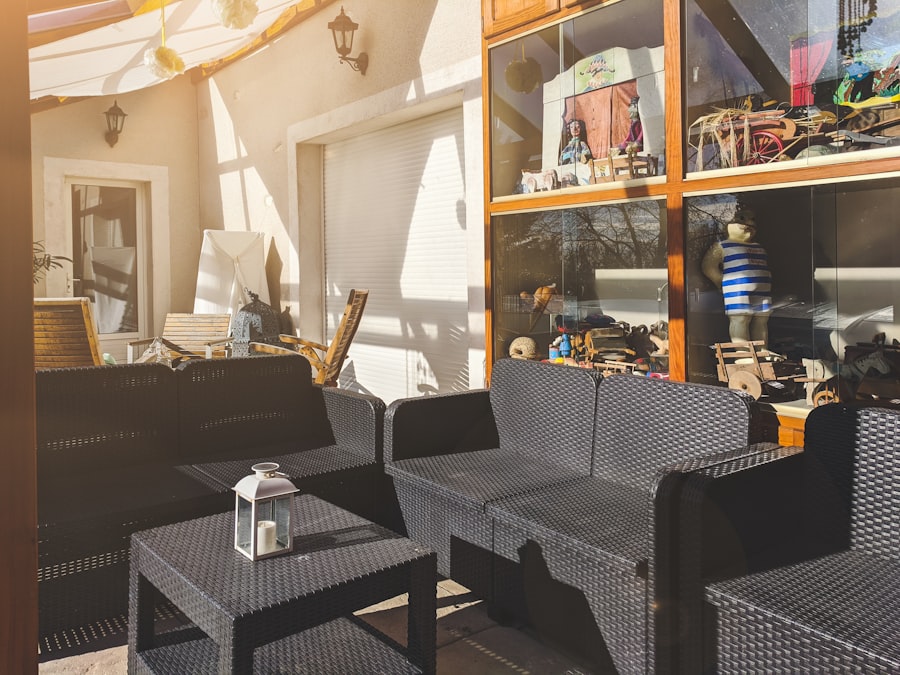
Lighting is one of the most powerful tools in design, capable of transforming the mood and functionality of any space. As you plan your lighting scheme, consider incorporating a mix of ambient, task, and accent lighting to create a versatile environment suitable for various activities. Pendant lights over dining areas can provide focused illumination for meals, while softer wall sconces can create a warm ambiance for evening gatherings.
Additionally, dimmer switches allow you to adjust lighting levels based on the occasion, enhancing the overall experience. Heating is another essential consideration for ensuring year-round comfort in your space. Depending on your climate, you may want to explore options such as radiant floor heating or stylish electric fireplaces that not only provide warmth but also serve as focal points in your design.
By integrating effective lighting and heating solutions, you can create an environment that remains comfortable and inviting regardless of the season.
Incorporating Greenery and Landscaping
Bringing nature indoors through greenery can significantly enhance the aesthetic appeal of your space while also improving air quality and overall well-being. Consider incorporating houseplants that thrive in your specific environment; they can add vibrant colors and textures while creating a calming atmosphere. You might choose low-maintenance options like succulents or snake plants if you’re concerned about upkeep but still want to enjoy the benefits of indoor greenery.
On the outdoor side, landscaping plays a vital role in enhancing your connection with nature. Thoughtfully designed gardens or patios can serve as extensions of your living space, providing areas for relaxation or entertainment amidst lush surroundings. Incorporating native plants not only supports local ecosystems but also reduces maintenance needs.
By blending greenery into both indoor and outdoor spaces, you create an inviting environment that fosters tranquility and connection with nature.
Considering Environmental and Sustainable Design Practices
As awareness of environmental issues grows, incorporating sustainable design practices into your project has never been more important. You have the opportunity to make choices that minimize your ecological footprint while still achieving beautiful results. Start by selecting materials sourced from renewable resources or those with low environmental impact.
For instance, reclaimed wood or recycled metal can add character while promoting sustainability. Additionally, consider energy-efficient appliances and fixtures that reduce energy consumption without sacrificing performance. Implementing smart home technology can further enhance efficiency by allowing you to monitor energy use in real-time.
By prioritizing environmental considerations in your design process, you not only contribute positively to the planet but also create a healthier living environment for yourself and future generations. In conclusion, designing a functional and aesthetically pleasing space requires careful consideration of various elements—from understanding its intended use to incorporating modern materials and sustainable practices. By thoughtfully addressing each aspect of your design journey, you can create an environment that reflects your personal style while enhancing comfort and usability for years to come.
FAQs
What are the key design elements for creating a contemporary outdoor kitchen and entertaining area?
Some key design elements for creating a contemporary outdoor kitchen and entertaining area include:
– High-quality, weather-resistant materials
– Functional layout and ample counter space
– Adequate storage for kitchen tools and utensils
– Proper lighting for both cooking and entertaining
– Comfortable seating and dining areas
– Integration of modern appliances and technology
– Incorporation of natural elements and greenery for a seamless indoor-outdoor flow
What materials are commonly used in contemporary outdoor kitchen design?
Commonly used materials in contemporary outdoor kitchen design include:
– Stainless steel for appliances and countertops
– Weather-resistant wood or composite materials for cabinetry and furniture
– Natural stone or concrete for countertops and flooring
– Outdoor-rated fabrics for seating and cushions
– Glass or metal for modern accents and fixtures
How can the layout of an outdoor kitchen and entertaining area be optimized for functionality?
The layout of an outdoor kitchen and entertaining area can be optimized for functionality by:
– Designing a work triangle between the grill, sink, and food preparation area
– Ensuring ample counter space for food prep and serving
– Incorporating storage for utensils, cookware, and outdoor dining essentials
– Creating designated zones for cooking, dining, and lounging
– Considering the flow of foot traffic and providing clear pathways between different areas
What are some important considerations for lighting in a contemporary outdoor kitchen and entertaining area?
Important considerations for lighting in a contemporary outdoor kitchen and entertaining area include:
– Task lighting for the cooking and food preparation areas
– Ambient lighting for dining and socializing spaces
– Accent lighting to highlight architectural features or landscaping
– Use of energy-efficient, weather-resistant fixtures
– Incorporation of smart lighting controls for convenience and flexibility
How can natural elements be integrated into the design of a contemporary outdoor kitchen and entertaining area?
Natural elements can be integrated into the design of a contemporary outdoor kitchen and entertaining area by:
– Using natural stone or wood for countertops, flooring, and accents
– Incorporating potted plants, herbs, or vertical gardens for a touch of greenery
– Designing the outdoor space to take advantage of natural views and sunlight
– Using sustainable materials and eco-friendly design practices
– Creating a seamless transition between indoor and outdoor living spaces