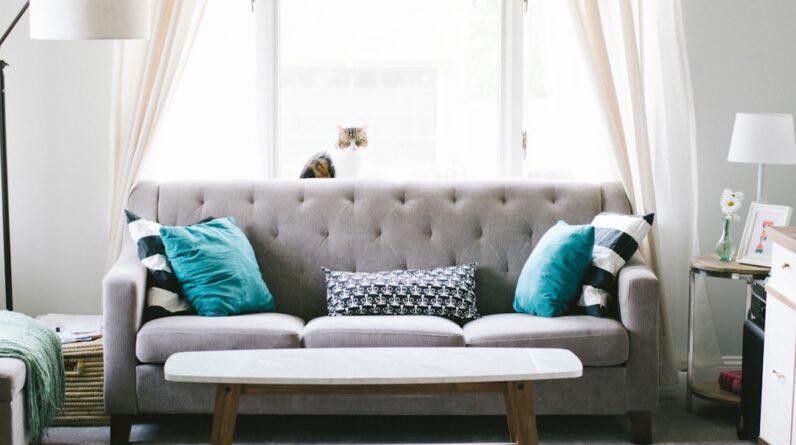
Contemporary interiors represent a dynamic blend of styles, materials, and cultural influences that reflect the ever-evolving nature of design. As you step into a contemporary space, you are often greeted by clean lines, open layouts, and a focus on functionality. This design approach is not merely about aesthetics; it embodies a philosophy that prioritizes comfort and livability while embracing innovation.
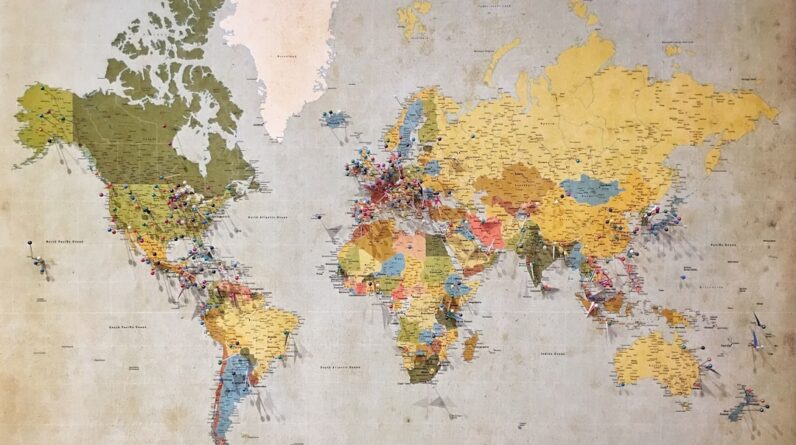
The beauty of contemporary interiors lies in their ability to adapt and incorporate elements from various cultures, creating a rich tapestry of influences that resonate with people from all walks of life. In recent years, the global exchange of ideas has accelerated, leading to a more interconnected world where design transcends geographical boundaries. As you explore contemporary interiors, you will notice how they often draw inspiration from diverse cultural backgrounds, resulting in spaces that are not only visually appealing but also deeply meaningful.
This article will delve into the cultural elements and design influences from various regions, showcasing how they contribute to the vibrant landscape of contemporary interiors.
Key Takeaways
- Contemporary interiors are characterized by clean lines, minimalism, and a focus on function and open spaces.
- Asian cultural elements in contemporary interiors often include natural materials, intricate patterns, and a harmonious balance of yin and yang.
- European design influences in contemporary interiors can be seen in the use of luxurious materials, classic furniture designs, and a blend of traditional and modern elements.
- African cultural elements in contemporary interiors often feature vibrant colors, bold patterns, and handcrafted textiles and artwork.
- South American design influences in contemporary interiors can be seen in the use of rich, earthy tones, organic textures, and a celebration of indigenous craftsmanship.
Cultural Elements in Contemporary Interiors from Asia
Cultural Craftsmanship
Moreover, traditional craftsmanship from various Asian cultures adds depth and character to contemporary interiors. Handcrafted furniture, intricate textiles, and decorative art pieces can serve as focal points that tell a story and connect you to the rich heritage of the region.
Blending Tradition and Innovation
For example, Japanese tatami mats or Chinese calligraphy can seamlessly blend with modern furnishings, creating a unique juxtaposition that celebrates both tradition and innovation. By embracing these cultural elements, you not only enhance the aesthetic appeal of your space but also foster a deeper appreciation for the artistry and history behind them.
Design Influences in Contemporary Interiors from Europe

European design has long been synonymous with elegance and sophistication, and its influence on contemporary interiors is undeniable. As you explore European-inspired spaces, you may notice a penchant for luxurious materials such as marble, velvet, and brass, which add a touch of opulence to any room. The European approach often emphasizes a sense of grandeur while maintaining a balance between classic and modern elements.
This fusion creates an inviting atmosphere that encourages both relaxation and social interaction. In addition to material choices, European design is characterized by its attention to detail and craftsmanship. You might find that intricate moldings, bespoke furniture, and artisanal finishes elevate the overall aesthetic of a space.
Scandinavian design, for instance, has gained popularity for its focus on functionality and simplicity, often incorporating natural light and organic shapes. As you integrate these influences into your own interiors, consider how they can enhance your lifestyle while reflecting your personal taste. The result is a harmonious blend of style and substance that resonates with the essence of contemporary living.
Cultural Elements in Contemporary Interiors from Africa
African culture is rich with vibrant colors, bold patterns, and unique textures that can transform contemporary interiors into lively spaces filled with character. When you think of African-inspired design, you may envision warm earth tones complemented by striking textiles such as kente cloth or mud cloth. These elements not only add visual interest but also evoke a sense of connection to the land and its people.
By incorporating these cultural motifs into your home, you can create an environment that celebrates diversity and fosters a sense of belonging. Furthermore, African art plays a pivotal role in shaping contemporary interiors. Sculptures, masks, and handcrafted artifacts can serve as powerful statements that reflect the region’s history and traditions.
As you curate your space with these pieces, consider how they can spark conversations and inspire curiosity among your guests. The integration of African cultural elements into contemporary design not only enhances the aesthetic appeal but also promotes an appreciation for the stories behind each piece. This thoughtful approach to design allows you to create a space that is both visually stunning and culturally significant.
Design Influences in Contemporary Interiors from South America
South American design is characterized by its vibrant colors, eclectic patterns, and a strong connection to nature. As you explore contemporary interiors influenced by this region, you may find yourself drawn to bold hues inspired by the lush landscapes and rich cultural heritage. From the bright textiles of Peru to the intricate tile work of Mexico, South American design offers an abundance of inspiration for creating lively and inviting spaces.
In addition to color and pattern, South American design often emphasizes sustainability and the use of natural materials. You might notice furniture crafted from reclaimed wood or decor made from locally sourced materials that reflect the region’s commitment to environmental stewardship. By incorporating these sustainable practices into your own interior design choices, you not only contribute to a healthier planet but also create spaces that resonate with authenticity and warmth.
The fusion of vibrant aesthetics with eco-conscious principles allows you to craft an interior that is both visually striking and ethically responsible.
Cultural Elements in Contemporary Interiors from the Middle East

Intricate Details and Luxurious Fabrics
When thinking of Middle Eastern design elements, intricate mosaics, ornate textiles, and luxurious fabrics often spring to mind. These features can add an air of opulence to your space while also reflecting the region’s deep-rooted traditions.
Creating Focal Points and Harmony
Incorporating elements such as Persian rugs or Moroccan lanterns can create focal points that draw the eye and invite exploration. Moreover, the use of geometric patterns is prevalent in Middle Eastern design, often symbolizing unity and harmony. As you integrate these patterns into your interiors—whether through wallpaper, tiles, or decorative accents—you can create a sense of rhythm and movement within the space.
A Deeper Connection to Cultural Significance
This attention to detail not only enhances the visual appeal but also fosters a deeper connection to the cultural significance behind these designs. By embracing Middle Eastern cultural elements in your contemporary interiors, you can create an environment that is both luxurious and meaningful.
Design Influences in Contemporary Interiors from Oceania
Oceania’s diverse cultures offer a wealth of inspiration for contemporary interior design. From the indigenous art of Australia to the vibrant textiles of Polynesia, the region’s unique aesthetic can infuse your space with warmth and character. As you explore Oceania-inspired interiors, you may find yourself captivated by natural materials such as bamboo, rattan, and timber that evoke a sense of connection to the land.
Incorporating indigenous art forms into your decor can also serve as a powerful way to celebrate Oceania’s rich cultural heritage. You might consider displaying traditional carvings or paintings that tell stories of ancestral connections to nature and community. By integrating these elements into your contemporary interiors, you not only enhance the visual appeal but also honor the traditions and narratives that shape the region’s identity.
This thoughtful approach allows you to create spaces that are not only aesthetically pleasing but also deeply rooted in cultural significance.
The Global Influence on Contemporary Interiors
As you reflect on the myriad cultural elements and design influences shaping contemporary interiors today, it becomes clear that our world is more interconnected than ever before. Each region brings its unique perspective to design, resulting in spaces that are rich in diversity and meaning. By embracing these global influences in your own home, you have the opportunity to create an environment that reflects your personal style while celebrating the beauty of cultural exchange.
Incorporating elements from various cultures allows you to craft spaces that resonate with authenticity and depth. Whether it’s through vibrant textiles from South America or serene aesthetics inspired by Asia, each choice contributes to a narrative that is uniquely yours. As you navigate the world of contemporary interiors, remember that design is not just about aesthetics; it is about creating spaces that foster connection—both with yourself and with the diverse cultures that enrich our lives.
In doing so, you contribute to a global dialogue that celebrates creativity, innovation, and shared human experiences.
FAQs
What are some cultural elements and design influences seen in contemporary interiors from different regions around the world?
Some cultural elements and design influences seen in contemporary interiors from different regions around the world include traditional patterns, materials, and colors, as well as architectural styles and decorative motifs that reflect the local culture and history.
How do cultural elements and design influences vary in contemporary interiors from different regions around the world?
Cultural elements and design influences vary in contemporary interiors from different regions around the world based on factors such as climate, natural resources, historical influences, and local traditions. This results in a wide range of design styles and aesthetics.
What are some examples of cultural elements and design influences in contemporary interiors from specific regions?
Examples of cultural elements and design influences in contemporary interiors from specific regions include the use of intricate wood carvings and vibrant textiles in African interiors, minimalist and functional design in Scandinavian interiors, and the incorporation of intricate tile work and arches in Middle Eastern interiors.
How do contemporary interior designers incorporate cultural elements and design influences from different regions into their work?
Contemporary interior designers incorporate cultural elements and design influences from different regions into their work by studying local traditions and aesthetics, collaborating with local artisans and craftsmen, and integrating traditional materials and techniques into their designs. This results in spaces that are both modern and reflective of the local culture.