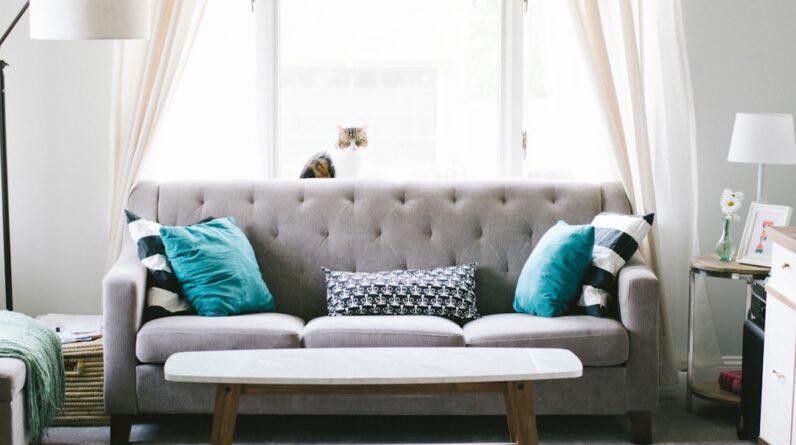
In the ever-evolving world of architecture and interior design, contemporary design concepts have emerged as a response to the pressing needs of modern living. You may find that these concepts not only reflect current aesthetic preferences but also address critical issues such as sustainability, functionality, and the well-being of inhabitants. As you delve into contemporary design, you will discover that it is characterized by clean lines, open spaces, and a harmonious blend of form and function.
This approach encourages you to think critically about how spaces can be designed to enhance your lifestyle while minimizing environmental impact. Contemporary design is not merely about aesthetics; it is a philosophy that embraces innovation and adaptability. You might notice that this design ethos often incorporates technology and modern materials, allowing for greater flexibility in how spaces are utilized.
As you explore these concepts, you will see how they can be applied to various settings, from residential homes to commercial spaces. The integration of contemporary design principles can lead to environments that are not only visually appealing but also conducive to a sustainable future.
Key Takeaways
- Contemporary design concepts focus on modern and innovative approaches to residential design.
- Sustainable materials and technologies play a crucial role in reducing the environmental impact of residential buildings.
- Passive design strategies aim to maximize natural resources such as sunlight and ventilation to reduce energy consumption.
- Integrating renewable energy sources such as solar panels and wind turbines can significantly reduce reliance on non-renewable energy.
- Emphasizing energy-efficient systems and appliances can lead to lower energy consumption and reduced utility costs for homeowners.
Incorporating Sustainable Materials and Technologies
As you embark on your journey into sustainable design, one of the first steps is to consider the materials you choose. Sustainable materials are those that are sourced responsibly, have a minimal environmental impact, and can be recycled or repurposed at the end of their life cycle. You may find that using reclaimed wood, bamboo, or recycled metal can significantly reduce your carbon footprint while adding unique character to your space.
By selecting materials that are both durable and eco-friendly, you contribute to a healthier planet and create a home that reflects your values. In addition to material selection, incorporating advanced technologies can further enhance sustainability in your designs. You might explore options such as smart home systems that optimize energy use or innovative insulation materials that improve thermal performance.
These technologies not only help you save on energy costs but also create a more comfortable living environment. As you integrate these elements into your design, you will find that they work synergistically to promote sustainability while enhancing the overall aesthetic appeal of your space.
Utilizing Passive Design Strategies

Passive design strategies are essential components of contemporary sustainable design, focusing on maximizing natural resources to create comfortable living environments without relying heavily on mechanical systems. You may find that by orienting your home to take advantage of sunlight, prevailing winds, and natural topography, you can significantly reduce energy consumption. For instance, strategically placed windows can allow for ample daylighting while minimizing heat loss during colder months.
This approach not only enhances your comfort but also reduces reliance on artificial lighting and heating. Moreover, passive design extends beyond mere orientation; it encompasses the use of thermal mass, insulation, and ventilation techniques. You might consider incorporating materials with high thermal mass, such as concrete or stone, which can absorb heat during the day and release it at night.
This natural temperature regulation can lead to a more stable indoor climate, reducing the need for heating and cooling systems. As you implement these strategies, you will discover how they contribute to a more sustainable lifestyle while creating a serene and inviting atmosphere in your home.
Integrating Renewable Energy Sources
As you continue to explore sustainable residential design, integrating renewable energy sources becomes a pivotal aspect of your approach. Solar panels are perhaps the most recognized form of renewable energy in residential settings. By harnessing the sun’s energy, you can significantly reduce your reliance on fossil fuels and lower your utility bills.
You may find that installing solar panels not only provides clean energy but also increases the value of your property. As technology advances, solar solutions have become more efficient and aesthetically pleasing, making them an attractive option for modern homes. In addition to solar energy, you might consider other renewable sources such as wind or geothermal energy.
Depending on your location and specific needs, small wind turbines or geothermal heat pumps can provide alternative solutions for heating and cooling your home. By diversifying your energy sources, you enhance your home’s resilience against fluctuating energy prices and contribute to a more sustainable future. As you integrate these renewable technologies into your design, you will be taking significant steps toward reducing your carbon footprint while enjoying the benefits of clean energy.
Emphasizing Energy-Efficient Systems and Appliances
Incorporating energy-efficient systems and appliances is another crucial element of contemporary sustainable design. As you evaluate your options, you will find that modern appliances are designed with energy conservation in mind. From refrigerators to washing machines, many products now carry Energy Star ratings, indicating their efficiency in consuming less electricity and water.
By choosing these appliances for your home, you not only reduce your environmental impact but also save money on utility bills over time. Beyond appliances, consider the efficiency of your heating, ventilation, and air conditioning (HVAC) systems. You might explore options such as programmable thermostats or high-efficiency furnaces that optimize energy use based on your lifestyle patterns.
Additionally, proper insulation and sealing can prevent air leaks, ensuring that your systems operate at peak efficiency. As you prioritize energy-efficient solutions in your design, you will create a more comfortable living environment while contributing to a sustainable future.
Promoting Indoor Air Quality and Natural Lighting

Ventilation and Natural Lighting for a Healthier Environment
Proper ventilation systems can help circulate fresh air while filtering out contaminants. Moreover, natural lighting is another critical component of promoting well-being in our living spaces. We can explore options such as skylights or large windows that allow ample sunlight to flood our interiors.
Nurturing Physical and Emotional Well-being
Not only does natural light enhance the aesthetic appeal of our homes, but it also has been shown to improve mood and productivity. By prioritizing both indoor air quality and natural lighting in our design approach, we create an environment that nurtures both physical health and emotional well-being.
Implementing Green Roof and Vertical Garden Concepts
As urbanization continues to rise, incorporating green roofs and vertical gardens into residential designs has become increasingly popular. These concepts not only enhance the aesthetic appeal of buildings but also provide numerous environmental benefits. You may find that green roofs help insulate your home while reducing stormwater runoff and improving biodiversity in urban areas.
By creating a living roof filled with native plants, you contribute to local ecosystems while enjoying the beauty of nature right outside your window. Vertical gardens offer similar benefits but are particularly suited for smaller spaces where traditional gardening may not be feasible. You might consider installing wall-mounted planters or trellises filled with climbing plants to create a lush green backdrop in your home.
These vertical gardens can improve air quality while providing a calming visual element in otherwise stark urban environments. As you implement these concepts into your design, you will be embracing innovative solutions that promote sustainability while enhancing the overall quality of life in your home.
Conclusion and Future Trends in Sustainable Residential Design
As you reflect on the principles of contemporary sustainable design discussed throughout this article, it becomes clear that the future of residential architecture lies in innovation and responsibility. The integration of sustainable materials, renewable energy sources, passive design strategies, and energy-efficient systems is not just a trend; it is a necessity for creating homes that are both functional and environmentally friendly. As technology continues to advance, you can expect even more exciting developments in sustainable design practices.
Looking ahead, trends such as biophilic design—where nature is integrated into built environments—are likely to gain traction as people increasingly seek connections with the natural world. You may also see advancements in smart home technologies that further enhance energy efficiency and comfort while promoting sustainability. As you embrace these trends in your own designs or living spaces, remember that every choice contributes to a larger movement toward a more sustainable future for generations to come.
By prioritizing these principles in contemporary residential design, you play an essential role in shaping a healthier planet for all.
FAQs
What are contemporary design concepts in residential buildings?
Contemporary design concepts in residential buildings refer to the use of modern and innovative architectural and interior design ideas that prioritize functionality, aesthetics, and sustainability.
How can contemporary design concepts be used to create sustainable residential buildings?
Contemporary design concepts can be used to create sustainable residential buildings by incorporating energy-efficient materials, utilizing passive design strategies, integrating renewable energy systems, and implementing green building practices such as rainwater harvesting and green roofs.
What are some examples of energy-efficient features in contemporary residential buildings?
Energy-efficient features in contemporary residential buildings may include high-performance insulation, energy-efficient windows and doors, LED lighting, smart home technology for energy management, and efficient heating, ventilation, and air conditioning (HVAC) systems.
How can contemporary design concepts contribute to reducing the environmental impact of residential buildings?
Contemporary design concepts can contribute to reducing the environmental impact of residential buildings by promoting the use of sustainable materials, minimizing energy consumption through efficient design and technology, and incorporating green spaces and landscaping to improve air quality and reduce urban heat island effect.
What are the benefits of using contemporary design concepts to create sustainable and energy-efficient residential buildings?
The benefits of using contemporary design concepts to create sustainable and energy-efficient residential buildings include lower energy costs for homeowners, reduced environmental impact, improved indoor air quality, and increased comfort and livability of the living spaces.