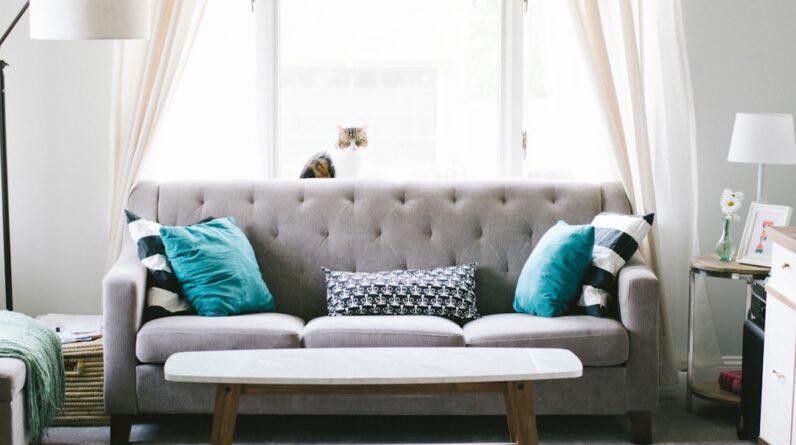
When you embark on the journey of decluttering and organizing your space, you are not just tidying up; you are creating a sanctuary that reflects your personality and lifestyle. The first step in this transformative process is to assess what you truly need and what can be let go. As you sift through your belongings, consider the purpose each item serves in your life.
Ask yourself whether it brings you joy or if it has simply become a fixture in your home. This introspective approach will help you make informed decisions about what to keep and what to discard. Once you have identified the items that deserve a place in your home, it’s time to organize them in a way that enhances functionality and aesthetics.
Group similar items together, and designate specific areas for each category. For instance, create a dedicated space for books, another for office supplies, and yet another for seasonal decorations. By establishing these zones, you not only streamline your daily routines but also cultivate a sense of order that can be visually pleasing.
Remember, the goal is to create an environment that feels open and inviting, allowing you to navigate your space with ease.
Key Takeaways
- Decluttering and organizing your space is essential for creating a minimalist and functional environment.
- Choosing multi-functional furniture helps maximize space and reduces clutter in your home.
- Embracing minimalist decor creates a clean and serene atmosphere in your living space.
- Utilizing storage solutions such as shelves, baskets, and hidden storage helps keep your space organized and clutter-free.
- Incorporating neutral color palettes creates a calming and cohesive look in your home.
Choosing Multi-functional Furniture
In a world where space is often at a premium, choosing multi-functional furniture can be a game-changer for your home. These versatile pieces serve more than one purpose, allowing you to maximize your living area without sacrificing style or comfort. For example, consider investing in a sofa bed that can transform your living room into a guest room when needed.
This not only saves space but also provides flexibility for entertaining friends and family. Another excellent option is a coffee table with built-in storage. This clever design allows you to keep magazines, remote controls, and other essentials neatly tucked away while still providing a functional surface for drinks and snacks.
When selecting multi-functional furniture, prioritize quality and aesthetics to ensure that these pieces enhance your overall decor. By incorporating such items into your home, you create a dynamic environment that adapts to your needs while maintaining a cohesive look.
Embracing Minimalist Decor
Embracing minimalist decor is about more than just aesthetics; it’s a lifestyle choice that promotes simplicity and clarity in your surroundings. When you adopt this approach, you focus on the essentials, stripping away the excess that can often lead to feelings of overwhelm. Start by selecting a few key pieces that resonate with you—these could be art, furniture, or decorative items that hold personal significance.
By curating your decor in this way, you create a space that feels intentional and meaningful. In addition to choosing fewer items, consider the impact of negative space in your design. Allowing areas of your home to breathe can enhance the overall ambiance and make your space feel larger and more open.
This doesn’t mean your home has to feel stark or cold; rather, it invites a sense of calm and tranquility. By embracing minimalist decor, you cultivate an environment that encourages mindfulness and appreciation for the beauty of simplicity.
Utilizing Storage Solutions
Effective storage solutions are essential for maintaining an organized and clutter-free home. As you navigate the process of decluttering, think creatively about how to store your belongings in a way that is both functional and visually appealing. For instance, consider using decorative baskets or bins to corral smaller items like toys or craft supplies.
These containers not only keep things tidy but also add an element of style to your decor. Vertical storage is another powerful tool in your organizing arsenal. Shelving units can help you make the most of wall space while displaying books, plants, or cherished mementos.
Floating shelves are particularly effective in smaller rooms, as they draw the eye upward and create an illusion of height. By utilizing various storage solutions throughout your home, you can ensure that everything has its place while maintaining an inviting atmosphere.
Incorporating Neutral Color Palettes
Incorporating neutral color palettes into your home can create a serene backdrop that enhances the overall aesthetic of your space. Neutral tones such as whites, grays, beiges, and soft earth tones provide versatility and allow for easy coordination with other colors and textures. When you choose a neutral palette, you create a canvas that can adapt to changing trends or personal preferences without requiring a complete overhaul.
Moreover, neutral colors have the remarkable ability to make spaces feel larger and more open. They reflect light beautifully, which can brighten even the smallest of rooms. To add depth and interest to your neutral palette, consider layering different shades and textures.
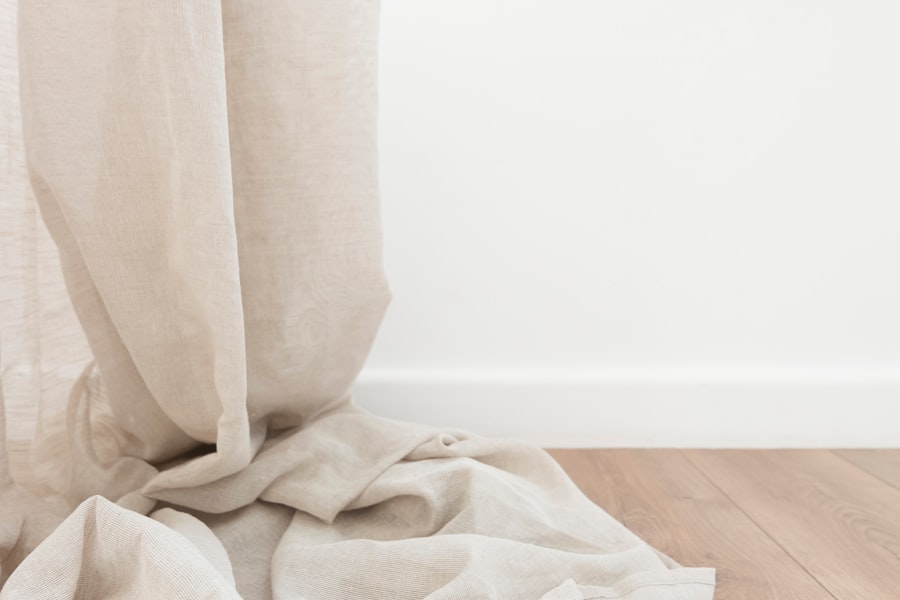
For example, combine soft linen curtains with a plush wool rug in varying shades of beige or gray. This approach not only maintains the calming effect of neutrals but also adds warmth and character to your home.
Implementing Clean Lines and Simple Shapes

Implementing clean lines and simple shapes in your decor can significantly contribute to a modern and uncluttered aesthetic. When selecting furniture and accessories, look for pieces that feature geometric forms and straightforward designs. This minimalist approach helps create visual harmony within your space, allowing each element to stand out without competing for attention.
In addition to furniture, consider how architectural elements can enhance this clean-lined aesthetic. For instance, opting for sleek cabinetry or streamlined light fixtures can elevate the overall design of your home. By focusing on simplicity in both form and function, you cultivate an environment that feels sophisticated yet approachable—one that invites relaxation and encourages connection.
Limiting Decorative Accents
While decorative accents can add personality to your home, it’s essential to strike a balance between embellishment and simplicity. Limiting these accents allows the key features of your space to shine without becoming overwhelmed by clutter. When choosing decorative items, opt for those that resonate with you personally or serve a specific purpose within the room.
Consider displaying just a few carefully curated pieces on shelves or tabletops rather than overcrowding surfaces with knick-knacks. A single statement vase or an eye-catching piece of art can serve as a focal point while maintaining an uncluttered look. By being intentional about the decorative accents you choose to incorporate into your home, you create an environment that feels cohesive and thoughtfully designed.
Regular Maintenance and Upkeep
Regular maintenance and upkeep are crucial components of sustaining an organized and aesthetically pleasing home. Once you have decluttered and established systems for organization, it’s important to commit to ongoing maintenance to prevent clutter from creeping back in. Set aside time each week or month to reassess your belongings and tidy up any areas that may have become disorganized.
Incorporating small daily habits can also make a significant difference in maintaining order within your home. For instance, develop a routine of putting items back in their designated places after use or setting aside time each evening to tidy up common areas. By making these practices part of your daily life, you cultivate an environment that remains inviting and serene—a true reflection of your personal style and values.
In conclusion, creating a harmonious living space involves thoughtful consideration of various elements such as decluttering, furniture selection, decor choices, color palettes, and maintenance routines. By embracing these principles, you can transform your home into a sanctuary that not only looks beautiful but also supports your lifestyle and well-being.
FAQs
What are some tips for maintaining a clutter-free and minimalist look in a contemporary home?
Some tips for maintaining a clutter-free and minimalist look in a contemporary home include decluttering regularly, investing in multi-functional furniture, utilizing storage solutions, and incorporating a neutral color palette.
How can I declutter my home to achieve a minimalist look?
To declutter your home and achieve a minimalist look, start by sorting through your belongings and getting rid of items that you no longer need or use. Consider donating or selling items that are in good condition and organizing the remaining items in a thoughtful and intentional way.
What are some examples of multi-functional furniture for a contemporary home?
Examples of multi-functional furniture for a contemporary home include sofa beds, storage ottomans, nesting tables, and wall-mounted desks. These pieces of furniture can help maximize space and reduce clutter in a home.
How can I incorporate a neutral color palette in my contemporary home?
To incorporate a neutral color palette in a contemporary home, consider using shades of white, beige, gray, and black for the walls, furniture, and decor. Neutral colors can create a clean and cohesive look, and they can also help make a space feel more open and airy.
What are some storage solutions for maintaining a clutter-free home?
Some storage solutions for maintaining a clutter-free home include built-in shelving, floating shelves, storage baskets, and hidden storage compartments. These solutions can help keep items organized and out of sight, contributing to a minimalist look in a contemporary home.