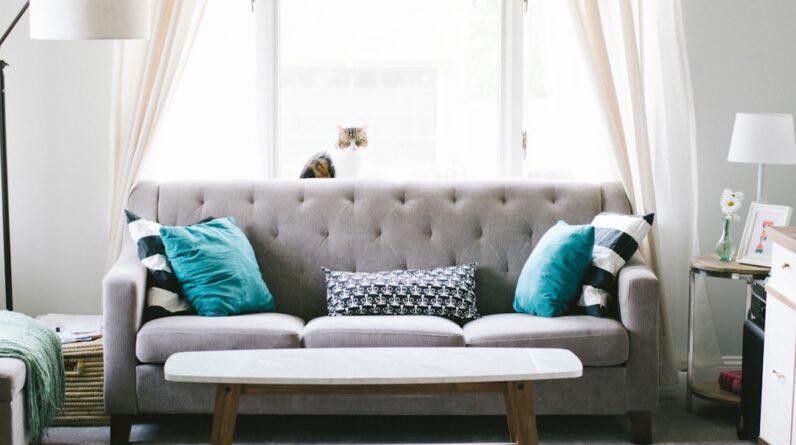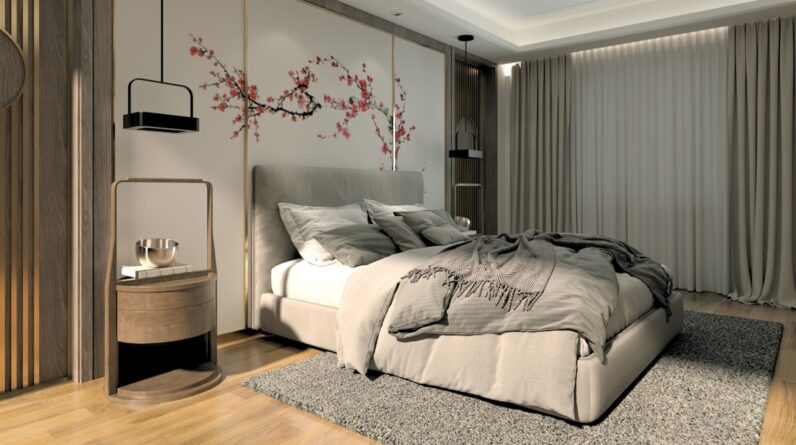
When you think about senior living homes, the first thing that might come to mind is functionality. However, the importance of interior design in these spaces goes far beyond mere practicality. Thoughtful design can significantly enhance the quality of life for seniors, creating environments that are not only safe but also inviting and stimulating.
As you age, your surroundings can have a profound impact on your mood, health, and overall well-being. A well-designed space can foster independence, encourage social interaction, and promote a sense of belonging among residents. Moreover, the aesthetic appeal of a senior living home can influence how residents perceive their environment.
A beautifully designed space can evoke feelings of comfort and joy, making it easier for seniors to adapt to their new living arrangements. By incorporating elements that reflect the tastes and preferences of older adults, interior designers can create a sense of home that resonates with residents. This is particularly important in a time when many seniors may be transitioning from long-term residences to assisted living facilities, as a familiar and aesthetically pleasing environment can ease this transition.
Key Takeaways
- Interior design plays a crucial role in enhancing the quality of life for seniors in living homes.
- Chandler AZ interior designers are skilled in meeting the specific needs and preferences of seniors, creating spaces that promote comfort and well-being.
- Safe and accessible design features are essential for senior living homes to ensure the safety and mobility of residents.
- Comfort and functionality are key considerations in senior living home design, with a focus on creating spaces that are easy to navigate and use.
- Lighting and color choices can significantly impact the well-being of seniors, with thoughtful design choices contributing to a positive living environment.
How Chandler AZ Interior Designers Cater to the Needs of Seniors
In Chandler, Arizona, interior designers are increasingly recognizing the unique needs of seniors and tailoring their designs accordingly. They understand that seniors often face physical limitations that require thoughtful consideration in design choices. For instance, designers may prioritize open floor plans that allow for easy navigation and movement, minimizing the risk of falls or accidents.
Additionally, they often select furniture that is not only stylish but also ergonomically designed to provide comfort and support. Chandler’s interior designers also pay close attention to the emotional needs of seniors. They strive to create spaces that foster community and connection among residents.
By incorporating communal areas such as lounges, gardens, and activity rooms, designers encourage social interaction and engagement. This focus on community is essential for combating feelings of isolation that many seniors may experience in a new living environment. By understanding both the physical and emotional needs of seniors, Chandler’s interior designers are able to create spaces that truly enhance the quality of life for their residents.
Creating Safe and Accessible Spaces for Seniors
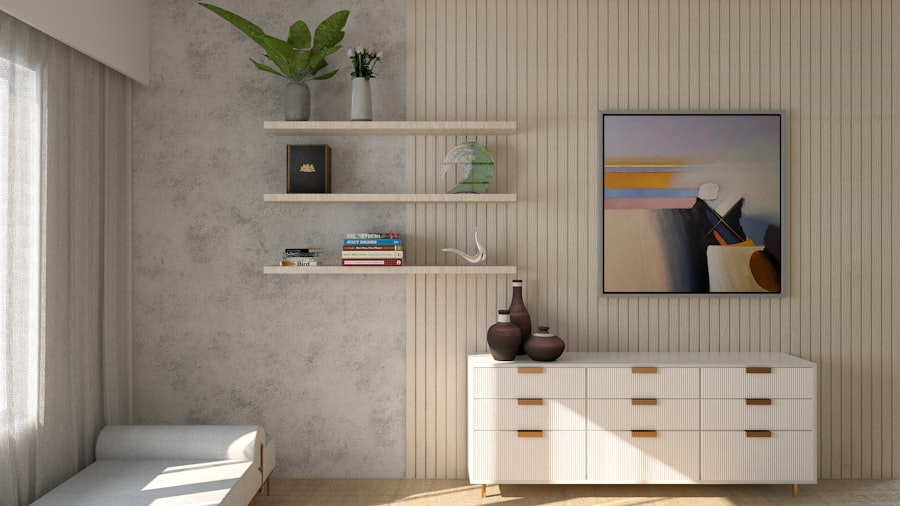
Safety is paramount when designing spaces for seniors. As you age, mobility can become a challenge, making it essential for interior designers to create environments that are both safe and accessible. This includes features such as non-slip flooring, grab bars in bathrooms, and wide doorways that accommodate walkers or wheelchairs.
Designers often conduct thorough assessments of the needs of residents to ensure that every aspect of the space promotes safety and ease of movement. Accessibility also extends beyond physical features; it encompasses the overall layout of the space. Designers often prioritize intuitive navigation by minimizing obstacles and ensuring clear pathways throughout the home.
This thoughtful approach not only enhances safety but also empowers seniors to maintain their independence. When you feel confident in your surroundings, you are more likely to engage in daily activities and social interactions, which are vital for maintaining a healthy lifestyle.
Incorporating Comfort and Functionality in Senior Living Home Design
Comfort is a crucial element in the design of senior living homes. As you age, your body may require additional support, making it essential for designers to select furniture that prioritizes comfort without sacrificing style. Soft seating options, adjustable beds, and cozy textiles can create an inviting atmosphere that encourages relaxation and socialization.
Designers often choose materials that are not only comfortable but also easy to maintain, ensuring that the space remains welcoming for years to come. Functionality is equally important in senior living home design. Designers must strike a balance between aesthetics and practicality, ensuring that every element serves a purpose while contributing to the overall ambiance of the space.
For example, multi-functional furniture pieces can maximize space while providing essential features such as storage or additional seating. By carefully considering both comfort and functionality, designers can create environments that cater to the diverse needs of seniors while enhancing their overall quality of life.
The Role of Lighting and Color in Enhancing the Well-being of Seniors
Lighting plays a pivotal role in interior design, particularly in senior living homes where natural light can significantly impact mood and well-being. Designers often prioritize large windows and open layouts that allow ample sunlight to flood the space. Natural light not only brightens up a room but also helps regulate circadian rhythms, which can improve sleep quality for seniors.
Additionally, adjustable lighting options can provide flexibility for different activities throughout the day, from reading to socializing. Color selection is another critical aspect of enhancing well-being in senior living spaces. Warm, inviting colors can create a sense of comfort and tranquility, while brighter hues can stimulate energy and creativity.
Designers often consider color psychology when selecting palettes for different areas within the home. For instance, calming blues and greens may be used in bedrooms to promote relaxation, while vibrant yellows or oranges might be incorporated into communal spaces to encourage social interaction and engagement.
Designing Social and Community Spaces for Seniors
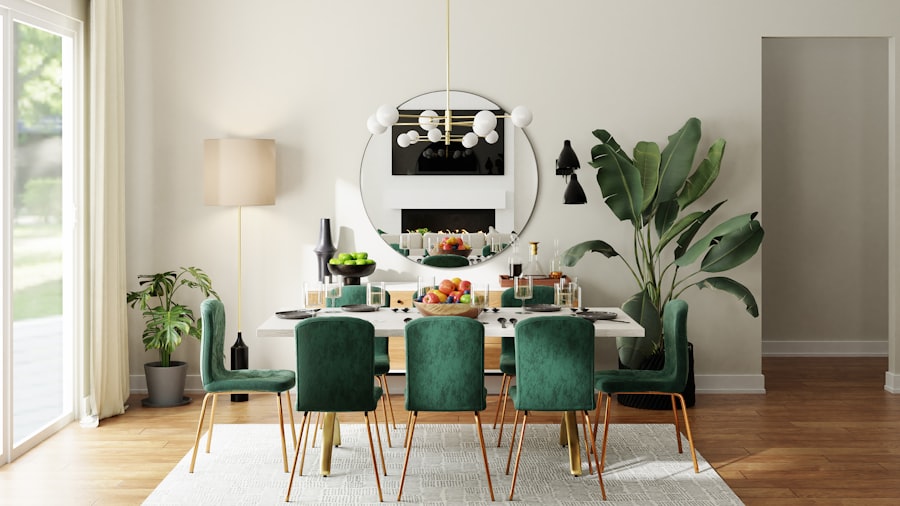
Social interaction is vital for maintaining mental health and emotional well-being as you age. Therefore, designing communal spaces within senior living homes is essential for fostering connections among residents. Interior designers often create inviting lounges, dining areas, and activity rooms that encourage residents to gather and engage with one another.
These spaces are typically designed with comfortable seating arrangements that facilitate conversation and interaction. In addition to traditional communal areas, outdoor spaces such as gardens or patios can provide residents with opportunities for relaxation and socialization in a natural setting. Incorporating elements like walking paths, seating areas, and raised garden beds can encourage residents to spend time outdoors while promoting physical activity.
By thoughtfully designing these social spaces, interior designers play a crucial role in enhancing the sense of community within senior living homes.
Incorporating Memory Care and Dementia-Friendly Design Principles
As you consider the needs of seniors with memory impairments or dementia, it becomes clear that specialized design principles are necessary to create supportive environments. Memory care facilities require unique considerations to ensure safety while promoting independence. Interior designers often incorporate visual cues such as color-coded hallways or distinct signage to help residents navigate their surroundings more easily.
Additionally, creating familiar environments can be beneficial for individuals with dementia. Designers may incorporate elements from residents’ pasts—such as vintage photographs or memorabilia—to evoke positive memories and provide comfort. Sensory elements like textured walls or soothing sounds can also enhance the experience for those with cognitive challenges.
By integrating memory care principles into their designs, interior designers can create spaces that support both safety and emotional well-being for seniors facing memory-related issues.
Utilizing Technology and Innovation in Senior Living Home Design
In today’s digital age, technology plays an increasingly important role in senior living home design. Interior designers are now incorporating innovative solutions that enhance safety, convenience, and connectivity for residents. Smart home technology—such as automated lighting systems or voice-activated devices—can empower seniors to control their environment with ease while promoting independence.
Moreover, technology can facilitate communication among residents and their families. Designers may integrate video conferencing tools or digital messaging boards into communal areas to keep residents connected with loved ones. By embracing technology in their designs, interior designers not only improve functionality but also enhance the overall quality of life for seniors living in these homes.
Balancing Aesthetics and Practicality in Senior Living Home Interiors
Striking a balance between aesthetics and practicality is one of the most significant challenges faced by interior designers working on senior living homes. While it’s essential to create visually appealing spaces that resonate with residents’ tastes, functionality must remain at the forefront of every design decision. This means selecting materials that are durable yet stylish, ensuring that furniture is both comfortable and easy to use.
Designers often employ creative solutions to achieve this balance—such as choosing slipcovers for furniture that can be easily cleaned or selecting flooring materials that are both attractive and low-maintenance. By prioritizing both aesthetics and practicality, interior designers can create environments that not only look beautiful but also serve the diverse needs of seniors effectively.
Collaborating with Senior Living Home Staff and Administrators
Collaboration is key when it comes to designing effective senior living spaces. Interior designers must work closely with staff members and administrators to understand the specific needs of residents and ensure that their designs align with operational goals. This collaboration allows designers to gain insights into daily routines, challenges faced by staff, and preferences expressed by residents.
By fostering open communication between all parties involved in the design process, interior designers can create spaces that truly enhance the quality of life for seniors while supporting staff efficiency. This collaborative approach ensures that every aspect of the design serves a purpose—whether it’s promoting safety or encouraging social interaction—ultimately leading to a more harmonious living environment.
The Impact of Well-Designed Interiors on the Quality of Life for Seniors
The impact of well-designed interiors on the quality of life for seniors cannot be overstated. Thoughtful design choices can significantly influence mood, health, and overall well-being as you age. When you live in an environment that feels safe, comfortable, and inviting, you are more likely to engage in social activities, maintain independence, and enjoy a higher quality of life.
Moreover, well-designed interiors can promote mental stimulation through engaging aesthetics and functional layouts that encourage exploration and interaction. As you navigate your surroundings with ease and confidence, you are empowered to embrace new experiences—whether it’s participating in group activities or simply enjoying quiet moments in your personal space. Ultimately, investing in thoughtful interior design for senior living homes is an investment in the well-being and happiness of residents—a commitment to creating environments where they can thrive as they age gracefully.
FAQs
What services does a Chandler, AZ interior designer for senior living homes offer?
An interior designer for senior living homes in Chandler, AZ offers a range of services including space planning, furniture selection, color coordination, lighting design, and overall aesthetic enhancement to create a comfortable and functional living environment for seniors.
Why is it important to hire an interior designer for senior living homes in Chandler, AZ?
Hiring an interior designer for senior living homes in Chandler, AZ is important because they have the expertise to create spaces that are not only aesthetically pleasing but also safe, comfortable, and functional for seniors. They understand the unique needs and challenges of senior living and can create environments that promote independence and well-being.
How does an interior designer for senior living homes in Chandler, AZ cater to the specific needs of seniors?
An interior designer for senior living homes in Chandler, AZ caters to the specific needs of seniors by incorporating features such as non-slip flooring, grab bars, easy-to-reach storage, comfortable seating, and adequate lighting. They also consider factors such as mobility, accessibility, and cognitive function when designing the space.
What qualifications should I look for when hiring an interior designer for senior living homes in Chandler, AZ?
When hiring an interior designer for senior living homes in Chandler, AZ, look for qualifications such as relevant education and training in interior design, experience working with senior living communities, knowledge of universal design principles, and a portfolio that demonstrates an understanding of senior-friendly design.
How can I find a reputable interior designer for senior living homes in Chandler, AZ?
To find a reputable interior designer for senior living homes in Chandler, AZ, consider asking for recommendations from senior living communities, conducting online research to read reviews and view portfolios, and scheduling consultations with potential designers to discuss their approach to senior-friendly design.