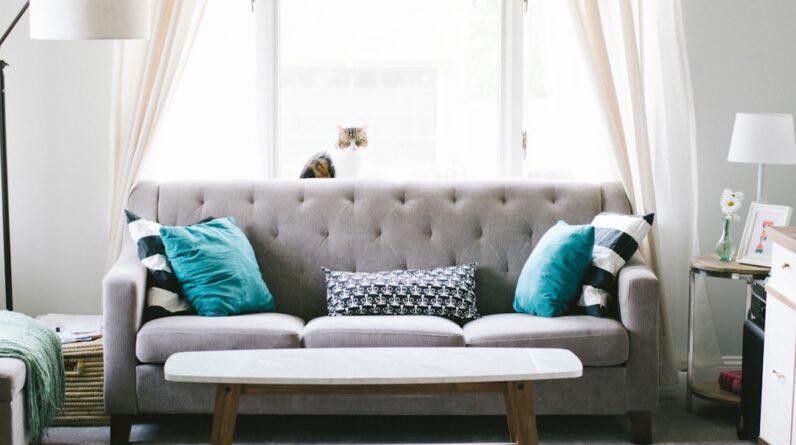
Contemporary design is a dynamic and ever-evolving style that reflects the current trends and cultural influences of the time. It is characterized by clean lines, minimalism, and a focus on functionality. As you delve into this design philosophy, you will find that it emphasizes simplicity and the use of modern materials, often incorporating elements like glass, metal, and concrete.
This approach allows for open spaces that feel airy and inviting, making it an ideal choice for those who appreciate a clutter-free environment. By embracing contemporary design, you can create spaces that not only look aesthetically pleasing but also serve practical purposes. Moreover, contemporary design is not confined to a single aesthetic; it often borrows from various styles, including mid-century modern, industrial, and even traditional elements.
This eclectic nature allows you to personalize your space while still adhering to the principles of contemporary design. You might find that blending different textures and materials can add depth and interest to your interiors. As you explore this concept further, consider how contemporary design can be a reflection of your personality and lifestyle, creating a harmonious balance between form and function.
Key Takeaways
- Contemporary design emphasizes clean lines and minimalism
- Natural light creates a bright and airy daytime atmosphere
- Artificial lighting adds warmth and intimacy for nighttime ambiance
- Versatile furniture and decor elements allow for easy transition between day and night
- A neutral color palette creates a timeless and elegant look
Utilizing Natural Light to Create a Daytime Atmosphere
Maximizing Natural Light
As you design your space, think about how you can maximize natural light to create a sense of openness and tranquility. In addition to large windows, consider incorporating skylights or light tubes to further enhance the flow of natural light throughout your home. These features can illuminate darker areas, making them feel more spacious and welcoming.
Designing for Daylight
You might also want to choose sheer window treatments that allow light to filter in while still providing privacy. This approach enables you to harness the power of natural light, creating a vibrant daytime atmosphere that energizes your space and uplifts your mood.
Blurring the Lines Between Indoors and Outdoors
Large windows or glass doors not only provide stunning views of the outdoors but also help to blur the lines between indoor and outdoor living. By doing so, you can create a seamless transition between your interior space and the natural environment, further enhancing the sense of openness and connection to nature.
Incorporating Artificial Lighting for a Nighttime Ambiance

As the sun sets, the atmosphere in your home transforms, and artificial lighting becomes essential in creating a cozy and inviting environment. Layering different types of lighting—ambient, task, and accent—can help you achieve the perfect nighttime ambiance. Ambient lighting provides overall illumination, while task lighting focuses on specific areas where activities take place, such as reading or cooking.
Accent lighting adds drama and highlights architectural features or artwork, creating visual interest in your space. When selecting fixtures for your home, consider using dimmable options that allow you to adjust the brightness according to your needs. This flexibility enables you to create a warm glow for intimate gatherings or brighter lighting for more active evenings.
You might also explore unique light fixtures that serve as statement pieces, adding character to your decor while fulfilling their functional purpose. By thoughtfully incorporating artificial lighting into your design, you can ensure that your home remains inviting and comfortable long after the sun goes down.
Choosing Versatile Furniture and Decor Elements
In contemporary design, versatility is key when it comes to selecting furniture and decor elements. You want pieces that not only look good but also serve multiple functions. For instance, consider investing in a sofa bed or an extendable dining table that can accommodate both small family dinners and larger gatherings.
This adaptability allows you to maximize your space without sacrificing style or comfort. Additionally, modular furniture can be an excellent choice for contemporary interiors. These pieces can be rearranged or reconfigured to suit your changing needs, making them perfect for those who enjoy hosting guests or frequently rearranging their living spaces.
When choosing decor elements, opt for items that complement your overall aesthetic while also being functional. For example, decorative storage solutions can help keep your space organized while adding visual appeal. By prioritizing versatility in your furniture and decor choices, you can create a space that evolves with you over time.
Selecting a Neutral Color Palette for Timeless Appeal
A neutral color palette is a hallmark of contemporary design, offering a timeless appeal that transcends trends. By choosing shades like whites, grays, beiges, and soft earth tones, you create a serene backdrop that allows other design elements to shine. This approach not only enhances the sense of space but also provides a versatile canvas for incorporating pops of color through accessories or artwork.
When working with a neutral palette, consider layering different shades and textures to add depth and interest to your interiors. For instance, pairing a soft gray sofa with cream-colored pillows and a textured throw can create a cozy yet sophisticated look. You might also experiment with various materials—such as wood, metal, and fabric—to create contrast within your neutral scheme.
By embracing a neutral color palette, you can achieve a sophisticated aesthetic that remains relevant for years to come.
Incorporating Technology for Flexible Lighting Control

Convenience and Flexibility
In today’s fast-paced world, technology plays an increasingly important role in contemporary design. Smart home systems allow you to control lighting with ease, providing flexibility in how you illuminate your space throughout the day and night. Imagine being able to adjust the brightness or color temperature of your lights with just a tap on your smartphone or through voice commands.
Creating the Perfect Atmosphere
This level of control not only enhances convenience but also allows you to create the perfect atmosphere for any occasion. Consider investing in smart bulbs or lighting systems that can be programmed to change according to your daily routine. For example, you might set your lights to gradually brighten in the morning to mimic natural sunlight or dim in the evening for a relaxing ambiance.
Energy Efficiency and Functionality
Additionally, integrating smart technology into your home can improve energy efficiency by allowing you to monitor usage and make adjustments as needed. By incorporating technology into your lighting design, you can enjoy greater flexibility while enhancing the overall functionality of your space.
Creating a Smooth Transition Between Day and Night
One of the key aspects of contemporary design is creating seamless transitions between different times of day. This involves not only utilizing natural and artificial lighting effectively but also considering how your space functions throughout the day. As you design your interiors, think about how each area will be used during both daytime and nighttime hours.
For instance, consider how furniture placement can facilitate easy movement from one area to another as the light changes. You might choose lightweight pieces that can be easily rearranged or incorporate multifunctional elements that serve different purposes at various times of day. Additionally, using adjustable window treatments can help control light levels while maintaining privacy as day turns into night.
By focusing on these transitions, you can create a cohesive flow throughout your home that enhances both its functionality and aesthetic appeal.
Incorporating Outdoor Spaces for Seamless Day to Night Transitions
Finally, don’t overlook the importance of outdoor spaces in achieving seamless transitions between day and night in contemporary design. Outdoor areas can serve as extensions of your indoor living spaces, providing additional opportunities for relaxation and entertainment. By designing these areas with comfortable seating, ambient lighting, and thoughtful landscaping, you can create inviting environments that are enjoyable at any time of day.
Consider incorporating features like fire pits or outdoor heaters for cooler evenings, allowing you to extend your time outdoors well into the night. Additionally, using outdoor lighting strategically can enhance safety while also creating an enchanting atmosphere as darkness falls. String lights or lanterns can add warmth and charm to your outdoor spaces, making them perfect for gatherings with friends or quiet evenings spent stargazing.
By thoughtfully integrating outdoor areas into your overall design scheme, you can create harmonious transitions between day and night that elevate your living experience. In conclusion, contemporary design offers endless possibilities for creating spaces that are both functional and aesthetically pleasing. By understanding its principles and incorporating elements like natural light, versatile furniture, neutral color palettes, technology for lighting control, smooth transitions between day and night, and outdoor spaces, you can craft an environment that reflects your personal style while remaining timelessly relevant.
Embrace these concepts as you embark on your design journey, allowing them to inspire creativity and innovation in every corner of your home.
FAQs
What is contemporary design?
Contemporary design refers to the style of the present moment, incorporating current trends and influences. It often features clean lines, minimalism, and a focus on open spaces and natural light.
How can I create a contemporary design that transitions between day and night atmospheres?
To create a contemporary design that seamlessly transitions between day and night atmospheres, consider using a neutral color palette, incorporating flexible lighting options, and utilizing versatile furniture and decor that can adapt to different lighting conditions.
What are some key elements of contemporary design?
Key elements of contemporary design include clean lines, open spaces, minimalism, and a focus on natural light. It often incorporates a mix of materials such as glass, metal, and wood to create a sleek and modern look.
How can lighting be used to create a seamless transition between day and night atmospheres in contemporary design?
In contemporary design, lighting plays a crucial role in creating a seamless transition between day and night atmospheres. Utilize a combination of natural light, ambient lighting, and task lighting to create different moods throughout the day and evening. Consider incorporating dimmable lights and smart lighting systems for added flexibility.
What role does furniture and decor play in creating a contemporary design that transitions between day and night atmospheres?
In contemporary design, furniture and decor should be versatile and adaptable to different lighting conditions. Choose pieces that can easily transition from a bright, airy daytime atmosphere to a cozy, intimate evening ambiance. Consider using materials and textures that can reflect or absorb light, and opt for furniture with clean lines and a modern aesthetic.