In contemporary design, the relationship between art and sculpture is both intricate and dynamic. You may find that art serves as a powerful medium through which designers can express their vision, while sculpture often embodies that vision in three-dimensional form. This interplay allows for a rich dialogue between the two, where art can inform the design process and sculpture can enhance the aesthetic appeal of a space.
As you explore this relationship, you will notice how contemporary designers increasingly incorporate sculptural elements into their work, blurring the lines between functional design and artistic expression. Moreover, the integration of art and sculpture in contemporary design reflects broader cultural trends and societal values. You might observe that as communities evolve, so too does their artistic expression, leading to innovative designs that resonate with the public.
This evolution is not merely about aesthetics; it also encompasses the emotional and intellectual engagement of the viewer. By understanding this relationship, you can appreciate how contemporary design transcends traditional boundaries, creating spaces that are not only visually striking but also deeply meaningful.
Key Takeaways
- Art and sculpture play a crucial role in contemporary design, adding depth and dimension to spaces.
- They contribute to creating a sense of place and identity, reflecting the culture and values of the community or organization.
- Art and sculpture can serve a dual purpose, not only as decorative elements but also as functional pieces, such as seating or lighting.
- They have the power to evoke emotions and tell stories, adding a layer of meaning and depth to the space.
- The integration of art and sculpture has a significant impact on the overall aesthetic and atmosphere of a space, enhancing the user experience and interaction.
The Role of Art and Sculpture in Creating a Sense of Place and Identity in a Space
Art and sculpture play a pivotal role in establishing a sense of place and identity within a space. When you enter an environment adorned with thoughtfully chosen artworks or sculptures, you are often met with an immediate sense of belonging or recognition. These elements can evoke local culture, history, or even the natural landscape, grounding the space in its geographical context.
For instance, public art installations can reflect the unique characteristics of a community, fostering pride and connection among its residents. Additionally, art and sculpture can serve as landmarks or focal points within a space, guiding movement and interaction. You may find that these artistic elements not only beautify an area but also create a narrative that invites exploration.
By engaging with these works, you are encouraged to reflect on your surroundings and consider your place within them. This interaction fosters a deeper connection to the environment, enhancing your overall experience and reinforcing the identity of the space.
Incorporating Art and Sculpture as Functional Elements in Contemporary Design
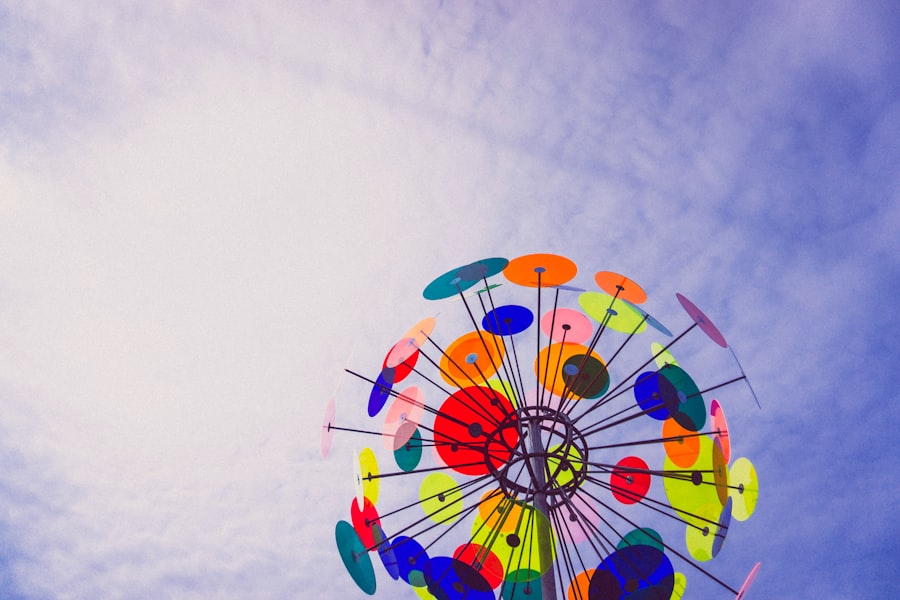
In contemporary design, art and sculpture are increasingly being recognized as functional elements rather than mere decorative accents. You might be surprised to discover how designers are creatively integrating these artistic components into everyday objects and spaces. For example, sculptural furniture pieces can serve dual purposes, providing both aesthetic appeal and practical functionality.
This innovative approach challenges traditional notions of design, inviting you to reconsider how art can enhance your daily life. Furthermore, the incorporation of art and sculpture into functional design can lead to unique solutions for spatial challenges. You may encounter installations that not only beautify a space but also improve acoustics or optimize flow.
By merging artistry with utility, designers are crafting environments that are not only visually captivating but also highly functional. This trend reflects a growing understanding that art can enrich our experiences in profound ways, transforming ordinary spaces into extraordinary ones.
Exploring the Use of Art and Sculpture to Evoke Emotions and Tell Stories in a Space
Art and sculpture possess an innate ability to evoke emotions and tell stories, making them powerful tools in contemporary design. When you encounter a well-placed sculpture or artwork, it often resonates on a personal level, stirring feelings of nostalgia, joy, or contemplation. Designers harness this emotional potential by selecting pieces that align with the intended atmosphere of a space.
For instance, a serene sculpture may create a calming environment in a healthcare facility, while vibrant artwork might energize a creative workspace. Moreover, storytelling through art and sculpture can enhance the narrative of a space. You may find that certain installations are designed to convey specific themes or messages, inviting you to engage with the story being told.
This narrative quality not only enriches your experience but also fosters a deeper connection to the environment. By exploring these emotional layers, you can appreciate how art and sculpture contribute to the overall meaning of a space, transforming it into a canvas for shared experiences.
The Impact of Art and Sculpture on the Overall Aesthetic and Atmosphere of a Space
The impact of art and sculpture on the overall aesthetic and atmosphere of a space cannot be overstated. As you navigate through various environments, you will likely notice how these artistic elements influence your perception and mood. A well-placed sculpture can serve as a striking focal point, drawing your attention and shaping your experience within the space.
The interplay of light, texture, and form in these artworks can create dynamic visual narratives that enhance the overall aesthetic appeal. In addition to their visual impact, art and sculpture also contribute to the atmosphere of a space by setting the tone for interaction and engagement. You may find that certain artworks invite contemplation and reflection, while others encourage social interaction or playfulness.
This ability to shape atmosphere is particularly important in public spaces where diverse audiences converge. By thoughtfully integrating art and sculpture into design, you can create environments that resonate with individuals on multiple levels, fostering connections among people and their surroundings.
Integrating Art and Sculpture to Enhance the User Experience and Interaction in a Space

The Power of Interactive Art
For instance, interactive sculptures may invite you to touch or manipulate them, creating a sense of playfulness that fosters connection with both the artwork and fellow visitors. This interactive quality transforms passive observation into active participation, enriching your overall experience.
Fostering Social Interaction
Moreover, art and sculpture can serve as catalysts for social interaction among users. You might notice that communal spaces adorned with engaging artworks often become gathering points for conversation and connection.
Designing for Community Engagement
By creating environments that encourage interaction through art, designers are fostering community engagement and collaboration. This emphasis on user experience highlights the importance of considering how art can facilitate connections among individuals while enhancing their enjoyment of the space.
Balancing Art and Sculpture with Other Design Elements to Create a Cohesive and Harmonious Space
Achieving balance between art, sculpture, and other design elements is crucial for creating cohesive and harmonious spaces. As you delve into contemporary design practices, you will discover that successful integration requires careful consideration of scale, color, texture, and form. When art is harmoniously blended with architectural features or furnishings, it enhances rather than competes with its surroundings.
This balance allows each element to shine while contributing to an overall unified aesthetic. Furthermore, thoughtful placement of art and sculpture can guide movement within a space, creating visual pathways that enhance flow. You may find that strategically positioned artworks draw your eye toward key areas or encourage exploration throughout the environment.
By considering how each element interacts with one another, designers can create spaces that feel intentional and cohesive. This attention to detail ensures that art serves its purpose without overwhelming or detracting from other design components.
The Future of Art and Sculpture Integration in Contemporary Design and Its Influence on the Built Environment
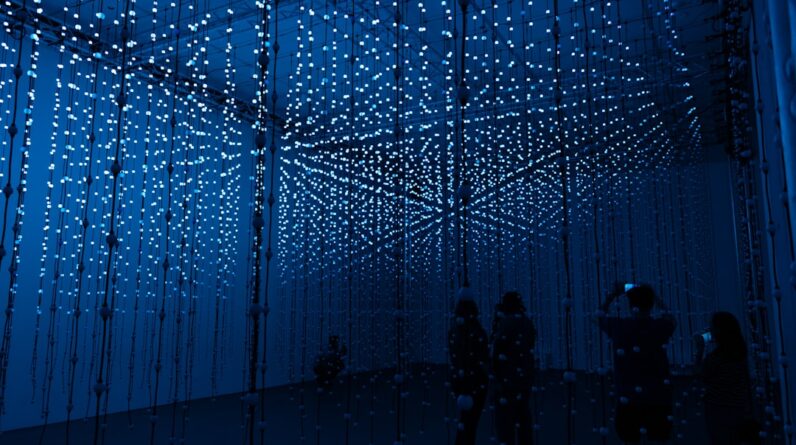
As you look toward the future of contemporary design, it becomes evident that the integration of art and sculpture will continue to evolve alongside technological advancements and changing societal values. You may anticipate seeing more innovative approaches to incorporating artistic elements into built environments as designers experiment with new materials, techniques, and interactive technologies. This evolution will likely lead to even more immersive experiences that challenge traditional boundaries between art and architecture.
Moreover, as communities increasingly prioritize sustainability and social responsibility, you might observe a growing emphasis on public art initiatives that engage local artists and reflect community identities. This trend not only enriches public spaces but also fosters collaboration between artists, designers, and residents. By embracing this collaborative spirit, contemporary design will continue to shape environments that are not only visually stunning but also deeply connected to their cultural context.
In conclusion, understanding the relationship between art and sculpture in contemporary design reveals their profound impact on creating meaningful spaces. As you explore this dynamic interplay further, consider how these artistic elements enhance user experience, evoke emotions, tell stories, and contribute to overall aesthetics. The future promises exciting possibilities for integrating art into our built environments—an evolution that will undoubtedly enrich our experiences for generations to come.
FAQs
What is contemporary design?
Contemporary design refers to the current trends and styles in interior and architectural design, which often emphasize clean lines, minimalism, and the use of modern materials and technology.
How does contemporary design integrate art and sculpture into spaces?
Contemporary design approaches the integration of art and sculpture by using them as integral parts of the space, rather than as mere decorative elements. This can involve incorporating art and sculpture into the architecture of the space, using them to define and enhance the functionality of the space, and creating a cohesive visual and sensory experience for the occupants.
What are some common techniques used in contemporary design to integrate art and sculpture into spaces?
Some common techniques used in contemporary design to integrate art and sculpture into spaces include using them as focal points within the space, incorporating them into the layout and flow of the space, and using them to create a sense of balance and harmony within the overall design.
What are the benefits of integrating art and sculpture into contemporary design?
Integrating art and sculpture into contemporary design can enhance the aesthetic appeal of the space, create a unique and memorable experience for the occupants, and contribute to the overall atmosphere and ambiance of the space. It can also provide opportunities for cultural and artistic expression, and support the work of artists and sculptors.